
Do you enjoy keeping a variety of fish but find yourself thinking about how different species interact in your tank? Many aquarium owners want a peaceful setup where fish coexist comfortably without stress or conflict.
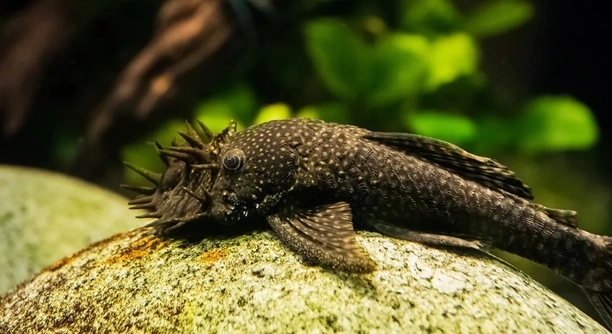
Bristlenose plecos can live with tetras under proper conditions. These plecos are generally peaceful, bottom-dwelling fish that do not interfere with the active, mid-to-top swimming tetras. Providing adequate hiding spots and balanced feeding ensures compatibility.
Maintaining a harmonious aquarium requires attention to diet, space, and habitat. Understanding the dynamics between these species will help create a thriving and peaceful aquatic environment.
Understanding Bristlenose Pleco Behavior
Bristlenose plecos are peaceful, bottom-dwelling fish that prefer hiding spots and quiet areas in the tank. They are nocturnal, meaning they are more active during the night, while tetras swim primarily during the day. This natural difference in activity levels reduces conflict between the two species. Plecos spend most of their time grazing on algae and leftover food along the tank floor. They are not aggressive and rarely bother other fish, making them suitable tank mates for smaller, non-aggressive species like tetras. Hiding spots, such as driftwood, caves, or plants, are essential for their comfort. Without proper shelter, plecos may become stressed, which can impact their health and appetite. Observing their behavior over time helps ensure they are settling in well. Consistent water quality, moderate temperature, and a balanced diet support their peaceful coexistence with mid-level swimming tetras in a shared tank environment.
Providing adequate hiding spaces reduces stress and keeps both plecos and tetras comfortable.
Monitoring interactions between plecos and tetras is crucial, especially in smaller tanks. While plecos are mostly peaceful, crowded conditions or insufficient hiding spots can lead to minor stress or competition. Ensuring the tank has a layered environment with plants, driftwood, and open swimming areas helps maintain harmony. Feeding should be balanced; plecos require algae wafers or vegetables, while tetras need flake or micro-pellet food. Overfeeding can lead to water quality issues, which affect all tank inhabitants. Regular water changes, proper filtration, and attention to water parameters are essential for a stable, healthy environment. Understanding each species’ needs allows them to thrive together. By observing behavior and adjusting tank conditions when necessary, you can prevent conflicts before they arise. Over time, both species settle into predictable routines, making maintenance and care straightforward while maintaining a peaceful, visually appealing aquarium.
Ideal Tank Conditions
Bristlenose plecos and tetras thrive best in well-maintained tanks with clean, stable water.
Temperature, water flow, and pH levels all play a role in compatibility. Plecos prefer slightly cooler temperatures, while tetras enjoy moderate warmth. Providing hiding spots and open swimming areas ensures both species can express natural behaviors. Regular monitoring of water quality helps prevent stress and disease. A balanced diet and consistent feeding schedule maintain health. Tanks with appropriate size, decoration, and filtration allow plecos to graze while tetras swim freely. Overcrowding should be avoided, as it can increase stress levels and reduce water quality.
Water temperature between 72–78°F, pH levels around 6.5–7.5, and soft to moderately hard water suit both species. Driftwood or rocks provide plecos with necessary hiding spots, while tetras benefit from mid-to-top open swimming space. A tank size of at least 30 gallons is recommended for maintaining harmony. Regular water changes and filtration prevent ammonia or nitrate buildup, keeping fish healthy. Both species are sensitive to sudden changes in water parameters, so gradual adjustments are necessary. Proper lighting, plants, and decorations support natural behaviors. Maintaining these conditions ensures a peaceful tank where plecos and tetras coexist comfortably, minimizing stress and encouraging active, healthy lifestyles for both species.
Feeding and Diet Compatibility
Bristlenose plecos are primarily herbivores, feeding on algae, vegetables, and specially formulated wafers. Tetras are omnivores, requiring flake or micro-pellet food. Their diets rarely conflict, but separate feeding areas help ensure all fish get enough nutrition and reduce competition.
Providing vegetables such as zucchini, cucumber, and spinach keeps plecos healthy and active. Algae wafers supplement their grazing and provide essential nutrients. Tetras thrive on flake food, small pellets, or occasional live foods like brine shrimp. Feeding plecos after tetras have eaten helps avoid food competition, as plecos are slower grazers. Overfeeding either species can degrade water quality and increase maintenance needs, so careful portioning is important. Observing each species’ feeding behavior ensures both get proper nutrition without stress or interference.
It is also helpful to monitor leftover food daily. Uneaten vegetables or pellets should be removed promptly to prevent decay and maintain water quality. Rotating vegetables keeps plecos interested and promotes natural grazing behaviors. Tetras benefit from a varied diet to enhance color and vitality. Balancing feeding schedules allows both species to flourish, minimizing conflict and encouraging a peaceful, healthy tank. Consistent care in feeding practices supports long-term coexistence of plecos and tetras.
Monitoring Behavior and Tank Dynamics
Observing plecos and tetras regularly allows early detection of stress, aggression, or health issues. Subtle changes in swimming patterns or appetite can indicate problems before they escalate.
Stress in plecos often appears as hiding excessively or refusing food. Tetras may display darting behavior, loss of color, or clamped fins when uncomfortable. Proper tank setup, including sufficient hiding spaces, open swimming areas, and minimal overcrowding, mitigates these issues. Regular observation helps identify potential conflicts, such as competition for territory or food, and allows adjustments to the environment. Tank dynamics change as fish grow or seasonal cycles shift, so ongoing monitoring is essential. Recording behaviors and water parameters can highlight trends and inform preventive measures. Maintaining stability and a structured routine benefits both species’ well-being, reducing stress-related illnesses.
Providing enrichment, like driftwood, plants, and gentle water flow, encourages natural behaviors and reduces boredom. Plecos need grazing surfaces, while tetras require mid-to-top swimming space. Adjusting tank layout periodically can keep the environment stimulating. Ensuring water quality is consistently high prevents health issues linked to poor maintenance. Feeding schedules, tank cleaning, and behavior observation should follow a regular routine. This structure minimizes surprises and allows you to respond quickly if problems arise. By proactively managing tank dynamics, plecos and tetras coexist peacefully, maintaining harmony and vitality within a shared aquarium.
Tank Size and Space Requirements
A tank of at least 30 gallons is recommended for housing bristlenose plecos with tetras. Adequate space prevents territorial disputes and allows both species to swim and graze comfortably. Overcrowding can cause stress and aggressive behavior, especially as plecos grow.
Providing vertical and horizontal space is essential. Plecos need bottom areas to graze and hide, while tetras require open mid-to-top swimming zones. Decorations like driftwood and plants should be placed strategically to create separate zones, minimizing overlap and stress. Proper tank size ensures all fish can thrive and exhibit natural behaviors.
Water Quality and Maintenance
Consistent water changes, proper filtration, and monitoring ammonia, nitrite, and nitrate levels are essential. Both species are sensitive to poor water conditions, which can lead to stress or illness. Maintaining clean water supports health and reduces disease risk.
Choosing Compatible Tetra Species
Not all tetras are equally compatible with plecos. Smaller, peaceful species like neon tetras or cardinal tetras are ideal, while larger or aggressive tetras may harass bottom-dwelling plecos. Choosing compatible species minimizes stress and encourages peaceful coexistence.
FAQ
Can bristlenose plecos and tetras live together long-term?
Yes, they can coexist peacefully for long periods if the tank is well-maintained. Providing hiding spots for plecos and open swimming space for tetras reduces stress. A proper feeding routine and stable water conditions help both species thrive. Monitoring behavior regularly ensures early detection of issues.
Do bristlenose plecos bother tetras?
Bristlenose plecos are generally peaceful and rarely interfere with tetras. They focus on grazing algae and leftover food at the bottom of the tank. Stress or aggression may occur if hiding spots are limited or the tank is overcrowded, but this is uncommon in well-set-up aquariums.
What tank size is needed for plecos and tetras?
A minimum of 30 gallons is recommended. This allows plecos space to graze along the bottom and tetras room to swim in the mid-to-top layers. Larger tanks are preferable for multiple plecos or tetra schools, preventing competition for territory and reducing stress.
How should I feed them together?
Feed tetras flake or micro-pellet food in the middle or top of the tank. Offer plecos algae wafers or vegetables near the bottom. Feeding plecos slightly after tetras ensures both get enough nutrition. Remove uneaten food promptly to maintain water quality.
What water conditions do they need?
Both species prefer stable water with temperatures between 72–78°F, pH around 6.5–7.5, and soft to moderately hard water. Plecos and tetras are sensitive to sudden changes in parameters, so gradual adjustments are essential. Filtration and regular water changes maintain a healthy environment.
Do plecos need hiding spots with tetras?
Yes, hiding spots are essential for plecos. Driftwood, rocks, or plants provide shelter and reduce stress. Tetras usually swim in open areas, so separate zones help both species feel secure without interference. Proper hiding areas encourage natural behaviors.
Can plecos damage decorations or plants?
Bristlenose plecos are mostly harmless to plants and decorations. They may graze on soft algae-covered surfaces but rarely uproot plants. Driftwood and rocks can be scraped or cleaned by plecos, which is part of their natural grazing behavior.
Are tetras safe with juvenile plecos?
Yes, tetras are generally safe with juvenile plecos. Juvenile plecos are smaller but still non-aggressive. As they grow, maintaining proper tank space and hiding spots ensures continued peaceful interactions between the species.
How often should I monitor behavior?
Observing fish daily is ideal. Look for changes in swimming, color, or appetite. Monitoring allows early intervention if stress or minor aggression appears. Regular checks help maintain a balanced tank and reduce the risk of long-term problems.
What signs indicate incompatibility?
Signs of incompatibility include frequent chasing, clamped fins, loss of color, or hiding plecos excessively. Overcrowding, insufficient hiding spaces, or incompatible tetra species are common causes. Adjusting tank layout, improving water quality, or separating species may be necessary.
Can they share the same diet completely?
No, their diets differ. Plecos are herbivorous and require algae wafers or vegetables, while tetras are omnivorous. Trying to feed them the same food exclusively can cause nutritional deficiencies. Feeding appropriate diets for each species ensures health and proper growth.
How do I introduce plecos to a tetra tank?
Introduce plecos slowly after tetras are established. Acclimate plecos to tank water gradually to reduce stress. Ensure hiding spots are available before adding them. Observing initial interactions helps prevent issues and ensures a smooth adjustment.
Do tetras stress plecos at night?
Typically, no. Plecos are nocturnal and active at night, while tetras are diurnal and rest. Minimal overlap in activity reduces stress. Providing sufficient hiding spots and space ensures plecos feel secure during rest periods.
Can I keep multiple plecos with a tetra school?
Yes, multiple plecos can coexist if the tank is large enough and has sufficient hiding spots. Adequate space reduces competition and allows both species to behave naturally. Monitoring behavior is important, especially as plecos grow.
What is the best substrate for plecos and tetras?
A soft substrate like sand or smooth gravel is ideal. It prevents plecos from injuring their undersides while grazing. Tetras are not affected by substrate type, so a balanced choice supports both species’ comfort and natural behaviors.
How do I prevent algae overgrowth with plecos and tetras?
Plecos help control algae naturally, but proper tank maintenance is essential. Regular water changes, controlled feeding, and adequate lighting prevent excessive algae. Combining maintenance with pleco grazing keeps the tank clean and reduces extra cleaning effort.
Is tank decoration important for their coexistence?
Yes, decorations create separate zones for plecos and tetras, reducing stress and promoting natural behavior. Driftwood, rocks, and plants provide hiding spaces for plecos while leaving open areas for tetras to swim freely, balancing activity across the tank.
Can plecos harm small tetras?
Bristlenose plecos are non-aggressive and rarely harm small tetras. They focus on grazing algae and leftovers. Problems usually occur only under stress or overcrowded conditions, which can be prevented by providing proper tank size and hiding spots.
How often should I clean the tank?
Partial water changes once a week and gravel cleaning every two weeks help maintain healthy water conditions. Overfeeding or neglecting maintenance increases waste, stressing both plecos and tetras. Keeping up with cleaning ensures a balanced, safe environment.
Are there signs of a healthy tank with plecos and tetras?
Healthy tanks show active tetras, grazing plecos, clear water, and thriving plants. Fish swim freely, eat well, and display natural coloration. Regular observation and proper maintenance help sustain this balance over time.
Final Thoughts
Bristlenose plecos and tetras can coexist peacefully in the same aquarium when proper care is provided. Their natural behaviors make them compatible, as plecos spend most of their time at the bottom grazing and hiding, while tetras swim actively in the mid-to-top levels. This separation in activity reduces the chances of conflict, allowing both species to thrive. Observing how they interact over time is important, as it helps identify any signs of stress or discomfort. Adjusting tank layout, adding hiding spots, or managing feeding schedules can resolve minor issues before they become serious. By understanding their specific needs, it is possible to create a balanced and harmonious tank environment that benefits both species.
Maintaining appropriate water conditions is essential for long-term coexistence. Both plecos and tetras require stable temperatures, proper pH levels, and clean, well-filtered water. Sudden changes in water parameters can cause stress or illness, making regular monitoring and water changes crucial. A tank of sufficient size with proper filtration supports healthy growth and reduces territorial disputes. Driftwood, plants, and rocks provide natural hiding spaces for plecos and enrich the swimming environment for tetras. Feeding routines should be carefully managed, offering algae wafers or vegetables for plecos and flake or micro-pellet food for tetras. Overfeeding can compromise water quality, so portion control is important. Maintaining this balance ensures both species remain healthy and active.
Compatibility is not just about space or diet; it also involves understanding behavior and providing a structured environment. Plecos are generally peaceful, but overcrowding or insufficient hiding spots can lead to stress. Tetras benefit from schools and open swimming areas. Monitoring behavior regularly helps spot changes early, and small adjustments to the tank can improve overall harmony. Over time, a properly maintained tank encourages natural behaviors, reduces stress, and creates a visually appealing setup. By paying attention to tank size, diet, water quality, and environmental enrichment, both bristlenose plecos and tetras can coexist comfortably, making the aquarium a balanced and thriving habitat for all its inhabitants.

Hello,
If you enjoy the content that we create, please consider saying a "Thank You!" by leaving a tip.
Every little bit helps us continue crafting quality advice that supports the health, happiness, and well-being of pets around the world, for pets of all shapes, sizes, and species.
We really appreciate the kindness and support that you show us!