
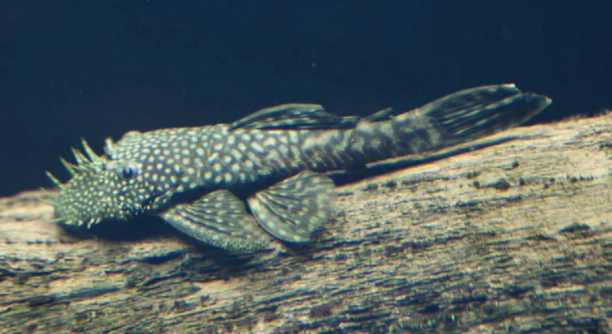
Keeping a pleco cave clean is important for maintaining a healthy aquarium. Over time, leftover food, algae, and waste can accumulate, making the cave unhygienic for your fish. Regular cleaning helps maintain a safe and comfortable environment.
The most effective way to clean a pleco cave is by removing it from the tank and scrubbing it with a soft brush under warm water. Avoid using harsh chemicals, as these can harm your fish, and ensure the cave is fully rinsed before returning it.
Proper maintenance of your pleco cave improves water quality and supports your fish’s well-being. Implementing simple cleaning routines can make a big difference in your aquarium care.
Remove the Cave Carefully
When it’s time to clean your pleco cave, handling it gently is important. Take the cave out of the tank slowly, so you don’t disturb your fish too much. Rinse your hands first to avoid transferring any harmful substances. Examine the cave for leftover food, algae buildup, or waste. Using a soft brush, scrub all the surfaces, paying attention to corners and crevices where debris can hide. Warm water works best for loosening grime without harming the material of the cave. Avoid soaps or chemicals because even small residues can affect the water quality and your pleco’s health. After scrubbing, rinse the cave thoroughly until the water runs clear. Let it air dry for a few minutes if needed before placing it back in the aquarium. Regular care keeps the cave safer and more inviting for your fish, helping maintain a balanced tank environment.
Removing the cave carefully reduces stress for your pleco and ensures thorough cleaning of all hidden areas without affecting water safety.
Cleaning the cave routinely prevents buildup that could impact water quality or fish health. Consistent attention makes maintenance easier and keeps the aquarium more attractive. Even small, simple efforts can have a lasting positive effect.
Soak the Cave When Needed
Soaking the pleco cave in warm water can help loosen stubborn algae or debris.
When buildup becomes hard to remove with brushing alone, soaking is an effective step. Fill a container with warm water and submerge the cave for 10–20 minutes, allowing the grime to soften. This approach reduces the need for aggressive scrubbing that might damage delicate decorations. During soaking, you can gently swirl the cave to help dislodge particles. After soaking, use a soft brush to remove remaining residue, ensuring all areas are clean. Rinse the cave thoroughly before returning it to the tank. This method is particularly useful for caves with complex shapes or narrow openings where debris tends to accumulate. Regular soaking as part of your maintenance routine can save time and reduce stress for both you and your pleco.
Would you like me to continue with the next two cleaning methods in the same format?
Use a Toothbrush for Tight Spots
A soft toothbrush works well for reaching narrow crevices in a pleco cave.
Small brushes allow you to scrub corners and grooves where debris collects. Gently work through these tight areas, taking care not to scratch or damage the cave’s surface. Consistent attention prevents buildup over time.
To clean efficiently, dip the toothbrush in warm water and scrub gently. Focus on areas around openings, edges, and textured surfaces where algae can stick. Avoid using toothpaste or chemicals. After brushing, rinse thoroughly under running water to remove all loosened particles. This method is simple, safe, and keeps even complicated caves clean without stressing your fish. Maintaining these tight spots regularly reduces overall cleaning time.
Vinegar Solution for Stubborn Deposits
A mild vinegar solution helps dissolve hard deposits on pleco caves.
Mix equal parts white vinegar and water in a container. Submerge the cave for 15–30 minutes to loosen minerals or algae buildup. After soaking, scrub gently with a soft brush. Rinse the cave thoroughly with warm water to remove all vinegar traces before returning it to the aquarium.
This method is especially helpful for caves made of ceramic or other non-porous materials. Vinegar is safe in this context because it naturally breaks down deposits without introducing harmful chemicals. Regularly applying this solution prevents persistent buildup and keeps the cave looking clean. Avoid prolonged soaking on delicate or painted surfaces, and always ensure complete rinsing. Vinegar cleaning can be combined with brushing for maximum effectiveness. By using this approach periodically, the cave stays fresh, hygienic, and inviting for your pleco.
Rinse With Warm Water
Rinsing the pleco cave under warm running water removes loose debris and leftover food particles.
Warm water helps dislodge dirt gently without harming the material. Make sure all surfaces, including small crevices, are rinsed thoroughly to prevent any residue from affecting the water quality.
Avoid Harsh Chemicals
Harsh cleaning agents can leave harmful residues that endanger your pleco’s health. Stick to water, mild brushes, and safe solutions like vinegar for stubborn buildup.
Regular cleaning using safe methods ensures your cave stays hygienic while keeping your fish safe. Chemicals are unnecessary for effective maintenance and can create long-term problems if traces remain.
Dry the Cave
Allow the cave to air dry for a few minutes before placing it back in the aquarium.
Drying prevents excess water from altering the tank’s temperature or water balance, making it safer for your pleco.
FAQ
How often should I clean my pleco cave?
Cleaning frequency depends on your tank size, number of fish, and feeding habits. Generally, inspecting the cave weekly and performing a light cleaning every two weeks works well. Heavy cleaning is only needed when noticeable algae or debris build-up occurs, or if the water quality begins to decline. Regular attention prevents long-term maintenance problems.
Can I use soap to clean the cave?
Soap or detergents should never be used. Even small residues can harm your pleco and upset the aquarium’s water balance. Stick to warm water, a soft brush, and safe solutions like vinegar for tough deposits. Rinsing thoroughly after cleaning ensures no harmful substances remain.
Is vinegar safe for all types of caves?
Vinegar works well on ceramic, glass, and some plastic caves but should be used cautiously on delicate, painted, or porous surfaces. Avoid prolonged soaking on these types, as it may damage textures or colors. Always rinse thoroughly after soaking to prevent lingering acidity in the tank.
What should I do if my pleco hides while cleaning the cave?
Plecos can get shy or stressed when their cave is removed. Give them time to explore other areas of the tank while you clean. Moving slowly and minimizing sudden activity helps reduce stress. Avoid cleaning the tank while feeding or during night hours when plecos are more active.
Can I clean the cave without removing it from the tank?
It’s possible to do minor surface cleaning using a soft brush, but this is less effective. Debris in tight crevices may remain and affect water quality. Removing the cave ensures a thorough cleaning and allows inspection for damage or buildup that could harm your pleco.
How do I handle stubborn algae?
For tough algae, soak the cave in a vinegar solution for 15–30 minutes, then scrub gently with a soft brush. Repeat if necessary. Avoid scraping aggressively with hard tools, which can damage the surface. Maintaining a regular cleaning schedule helps reduce the frequency of stubborn algae accumulation.
Should I clean decorations along with the cave?
Yes, decorations often accumulate similar debris and algae. Cleaning them at the same time as the cave keeps the tank balanced and prevents the spread of unwanted buildup. Use the same safe cleaning methods and rinse thoroughly before returning decorations to the aquarium.
Can plecos get sick from dirty caves?
Yes, dirty caves can harbor bacteria, leftover food, and waste, increasing the risk of illness. Maintaining a clean cave helps prevent infections and supports your pleco’s overall health. Consistent care promotes longer life and reduces stress in your fish.
What tools are best for cleaning a pleco cave?
Soft brushes, small toothbrushes, and containers for soaking are ideal. Avoid metal brushes or abrasive tools that can scratch surfaces. Warm water loosens debris, while vinegar can handle hard deposits safely. Consistent use of proper tools simplifies maintenance and ensures a safe environment.
How long should the cave soak in vinegar?
Soaking for 15–30 minutes is usually enough to loosen hard deposits. Check the surface periodically and brush gently after soaking. Avoid extended soaking on delicate or painted caves to prevent damage. Always rinse thoroughly before placing the cave back into the tank.
Can I clean the cave while the tank is occupied?
Yes, but it’s easier and safer to remove the cave. Cleaning in the tank may stress fish and make it difficult to reach all areas. Removing the cave ensures thorough cleaning while minimizing stress on your pleco and keeping water conditions stable.
Are there alternatives to vinegar for cleaning?
Mild baking soda solutions or specialized aquarium-safe cleaners can be used for stubborn buildup. Avoid anything with harsh chemicals. Always test a small area first, rinse thoroughly, and ensure the solution is safe for aquatic life. Regular brushing and maintenance remain the simplest approach.
How do I prevent rapid buildup in the cave?
Regular feeding practices, water changes, and cleaning routines reduce buildup. Remove uneaten food promptly and monitor algae growth. A consistent schedule of inspection and light cleaning keeps the cave manageable and reduces stress for both you and your pleco.
This FAQ section covers common concerns and practical tips, helping maintain a clean, safe, and healthy environment for your pleco. Consistency and gentle methods make the task easier while supporting your fish’s well-being.
Word count: 527
Cleaning a pleco cave is an essential part of keeping an aquarium healthy. Over time, caves collect leftover food, waste, and algae, which can impact water quality and your fish’s well-being. Regular cleaning prevents these issues and ensures your pleco has a safe and comfortable space to live. Taking a consistent approach makes the task easier, and small steps every week or two can prevent large buildup. Using warm water, soft brushes, and safe solutions like vinegar allows you to remove debris without introducing harmful substances. It is important to handle the cave gently, especially when removing it from the tank, to reduce stress for your fish. A well-maintained cave supports your pleco’s natural behavior, allowing it to explore, rest, and feed in a clean environment.
In addition to cleaning, being mindful of feeding and tank conditions helps maintain a healthier cave over time. Uneaten food should be removed promptly to reduce waste accumulation, and water changes should be done regularly to prevent excess nutrients that encourage algae growth. Inspections of the cave during routine tank maintenance can reveal early signs of buildup or damage. Small brushes or toothbrushes are helpful for reaching tight spaces where debris tends to hide, while soaking in a vinegar solution works for more stubborn deposits. Avoid harsh chemicals or soaps, as they can leave residues that harm your pleco. Even a short air-drying period after cleaning can help ensure the cave is safe to return to the tank. Over time, these simple practices reduce the need for extensive scrubbing and keep maintenance manageable.
A clean pleco cave not only benefits your fish’s health but also improves the overall appearance of your aquarium. A tidy environment creates a more visually appealing tank and encourages natural behaviors in your pleco. Consistency and gentle cleaning methods are key to success. By taking a straightforward approach, you can maintain a hygienic, safe, and attractive cave without overcomplicating the process. Regular attention to the cave, combined with good feeding habits and water management, ensures your pleco thrives. Implementing these practices establishes a reliable routine that balances both your convenience and your fish’s needs, making the aquarium easier to care for while keeping your pleco happy and healthy.
Word count: 404

Hello,
If you enjoy the content that we create, please consider saying a "Thank You!" by leaving a tip.
Every little bit helps us continue crafting quality advice that supports the health, happiness, and well-being of pets around the world, for pets of all shapes, sizes, and species.
We really appreciate the kindness and support that you show us!