
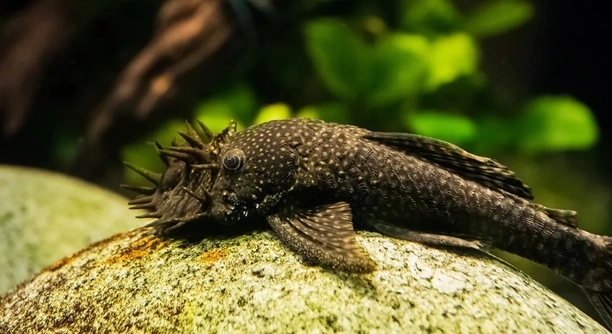
Do you love keeping plecos but notice their health sometimes seems off despite proper feeding? Ensuring clean water is essential for their well-being. Regular water changes can help maintain a stable environment for these unique freshwater fish.
The most effective way to support pleco health is by performing consistent and properly measured water changes. Removing accumulated waste, balancing water parameters, and replenishing essential minerals prevents stress, promotes growth, and enhances overall vitality in plecos’ aquatic habitat.
Maintaining water quality is simpler than it seems and can make a big difference in your plecos’ daily life and long-term health.
Preparing for Your Pleco’s Water Change
Before starting a water change, gather all necessary supplies. You will need a siphon, a clean bucket, and a water conditioner suitable for plecos. Make sure the replacement water matches the tank’s temperature to avoid shocking your fish. Check the tank’s filter and remove any debris that could interfere with water flow. Observing your plecos during this time helps you notice any unusual behavior, which can indicate stress or health concerns. Small adjustments in routine, like cleaning the substrate, can make water changes more effective. Avoid changing too much water at once, as sudden shifts in parameters can harm sensitive fish. Planning each step ahead ensures a smoother process and reduces stress for both you and your plecos.
Even a small, well-planned water change can improve water quality significantly and keep your plecos healthy. Consistency is more important than quantity.
Keeping a regular schedule and taking careful notes on water parameters allows you to monitor trends over time. Over time, you will notice that plecos are more active, eat better, and display stronger coloration. Simple preparation and gradual adjustments lead to a stable, thriving environment. Consistent partial water changes reduce the buildup of harmful chemicals and create a tank where plecos feel secure. Proper maintenance protects them from infections and encourages natural behaviors, like grazing on algae.
Measuring and Removing Water
Measure the correct amount of water to remove, typically 20–30% for a weekly change. Using a siphon helps clean the substrate while removing water efficiently.
When removing water, avoid disturbing decorations too much. Gentle siphoning preserves beneficial bacteria in the tank.
Gradually removing water while observing the plecos minimizes stress. Focus on the areas where debris tends to accumulate, like corners or under rocks. A slow, steady siphon ensures that no plecos are accidentally disturbed or injured. Monitoring water clarity and color during removal can provide insight into the overall health of your tank. Repeating this process regularly reduces the need for deep cleanings and keeps the habitat stable. Proper measurement prevents overcorrection, maintaining balanced pH and chemical levels. Regular partial changes are more effective than infrequent large changes. Recording the amount of water removed each session helps you maintain a consistent routine. Over time, this creates a predictable and safe environment for your plecos.
Adding Treated Water
Always treat tap water with a dechlorinator before adding it to the tank. This protects your plecos from harmful chemicals and maintains their natural environment.
Adding treated water slowly prevents sudden changes in temperature or chemistry. Pour it near the sides of the tank to minimize disturbance. Matching the temperature of the replacement water to the tank’s existing water helps plecos adjust without stress. Using a clean container and checking the water for proper treatment ensures the safety of the fish. Gradually adding water also allows beneficial bacteria in the substrate and filter to remain stable, supporting the tank’s ecosystem.
After adding water, observe your plecos for a few minutes. They may explore the tank differently or return to hiding spots. Small movements and grazing behavior indicate that they are comfortable with the changes. Ensuring a calm environment helps plecos adapt quickly, promoting healthier habits like feeding and algae cleaning. Regular, careful water additions build trust in their environment and reduce the risk of shock.
Monitoring Water Parameters
Regularly check ammonia, nitrite, and nitrate levels to ensure water quality remains safe. Maintaining stable parameters prevents stress and disease.
Using test kits consistently helps track changes over time. Record each reading to notice patterns or sudden spikes.
Adjusting water chemistry after a change prevents fluctuations that could harm plecos. Test for pH, hardness, and temperature to keep the tank stable. Unexpected shifts can cause hiding, reduced feeding, or weakened immune responses in plecos. If levels are off, small corrections like partial water changes or additives can restore balance. Over time, monitoring helps you anticipate issues before they escalate. Keeping notes and following a schedule ensures consistent care. Stability in water parameters directly supports plecos’ health, behavior, and longevity.
Cleaning the Substrate
Use a siphon to gently remove debris from the substrate. This keeps the tank cleaner and reduces waste buildup that can harm plecos.
Focus on areas where uneaten food collects. Cleaning regularly prevents ammonia spikes and supports a healthier environment for your fish.
Inspecting Filters
Check your filter for clogs and debris during each water change. A clean filter ensures proper water flow and maintains effective biological filtration, which is crucial for plecos’ health. Regular maintenance keeps the tank stable and reduces the risk of water quality issues.
Observing Pleco Behavior
Pay attention to your plecos’ activity after water changes. Healthy fish will return to normal grazing and movement quickly. Monitoring behavior allows you to spot stress or illness early and adjust care routines accordingly.
FAQ
How often should I change my plecos’ water?
Most plecos thrive with a 20–30% water change once a week. This frequency helps remove waste, reduce toxins, and maintain stable water conditions without causing stress to your fish. Observing water clarity and pleco activity can guide small adjustments to this schedule.
Can I change too much water at once?
Yes, removing too much water can shock plecos. Large water changes suddenly alter temperature, pH, and other chemical balances. Partial changes are safer and more effective, allowing the tank’s ecosystem to remain stable while still improving water quality gradually.
Do I need to treat tap water every time?
Absolutely. Tap water contains chlorine and chloramines, which are harmful to plecos. Using a water conditioner neutralizes these chemicals and protects beneficial bacteria in the tank, helping maintain a healthy environment.
Should the replacement water match the tank temperature?
Yes. Adding water that is too cold or too warm can stress plecos and affect their immune system. Using a thermometer to match temperatures closely ensures a smooth transition and minimizes potential health issues.
How much water should I remove for each change?
Typically, 20–30% of the tank volume is recommended for weekly maintenance. This amount removes excess waste and toxins without disrupting beneficial bacteria, keeping water parameters balanced and supporting pleco health.
Do I need to clean the substrate every time?
Cleaning the substrate with a siphon during water changes prevents buildup of uneaten food and waste. This reduces ammonia spikes and keeps the tank healthier. Focus on areas plecos frequent to maximize effectiveness without stressing the fish.
Is filter maintenance necessary during water changes?
Yes. Inspecting and gently cleaning the filter ensures proper water flow and effective biological filtration. A clean filter helps maintain stable water conditions, which is essential for plecos’ overall health and well-being.
What signs indicate my plecos are stressed after a water change?
Stress can show through hiding more than usual, reduced feeding, or rapid breathing. Observing these behaviors early allows for adjustments, such as smaller water changes or slower water addition, to help them recover quickly.
Can water changes prevent diseases in plecos?
Regular, properly conducted water changes reduce harmful bacteria, ammonia, and nitrate buildup, which can cause disease. While it doesn’t guarantee immunity, consistent water maintenance significantly lowers the risk of infections and promotes strong health.
Should I adjust water parameters after a change?
Monitoring parameters like pH, hardness, and temperature is important after water changes. Minor adjustments may be needed if levels shift unexpectedly. Keeping these conditions stable ensures plecos remain healthy, active, and display natural behavior consistently.
Can I skip water changes if my tank looks clean?
No. Even if the tank looks clean, dissolved waste and chemicals can accumulate. Regular water changes are necessary to maintain proper chemical balance, protect plecos from stress, and support their long-term health.
How can I make water changes less stressful for plecos?
Add water slowly near the tank sides, match temperature closely, and avoid disturbing decorations. Observe the fish calmly while making changes. These small adjustments help plecos adapt without unnecessary stress and maintain a healthy environment consistently.
Do algae-eating plecos need more frequent water changes?
Even algae-eating plecos produce waste that affects water quality. Regular partial water changes remain essential to maintain balanced chemical levels and prevent toxic buildup, regardless of their feeding habits.
Can I use aquarium additives during water changes?
Some additives, like mineral supplements or pH buffers, can support pleco health if used properly. Always follow manufacturer instructions and test water parameters before and after adding any chemicals to avoid unintentional harm.
Is it necessary to track water changes over time?
Yes. Keeping a log of water changes, amounts, and parameter readings helps identify patterns, detect early problems, and maintain a consistent schedule. This makes long-term care simpler and ensures plecos thrive in a stable environment.
What should I do if my pleco reacts badly to a water change?
If plecos show stress, slow feeding, or unusual hiding, pause water additions and let the tank stabilize. Check temperature, pH, and chemical levels, and adjust future water changes more gradually to prevent repeated stress.
This FAQ provides practical guidance for maintaining pleco health through water changes, helping to create a safer and more stable aquatic environment. Regular observation, consistency, and careful adjustments are key to thriving plecos.
Word count: 522
Final Thoughts
Maintaining a healthy environment for plecos requires attention to detail and consistency. Regular water changes are one of the simplest and most effective ways to support their health. Even small adjustments, like replacing 20–30% of the water weekly, can make a noticeable difference in water quality and fish behavior. Over time, consistent care allows plecos to thrive, displaying natural behaviors like grazing, exploring, and interacting with their surroundings. It is important to plan each water change carefully, using treated water at the correct temperature and avoiding sudden shifts in parameters. By following a structured approach, you ensure that the tank remains stable, which reduces stress and helps plecos stay healthy. Proper preparation also makes the process easier for you, allowing each maintenance session to be straightforward and manageable.
Observing your plecos during and after water changes is equally important. Changes in behavior, such as hiding, reduced feeding, or slow movement, can indicate stress or adjustments needed in the routine. By monitoring these responses, you can make small improvements to your care practices. Using a siphon to clean the substrate and inspecting the filter during every change prevents waste buildup and keeps the water flowing efficiently. Paying attention to water parameters, including pH, hardness, and temperature, ensures that conditions remain within a safe range for plecos. Keeping notes of readings and adjustments over time allows you to track trends and respond proactively. Even if the tank appears clean, dissolved waste can accumulate, so regular partial water changes are necessary to maintain balance and stability. These simple practices help protect the health of plecos and create a more predictable environment where they can flourish.
Consistency and attention to detail are the foundations of successful pleco care. By incorporating regular, well-planned water changes, monitoring water parameters, and observing fish behavior, you provide an environment that encourages growth and vitality. These routines help prevent disease, reduce stress, and maintain a stable ecosystem. Over time, your plecos will show improved coloration, stronger activity levels, and a more natural grazing behavior. Caring for plecos may seem like a series of small tasks, but their cumulative effect ensures long-term health and well-being. Even small, regular efforts contribute to a thriving aquarium that is easier to manage and more enjoyable to maintain. By understanding the importance of water quality and establishing simple habits, you create a safe, supportive habitat that allows plecos to reach their full potential. Consistent care not only benefits the fish but also enhances your experience as an aquarium keeper, providing satisfaction in seeing healthy, active plecos in a stable, well-maintained environment.
Word count: 423

Hello,
If you enjoy the content that we create, please consider saying a "Thank You!" by leaving a tip.
Every little bit helps us continue crafting quality advice that supports the health, happiness, and well-being of pets around the world, for pets of all shapes, sizes, and species.
We really appreciate the kindness and support that you show us!