
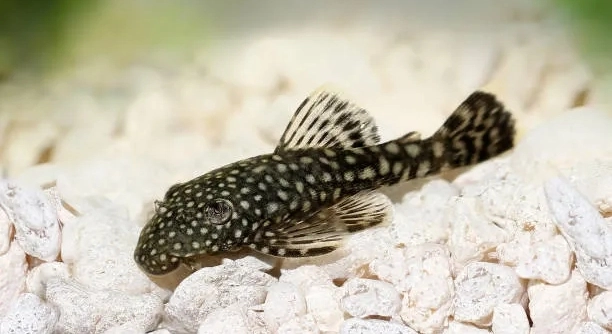
Are your plecos looking smaller than usual or seem less active in the tank? Many aquarists overlook subtle signs that their fish may not be receiving enough nutrition, leading to long-term health issues and stunted growth.
Underfeeding a pleco can cause poor growth, weakened immune response, and abnormal behavior. Consistently providing insufficient food disrupts their natural feeding patterns and may result in long-term health complications that compromise overall well-being. Proper feeding practices are essential for maintaining their vitality.
Recognizing these signs early can help ensure your pleco stays healthy, active, and continues to thrive in its aquatic environment.
Reduced Appetite
When a pleco consistently ignores food or only nibbles occasionally, it is often a clear indicator of underfeeding. Unlike other fish, plecos have slow metabolisms, but they should still show interest in their meals. A sudden loss of appetite can signal that they are not getting enough nutrients over time. Observing feeding habits closely is essential, especially if you have multiple plecos or other tank mates competing for food. Sometimes, they may be outcompeted, which makes it appear as if they are eating less when, in reality, they are not receiving sufficient portions. Ensuring that each pleco has access to adequate food helps maintain their health. Consistently measuring portions and monitoring behavior allows you to spot problems early. Small adjustments in feeding frequency or quantity can make a significant difference in keeping your pleco healthy. Changes in appetite should never be ignored, as they often precede other health complications.
Reduced appetite often reflects insufficient nutrition and requires immediate attention to avoid long-term issues.
Addressing underfeeding begins with observing how your pleco interacts with its food. Providing a variety of algae wafers, fresh vegetables, and occasional protein supplements ensures they receive a balanced diet. Feeding in several small amounts throughout the day can encourage consistent eating. Monitoring leftovers also helps prevent overfeeding while guaranteeing each pleco gets adequate nutrition. Establishing a routine feeding schedule and recording behavioral changes can improve overall tank health and prevent nutritional deficiencies.
Weight Loss and Visible Bones
Significant weight loss in plecos can be subtle but noticeable when you look closely. Their tail base and spine may appear thinner, and their belly can look sunken. Tracking their weight and overall body condition over time is key to detecting changes before they become severe. A pleco losing weight gradually is often not due to illness but rather insufficient food intake. Weight loss impacts energy levels, immune function, and growth, which can shorten their lifespan if left unaddressed. Regular observation, paired with proper feeding, can prevent this issue.
Weight loss is a visible sign that your pleco is not receiving enough nutrition, needing corrective measures.
Correcting weight loss requires careful attention to diet quality and quantity. Start by offering nutrient-dense foods such as algae wafers enriched with vitamins and minerals. Supplement with blanched vegetables like zucchini, cucumber, and spinach, which provide fiber and essential nutrients. Small protein additions, such as bloodworms or shrimp, can promote healthy weight gain without overfeeding. Feeding multiple times per day in controlled portions helps ensure your pleco can consume enough calories. Monitor their body shape regularly to track progress, and adjust the diet if you notice continued thinning. Tank conditions, including water quality and temperature, also affect metabolism and appetite, so maintaining stable, optimal conditions will support recovery. Consistency in feeding and observation is critical to restoring your pleco to a healthy, active state.
Lethargic Behavior
Lethargy in plecos often signals underfeeding. They may spend more time hiding, resting at the bottom, or moving slowly. Even active species can appear unusually tired when they do not get enough nutrients.
Insufficient nutrition reduces energy levels, making your pleco less willing to swim or explore. This can impact social behavior if you have multiple fish in the tank. Lethargy may also make it harder for them to compete for food, creating a cycle where underfeeding worsens. Observing your pleco’s daily activity helps identify changes early. Increasing feeding frequency and offering nutrient-rich foods can help restore normal energy levels gradually, preventing further health issues.
Addressing lethargy involves consistent feeding with high-quality foods. Providing a balanced diet with algae wafers, fresh vegetables, and occasional protein encourages natural activity patterns. Adjusting feeding times and monitoring their response ensures they regain strength and vitality over time.
Faded Coloration
Underfed plecos often lose the vibrancy in their natural coloration. Dull or pale skin and fins can indicate nutritional deficiencies or insufficient feeding.
Color loss happens because pigments require proper nutrients to maintain intensity. Lack of carotenoids and other essential vitamins can make patterns less distinct and overall appearance muted. Regular feeding with fortified foods helps restore brightness. Offering variety in diet, such as dark leafy greens and vitamin-enriched wafers, can prevent further fading. Environmental stressors like poor water quality may worsen the effect, so maintaining clean, stable conditions is also essential for color recovery.
Restoring vibrant coloration requires both dietary improvements and environmental consistency. Feeding high-quality algae wafers, fresh vegetables, and protein supplements ensures your pleco receives nutrients to rebuild pigment. Observing changes in color over time allows you to gauge the effectiveness of your feeding adjustments. Combined with optimal tank conditions, consistent feeding helps your pleco regain its natural, healthy appearance while promoting overall well-being and resilience.
Slow Growth
Underfed plecos grow much slower than healthy ones. Their size may lag behind other tank mates, and juvenile fish may take longer to reach maturity.
Slow growth is a direct result of insufficient calories and nutrients. Without proper feeding, body development is hindered, affecting bone structure, muscle mass, and overall health.
Weak Fins
Weak or fraying fins often indicate poor nutrition. Underfed plecos may develop fins that tear easily or do not fully regenerate after minor damage.
Excessive Hiding
Plecos that are not eating enough may hide more than usual. Lack of energy makes them seek shelter and stay inactive for long periods, reducing their interactions and natural behaviors.
FAQ
How often should I feed my pleco?
Plecos generally do well with daily feeding, but the exact frequency depends on their age and size. Younger plecos benefit from two smaller feedings per day to support rapid growth, while adults usually need a single, well-measured feeding. Observing leftovers helps avoid overfeeding.
What types of food are best for plecos?
A balanced diet should include algae wafers, fresh vegetables like zucchini or cucumber, and occasional protein sources such as bloodworms or shrimp. Variety ensures they receive essential vitamins and minerals, helping maintain growth, coloration, and energy levels.
How can I tell if my pleco is underfed?
Signs include slow growth, faded coloration, lethargy, excessive hiding, visible bones, weak fins, and reduced appetite. Tracking daily behavior, monitoring feeding habits, and comparing size to tank mates helps identify nutritional issues early.
Can underfeeding affect my pleco’s lifespan?
Yes. Chronic underfeeding weakens the immune system, slows growth, and reduces overall vitality. Long-term nutritional deficiencies can shorten lifespan and increase susceptibility to disease. Regular, balanced feeding is essential for a healthy, long-lived pleco.
Is it possible to overfeed a pleco while correcting underfeeding?
Overfeeding can cause obesity, water pollution, and digestive issues. Correcting underfeeding requires gradual increases in portion size and attention to leftover food. Feeding small amounts multiple times per day can prevent mistakes and ensure proper nutrition.
How do I encourage a picky pleco to eat?
Offering a variety of foods in different textures and colors helps. Blanched vegetables, algae wafers, and occasional protein treats can attract attention. Feeding in quiet, low-stress conditions and observing tank competition also improves feeding success.
Should I adjust feeding based on tank size and fish population?
Absolutely. Larger tanks or multiple fish require careful portioning to ensure each pleco receives enough food. Monitor consumption closely and separate food if necessary to prevent dominant fish from taking too much.
Can water quality impact feeding habits?
Poor water conditions can stress plecos and reduce appetite. Keeping water clean, properly filtered, and stable in temperature helps maintain regular feeding patterns and overall health.
How long does it take for a pleco to recover from underfeeding?
Recovery varies depending on severity and duration. With consistent, nutrient-rich feeding and optimal water conditions, plecos can regain weight, coloration, and energy within a few weeks to months. Patience and careful observation are key.
Are there any signs that underfeeding has caused permanent damage?
Severe, prolonged underfeeding may stunt growth or weaken fins permanently. Some color loss may persist even after proper nutrition is restored. Early detection and consistent care are the best ways to minimize long-term effects.
Can I supplement my pleco’s diet with commercial additives?
Yes. Vitamin and mineral supplements designed for aquarium fish can fill nutritional gaps. Use them sparingly and follow manufacturer instructions to avoid overdosing or creating water quality issues.
Is monitoring weight necessary for plecos?
Weighing plecos directly is difficult, but visual checks of body shape, belly fullness, and fin condition are effective. Noting gradual changes over time allows you to adjust feeding before serious issues develop.
What is the role of protein in a pleco’s diet?
Protein supports growth, tissue repair, and energy. While algae and vegetables provide fiber and essential nutrients, occasional protein from bloodworms, shrimp, or fortified wafers ensures healthy muscle development and overall vitality.
How do I balance variety and consistency in feeding?
Offer a staple diet of algae wafers supplemented with rotating vegetables and occasional protein. Keeping core foods consistent ensures nutritional stability, while variety prevents boredom and fills dietary gaps.
Are all plecos the same in dietary needs?
No. Species differ in size, natural diet, and metabolism. Research your pleco species to adjust feeding frequency, portion size, and diet composition appropriately. What works for one may not suit another.
How can I prevent future underfeeding?
Establish a feeding schedule, observe daily consumption, and adjust portions based on growth and activity. Keep a variety of foods on hand and monitor tank dynamics to ensure all plecos eat adequately. Early intervention prevents health complications.
Can underfeeding affect behavior beyond lethargy?
Yes. Underfed plecos may become more reclusive, compete aggressively for food, or develop stress-related behaviors. Proper nutrition helps maintain natural activity, social interactions, and overall well-being.
Is it necessary to consult a vet for underfeeding issues?
If your pleco shows severe weight loss, persistent lethargy, or signs of illness, consulting an aquatic veterinarian is recommended. They can provide guidance on diet adjustments, supplements, and health monitoring to prevent lasting damage.
How do I adjust feeding if I have multiple species in one tank?
Feed in multiple areas or at different times to ensure all species receive appropriate nutrition. Monitor each fish closely, and separate dominant feeders if necessary to prevent others from being underfed.
What is the most effective way to track feeding success?
Observe eating behavior, monitor leftover food, note body condition, and track activity levels. Keeping a simple log of feeding times and quantities helps identify problems and ensures consistent nutrition.
Can underfeeding lead to disease susceptibility?
Yes. Nutritional deficiencies weaken the immune system, making plecos more prone to infections, fin rot, and other illnesses. Adequate, balanced feeding is a key preventive measure.
Are live foods necessary for plecos?
Not always, but live foods like bloodworms or brine shrimp can encourage eating and provide essential protein. They are best used as occasional supplements rather than daily staples.
How can I tell if my feeding corrections are working?
Signs include improved activity, restored coloration, fuller fins, and gradual weight gain. Continuous observation and adjustments ensure long-term recovery and health.
Should I avoid certain foods while correcting underfeeding?
Yes. Avoid foods high in fillers or low in nutrients, as they may appear to fill the stomach but do not provide adequate vitamins or minerals. Stick to nutrient-dense options to promote recovery.
How long should I maintain increased feeding after underfeeding?
Continue until your pleco reaches a healthy weight and body condition. Once stable, gradually adjust portions to a maintenance level appropriate for age, size, and activity.
What environmental factors support better feeding habits?
Stable water parameters, low stress, adequate hiding spots, and proper lighting all contribute to healthy appetite and natural feeding behavior. A calm tank encourages regular, consistent eating.
Can overfeeding happen while trying to fix underfeeding?
Yes. Gradually increase portions and avoid large sudden changes. Observing leftovers and behavior ensures feeding adjustments are safe and effective.
Is it okay to skip feeding days occasionally?
Occasional missed feedings are usually not harmful for adult plecos, but consistency is important. Skipping frequently can worsen underfeeding issues and slow recovery.
How can I make feeding more effective for shy plecos?
Feed in areas where they feel safe and reduce competition from other fish. Offering small portions multiple times encourages them to eat without stress.
Are supplements more important for underfed plecos than healthy ones?
Supplements can help correct deficiencies faster but should complement, not replace, a balanced diet. Monitor response and avoid overuse to prevent water quality issues.
What is the key takeaway for preventing underfeeding?
Consistent, nutrient-rich feeding, close observation, and attention to tank dynamics ensure plecos maintain health, energy, and natural behavior patterns. Proper care today prevents long-term nutritional issues.
How often should I review my pleco’s diet?
Regularly, at least monthly. Adjust portions, variety, and frequency based on growth, activity, and visible signs like coloration or fin health. Continuous monitoring ensures long-term wellness.
Can underfeeding affect reproduction?
Yes. Insufficient nutrition may reduce fertility, slow growth of eggs, or cause breeding reluctance. Proper diet supports healthy reproductive cycles in mature plecos.
Are there signs that recovery is complete?
Visible signs include restored body condition, vibrant coloration, full fins, increased activity, and consistent appetite. Monitoring over several weeks confirms lasting improvement.
Is there a difference between adult and juvenile feeding needs?
Juveniles require more frequent feedings and higher nutrient density for growth, while adults need maintenance portions. Adjusting feeding based on life stage is essential for health.
Can stress mimic underfeeding signs?
Yes. Poor water quality, aggressive tank mates, or sudden changes can reduce appetite, energy, or coloration. Addressing stressors alongside diet ensures accurate diagnosis and recovery.
How do I prevent future feeding mistakes?
Set a routine, track consumption, provide variety, and observe behavior. Early intervention and consistency help maintain optimal health and prevent recurrence of underfeeding.
Is monitoring every pleco individually necessary?
For multiple fish, yes. Some plecos may be less competitive and need closer observation to ensure they are receiving sufficient food. Individual attention prevents unnoticed underfeeding.
Are frozen foods acceptable for recovery?
Yes. Frozen bloodworms, shrimp, or vegetables are nutrient-rich and safe. Thaw and rinse properly before feeding to maintain water quality and provide balanced nutrition.
How quickly should I see changes after improving diet?
Subtle improvements in activity and appetite may appear within days, while weight gain, coloration, and fin health may take weeks. Patience and consistent care are important.
What should I do if no improvement occurs?
Consult an aquatic veterinarian to rule out disease or other health problems. Diet adjustments alone may not resolve underlying conditions.
Can tank layout affect feeding success?
Yes. Hiding spots, decorations, and substrate can influence access to food. Ensuring food reaches all areas helps shy or bottom-dwelling plecos eat adequately.
Should I feed at night for nocturnal plecos?
Many plecos are more active at night. Feeding in low light or during their active hours can increase consumption and prevent underfeeding.
Does water temperature influence appetite?
Yes. Lower temperatures slow metabolism and reduce appetite, while stable, species-appropriate temperatures encourage regular feeding. Monitoring conditions supports consistent nutrition.
How do I combine multiple food types effectively?
Offer staple foods first, then supplement with vegetables and protein. Rotate items to provide nutrients without overwhelming the tank or causing excess waste.
Is tracking leftovers the best way to monitor feeding?
Yes. Observing what is eaten and what remains helps adjust portion sizes and ensures all plecos get enough food.
Can underfeeding affect social behavior?
Yes. Competing for food or hiding excessively can alter interactions. Proper feeding restores normal social patterns and reduces stress.
What are the most common mistakes in feeding plecos?
Overfeeding, underfeeding, lack of variety, ignoring tank competition, and neglecting water quality are common issues. Monitoring and consistent, balanced feeding prevent these problems.
How do I balance feeding with water cleanliness?
Feed in controlled portions, remove uneaten food promptly, and maintain regular water changes. This prevents pollution while ensuring adequate nutrition.
Are there signs of overcompensation after underfeeding?
Yes. Rapid overeating may occur if food becomes abundant. Gradual portion increases prevent digestive stress and maintain healthy weight gain.
Is it necessary to separate plecos temporarily during feeding?
In tanks with aggressive or dominant fish, yes. Separation ensures smaller or shy plecos receive sufficient food without competition.
Can diet alone fix all underfeeding issues?
Mostly, but environmental stressors, disease, and tank dynamics also affect health. Addressing all factors ensures full recovery and prevents recurrence.
Should I document feeding routines?
Yes. Logging amounts, times, and observations helps identify trends, detect problems early, and adjust feeding strategies for long-term care.
How do I maintain improvements long-term?
Consistent feeding, monitoring behavior, rotating foods, and maintaining tank health support sustained nutrition, growth, and vitality in plecos.
Is occasional fasting beneficial?
Some aquarists skip one feeding per week for digestive health, but consistency is more important for underfed plecos. Gradual and controlled feeding is preferred.
How can I support underfed plecos during tank maintenance?
Feed before maintenance, provide hiding spots, and avoid sudden changes. Minimizing stress helps them maintain appetite and recover effectively.
Do plecos need supplements year-round?
Not always. If they receive a balanced, varied diet, supplements may only be necessary occasionally or during recovery from underfeeding.
Can underfeeding affect immunity long-term?
Yes. Nutrient deficiencies weaken the immune system, making plecos more prone to infections. Adequate feeding restores resistance over time.
Is it okay to combine live and frozen foods?
Yes. Combining sources provides variety, essential nutrients, and encourages natural feeding behavior while supporting overall health.
Should I monitor multiple underfed plecos separately?
Yes. Each fish may recover at a different rate. Individual attention ensures all plecos regain weight, energy, and vitality effectively.
What signs indicate a pleco is fully recovered from underfeeding?
Full appetite, vibrant coloration, healthy fins, normal activity, and stable body condition indicate recovery. Continuous observation confirms lasting improvement.
How do I prevent underfeeding in a new tank?
Establish a routine early, provide species-specific diet, monitor consumption, and adjust portions based on behavior and growth. Early care prevents nutritional deficiencies.
Can underfeeding affect skeletal development?
Yes. Chronic underfeeding may cause weak bones and stunted growth. Adequate protein and calcium sources help prevent skeletal issues.
Are processed foods sufficient for recovery?
High-quality wafers can be sufficient if supplemented with vegetables and occasional protein. Variety ensures complete nutrition.
How do I know if my corrections are too fast?
Signs include overeating, bloating, or digestive issues. Gradually increase portions to allow the pleco’s system to adapt safely.
Is observation more important than strict feeding schedules?
Both matter. Schedules provide consistency, but monitoring behavior and body condition ensures feeding meets actual needs.
Can stress delay recovery from underfeeding?
Yes. Stress reduces appetite and slows weight gain. Minimizing stress through stable water conditions and hiding spots supports proper recovery.
Are nocturnal feedings necessary for recovery?
For night-active plecos, yes. Offering food during active hours ensures consumption and helps regain energy and weight efficiently.
Should I adjust water parameters when correcting underfeeding?
Maintaining stable, optimal water conditions supports appetite, digestion, and overall recovery. Temperature, pH, and cleanliness all play a role.
Can tank mates influence recovery speed?
Yes. Aggressive or competitive fish may prevent adequate feeding. Observing interactions and adjusting feeding methods ensures all plecos recover properly.
Are homemade diets recommended?
Homemade diets can supplement store-bought foods if they provide balanced nutrients. Blanched vegetables and occasional protein sources are effective when properly prepared.
What are signs of malnutrition versus illness?
Malnutrition often presents with slow growth, color loss, and weak fins, while illness may include lesions, rapid breathing, or erratic swimming. Monitoring both helps identify the correct intervention.
How long should I continue special feeding for recovery?
Continue until pleco reaches healthy weight, coloration, and activity levels. Gradually return to maintenance feeding once stable.
Can underfeeding affect tank cleanliness?
Yes. Starving fish may scavenge more aggressively, leading to leftover food being hidden or spread throughout the tank. Proper feeding reduces stress and waste.
Is it necessary to adjust feeding for seasonal changes?
Yes. Temperature and light changes affect metabolism. Adjust portions and frequency accordingly to maintain proper nutrition year-round.
Are there any permanent effects of underfeeding?
Severe, prolonged underfeeding can stunt growth, weaken fins, and reduce overall vitality. Early intervention minimizes lasting damage.
How can I tell if a pleco is still recovering?
Gradual improvements in color, activity, appetite, and body condition indicate ongoing recovery. Consistent observation confirms progress.
Is it better to feed smaller amounts more frequently?
Yes. Multiple small feedings help ensure adequate intake without overloading the system, supporting steady growth and recovery.
How important is variety during recovery?
Variety ensures all essential nutrients are consumed, encourages appetite, and helps restore natural coloration and energy levels.
Can underfeeding cause behavioral changes beyond lethargy?
Yes. Hiding, aggression over food, and reduced social interactions may occur. Balanced feeding restores natural behavior patterns.
What’s the safest way to increase feeding after underfeeding?
Gradually increase portion size while observing leftovers and behavior. Avoid sudden, large meals to prevent digestive stress.
Should I consider quarantine for severely underfed plecos?
In some cases, yes. Quarantine allows controlled feeding and close observation without competition from tank mates.
Can diet alone restore fin health?
Diet significantly helps, but water quality and reduced stress are also essential for full fin recovery.
How do I maintain weight after recovery?
Feed consistent, balanced portions based on age, size, and activity. Monitor behavior and body condition to prevent relapse.
Are there signs that indicate overfeeding during recovery?
Bloating, sluggishness, leftover food accumulation, and poor water quality indicate portions are too large. Adjust gradually.
What’s the best way to track color restoration?
Observe under consistent lighting, note changes in patterns and vibrancy weekly, and adjust diet if progress stalls.
Can supplements speed up recovery?
Yes, vitamin and mineral supplements can help fill gaps, but should complement a balanced diet, not replace it.
How do I prevent underfeeding in multi-species tanks?
Feed in multiple areas, monitor each species, and separate shy or slow-eating fish when needed to ensure adequate nutrition.
Is professional guidance necessary for severe cases?
Consulting an aquatic veterinarian ensures correct diagnosis and feeding strategy, especially if recovery stalls or illness is suspected.
Can environmental enrichment support recovery?
Yes. Hiding spots, natural decorations, and proper lighting reduce stress, encouraging normal activity and feeding behavior.
How do I avoid mistakes when increasing feeding?
Increase portions gradually, observe consumption, and ensure no leftover buildup. Balance consistency with variety for safe recovery.
Can fasting be used to correct overeating during recovery?
Only if necessary. Focus on portion control rather than skipping meals to maintain steady nutrition and growth.
How important is patience during recovery?
Very. Plecos recover slowly; consistent care, observation, and gradual adjustments yield the best long-term results.
Can diet alone restore lost coloration?
Diet restores pigment, but environmental stability, stress reduction, and proper lighting also contribute to color recovery.
Should I monitor digestive health during recovery?
Yes. Check for bloating, irregular stools, or reduced appetite. Digestive health is crucial for nutrient absorption and effective recovery.
**Are there indicators that suggest the pleco is fully
Final Thoughts
Underfeeding a pleco can quietly affect its health, growth, and behavior over time. Many of these fish are slow eaters and can easily be overlooked when sharing a tank with other species. It is easy to assume that if food is present, every fish is eating enough. However, plecos require consistent and balanced nutrition to maintain energy, coloration, and overall well-being. Observing their behavior and body condition regularly is essential. Noticing subtle signs such as faded coloration, weak fins, or lethargy allows for early intervention before problems become severe. By monitoring eating patterns and adjusting the diet accordingly, you can prevent long-term health issues and ensure that your pleco remains active and vibrant. A small change in portion size or the addition of fresh vegetables can make a significant difference. Consistency in feeding habits is just as important as the type of food offered.
Maintaining a healthy pleco goes beyond simply providing food. Water quality, tank conditions, and interactions with other fish all influence appetite and nutrient absorption. Clean, stable water encourages natural feeding patterns and reduces stress, which can otherwise limit a pleco’s desire to eat. In tanks with multiple species, competition for food can prevent some plecos from consuming enough nutrition. Feeding in multiple locations or at different times helps ensure that each fish has access to its fair share. Additionally, providing variety in the diet keeps plecos interested and delivers essential vitamins and minerals that support growth and immunity. A combination of algae wafers, fresh vegetables, and occasional protein supplements is generally sufficient for most species. Paying attention to these factors will not only help correct underfeeding but also support long-term health and vitality. Observation and small adjustments often yield the best results, helping your pleco regain energy and maintain a healthy appearance over time.
Recovery from underfeeding takes patience and care. Improvements may appear gradually, with increased activity, brighter coloration, and weight gain happening over weeks rather than days. Sudden changes in portion size or diet can stress the digestive system, so incremental adjustments are recommended. Regular monitoring of behavior, appetite, and body condition allows you to track progress and make informed decisions. Remember that each pleco is different; age, species, and tank environment all affect how quickly they respond to improved nutrition. Alongside a balanced diet, maintaining optimal water parameters and minimizing stress are equally important. When done consistently, these practices help plecos regain their strength, improve immune function, and restore natural behaviors. Ensuring that your pleco receives proper care and nutrition creates a stable environment where it can thrive for years, contributing to a healthy and balanced tank ecosystem.

Hello,
If you enjoy the content that we create, please consider saying a "Thank You!" by leaving a tip.
Every little bit helps us continue crafting quality advice that supports the health, happiness, and well-being of pets around the world, for pets of all shapes, sizes, and species.
We really appreciate the kindness and support that you show us!