
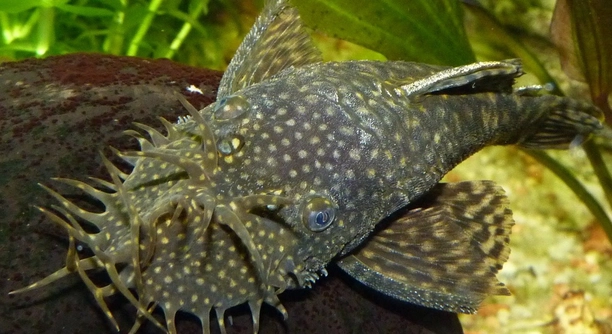
Are your pleco fry struggling to survive despite careful feeding and tank maintenance? Many hobbyists face challenges keeping these delicate fish alive during their early stages. Proper care and attention are essential for healthy growth and survival.
Ensuring pleco fry thrive requires maintaining optimal water conditions, providing appropriate nutrition, and minimizing stressors. Regular monitoring of water parameters, gentle handling, and offering suitable microfoods enhance survival rates and promote healthy development in these sensitive fish.
Following these basic practices will give your pleco fry the best chance at growing strong and healthy. Consistency and attention make all the difference.
Setting Up the Right Tank Environment
Creating a suitable tank environment is the first step to keeping pleco fry alive and thriving. A small, separate nursery tank helps reduce competition and stress from larger fish. Temperature should be stable, usually between 78–82°F, with a gentle filter to prevent fry from being sucked in. Substrate can be fine sand or smooth gravel, avoiding sharp edges that might harm them. Hiding places like small caves, driftwood, or plants give fry security and reduce stress. Light should be moderate; too much can cause anxiety, while too little affects growth. Regular partial water changes keep ammonia and nitrite levels low, which is crucial for their survival. Monitoring pH levels between 6.5–7.5 ensures water chemistry is stable. Gentle aeration provides enough oxygen without strong currents, allowing fry to feed freely. Maintaining a clean, calm, and stable environment forms the foundation for healthy pleco development and reduces early mortality significantly.
Creating a secure and stable environment ensures fry can grow without constant stress or risk of injury.
A well-planned tank setup prevents early deaths, encourages feeding, and supports immune system development. By providing hiding spots, proper substrate, and careful temperature control, you can create an environment where pleco fry feel safe and start growing steadily. Monitoring water quality and minimizing sudden changes will also help maintain their health, making the tank a consistent and supportive habitat. Regular observation allows you to catch issues early, giving your fry the best chance at survival and robust growth.
Feeding Pleco Fry Effectively
Feeding pleco fry requires small, frequent meals to support rapid growth.
Fry need finely crushed or specially prepared foods, such as algae wafers, powdered spirulina, or baby brine shrimp. Feeding multiple times per day keeps them nourished without polluting the water.
Proper feeding is critical because underfeeding slows growth and overfeeding contaminates water, leading to health issues. Start with micro-sized portions that fry can easily consume in a few minutes. Observe how much they eat and remove leftovers to prevent waste buildup. Nutritional variety is important—combining plant-based foods like spirulina with occasional protein sources like microworms ensures balanced growth. Maintaining a feeding schedule helps fry develop consistent eating habits while reducing stress. Gradually increase portion size as fry grow and become more active, but always maintain water quality through careful observation. Patience and consistency in feeding will result in healthy, thriving pleco fry ready for larger tanks.
Maintaining Water Quality
Regular monitoring of water parameters is essential for pleco fry survival. Ammonia, nitrite, and nitrate levels should always remain low, and temperature must be stable to prevent stress.
Keeping the water clean prevents disease and supports healthy growth. Partial water changes of 20–30% two to three times a week help maintain ideal conditions. Using a sponge filter reduces suction risk for delicate fry while keeping water oxygenated. Testing pH, hardness, and temperature frequently allows early detection of problems. Avoid overfeeding as leftover food quickly pollutes water, increasing ammonia and nitrite levels. Fry are highly sensitive, so even small imbalances can be fatal. Maintaining consistency in water quality ensures fry grow strong and reduces susceptibility to infections.
Adding live plants or driftwood can help stabilize water chemistry and provide hiding spots. These additions not only improve water conditions but also create a more natural, stress-free environment. Monitoring water quality closely allows for proactive care. By combining careful feeding, regular water changes, and natural tank elements, pleco fry can develop steadily. Observing their behavior and growth provides insight into water health. Consistency in maintenance and prompt attention to changes are key. This creates a secure environment that minimizes mortality and supports long-term growth.
Preventing Stress in Pleco Fry
Stress in pleco fry can stunt growth and increase susceptibility to disease. Avoid sudden changes in temperature, lighting, or water chemistry.
Minimizing stress involves creating a calm environment. Avoid tapping on the glass, overcrowding, or introducing aggressive tankmates. Hiding places reduce anxiety and allow fry to explore safely. Consistent feeding and water changes help them feel secure.
Observing fry behavior helps detect stress early. Signs include hiding excessively, erratic swimming, or reduced feeding. Gradual changes in environment, such as slowly adjusting temperature or introducing new foods, prevent shock. Providing soft lighting and gentle water flow reduces anxiety. A stable, predictable routine in feeding and tank maintenance supports immune function and growth. Overcrowding increases competition for food and oxygen, so separating fry into smaller groups can reduce stress. Careful monitoring and gentle handling ensure fry develop normally without interruption from stress-induced issues. By maintaining calm conditions, you encourage healthy, steady growth and improve survival rates significantly.
Proper Tank Size
A small nursery tank reduces stress and allows easier monitoring of pleco fry. Avoid overcrowding to prevent competition and injuries.
As fry grow, gradually increase tank size to provide adequate swimming space. Proper spacing ensures healthy development and reduces aggressive behavior among siblings.
Monitoring Growth and Development
Track growth regularly to ensure fry are developing at a healthy rate. Measure size weekly and note changes in behavior or feeding patterns. Uneven growth may indicate dietary deficiencies, water quality issues, or stress. Addressing these problems early prevents long-term health issues and ensures all fry thrive.
Handling Pleco Fry
Minimize direct handling as it can harm delicate fry. Use gentle nets only when necessary for tank maintenance or transfers.
FAQ
How often should I feed pleco fry?
Pleco fry require small, frequent feedings throughout the day. Offering food two to four times daily ensures they receive enough nutrients without polluting the water. Use finely crushed algae wafers, powdered spirulina, or baby brine shrimp, adjusting portions as fry grow.
What type of water is best for pleco fry?
Pleco fry thrive in soft to moderately hard water with a pH between 6.5 and 7.5. Temperature should remain stable around 78–82°F. Regular monitoring of ammonia, nitrite, and nitrate levels is crucial to prevent stress and disease.
Can I keep pleco fry with adult fish?
Adult fish can be a risk to fry due to size differences and territorial behavior. It is best to keep fry in a separate nursery tank until they are large enough to avoid predation and competition.
How do I prevent disease in pleco fry?
Maintaining clean water, stable temperature, and proper nutrition reduces disease risk. Avoid overfeeding and overcrowding, and remove uneaten food promptly. Observe fry daily for signs of illness such as discoloration, lethargy, or abnormal swimming.
When should I move fry to a larger tank?
Once fry reach about one to two inches in size or display stronger swimming ability, gradually transition them to a larger tank. This reduces stress and allows room for continued growth while maintaining water quality.
What foods provide the best nutrition for pleco fry?
A combination of plant-based and protein-rich foods ensures balanced growth. Use powdered spirulina, crushed algae wafers, and baby brine shrimp. Occasionally offering microworms or daphnia promotes development and encourages healthy feeding behavior.
How do I know if fry are stressed?
Signs of stress include hiding excessively, erratic swimming, reduced appetite, or pale coloration. Stress often results from poor water quality, overcrowding, or sudden environmental changes. Addressing these factors early improves survival and growth.
Can I use tap water for pleco fry?
Tap water is acceptable if properly treated to remove chlorine or chloramines. Conditioning the water with a dechlorinator and ensuring stable pH, hardness, and temperature creates a safe environment for sensitive fry.
How often should I perform water changes?
Partial water changes of 20–30% two to three times per week help maintain low ammonia and nitrite levels. Frequent small changes are better than occasional large changes, which can shock delicate fry.
Are hiding spots necessary for pleco fry?
Yes. Small caves, driftwood, or live plants reduce stress by providing shelter. Hiding spots mimic natural environments, allow fry to rest safely, and encourage feeding by reducing competition.
How long does it take for pleco fry to grow into juveniles?
Growth rates vary depending on species, diet, and water quality. Typically, pleco fry reach juvenile size in 2–3 months under optimal conditions, with consistent feeding and stable tank parameters.
Is it normal for some fry to grow faster than others?
Yes. Variation in growth is common. Ensure slower-growing fry have access to food and avoid overcrowding. Maintaining stable water quality and proper nutrition helps reduce disparities.
Can pleco fry survive without algae in the tank?
While they can survive on prepared foods, natural algae provide fiber and nutrients that support digestion. Supplementing with algae wafers or spirulina ensures proper growth if natural algae are scarce.
What should I do if water parameters fluctuate?
Sudden changes in pH, temperature, or hardness stress fry. Stabilize the environment gradually, monitor closely, and perform small water changes as needed. Avoid drastic adjustments to prevent shock or disease.
How important is tank filtration for pleco fry?
Filtration is essential but must be gentle. Sponge filters provide oxygenation and waste removal without creating strong currents that can harm fry. Maintaining clean water supports immune function and overall development.
Can I breed pleco fry in the same tank repeatedly?
Repeated breeding in the same tank can lead to overcrowding and poor water quality. It is better to separate fry into dedicated nursery tanks and maintain proper population management to ensure survival and growth.
How do I handle pleco fry safely?
Minimize direct contact. Use a soft net only when necessary to move fry or clean the tank. Gentle handling reduces stress and prevents injury, which is critical during early development stages.
Are live plants better than artificial ones for fry tanks?
Live plants help stabilize water chemistry, provide hiding spots, and support a micro-ecosystem with beneficial microorganisms. Artificial plants offer hiding spaces but do not contribute to water quality. A combination can work if live plants are difficult to maintain.
Can pleco fry tolerate slightly cooler water?
Fry are sensitive to temperature fluctuations. Cooler water slows metabolism and growth, and sudden drops can be fatal. Maintaining a stable, warm environment is crucial for healthy development.
What is the best way to acclimate fry to a new tank?
Gradually introduce fry by matching water temperature, chemistry, and flow. Float the container or drip acclimate over an hour to minimize stress. Avoid sudden transfers to prevent shock.
This FAQ addresses common concerns and practical steps, helping ensure pleco fry survive and grow efficiently in a controlled environment. Proper care, observation, and consistency are key to thriving fry.
Final Thoughts
Caring for pleco fry requires attention, patience, and consistency. These small fish are delicate, and their early development depends heavily on stable environmental conditions. Maintaining proper water temperature, pH, and hardness is essential, as even minor fluctuations can cause stress or illness. Using a separate nursery tank for fry not only reduces the risk of predation from larger fish but also allows for easier monitoring of growth and behavior. A gentle filter, like a sponge filter, provides necessary oxygen and keeps water clean without creating strong currents that might harm fry. Regular partial water changes help maintain water quality, removing excess waste and preventing dangerous spikes in ammonia or nitrites. Observing the fry daily allows for early detection of any issues, whether related to feeding, growth, or behavior, giving you the chance to address them promptly. Consistency in care creates a secure environment where fry can develop steadily.
Feeding pleco fry properly is another critical factor in their survival. They require small, frequent meals to support their rapid growth, and their food must be easy to consume. Finely crushed algae wafers, powdered spirulina, and live foods like baby brine shrimp or microworms provide a balance of nutrients essential for healthy development. Overfeeding should be avoided, as leftover food can quickly contaminate the water and lead to health problems. Monitoring their appetite and adjusting feeding amounts helps prevent water pollution while ensuring that all fry receive enough nutrition. Offering a variety of foods also encourages normal growth patterns and supports the development of strong, active fry. Keeping a regular feeding schedule reduces stress, helps fry establish predictable habits, and promotes healthy digestion. Gradually increasing portion sizes as the fry grow ensures they remain properly nourished without compromising water quality.
Stress management is equally important in raising pleco fry. Fry are highly sensitive to environmental changes, overcrowding, and aggressive tankmates. Providing hiding spots with driftwood, caves, or live plants helps them feel secure and reduces anxiety. Sudden changes in lighting, temperature, or water chemistry can cause stress, which slows growth and increases susceptibility to disease. Minimizing direct handling and creating a calm environment with gentle water flow supports their immune system and overall health. Observing their behavior for signs of stress, such as erratic swimming or hiding excessively, allows you to adjust care practices as needed. By combining careful feeding, consistent water maintenance, and stress reduction measures, pleco fry have the best chance of growing into healthy juveniles and eventually adult fish. With patience and consistent attention, these delicate fish can thrive, providing a satisfying and rewarding experience for anyone dedicated to their care.

Hello,
If you enjoy the content that we create, please consider saying a "Thank You!" by leaving a tip.
Every little bit helps us continue crafting quality advice that supports the health, happiness, and well-being of pets around the world, for pets of all shapes, sizes, and species.
We really appreciate the kindness and support that you show us!