
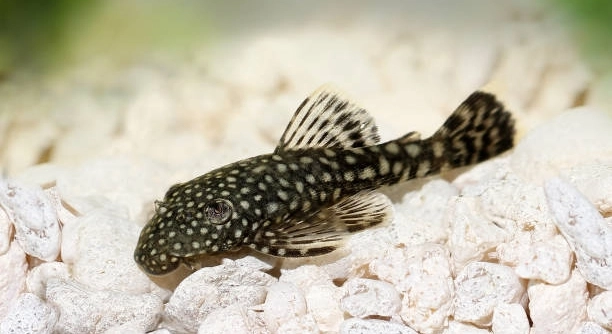
Have you ever noticed your bristlenose pleco looking a bit rounder than usual and wondered what it means for its health? These fish are popular in home aquariums and often get extra attention from their owners. Observing their size and shape can reveal a lot about their diet and environment.
Bristlenose plecos can indeed gain excess weight if overfed or provided with an imbalanced diet. Factors such as high-calorie foods, limited swimming space, and lack of proper nutrition contribute to fat accumulation in these fish. Monitoring feeding habits is crucial.
Understanding how bristlenose plecos gain weight helps owners maintain their health effectively. Proper care, diet adjustments, and observation can prevent issues and support a thriving aquarium environment.
Understanding Bristlenose Pleco Weight Gain
Weight gain in bristlenose plecos usually comes from overfeeding or an unbalanced diet. Many owners unintentionally provide too many protein-rich foods or neglect the vegetable matter these fish need. High-calorie pellets and frequent treats can cause their bodies to store fat. Besides diet, a small tank with limited swimming space can contribute to weight issues. Plecos in cramped conditions may become less active, which reduces their ability to burn calories. Monitoring feeding portions and choosing foods that are appropriate for their digestive system is essential. Regularly observing your pleco’s shape helps identify early signs of excess weight, such as a rounded belly or thicker fins. Maintaining proper water quality and a stable environment supports metabolism and overall health. Tank decorations like driftwood and hiding spots are important, but ensure the fish still has room to swim freely. Balancing diet, activity, and space is the key to keeping plecos fit.
Diet management is the most effective way to prevent fat accumulation in bristlenose plecos.
Consistency in feeding schedules and proper portion control helps maintain a healthy pleco. Overfeeding even a little can lead to long-term weight problems.
Signs Your Pleco is Overweight
An overweight pleco may appear swollen, with a noticeable bulge along the abdomen. Their movement might be slower, and they may hide more often than usual.
Tracking weight signs early allows you to adjust their feeding and environment. If your pleco shows a thicker body, reduce high-calorie foods gradually and increase fibrous vegetables. Observing swimming behavior and activity levels can indicate health changes before they become severe. Be aware of water conditions, as poor quality can also affect metabolism. Adjusting diet alone may not solve the problem; combining it with environmental enrichment is crucial. Driftwood, algae, and live plants provide essential nutrients and encourage natural foraging behavior. A well-maintained tank and careful feeding habits ensure your pleco maintains an appropriate weight. Over time, you can prevent health complications like fatty liver disease and digestive issues by keeping portions controlled. Monitoring and adapting to your pleco’s needs helps it stay active, happy, and healthy.
Feeding Habits to Monitor
Overfeeding is the most common reason plecos gain weight. Even small extra portions of pellets or frozen foods can add up quickly. Stick to the recommended daily amounts for their size and age to maintain a healthy weight.
Offering a balanced diet is essential. Bristlenose plecos need a mix of algae, vegetables, and occasional protein. Leafy greens, zucchini, and cucumber are excellent staples. Avoid giving too many high-fat foods like shrimp pellets or excessive flakes. Consistent feeding times prevent overeating, and removing uneaten food helps maintain water quality. Observing how much your pleco actually consumes allows you to adjust portions, ensuring it gets enough nutrition without storing excess fat.
Providing fiber-rich foods helps with digestion and prevents obesity. Driftwood is also important, as it supports gut health. Make sure to rotate vegetables and limit protein-heavy treats. Over time, careful portion control and food variety make a noticeable difference in your pleco’s weight and overall vitality.
Exercise and Tank Space
Limited swimming space can reduce activity, contributing to weight gain. Ensure your pleco has enough room to move around freely.
Decorations, driftwood, and plants are important, but overcrowding restricts movement. A larger tank encourages exploration and more natural swimming patterns. Plecos naturally graze on surfaces, so providing algae and hiding spots can stimulate activity. Regular observation helps identify if your pleco is staying active or becoming lethargic. Increasing swimming opportunities, even by rearranging the tank occasionally, keeps them engaged. Active fish burn calories more efficiently and maintain a healthy body shape. A spacious, enriched environment directly supports long-term weight management and overall health.
Common Dietary Mistakes
Feeding too many protein-rich foods can quickly lead to fat buildup. Avoid over-relying on pellets or frozen treats.
Neglecting vegetables is another common mistake. Plecos need fibrous foods like zucchini, cucumber, and leafy greens to stay healthy and maintain proper digestion.
Adjusting Portions Gradually
If your pleco is gaining weight, slowly reduce the amount of high-calorie foods instead of stopping abruptly. Sudden changes can stress the fish and affect digestion. Track feeding amounts daily, noting how much is eaten and how much remains. Gradual adjustments allow your pleco to adapt while maintaining energy levels and nutrient intake. Pair portion control with increased vegetable servings and natural grazing opportunities. This balanced approach supports weight reduction safely, prevents nutrient deficiencies, and helps the fish maintain a healthy metabolism. Over time, careful monitoring will keep your pleco in optimal shape.
Monitoring Health Regularly
Regular observation is key. Keep an eye on body shape, swimming patterns, and appetite to catch early signs of weight problems.
FAQ
Can bristlenose plecos lose weight once they are overweight?
Yes, plecos can lose excess weight with proper care. The process requires gradually reducing high-calorie foods, providing more fibrous vegetables, and increasing activity through a larger tank or rearranged environment. Consistency is important, as sudden changes can stress the fish. Regular observation ensures the pleco adapts safely while losing weight.
How often should I feed my bristlenose pleco?
Most adult plecos do well with one or two small feedings per day. Overfeeding can lead to fat buildup and water quality issues. Remove uneaten food after a few hours to avoid decay and maintain a clean tank. Adjust portions depending on your pleco’s size, activity, and appetite.
Are vegetables enough to prevent obesity?
Vegetables form the core of a pleco’s diet and help prevent weight gain. Leafy greens, zucchini, and cucumber provide fiber and nutrients. Occasional protein treats are fine, but over-reliance on pellets or high-protein foods increases the risk of fat accumulation. Variety keeps digestion healthy and supports natural grazing behavior.
Can tank size affect my pleco’s weight?
Yes, a cramped tank can limit movement and reduce activity, which contributes to weight gain. Providing sufficient space, hiding spots, and swimming areas encourages natural behavior. Rearranging decorations occasionally can stimulate exploration and increase daily activity, supporting healthy metabolism.
How do I know if my pleco is overweight?
Overweight plecos often show a rounded belly, thickened fins, or slower swimming patterns. They may also hide more frequently. Comparing your pleco to healthy size references for its species and observing its daily activity helps identify excess weight early.
Is overfeeding the only cause of fat in plecos?
No, other factors like poor water quality, limited swimming space, and lack of fibrous foods can contribute. A balanced diet, clean tank, and active environment are all necessary to maintain proper weight and overall health.
Can bristlenose plecos become unhealthy if they are slightly overweight?
Even mild overweight can stress internal organs over time. Fat buildup can lead to fatty liver disease or digestive issues. Maintaining a healthy weight prevents these complications and supports a longer, more active life. Monitoring diet and activity consistently is essential.
Do all plecos gain weight at the same rate?
No, genetics, age, and individual metabolism influence weight gain. Some plecos may store fat more quickly, while others remain lean on similar diets. Adjusting portions and diet based on your fish’s needs ensures proper health regardless of natural tendencies.
Should I give protein treats to my pleco?
Protein treats can be offered occasionally but should not dominate the diet. Too many high-protein foods contribute to fat accumulation. Focus on vegetables and algae, reserving protein-rich pellets or frozen treats for special occasions. Balance is key for maintaining healthy weight.
Can exercise help reduce fat in plecos?
Yes, encouraging movement helps burn calories. A larger tank, plenty of swimming space, and scattered feeding areas promote activity. Rearranging decorations or adding algae surfaces stimulates natural grazing behavior, supporting metabolism and weight control. Active plecos are generally healthier and maintain better overall body condition.
How long does it take for a pleco to lose weight?
Weight loss depends on diet changes, tank conditions, and the fish’s initial weight. Gradual reductions over weeks or months are safest. Rapid weight loss can stress organs or cause malnutrition. Patience and consistent care produce sustainable results and maintain health.
Is it safe to fast a pleco to reduce weight?
Occasional fasting, such as skipping one feeding per week, can help manage weight safely. Do not fast for multiple days consecutively, as this can stress the digestive system. Monitor the fish’s behavior to ensure it remains active and healthy during fasting periods.
How can I prevent my pleco from getting overweight in the future?
Feed appropriate portions, maintain a balanced diet with vegetables, provide sufficient tank space, and observe activity levels. Consistency in feeding schedules and routine health checks helps prevent weight problems. Adjust diet as the pleco grows and adapts to its environment for long-term health.
Can stress affect a pleco’s weight?
Yes, stress from poor water conditions, aggressive tank mates, or sudden environmental changes can influence metabolism. Stress may reduce activity or alter feeding behavior, indirectly contributing to weight gain. Maintaining a stable, clean, and enriched tank environment is essential for healthy weight management.
What are the long-term risks of an overweight pleco?
Chronic overweight can lead to organ stress, fatty liver disease, reduced mobility, and digestive problems. Preventing weight gain through careful feeding, proper diet, and adequate activity ensures the pleco remains healthy and active for years. Regular observation allows early intervention before serious health issues develop.
Can older plecos gain weight more easily?
Yes, as plecos age, metabolism slows, and activity often decreases. Older fish require smaller portions and more fiber-rich foods to maintain a healthy weight. Adjusting diet and tank setup to encourage movement is important to prevent age-related obesity.
Bristlenose plecos are resilient and fascinating fish, but like any pet, they require careful attention to maintain good health. One of the most important aspects of keeping them healthy is managing their weight. Overfeeding, lack of activity, and limited tank space can all contribute to a pleco becoming overweight. It is easy to unintentionally provide too many treats or high-protein foods, which can quickly lead to fat accumulation. Observing your pleco regularly is key, as changes in body shape or activity levels are often the first signs of a weight problem. Maintaining a balanced diet that focuses on vegetables and algae while limiting high-calorie foods helps keep them in good condition.
Tank setup plays an equally important role in weight management. Plecos need enough space to swim and explore, which encourages natural behavior and prevents lethargy. Driftwood, plants, and algae-covered surfaces not only provide hiding spots but also promote foraging and grazing. Rearranging decorations periodically can stimulate movement and keep your pleco engaged. Even small adjustments, like increasing vertical space or adding surfaces to graze on, can make a noticeable difference in activity levels. A larger tank or better use of available space allows your pleco to exercise naturally, which aids digestion and prevents fat buildup.
Consistency and observation are the final pieces of the puzzle. Feeding on a regular schedule with measured portions, monitoring water quality, and watching for signs of inactivity or abdominal swelling are all essential for long-term health. Overweight plecos are more likely to develop digestive problems or organ stress, so it is important to act early if weight gain is observed. Gradual adjustments to diet and environment are safer than abrupt changes and help maintain a stable, healthy metabolism. With attention to feeding habits, tank setup, and overall care, bristlenose plecos can remain active, healthy, and maintain a proper weight for many years. Proper care ensures your pleco thrives and contributes to a balanced, thriving aquarium ecosystem.

Hello,
If you enjoy the content that we create, please consider saying a "Thank You!" by leaving a tip.
Every little bit helps us continue crafting quality advice that supports the health, happiness, and well-being of pets around the world, for pets of all shapes, sizes, and species.
We really appreciate the kindness and support that you show us!