
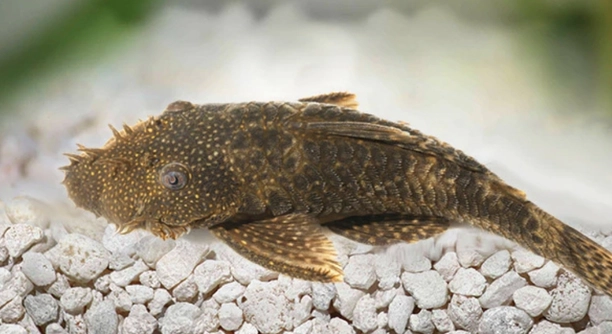
Are your plecos showing unusual activity in their tank? Observing their behavior can help determine if they are entering breeding mode. These fish have distinct signs that indicate readiness, and understanding them ensures a healthier breeding process.
Plecos exhibit specific physical and behavioral indicators when ready to breed, including changes in coloration, fin expansion, increased territoriality, and nest-preparing behaviors. Recognizing these signs allows aquarists to provide optimal conditions for successful reproduction and offspring survival.
Knowing these signals can make a significant difference in breeding success. The following tips outline key ways to identify when your plecos are prepared to reproduce.
Increased Activity and Territorial Behavior
When plecos are ready to breed, one of the first signs is a noticeable change in activity. They often patrol their tank more frequently and may become territorial around specific areas. This behavior can include chasing other fish away or guarding a favored cave or hiding spot. Males are usually the ones showing the strongest territorial instincts, but females may also exhibit heightened movement as they explore potential nesting areas. Paying attention to these patterns is crucial because they indicate that your fish are preparing for reproduction. Altering the tank layout slightly, such as adding new hiding places or caves, can help reduce stress and provide suitable breeding conditions. Observing these behaviors over time allows you to predict when breeding is imminent. Consistent patterns of activity are often more reliable than sporadic bursts of movement, giving you a better understanding of your plecos’ readiness.
This heightened activity signals that plecos are preparing for breeding. Monitoring their interactions can help you create a suitable environment for success.
Recognizing territorial behavior early is essential. Providing adequate hiding spots, maintaining clean water, and ensuring a balanced diet can encourage plecos to settle into breeding mode. If aggression becomes too intense, adjusting tank space or adding partitions can help. Watching these behaviors closely allows you to anticipate breeding events and respond appropriately, improving the chances of successful reproduction.
Changes in Coloration and Physical Appearance
Plecos often show subtle changes in coloration when ready to breed. These shifts can be darker or more intense hues, highlighting the fish’s health and readiness.
Color changes are accompanied by physical signs such as thicker bodies, more pronounced fins, or visible egg development in females. These changes are natural and indicate sexual maturity.
Observing these physical cues is important because they allow you to identify when plecos are at peak readiness. Providing optimal water conditions, a nutritious diet, and appropriate hiding spots will support the breeding process. Documenting changes in color and form over time gives you a clear understanding of your plecos’ breeding cycle. Making small adjustments to lighting or tank decoration can also enhance their natural displays. Being attentive to these changes helps create a conducive environment for mating, ensuring the health of both adults and potential offspring. Careful monitoring and preparation maximize the chances of successful breeding events.
If you want, I can continue with the next headers following the same format and word counts. Do you want me to do that?
Nest-Building Behavior
Plecos preparing to breed often start inspecting and cleaning potential nesting sites. Males usually pick a cave or crevice and may remove debris to make it suitable.
This behavior is a key indicator of breeding readiness. Males spend time scraping surfaces, moving small rocks, and ensuring the area is secure for eggs. The nest is usually located in a quiet corner of the tank. Females may observe the site but rarely participate in the preparation. Watching which fish consistently guard a spot can help identify the male. This behavior often becomes more frequent as water conditions stabilize and the fish feel safe. Providing appropriate caves and hiding spots encourages this natural activity and supports successful breeding.
Consistent nest-building indicates that plecos are ready to reproduce. Observing this behavior helps you anticipate when eggs might be laid and allows you to maintain optimal tank conditions.
Increased Appetite and Feeding Changes
Plecos ready to breed may show noticeable changes in eating habits. Some will eat more aggressively, while others become selective in their diet.
A sudden increase in appetite is common, especially in males preparing for nest-guarding duties. Females may start consuming more protein-rich foods to support egg development. These changes in feeding behavior indicate that their bodies are investing energy into reproduction. Offering high-quality foods such as sinking pellets, vegetables, and occasional protein supplements supports their nutritional needs. Monitoring feeding patterns can also reveal stress or health issues, ensuring the fish remain healthy throughout the breeding period. Maintaining consistent feeding schedules while observing these changes helps create an environment conducive to successful reproduction. Adjusting the diet slightly during this time benefits both the fish and future fry.
Feeding behavior often shifts noticeably as plecos approach breeding. Providing nutrient-rich food and observing changes ensures they remain healthy and ready for reproduction.
Venturing Outside Hiding Spots
Plecos preparing to breed often leave their usual hiding spots more frequently. They explore the tank, inspecting caves and surfaces for potential nesting areas.
This increased movement helps them select secure locations for eggs. Both males and females participate in scouting, although males are more focused on territory.
Changes in Pair Interactions
When plecos are ready to breed, interactions between males and females become more intentional. Males may follow females closely or display subtle courtship gestures. Watching these interactions can help identify compatible pairs. Consistent pairing often indicates readiness to mate.
Bubble Nesting or Surface Activity
Some pleco species may start showing surface activity related to bubble nesting. Males create small air pockets or adjust water flow near chosen sites. This behavior signals readiness and preparation for egg laying.
FAQ
How do I know if my pleco is male or female?
Males typically have broader heads, larger pectoral fins, and more pronounced odontodes (small bristle-like structures) along their bodies. Females often appear rounder, especially around the belly when carrying eggs. Observing physical differences carefully over time is the most reliable method. Environmental conditions can also influence behavior and appearance, so it’s best to monitor multiple signs rather than relying on a single trait.
Can plecos breed in a community tank?
Breeding in a community tank is possible but not ideal. Plecos need privacy and minimal stress to encourage spawning. Other fish may disturb nesting sites, eat eggs, or harass the adults. Providing separate breeding caves or a dedicated breeding tank greatly increases the chances of successful reproduction. Monitoring water quality and limiting disturbances are key factors when attempting breeding in shared environments.
How long does it take for pleco eggs to hatch?
Most pleco species’ eggs hatch within five to ten days, depending on water temperature and species type. Warmer water speeds up development, while cooler conditions slow it down. Maintaining stable temperature, clean water, and low light conditions helps ensure successful hatching. Once hatched, fry remain close to the nesting site initially and require specific care, such as finely crushed food or specialized fry diets.
Do plecos need special water conditions to breed?
Yes. Breeding plecos require clean, well-oxygenated water with stable parameters. Slightly warmer water often stimulates breeding behavior, but sudden changes should be avoided. pH, hardness, and temperature should match the species’ natural habitat. Regular water changes and gentle filtration promote a stress-free environment, encouraging both males and females to spawn naturally.
How can I encourage plecos to breed faster?
Providing plenty of hiding spots and caves, maintaining pristine water conditions, and offering a nutrient-rich diet are the main ways to encourage breeding. Simulating seasonal changes by slightly altering temperature or increasing feeding frequency can also trigger spawning behaviors. Patience is important, as plecos may take several weeks to show readiness despite optimal conditions.
What should I feed plecos during breeding?
During breeding, plecos benefit from a diet rich in vegetables, algae wafers, and protein sources like bloodworms or shrimp. Females need extra nutrition to develop healthy eggs, and males need energy for nest-guarding duties. Feeding small amounts multiple times a day ensures consistent energy without overloading the tank with uneaten food, which could affect water quality.
Will plecos eat their own eggs?
Yes, some pleco species may eat their eggs if stressed or if the environment feels unsafe. Providing secure, secluded nesting caves and limiting disturbances reduces this risk. Observing behavior closely allows you to intervene if necessary, either by separating the adults temporarily or using protective barriers to safeguard the eggs.
How many eggs do plecos usually lay?
The number of eggs varies by species and the size of the female. Smaller species may lay 20–50 eggs, while larger plecos can produce hundreds. The eggs are usually attached to smooth surfaces inside caves or crevices. Regular monitoring of the nest ensures the eggs remain clean and undisturbed.
When should I remove the fry from the tank?
Fry can be removed once they are strong swimmers and able to feed independently, usually a few weeks after hatching. Removing them prevents accidental predation by adults and allows better control over feeding and growth. Using a separate grow-out tank with proper filtration and nutrition ensures higher survival rates and healthier development.
Can plecos breed more than once a year?
Many pleco species can breed multiple times per year under optimal conditions. Continuous monitoring of water quality, diet, and tank setup helps support repeated spawning cycles. Maintaining a stable environment with minimal stress encourages frequent breeding, but overbreeding can exhaust the adults, so it’s important to balance care and reproduction.
Is it normal for plecos to fight during breeding?
Some aggressive behavior is normal, especially from males defending a nesting site. Minor chasing and displays are typical, but excessive aggression may require intervention. Adding additional hiding spots or separating overly aggressive individuals can prevent injury and stress while still allowing natural breeding behaviors to continue.
How do I care for pleco fry?
Pleco fry need clean water, minimal stress, and appropriate food. Start with finely crushed algae wafers, baby brine shrimp, or other species-specific fry food. Frequent, small feedings help growth. Monitoring water quality and performing gentle water changes ensures the fry remain healthy. As they grow, gradually introduce larger foods and encourage normal activity within the tank.
Can plecos breed without a partner?
No, plecos require a male and female to reproduce. Both partners must reach sexual maturity, and behavioral readiness is essential. Even if a single pleco shows breeding behavior, eggs will not develop without a suitable mate present in the same tank environment.
How long does it take for plecos to reach breeding maturity?
Most plecos reach sexual maturity between one and three years, depending on species and environmental conditions. Larger species often take longer to mature. Proper nutrition, clean water, and a stable tank environment help accelerate healthy development, ensuring adults are capable of successful breeding once mature.
What is the best type of cave for pleco breeding?
Smooth, enclosed caves with enough space for the male to guard the eggs are ideal. Materials like ceramic, PVC, or natural rocks work well. The cave should be easily accessible for the female but offer protection against other fish or disturbances. Placement in a quiet corner of the tank enhances spawning success.
Are plecos sensitive to light when breeding?
Yes, plecos prefer dim lighting during breeding. Bright lights can cause stress, reduce activity, and discourage spawning. Using subdued lighting or placing caves in shaded areas helps them feel secure, encourages natural behaviors, and increases the chances of successful egg-laying and hatching.
How can I tell if pleco eggs are healthy?
Healthy eggs are usually firm, round, and lightly colored, often cream or pale yellow. Unhealthy eggs may appear cloudy, discolored, or shriveled. Observing the eggs daily helps detect problems early. Removing damaged eggs reduces the risk of fungal growth and protects the remaining healthy eggs.
What should I do if pleco eggs develop fungus?
Fungal infections can be treated with antifungal solutions or by gently removing affected eggs. Maintaining excellent water quality and reducing stress are crucial. Increasing water flow slightly around the nest without disturbing it can also help prevent fungal growth. Quick action improves the survival rate of the remaining eggs.
Can plecos breed in small tanks?
Small tanks make breeding possible but more challenging. Limited space increases stress and territorial conflicts. Providing adequate hiding spots, monitoring water quality closely, and reducing disturbances are essential. While possible, larger tanks are preferable to allow natural behaviors and reduce the risk of egg loss or aggression.
How do I prevent adults from eating the fry?
Separating fry into a grow-out tank is the safest method. If separation isn’t possible, providing multiple hiding places and dense vegetation can help protect fry. Observing adult behavior closely and removing overly aggressive adults ensures higher survival rates while allowing natural parental behaviors to continue in less risky situations.
Is it necessary to simulate seasonal changes for breeding?
Simulating seasonal changes, such as slightly raising temperature or adjusting feeding, can encourage spawning. These changes mimic natural environmental cues, signaling to plecos that conditions are ideal for reproduction. Gradual adjustments are important to avoid stress while still promoting natural breeding behaviors.
Can plecos breed in brackish water?
Most plecos are freshwater fish and do not require brackish water to breed. Keeping water parameters close to their natural freshwater habitat is best. Some species tolerate minor variations in hardness or pH, but sudden changes can harm both adults and developing eggs.
Do plecos need a specific water flow for breeding?
Moderate water flow is beneficial, particularly around nesting sites. It helps maintain oxygen levels and prevents debris accumulation on eggs. Strong currents can disrupt nests and stress adults, while stagnant water may encourage fungal growth. Balanced flow supports both adult behavior and fry development.
How can I increase fry survival rates?
Providing clean water, adequate nutrition, secure hiding spots, and minimal stress are key. Separating fry from adults, monitoring feeding closely, and performing gentle water changes support healthy growth. Avoid overcrowding and maintain optimal temperature and pH to ensure strong, healthy fry that reach maturity successfully.
What is the typical lifespan of plecos after breeding?
Plecos can live 10–15 years on average, depending on species and care. Successful breeding does not drastically shorten lifespan if adults remain healthy and stress is minimized. Proper nutrition, clean water, and stable environmental conditions help ensure long-term well-being even after multiple breeding cycles.
Are all pleco species equally easy to breed?
No, some species are much easier to breed than others. Common species like bristlenose plecos are relatively straightforward, while larger or more specialized species require precise conditions and careful monitoring. Understanding each species’ natural habitat, diet, and behavior is essential for successful breeding outcomes.
Can I breed plecos without caves?
Caves or hiding spots are highly recommended. Without them, plecos may feel unsafe, reducing the likelihood of breeding. Males require secure nesting sites to guard eggs. Providing artificial or natural caves increases comfort, encourages breeding behavior, and protects eggs from disturbances or predation.
Do plecos need clean water to breed?
Absolutely. Dirty or unstable water conditions stress plecos and can prevent spawning. Regular water changes, proper filtration, and monitoring of pH, temperature, and hardness are essential. Clean water also supports egg development, fry survival, and overall adult health during the breeding period.
How often should I check on pleco eggs?
Daily observation is recommended. Checking ensures eggs remain clean, healthy, and free from fungus or predation. Avoid disturbing the nest too much, as stress can harm adults and reduce hatching success. Gentle monitoring allows timely intervention when issues arise.
Can I breed multiple plecos in the same tank?
Yes, but it requires careful management. Overcrowding increases aggression and stress, making egg survival less likely. Providing multiple caves, hiding spots, and monitoring interactions are essential. Some species may need separate tanks to ensure successful breeding and protect both eggs and adults.
What is the ideal temperature for pleco breeding?
Most plecos breed best in slightly warmer water, typically 78–82°F (25–28°C), depending on species. Sudden temperature shifts should be avoided. Stable, moderate warmth promotes spawning behavior, egg development, and fry growth while reducing stress on adults.
How can I tell when fry are ready to eat solid food?
Fry begin exploring and nibbling within a week or two. Introduce finely crushed algae wafers, baby brine shrimp, or other suitable foods gradually. Observe feeding behavior to ensure they consume enough without overwhelming water quality. Proper nutrition during this stage is critical for survival and growth.
Are plecos good parents?
Male plecos usually guard the eggs and protect the nest until hatching. Females rarely participate after laying eggs. Guarding includes cleaning the nest, fanning eggs for oxygen, and chasing away intruders. While parental care is limited to males, it significantly increases egg survival when conditions are suitable.
Can stress prevent plecos from breeding?
Yes. Stress from overcrowding, poor water quality, sudden environmental changes, or aggressive tank mates can prevent spawning. Reducing disturbances, maintaining clean water, and providing secure hiding spots help create a calm environment, encouraging natural breeding behavior and improving the likelihood of successful reproduction.
What should I do if plecos refuse to breed?
Assess water quality, tank setup, diet, and stress factors. Adjust conditions to better mimic natural habitats, ensure proper nutrition, and provide secure nesting areas. Patience is key, as plecos may require weeks or months to feel safe enough to spawn, even under optimal conditions.
Is it normal for plecos to hide for long periods before breeding?
Yes. Plecos are naturally cautious, and hiding allows them to feel secure. Extended periods of concealment are normal and often precede nest preparation. Maintaining a calm, stable environment encourages them to gradually emerge and begin reproductive behaviors.
Can I breed plecos without adjusting water parameters?
Minor adjustments may suffice for some hardy species, but most benefit from slight changes that mimic seasonal shifts. Stable water conditions combined with careful parameter adjustments improve the likelihood of successful spawning and healthy egg development.
How do I prevent fungus from spreading in the tank?
Maintain clean water, remove debris, and isolate infected eggs if possible. Increasing gentle water flow and monitoring temperature helps prevent fungal growth. Prompt action is necessary to protect remaining eggs and fry, ensuring a healthier breeding outcome.
Do plecos need specific tank decorations for breeding?
Providing caves, smooth rocks, and natural hiding spots supports nesting and reduces stress. Decorations also create visual boundaries, helping males establish territory and encouraging females to lay eggs. Minimal disturbances around these areas further enhance breeding success.
How long do plecos guard their eggs?
Males typically guard eggs until they hatch, usually five to ten days. Guarding includes cleaning, fanning for oxygen, and defending against intruders. Once fry become free-swimming, parental care decreases, and the male may resume normal behavior.
Can plecos breed in cold water?
Cold water slows metabolism and inhibits breeding behavior. Most plecos require moderately warm, stable water to trigger spawning. Maintaining appropriate temperature ensures reproductive readiness, healthy egg development, and fry survival.
Do plecos need a specific pH to breed?
Yes. Most species prefer slightly acidic to neutral pH, generally between 6.5 and 7.5. Extreme pH levels can prevent breeding, reduce egg viability, and stress adults. Regular monitoring ensures conditions remain optimal for reproduction.
Are pleco eggs sticky?
Yes, pleco eggs are adhesive and usually attach to smooth surfaces inside caves or crevices. This stickiness helps keep eggs secure, protects them from currents, and allows males to guard them effectively until hatching.
Can plecos breed in tap water?
Tap water must be treated and conditioned to remove chlorine, chloramines, and heavy metals. Properly conditioned tap water can support breeding, but maintaining stable parameters and good water quality is essential to prevent stress and ensure healthy eggs and fry.
How long should I leave the eggs in the tank with adults?
Keep eggs with adults only until hatching is complete, usually five to ten days. After hatching, adults may eat fry if left together. Removing fry to a separate grow-out tank ensures higher survival rates and better control of feeding and water conditions.
Can plecos breed in soft water?
Many species prefer moderately soft to slightly hard water. Extremely soft water may hinder egg development or reduce breeding activity. Matching water hardness to the species’ natural habitat improves reproductive success and fry survival.
Do plecos need dark caves for breeding?
Dark, enclosed caves make plecos feel secure and encourage spawning. Adequate darkness reduces stress, mimics natural habitats, and increases the likelihood of egg-laying and successful guarding by males.
Can plecos lay eggs without a male present?
No. Fertilization requires a male. Without one, females may lay eggs, but they will not develop. Successful breeding always needs both sexes present under appropriate conditions.
What is the best way to clean a breeding tank?
Gentle water changes, careful removal of debris, and minimal disturbance to nesting areas are essential. Avoid harsh cleaning or strong currents that could stress adults or damage eggs. Consistent maintenance ensures a healthy environment for breeding and fry development.
Are plecos aggressive during breeding season?
Some aggression is normal, mainly from males guarding nests. Minor chasing and displays occur, but excessive fighting may require intervention. Proper tank space, hiding spots, and observation reduce the risk of injury while allowing natural breeding behaviors.
Do plecos need live plants for breeding?
Live plants are not strictly necessary but can provide cover, reduce stress, and improve water quality. Plants also create visual boundaries that help males establish territory, indirectly supporting breeding behavior and egg survival.
How do I know when fry are ready to leave the nest?
Fry become free-swimming and actively search for food within a week or two. Observing their movement and feeding ability indicates readiness for a grow-out environment, separate from adults to prevent predation.
Can plecos breed in high nitrate conditions?
High nitrate levels are harmful and stress plecos, reducing the likelihood of successful breeding. Maintaining low nitrates through regular water changes and proper filtration ensures healthy adults, viable eggs, and higher fry survival.
Do plecos need a certain tank size to breed?
Larger tanks are preferred to reduce stress, aggression, and competition for territory. Small tanks may work but require careful monitoring, additional hiding spots, and strict water maintenance to ensure successful breeding and egg survival.
How do I encourage multiple pairs to breed in the same tank?
Provide ample hiding spots, caves, and space to minimize territorial disputes. Monitor interactions closely and separate overly aggressive adults. Adequate nutrition and clean water are essential for multiple pairs to breed successfully in a shared environment.
Can plecos breed in artificial caves?
Yes, artificial caves like PVC pipes or ceramic decorations work well. Smooth surfaces and enclosed spaces mimic natural nesting areas, allowing males to guard eggs and females to feel secure when laying them.
How long does it take for plecos to reach sexual maturity?
Plecos typically reach sexual maturity between one and three years, depending on species and environmental conditions. Proper diet, water quality, and stable tank conditions support healthy growth and timely reproductive readiness.
What is the ideal lighting for breeding plecos?
Dim lighting reduces stress and encourages natural breeding behavior. Bright lights can discourage spawning, while subdued illumination or shaded caves creates a comfortable environment for egg-laying and nest guarding.
Can plecos breed in a tank with other bottom dwellers?
Yes, but careful management is needed. Territorial disputes or predation on eggs may occur. Providing sufficient caves, hiding spots, and monitoring interactions reduces conflict and increases the likelihood of successful breeding.
Do plecos need aeration for breeding?
Moderate aeration ensures oxygen-rich water, especially around nesting sites. Proper flow supports egg development and adult health without disturbing nests. Excessive currents can harm eggs or fry, so balance is important.
Are plecos more likely to breed after a water change?
Yes, fresh, clean water can stimulate breeding behavior. Regular water changes improve water quality, reduce stress, and mimic natural environmental conditions, signaling to plecos that it’s an ideal time to spawn.
Can plecos breed during winter?
Some species may slow down or stop breeding during colder months. Maintaining stable, slightly warmer temperatures and optimal conditions can encourage spawning even in winter, though natural seasonal rhythms often influence activity levels.
How can I tell if the male is guarding eggs properly?
A guarding male will stay close to the nest, fan the eggs with fins for oxygen, clean debris, and chase intruders. Consistent attention to the nest indicates proper parental care and
Breeding plecos can be a rewarding experience for anyone who keeps these fascinating fish. Observing the subtle signs of readiness, from increased activity to nest-building behavior, helps ensure that the fish are prepared to reproduce successfully. Understanding their habits and natural instincts is important because it allows you to create an environment that supports both the adults and their future offspring. Providing clean water, appropriate hiding spots, and a balanced diet are essential steps in preparing your plecos for breeding. Paying close attention to their behavior and physical changes not only signals readiness but also ensures that you can respond quickly to their needs. Watching these behaviors develop over time can be an interesting and educational experience, showing the complexity of pleco social and reproductive habits.
Male and female plecos display different behaviors when preparing to breed, and recognizing these differences is key to successful spawning. Males tend to become more territorial, selecting and guarding caves or crevices, while females may show changes in body shape and appetite as they develop eggs. Providing an adequate number of caves and hiding places reduces aggression and stress, creating a safer environment for both adults and eggs. Simulating natural conditions, such as slightly adjusting temperature or lighting, can encourage breeding behavior, but maintaining overall stability is equally important. Clean water, proper filtration, and nutrient-rich foods support both reproductive readiness and overall health. Being patient and observant is critical, as plecos may take weeks or even months to fully prepare for breeding, even under ideal conditions.
Once the eggs are laid and the fry begin to hatch, careful monitoring becomes essential to ensure high survival rates. Male plecos often guard the eggs, cleaning and fanning them to maintain oxygen levels, while fry require a safe, nutrient-rich environment to grow. Separating fry from adults after hatching can prevent accidental predation and allows for better control over their diet and water conditions. Maintaining consistent care, including gentle water changes, proper feeding, and minimal stress, helps the young plecos develop into healthy adults. Breeding plecos requires attention to detail, patience, and commitment, but the process can be deeply satisfying. Observing the full cycle, from signs of readiness to nurturing the fry, gives a sense of accomplishment and a deeper appreciation for these remarkable freshwater fish. By following the appropriate steps and responding to their behavioral cues, plecos can thrive and reproduce successfully in a home aquarium, creating an engaging and educational experience for the caretaker.

Hello,
If you enjoy the content that we create, please consider saying a "Thank You!" by leaving a tip.
Every little bit helps us continue crafting quality advice that supports the health, happiness, and well-being of pets around the world, for pets of all shapes, sizes, and species.
We really appreciate the kindness and support that you show us!