
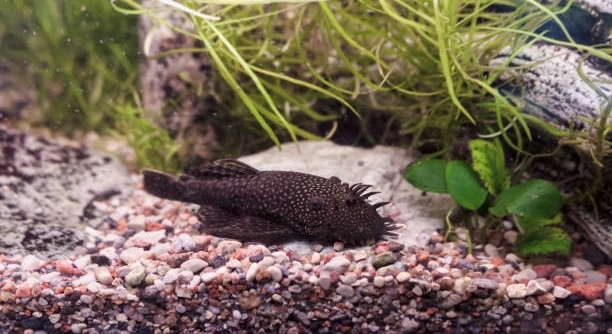
Many fish owners enjoy decorating their aquariums with colorful rocks, plants, and ornaments to create a lively environment. Plecos, however, sometimes avoid certain decorations, leaving some areas of the tank strangely untouched by these bottom-dwelling fish.
Plecos often avoid tank decorations that are sharp, rough, or overly bright, as these features can cause stress or injury. They prefer smooth surfaces, natural hiding spots, and materials that resemble their natural river habitats.
Knowing which decorations plecos favor can help you create a healthier, more comfortable environment for them to explore and rest in.
Why Smooth Surfaces Matter
Plecos are very sensitive to their environment, especially the surfaces they rest on or explore. Rough or sharp decorations can irritate their skin and fins, leading them to avoid those areas entirely. Smooth rocks, driftwood, and rounded ornaments make them feel safer. Many hobbyists overlook how texture affects pleco behavior. They assume fish will use any available space, but plecos are selective. Natural materials often replicate riverbeds, which they instinctively prefer. When decorations are too bright or artificial-looking, plecos may ignore them. They tend to seek low-stress areas, often hiding or resting behind items that feel secure. Properly placed smooth surfaces encourage exploration, feeding, and even social interactions with other tank mates. Observing which decorations your pleco avoids can guide adjustments. Changing textures gradually helps them adapt without adding stress. Over time, a tank with smooth surfaces can increase activity and overall well-being. This attention to detail may seem small but has a big impact on their comfort.
Plecos avoid rough or abrasive decorations because these can cause stress and minor injuries, discouraging them from using certain areas of the tank.
Providing smooth surfaces enhances tank use and allows plecos to display natural behaviors. They spend more time resting, grazing, and exploring when decorations are safe and comfortable. This small adjustment creates a calmer, more balanced environment.
Hiding Spots and Security
Plecos often prefer decorations that offer shelter, such as caves or hollow logs, to open areas without cover.
Hiding spots make plecos feel secure, reducing stress and promoting healthy behaviors. A lack of suitable hiding areas can leave them constantly skittish or withdrawn. Tank decorations that mimic their natural river habitat are most effective. Rounded driftwood, ceramic caves, and thick plants provide comfortable retreats. When placing decorations, it’s important to create multiple hiding options throughout the tank. This ensures plecos feel safe from sudden movements or aggressive tank mates. Shadows and corners also add a sense of security. Some plecos may avoid open, brightly lit areas entirely, preferring shaded zones with shelter nearby. Overcrowding decorations can reduce swimming space, but the right balance encourages them to move freely while having safe spots to retreat. Regularly checking the tank for sharp edges or unstable items ensures they remain stress-free. Observing your pleco’s behavior helps you refine placement, ensuring they use the tank fully and comfortably. With appropriate hiding spaces, plecos are more likely to exhibit natural grazing, resting, and interaction patterns, which are essential for long-term health.
Bright Colors and Artificial Materials
Plecos often ignore decorations that are overly bright or unnatural. They are drawn to muted, natural tones that mimic riverbeds and fallen wood, avoiding flashy plastics or painted ornaments.
Bright or synthetic materials can feel foreign and unsafe. Plecos rely on visual cues to navigate and feel secure. Decorations that contrast sharply with their natural colors may trigger stress or wariness. They often prefer browns, greens, and greys that blend into the tank environment. Overly shiny or reflective surfaces can also cause them to hide or avoid certain areas entirely. Choosing muted, natural-colored decorations helps plecos feel comfortable while exploring and resting. Even small items like ceramic caves or driftwood should resemble natural textures and colors. This approach encourages regular activity and grazing, ensuring the fish use the tank fully. Ignoring the visual comfort of plecos can lead to prolonged hiding or decreased interaction. Careful selection of materials improves their confidence and overall well-being, making tank maintenance easier and more rewarding.
Using natural materials over artificial ones ensures plecos are more relaxed and willing to explore all corners of their tank. Safe, familiar surfaces help reduce stress-related behaviors.
Placement and Space
Proper decoration placement affects pleco behavior significantly. They avoid areas that feel cramped or exposed, preferring strategic corners or spaces with shelter.
Spacing decorations thoughtfully ensures plecos can move freely while having secure hiding spots. Overcrowded tanks can make them feel trapped, reducing swimming and grazing activity. Plecos often stick to the edges or shaded zones if open spaces lack cover. Leaving gaps between rocks, plants, and ornaments allows water flow and natural grazing areas. Driftwood and caves should be positioned to create both shaded retreats and open exploration zones. Observing where plecos spend the most time helps determine the best layout. Sometimes small adjustments, like rotating a log or moving a plant, can make previously unused areas more inviting. Properly arranged spaces reduce stress, encourage natural activity, and give plecos multiple retreat options. Balancing security with freedom in the tank layout ensures they remain active, healthy, and comfortable in their environment.
Sharp Edges and Rough Surfaces
Plecos avoid decorations with sharp edges or rough textures that can scratch their fins or skin. Smooth surfaces are safer and more appealing for resting and grazing.
Even minor abrasions can stress plecos and lead to infections. Rounded rocks, driftwood, and polished ornaments reduce the risk of injury.
Size and Accessibility
Large or poorly positioned decorations can block plecos from entering certain areas. They prefer items they can easily access for hiding or grazing.
Overcrowding Decorations
Too many decorations in a tank can make plecos feel trapped. They need open swimming space alongside hiding spots to feel comfortable.
Consistency in Tank Setup
Plecos respond well to a stable environment. Frequent rearrangements can confuse or stress them, leading to avoidance of new decorations.
FAQ
Why does my pleco avoid certain tank decorations?
Plecos are sensitive to texture, color, and placement. Sharp edges, rough surfaces, and brightly colored or artificial decorations make them feel unsafe. They naturally seek smooth, muted, and natural-looking materials that resemble their river habitats. Even slight differences in texture or color can cause avoidance.
Can plecos get injured by the wrong decorations?
Yes. Decorations with rough edges or sharp points can scratch fins, tails, or skin. These minor injuries can become infected if unnoticed. Smooth driftwood, rounded stones, and ceramic caves are safer choices that encourage plecos to explore without risk.
Do plecos prefer natural or artificial decorations?
Plecos overwhelmingly prefer natural decorations. Driftwood, stones, and plants that mimic riverbeds help them feel secure. Artificial items are usually ignored if they are bright, shiny, or overly smooth in unnatural ways. Even small decorations should look and feel natural to encourage interaction.
How important is hiding space for plecos?
Hiding spots are very important. Plecos feel exposed in open areas and may hide constantly if there are no secure retreats. Multiple caves, logs, and thick plants scattered across the tank provide comfort, reduce stress, and encourage normal behavior like grazing and resting.
Does decoration placement affect pleco behavior?
Absolutely. Crowded or poorly arranged decorations make plecos feel trapped, while thoughtful spacing gives them both shelter and freedom to swim. Placing items with gaps for movement, shaded corners, and multiple retreat points encourages natural exploration and reduces stress-related hiding.
Why do plecos avoid bright-colored decorations?
Bright colors are unnatural and can feel threatening to plecos. They respond better to muted tones like brown, grey, or green, which resemble river environments. Overly vibrant plastics or painted ornaments may cause the fish to hide or ignore certain areas of the tank.
Should I rearrange decorations often?
Frequent rearrangements can stress plecos. They get used to familiar spots and pathways. Changing decorations occasionally is fine, but keep the core hiding spots and familiar textures in place to maintain a sense of security and prevent avoidance behaviors.
How can I encourage plecos to use all areas of the tank?
Use smooth, natural decorations spaced with enough room to swim freely. Include multiple hiding spots in different areas and choose muted colors. Observing behavior and making small adjustments to placement or adding additional shelters can gradually make previously ignored areas more appealing.
Are there decorations plecos will never use?
Some decorations, especially those with sharp edges, unnatural colors, or unfamiliar textures, may never be used. Plecos prioritize safety and comfort over aesthetic appeal. It’s better to focus on natural-looking items that suit their instincts rather than forcing them into exposed areas.
Does water flow affect how plecos use decorations?
Yes. Plecos prefer moderate water flow and may avoid areas with strong currents. Positioning decorations to create calm zones helps them rest and graze safely. Driftwood and plants can also redirect flow, making certain areas more comfortable and encouraging them to explore more of the tank.
Can other fish influence pleco behavior around decorations?
Other tank mates can affect how comfortable plecos feel. Aggressive or overly active fish may cause plecos to hide more frequently. Providing multiple hiding spots and separating open areas from high-traffic zones ensures plecos feel secure while coexisting with other fish.
How long does it take for plecos to adjust to new decorations?
Adjustment time varies. Some plecos explore new items within days, while others take weeks. Gradually introducing decorations and keeping familiar textures and hiding spots helps them acclimate more quickly. Patience is key, as forcing interaction can increase stress.
Is it okay to use synthetic caves or ornaments?
Yes, if they are smooth, free of sharp edges, and resemble natural textures or muted colors. Synthetic decorations should mimic driftwood or rocks rather than being bright or reflective. They can supplement natural materials while keeping plecos safe and comfortable.
How do I know if a decoration is causing stress?
Signs include constant hiding, staying in one corner, avoiding certain areas, or scraping against surfaces. If you notice these behaviors near specific decorations, try replacing or repositioning them. Observing pleco patterns closely can prevent long-term stress and ensure a healthier environment.
What is the best overall strategy for pleco-friendly decorations?
Prioritize smooth, natural-looking items, muted colors, and multiple hiding spots. Arrange decorations to allow free movement and safe retreat areas. Avoid frequent rearrangement and overly bright or sharp objects. Regularly observe behavior and adjust placement to maintain comfort and encourage natural activity throughout the tank.
This FAQ addresses the most common issues with plecos avoiding decorations. By focusing on safety, texture, color, placement, and hiding options, plecos can feel secure, explore freely, and maintain healthy behaviors, making tank management simpler and more rewarding.
Final Thoughts
Creating a comfortable environment for plecos is about understanding their natural instincts and preferences. These fish are bottom-dwellers that spend most of their time exploring, grazing, or resting in secure areas. They are naturally cautious and respond strongly to their surroundings. Decorations that are rough, bright, or poorly placed can make them feel unsafe, causing them to avoid certain areas of the tank. On the other hand, smooth surfaces, muted colors, and accessible hiding spots make a tank more inviting. By paying attention to these small details, you can help your plecos feel at ease, which encourages healthier behavior and more consistent activity. Over time, these choices make a noticeable difference in their comfort and overall well-being.
It is important to remember that plecos are highly individual. While one fish may explore every corner of the tank freely, another might spend most of its time in a single favorite hiding spot. Observing their behavior closely is key. Notice which decorations they use, which areas they avoid, and how they interact with other tank mates. Gradually adjusting the tank based on these observations can improve their comfort. Simple changes, like moving a log, adding a smooth rock, or adjusting plant placement, can encourage them to explore more and reduce stress. Being patient and consistent is essential because plecos may take time to adjust to new decorations or layouts. Their preferences may change slightly as they grow or as the tank environment evolves, so monitoring their behavior and responding appropriately ensures they remain comfortable throughout their life.
Finally, a well-thought-out tank layout benefits not only plecos but the overall aquarium environment. Providing safe surfaces, natural colors, and multiple hiding spots encourages natural behaviors, reduces stress, and helps maintain good health. It also creates a visually appealing and functional setup that supports other fish species in the tank. Understanding what plecos need for security and comfort allows for a more harmonious aquatic environment. Taking the time to choose decorations carefully, observe behavior, and make adjustments when necessary results in a tank that plecos will use fully and enjoy. Small changes in decoration, placement, or color can have a big impact, and focusing on these factors ensures that plecos are safe, active, and thriving in their home. By keeping their preferences in mind, you create an aquarium where plecos feel secure, explore freely, and display their natural behaviors, making both the fish and the aquarium more rewarding to maintain.

Hello,
If you enjoy the content that we create, please consider saying a "Thank You!" by leaving a tip.
Every little bit helps us continue crafting quality advice that supports the health, happiness, and well-being of pets around the world, for pets of all shapes, sizes, and species.
We really appreciate the kindness and support that you show us!