
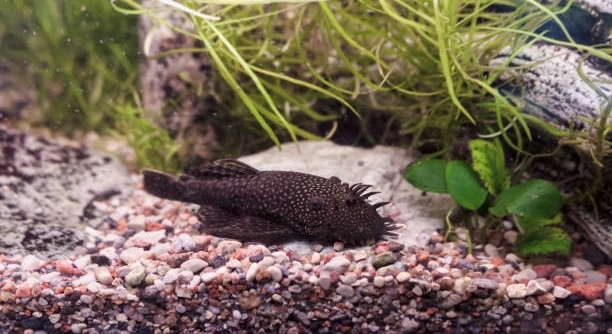
Do you ever find yourself worried that your pleco seems stressed, hiding too often, or acting differently in its tank?
The most common reason your pleco becomes stressed is due to improper tank conditions and care mistakes. Issues such as poor water quality, inadequate hiding spaces, incorrect diet, or incompatible tank mates can cause ongoing stress and health problems.
Learning what triggers stress in your pleco will help you create a calmer, healthier environment where your fish can thrive peacefully.
Poor Water Quality
Maintaining clean water is essential for your pleco’s health. Dirty or unbalanced water can lead to stress, illness, and even premature death. Plecos are sensitive to ammonia, nitrites, and nitrates, which build up quickly in small or overcrowded tanks. Regular testing of water parameters is important to ensure a safe environment. Sudden changes in temperature or pH can shock your pleco, triggering erratic behavior. Using a reliable filtration system helps remove debris and toxins. Partial water changes, ideally weekly, support healthy water chemistry. Avoid overfeeding, as leftover food decomposes and worsens water quality. Plecos are bottom feeders, so leftover pellets and vegetables can accumulate at the tank’s bottom, affecting cleanliness. Removing excess waste and uneaten food regularly will reduce stress. Providing a stable, clean habitat allows your pleco to feed, rest, and explore without constant anxiety, promoting longevity and overall well-being.
Regular water tests and cleaning can prevent most stress-related behaviors in plecos and keep the tank stable.
Consistency in water conditions is crucial. Avoid abrupt changes, and always acclimate new water slowly. Using a high-quality filter combined with careful monitoring reduces toxins, creating a peaceful environment. Plecos thrive in stable temperatures, moderate flow, and clean substrate. When water is well-maintained, your pleco will display natural behaviors like grazing algae and resting in hiding spots. Observing your pleco daily helps detect early signs of stress, such as rapid gill movement or hiding more than usual. Adjustments in diet, tank decor, and water parameters can correct many stress issues. Overall, clean water and careful observation ensure your pleco remains healthy and active.
Lack of Hiding Places
Plecos need places to hide and feel secure. A tank without caves or driftwood can increase stress levels.
Providing sufficient hiding spots is essential. Plecos retreat when they feel threatened, and hiding spaces allow them to rest safely.
Hiding places mimic the natural environment of plecos, giving them confidence and comfort. Driftwood, rocks, and PVC tubes can serve as shelters. Without these, plecos may spend most of their time in the open, increasing stress and reducing feeding activity. Hiding spots also reduce aggression from tank mates. Multiple shelters allow plecos to choose where they feel safest. Ensuring enough space between hiding spots prevents territorial conflicts and encourages natural exploration. Observing which areas your pleco prefers can guide tank arrangement. A properly decorated tank supports both physical health and emotional stability, making your pleco more active during the day and calmer overall. Regularly rearranging or adding new hiding spaces can keep your pleco engaged and reduce boredom, promoting a stress-free environment.
Overfeeding
Overfeeding plecos can cause stress and water issues. Uneaten food decomposes, raising ammonia and nitrate levels, which harm your fish.
Feeding too much is a common mistake. Plecos are slow eaters and may not finish large portions immediately. Overfeeding increases waste, leading to poor water quality and potential illness. Uneaten food can sit on the substrate, attracting bacteria and affecting the tank’s balance. A small, measured amount of vegetables or sinking pellets once a day is sufficient. Watching how much your pleco consumes helps adjust portions and prevents leftovers. Maintaining a consistent feeding schedule supports digestion and reduces stress, allowing plecos to remain active and healthy. Overfeeding not only affects water quality but can also cause obesity, liver problems, and reduced lifespan, making proper portioning essential for their long-term well-being.
Feeding your pleco properly means offering just enough food daily, observing consumption, and removing any leftovers immediately. This simple routine supports both water quality and fish health, keeping stress low and behavior natural.
Incompatible Tank Mates
Aggressive or fast-moving fish can stress plecos, leading to hiding or refusal to eat. Avoid combining plecos with overly territorial species.
Plecos need calm neighbors. Active or aggressive tank mates can chase, nip, or compete for food, creating constant stress. Even small disturbances, like fish darting near hiding spots, can prevent plecos from resting. Choosing compatible species, such as peaceful tetras or other non-aggressive community fish, reduces stress and allows plecos to establish their territory comfortably. Observation is key; monitor interactions and separate problematic fish if needed. A harmonious tank ensures plecos feed, explore, and display natural behaviors without fear. Stress from incompatible neighbors can also weaken the immune system, increasing susceptibility to disease.
Careful planning of tank mates creates a balanced environment. Plecos thrive alongside peaceful species, with adequate space and multiple hiding areas. Providing separation zones and observing behavior helps prevent conflict. Overcrowding can intensify aggression, so maintaining proper stocking levels is important. Pairing plecos with compatible fish ensures both active and resting periods, reducing stress and promoting long-term health. Proper selection of companions and ongoing monitoring creates a stable ecosystem where plecos can flourish naturally.
Sudden Temperature Changes
Plecos are sensitive to rapid shifts in water temperature, which can cause stress and illness. Avoid abrupt changes when adding water or adjusting heaters.
Maintaining a stable temperature is crucial. Use a reliable heater and thermometer to keep the water within the species’ preferred range. Gradual adjustments prevent shock and keep plecos comfortable.
Poor Diet
A diet lacking variety can stress plecos and weaken their immune system. Provide a mix of algae, vegetables, and sinking pellets to meet nutritional needs.
Overcrowded Tank
Too many fish in one tank increases competition for food and hiding spots. Overcrowding creates constant stress and can harm pleco health.
FAQ
How often should I change my pleco’s water?
Partial water changes should be done weekly, replacing about 20–30% of the tank water. This helps maintain stable water parameters and reduces the buildup of ammonia, nitrites, and nitrates. More frequent changes may be necessary if the tank is small, heavily stocked, or if overfeeding occurs. Using dechlorinated water at the same temperature as the tank prevents sudden shocks. Regular testing of water quality ensures changes are effective and your pleco stays healthy.
What is the ideal temperature for a pleco?
Most plecos thrive in water between 74°F and 80°F (23°C–27°C). Sudden drops or spikes in temperature can stress them, affecting their appetite and behavior. Use a reliable heater and thermometer to maintain consistency, and avoid placing the tank near drafts, windows, or direct sunlight that can cause fluctuations.
How do I know if my pleco is stressed?
Signs of stress include hiding more than usual, refusing food, rapid gill movement, erratic swimming, and clamped fins. A stressed pleco may also show pale coloration or scrape itself against tank surfaces. Observing daily behavior helps detect early signs, allowing timely interventions like adjusting tank conditions, water quality, or feeding routines.
Can plecos live with other fish?
Yes, but tank mates must be chosen carefully. Avoid aggressive or fast-moving species that can chase or nip plecos. Peaceful community fish like tetras, gouramis, or small rasboras usually coexist well. Provide sufficient hiding spots to reduce territorial stress and ensure each fish has space to feed and rest comfortably.
How much should I feed my pleco?
Plecos require small, controlled portions. Feed once daily with sinking pellets, vegetables like zucchini or cucumber, and occasional algae wafers. Remove uneaten food promptly to prevent water contamination. Overfeeding can lead to obesity, water quality issues, and stress, so monitoring consumption is essential for their well-being.
Do plecos need hiding places?
Absolutely. Caves, driftwood, and PVC tubes provide security and reduce stress. Multiple hiding spots prevent territorial disputes and allow plecos to rest without disturbance. Observing preferred areas can help optimize tank layout for comfort. Without shelters, plecos may remain in constant hiding or show signs of anxiety.
How big should my pleco’s tank be?
Tank size depends on the species. Common plecos can grow over a foot long and need at least 75 gallons. Overcrowding leads to stress, aggression, and poor water quality. Adequate space, combined with hiding areas and proper filtration, allows plecos to move freely, feed naturally, and remain healthy.
What should I do if my pleco scratches itself?
Scratching or rubbing against surfaces often indicates poor water quality, parasites, or stress. Test water parameters immediately and adjust as needed. Inspect for external parasites and consider treatment if detected. Improving hiding spots and reducing tank disturbances can also alleviate this behavior.
How often should I clean the tank substrate?
Substrate should be gently cleaned weekly or during water changes to remove leftover food and waste. Avoid deep vacuuming that disrupts beneficial bacteria. Keeping the substrate clean helps maintain water quality, reduces stress, and prevents disease outbreaks.
Can plecos eat only algae?
No, plecos need a varied diet. Algae alone lacks sufficient nutrients. Supplement with vegetables, algae wafers, and occasional protein sources for balanced nutrition. A mixed diet supports growth, immune health, and natural behavior while reducing stress from malnutrition.
Is it normal for plecos to hide all day?
Yes, hiding is natural, especially for nocturnal species. However, constant hiding combined with refusal to eat or other stress signs may indicate water issues, tank mates conflicts, or illness. Monitoring behavior helps distinguish normal rest from stress-induced hiding.
How do I acclimate a new pleco?
Float the bag in the tank for 15–20 minutes to equalize temperature. Gradually add small amounts of tank water to the bag over 30–60 minutes before release. Slow acclimation reduces stress and prevents shock from temperature, pH, or water chemistry differences.
Can plecos survive in a community tank without algae?
They can survive but won’t thrive on algae alone. Supplement with vegetables and sinking pellets to meet nutritional needs. A diet lacking variety may cause stress, slow growth, and health problems over time. Regular monitoring ensures they get enough food daily.
Why is my pleco losing color?
Fading coloration often signals stress, poor water quality, or improper diet. Check water parameters, feeding habits, and tank mates. Correcting these factors usually restores normal color. Stress from overcrowding, sudden temperature changes, or lack of hiding spaces can also contribute to dull coloration.
How can I reduce pleco stress from tank decorations?
Provide multiple hiding spots, ensure decorations are stable, and avoid sharp edges that can injure your pleco. Rearranging decor gradually rather than all at once prevents sudden stress. Observing pleco behavior helps determine if certain decorations cause anxiety.
How long do plecos live?
With proper care, many plecos live 10–15 years or more. Stable water conditions, a balanced diet, sufficient space, and low-stress environments are essential for longevity. Early attention to stressors and consistent monitoring improve lifespan and overall health.
Are plecos nocturnal?
Most plecos are nocturnal, becoming active at night. They feed and explore more in low light. Providing dim lighting or hiding spaces during the day supports natural patterns and reduces stress. Observing nocturnal behavior helps ensure the tank environment meets their needs.
Can plecos get sick from stress?
Yes, stress weakens the immune system, making plecos more susceptible to infections, parasites, and other illnesses. Maintaining stable water conditions, proper diet, and compatible tank mates reduces stress and supports overall health, preventing common diseases associated with chronic stress.
What signs indicate my pleco is healthy?
A healthy pleco actively grazes, explores, and has clear eyes and firm fins. Normal coloration, regular feeding, and consistent behavior indicate good health. Early detection of deviations allows for timely intervention and prevents long-term issues.
How do I prevent pleco stress long-term?
Maintain clean, stable water, provide hiding spaces, feed a balanced diet, and choose compatible tank mates. Monitor behavior and make adjustments when needed. Consistency in care reduces stress, promotes natural behavior, and ensures your pleco thrives for years.
Word count: 507
Final Thoughts
Caring for a pleco requires attention to detail and a consistent approach to tank management. These fish are hardy but sensitive, and small mistakes can quickly lead to stress. Maintaining clean water, providing appropriate hiding spaces, feeding the right portions, and selecting compatible tank mates are essential steps to ensure a healthy and comfortable environment. Plecos rely on stable conditions and predictable routines, so sudden changes in temperature, water chemistry, or tank setup can affect their behavior and health. Observing daily behavior is a practical way to notice early signs of stress, such as hiding excessively, refusing food, or showing unusual activity. By responding promptly to these changes, you can prevent more serious problems and create a space where your pleco can thrive naturally.
Diet plays a major role in reducing stress and supporting overall health. Plecos are bottom feeders and need a variety of foods, including vegetables, algae wafers, and occasional protein sources. Overfeeding can create water quality issues, while underfeeding can lead to malnutrition and anxiety. Watching your pleco during feeding times helps you adjust portions and ensures that leftovers do not accumulate in the tank. A well-balanced diet not only strengthens the immune system but also encourages natural behaviors like grazing and exploring. Providing proper nutrition in combination with stable tank conditions is one of the most effective ways to reduce stress and improve longevity.
Long-term care for plecos is about creating a consistent and comfortable environment. Stability in temperature, water chemistry, and tank layout is crucial. Multiple hiding places, gentle water flow, and low-stress tank mates allow plecos to rest, feed, and interact naturally. Even small changes, such as introducing new tank decorations or rearranging existing ones, should be done gradually to avoid sudden stress. Monitoring water quality, feeding habits, and behavior over time helps identify potential problems before they escalate. By following these practices, you ensure that your pleco remains active, healthy, and stress-free. Paying attention to these details may seem simple, but it makes a significant difference in your pleco’s well-being, creating an environment that encourages natural behaviors and promotes long-term health.
Word count: 410

Hello,
If you enjoy the content that we create, please consider saying a "Thank You!" by leaving a tip.
Every little bit helps us continue crafting quality advice that supports the health, happiness, and well-being of pets around the world, for pets of all shapes, sizes, and species.
We really appreciate the kindness and support that you show us!