
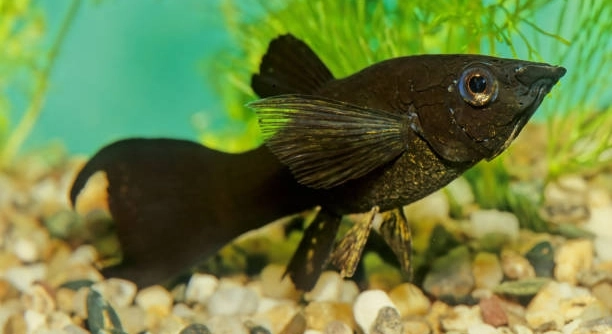
Do you ever find yourself setting up your aquarium and worrying about the right temperature for your fish? Black mollies are popular for their beauty and peaceful nature in home tanks. Their care seems simple at first glance.
Black mollies can survive without a heater in stable, room-temperature environments, but prolonged exposure to cold or fluctuating temperatures may stress them, reduce immunity, and affect growth and reproduction. Maintaining a moderate, consistent temperature is recommended for optimal health.
Understanding how temperature affects black mollies will help you create a safer and more comfortable home for them in your aquarium.
Understanding Black Molly Temperature Needs
Black mollies are tropical fish that naturally thrive in warmer waters. In their native habitats, water temperatures range between 72°F and 82°F. In a home aquarium, they can tolerate slightly cooler conditions, but sudden drops or constant cold can be harmful. Without a heater, keeping water within a safe range can be challenging, especially during colder months. Their metabolism slows down in low temperatures, making them less active and more prone to disease. Observing their behavior closely is essential if you choose not to use a heater. Signs of stress include sluggish swimming, loss of appetite, and clamped fins. Even minor fluctuations can affect their reproduction and overall health. To maintain stability, consider insulating the tank or using a reliable thermometer to monitor changes. Creating an environment that mimics natural conditions as closely as possible will help black mollies remain healthy and lively. Consistency in temperature is more critical than hitting an exact number every day.
Keeping the water moderately warm without a heater is possible with proper monitoring and adjustments to your home environment.
Even without a heater, small changes can make a big difference. Placing the tank away from drafts, windows, or air conditioners helps reduce temperature swings. Using room heaters or indirect heat sources can keep water more stable. Regularly checking the thermometer ensures that conditions remain within a safe range. Additionally, tank size plays a role—larger volumes of water resist temperature changes better than small tanks. Plants and decorations can also slightly buffer temperature changes by adding thermal mass. Feeding and maintenance schedules should consider seasonal changes, as fish metabolism will vary with temperature. While heaters are convenient, careful planning can allow black mollies to survive in room-temperature water, though it requires more attention. Observing fish daily helps detect issues early, ensuring they stay healthy even without artificial heating.
Adjusting Care Without a Heater
Even small adjustments can improve your mollies’ comfort in cooler water.
Room temperature control, tank placement, and regular monitoring are essential. If water dips too low, black mollies may become weak and more vulnerable to illness. Slow acclimation to temperature changes helps them adjust naturally. Adding live plants or floating decor can provide microclimates within the tank, offering slightly warmer areas for them to explore. Avoid overcrowding, which can increase stress and sensitivity to temperature fluctuations. Choosing tankmates that tolerate similar temperatures prevents conflicts and additional stress. Proper filtration and aeration maintain water quality, supporting immune health during cooler periods. Feeding smaller, frequent meals ensures energy levels remain stable, even when their metabolism slows. Regular observation allows for early detection of any behavioral changes, helping to prevent serious health issues. While maintaining an ideal temperature is easier with a heater, these strategies allow black mollies to remain active and healthy, even without one. Careful planning and daily attention make a noticeable difference in their well-being.
Signs Your Black Molly Is Uncomfortable
Sluggish swimming, hiding, and reduced appetite often indicate that water is too cold. Clamped fins and pale coloration are additional signs that temperature stress is affecting your mollies’ health.
Cold water slows metabolism and weakens the immune system. Black mollies may eat less, move slower, and avoid social interactions. Over time, this can stunt growth and increase susceptibility to infections. Observing behavior daily helps identify stress early. Water temperature should remain stable, avoiding sudden drops that can trigger shock. Even small adjustments like moving the tank away from cold drafts can improve activity and mood. Monitoring changes carefully allows you to maintain a healthy environment.
Behavioral changes can be subtle at first. Mollies may cluster near warmer areas of the tank or stay at the surface more often. Feeding response, coloration, and interaction with tankmates are useful indicators. By paying attention, you can make timely adjustments to water temperature and care routines, reducing stress and keeping fish active.
Methods to Maintain Comfort Without a Heater
Proper placement and insulation help keep tank temperature stable. Drafts, direct sunlight, and air conditioning can cause fluctuations that affect mollies.
Using thicker tank walls, covering the back and sides with insulation, and placing the aquarium on a stable surface reduce heat loss. Room temperature control, such as maintaining a warmer ambient environment, complements these efforts. Live plants can buffer small temperature changes and provide microclimates. Small adjustments like covering the top at night can prevent heat escape. Even without a heater, these combined strategies create a more stable environment. Daily observation ensures mollies remain active and healthy.
Choosing Tankmates Carefully
Black mollies do best with fish that tolerate similar temperatures. Aggressive or cold-sensitive species can stress them, making temperature management harder.
Peaceful fish that thrive in 70–78°F waters complement mollies well. Avoid overcrowding to reduce stress and maintain water quality.
Feeding and Nutrition Adjustments
In cooler water, mollies’ metabolism slows, so feeding smaller, more frequent meals is better. Overfeeding can pollute water, while underfeeding weakens them. Providing a varied diet with quality flakes, frozen foods, and occasional live options ensures essential nutrients. Observing their eating habits helps adjust portions based on activity and appetite.
Monitoring Water Quality
Regular checks of ammonia, nitrite, and nitrate levels remain crucial. Temperature changes can affect filtration efficiency, so consistent testing helps prevent health problems.
FAQ
Can black mollies survive in room-temperature water year-round?
Black mollies can survive in room-temperature water, typically between 70°F and 75°F, if the environment remains stable. However, prolonged exposure to cooler or fluctuating temperatures may stress them. Consistent monitoring and small adjustments, like tank placement away from drafts, are necessary to keep them healthy.
What signs show that black mollies are too cold?
Behavioral changes are the first indicators. Sluggish swimming, hiding, loss of appetite, clamped fins, and pale coloration suggest they are uncomfortable. Some may cluster near warmer areas or stay near the surface. Monitoring these signs daily helps detect problems early and adjust the tank environment.
Do black mollies need a heater in summer?
During warmer months, a heater is generally unnecessary if room temperature remains within their safe range. Natural ambient temperatures may keep water stable. However, rapid drops at night or during air conditioning use may still stress fish, so careful observation is important.
How can I maintain stable water temperature without a heater?
Tank placement is key. Avoid windows, doors, and air conditioning vents. Using tank insulation, thicker walls, or covering the top at night reduces heat loss. Live plants and decorations create microclimates. Room temperature control and consistent monitoring ensure stability. Small, incremental adjustments are better than drastic changes.
What foods are best for black mollies in cooler water?
In lower temperatures, their metabolism slows, so feeding smaller, more frequent meals is ideal. A balanced diet of high-quality flakes, frozen foods like brine shrimp or daphnia, and occasional live foods provides essential nutrients. Adjust portions based on appetite and activity levels.
Can black mollies reproduce without a heater?
Reproduction is possible but may be less frequent in cooler water. Warmer, stable conditions encourage breeding and faster fry growth. If temperatures drop too low, eggs may fail to develop properly. Observation and minor environmental adjustments can improve reproductive success.
How often should I check water parameters without a heater?
Daily observation is important, but water testing for ammonia, nitrites, nitrates, and pH should be done at least once a week. Temperature fluctuations can affect filtration and fish health. Keeping records of readings helps detect trends and prevent problems.
Are there tankmates that are better suited for unheated tanks?
Yes, choose peaceful species that tolerate similar temperatures, such as guppies, platies, and some danios. Avoid aggressive or cold-sensitive species that could stress black mollies. Overcrowding should be avoided, as it increases stress and water quality issues.
Will black mollies become more active in warmer areas of the tank?
Yes, black mollies often seek slightly warmer zones, such as near decorations, live plants, or the water surface. Observing their movement can indicate temperature preferences and help you identify areas needing adjustment to maintain comfort.
Is a heater ever absolutely necessary for black mollies?
A heater is not strictly required if room temperature is consistently within their safe range. However, during colder months or in rooms with fluctuating temperatures, a heater ensures stability, reduces stress, and promotes growth, reproduction, and overall health.
Black mollies are relatively hardy fish, but temperature plays a major role in their overall health and happiness. While they can survive without a heater in stable, room-temperature conditions, attention to their environment is important. Cold or fluctuating water can cause stress, reduce activity, and weaken their immune system, making them more prone to disease. By observing their behavior and maintaining consistent conditions, it is possible to keep them healthy without relying on a heater. Small adjustments, such as moving the tank away from drafts or insulating the aquarium, can make a significant difference in maintaining a comfortable environment for your fish. Even minor changes in placement, water volume, and room temperature can help stabilize conditions and reduce stress, which is critical for their well-being.
Feeding and care routines should also reflect the absence of a heater. In cooler water, mollies’ metabolism slows, so smaller, more frequent meals are better than larger portions. A varied diet that includes quality flakes, frozen foods, and occasional live foods provides the necessary nutrients without overloading the system. Monitoring their appetite and activity levels will give clues about their comfort and health. Additionally, water quality management becomes even more important when temperatures are not actively controlled. Filtration, regular water changes, and monitoring ammonia, nitrite, and nitrate levels help maintain a stable environment. By keeping water clean and free from pollutants, you reduce the risk of illness and provide a safer, more comfortable home for your mollies.
Behavioral observation is key to keeping black mollies happy without a heater. Sluggish movement, hiding, clamped fins, or pale coloration can indicate stress or discomfort, and adjustments should be made promptly. Providing a stable temperature range, proper tankmates, and sufficient space allows them to thrive naturally. While using a heater is convenient and provides consistent warmth, careful management of tank placement, insulation, and feeding routines can compensate for its absence. Many aquarists successfully maintain black mollies in unheated tanks by closely monitoring their environment and making incremental improvements when needed. With attention and care, black mollies can live healthy, active lives without a heater, as long as their needs for stability, nutrition, and clean water are met.

Hello,
If you enjoy the content that we create, please consider saying a "Thank You!" by leaving a tip.
Every little bit helps us continue crafting quality advice that supports the health, happiness, and well-being of pets around the world, for pets of all shapes, sizes, and species.
We really appreciate the kindness and support that you show us!