
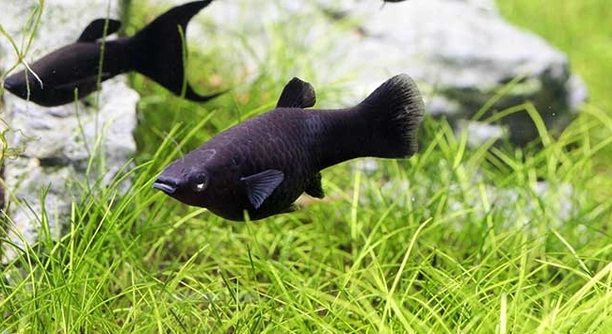
Black Molly fish are small, calm, and striking creatures often kept in home aquariums. Their shiny black bodies make them stand out, and they are known for being hardy and adaptable in different water conditions.
Black Molly fish are a freshwater species that exhibit remarkable resilience and versatility. They thrive in various water conditions, display unique social behaviors, and are recognized for their distinct coloration and active swimming patterns within community tanks.
Learning about these fascinating fish can enhance your care routine and help you appreciate their unique qualities in an aquarium setting.
Origin and Habitat
Black Molly fish originally come from Central America, mainly Mexico and parts of Florida. They naturally live in slow-moving rivers, coastal waters, and freshwater lagoons. These fish have adapted to survive in varying water conditions, including brackish and slightly salty water, which makes them very versatile for home aquariums. In their natural habitat, they feed on algae, small insects, and plant matter. Their hardy nature allows them to tolerate a range of temperatures and water parameters that many other species cannot withstand. This adaptability is one reason they are widely kept by people in aquariums. Observing them in a tank, you can see their active swimming patterns, and they often interact peacefully with other small fish species. Black Mollies are also livebearers, meaning they give birth to free-swimming young rather than laying eggs, which helps them thrive in the wild. Their natural coloration is usually solid black, but selective breeding has produced variations with different patterns and shades.
Their ability to survive in different water types makes them highly suitable for beginner aquarists looking for low-maintenance fish.
Keeping Black Mollies in a tank that mimics their natural environment helps them display normal behaviors. By including plants, hiding spaces, and moderate water flow, you can encourage them to swim freely and interact. Feeding them a balanced diet of algae wafers, flakes, and occasional live food supports their health and enhances their color. Regular water changes and maintaining stable temperature and pH levels ensure long-term survival. Black Mollies are social fish, so keeping them in small groups allows for more natural interaction and reduces stress. Understanding their habitat preferences and natural diet makes it easier to replicate a suitable environment at home, which improves their overall well-being and lifespan in captivity.
Lifespan and Growth
Black Molly fish can live up to five years with proper care.
They grow slowly and usually reach around three inches in length, depending on diet and environment. Their lifespan is influenced by water quality, nutrition, and social conditions in the tank. Maintaining stable water conditions is essential, as sudden changes can stress them and reduce their longevity. Black Mollies mature quickly, often becoming sexually active within six months. This means you might notice baby fish appearing in your tank if males and females are present. Their growth can also be affected by tank size; smaller tanks may stunt development, while larger, well-maintained tanks support healthier, longer lives. Providing a balanced diet rich in proteins and minerals helps maintain proper growth and vibrant color. Observing their size and activity over time gives insight into their overall health. Keeping track of water parameters, such as pH, hardness, and temperature, ensures they remain in an environment conducive to long life. Regular monitoring of tank mates also prevents aggression and stress, further supporting their natural lifespan.
Would you like me to continue with the next two sections following this same format?
Diet and Feeding
Black Molly fish eat a mix of plant and animal matter, making them omnivores. They enjoy algae, flakes, small insects, and occasional live foods.
Providing a balanced diet is essential for their health and color. Algae wafers, high-quality fish flakes, and small portions of brine shrimp or daphnia keep them active. Overfeeding can cause water problems, so portion control is important. Feeding twice a day in small amounts ensures they consume everything without polluting the tank. Fresh vegetables like blanched spinach or zucchini can be offered weekly, supporting digestion. Watching their eating habits helps detect health issues early, as changes in appetite often indicate stress or illness.
Black Mollies also benefit from occasional protein-rich treats. These help maintain growth and boost their immune system. Rotating foods ensures they get essential nutrients while preventing boredom. Vegetables contribute fiber and aid digestion, reducing the risk of constipation. Their diet should mimic natural feeding habits, with a mix of plant and animal sources, creating variety and improving overall well-being. By observing their reactions to different foods, you can adjust portions and types to suit their preferences, keeping them healthy and vibrant.
Tank Setup
A well-maintained tank improves Black Mollies’ health and reduces stress. Proper filtration, temperature, and water quality are key.
A 20-gallon tank or larger is ideal for a small group, providing enough space to swim freely. Moderate water flow mimics natural conditions, and a heater keeps the temperature stable between 72–78°F. Including live plants, hiding spots, and smooth decorations gives shelter and enrichment. Substrate can be sand or fine gravel to allow natural foraging. Regular water testing maintains pH between 7.0 and 8.5, while weekly partial water changes remove waste and prevent toxins. Avoid overcrowding to reduce aggression and stress. Tank mates should be peaceful, similar-sized fish to ensure harmony. Monitoring behavior, growth, and appearance helps detect early signs of illness or environmental issues.
Proper lighting and a consistent day-night cycle support natural behaviors. Plants also improve water quality by absorbing nitrates. Combining these factors creates a stable environment where Black Mollies can thrive, display natural behaviors, and maintain their glossy black coloration. Regular maintenance prevents algae overgrowth and keeps the tank visually appealing while ensuring long-term fish health. Planning tank layout with sufficient open swimming space and shelter ensures they feel secure. Observing interactions among tank mates allows adjustments to prevent conflict. Overall, attention to tank setup directly influences their lifespan, activity, and happiness.
Breeding and Reproduction
Black Molly fish are livebearers, giving birth to free-swimming young rather than laying eggs. Females can produce multiple batches of fry in a single month under optimal conditions.
Males are smaller and have a specialized fin called a gonopodium for fertilization. Keeping a ratio of two to three females per male reduces stress and ensures successful breeding without overwhelming females.
Social Behavior
Black Mollies are peaceful and social fish. They enjoy living in groups, which helps reduce stress and encourages natural swimming patterns. Aggression is rare when they are kept with similar-sized, non-aggressive species.
Color Variations
Black Mollies naturally have solid black coloration, but selective breeding has produced shades with patterns and metallic tones. These variations can add visual interest to a home aquarium while maintaining the species’ hardiness.
Health and Care
Maintaining clean water, balanced diet, and proper tank conditions prevents common health problems. Regular observation helps identify early signs of disease, ensuring timely care and treatment.
FAQ
How often should I feed Black Molly fish?
Black Mollies should be fed small amounts two times a day. Overfeeding can pollute the tank and stress the fish. A mix of high-quality flakes, algae wafers, and occasional live foods like brine shrimp ensures balanced nutrition. Fresh vegetables like blanched zucchini or spinach once a week help digestion.
Can Black Mollies live with other fish?
Yes, they are peaceful and do well with other non-aggressive species of similar size. Avoid large or aggressive fish that may stress or injure them. Keeping them in small groups encourages natural social behaviors and reduces stress in a community tank.
What water conditions do they need?
Black Mollies thrive in slightly hard water with a pH between 7.0 and 8.5. The temperature should be stable, ideally between 72–78°F. They can tolerate brackish water but freshwater is sufficient in a home aquarium. Regular partial water changes maintain cleanliness and prevent toxin buildup.
How big do Black Mollies get?
They usually grow to about three inches in length. Proper diet, water quality, and tank size affect growth. Overcrowded or small tanks can stunt their development. Observing size and activity helps gauge their health over time.
How long do they live?
With proper care, Black Mollies can live up to five years. Stable water conditions, balanced nutrition, and a peaceful environment support their lifespan. Stress, poor diet, or sudden water changes can reduce longevity, so monitoring their environment is crucial.
Do Black Mollies breed easily?
Yes, they are livebearers and can produce fry frequently. Maintaining a ratio of two to three females per male prevents excessive stress on females. Fry should be separated or protected with plants to avoid being eaten by adults. Proper nutrition helps females produce healthy young.
What are common health issues?
Black Mollies are hardy but can develop fin rot, ich, or swim bladder problems if water quality is poor. Maintaining clean water, avoiding overfeeding, and observing behavior can prevent illness. Quarantining new fish before adding them to the tank reduces the risk of introducing disease.
Do they need a heater in the tank?
A heater is recommended to maintain a stable temperature, especially in cooler climates. Keeping water between 72–78°F ensures optimal activity, feeding, and breeding. Sudden temperature changes can stress the fish and make them prone to illness.
How do I maintain their color?
A varied diet with high-quality flakes, live food, and vegetables helps keep their black coloration rich. Good water quality and minimal stress also contribute. Sunlight or proper aquarium lighting enhances natural color without causing algae overgrowth.
What tank size is ideal?
A minimum of 20 gallons is recommended for a small group. Larger tanks provide more swimming space and reduce aggression. Open areas for swimming combined with plants and hiding spots mimic their natural environment, promoting natural behavior and overall well-being.
Can Black Mollies live in brackish water?
Yes, they can tolerate light brackish conditions, but freshwater is sufficient. Gradual acclimation is needed if switching water types. Stable salinity levels help prevent stress and maintain health.
How often should I clean the tank?
Partial water changes of 20–30% weekly keep water clean and reduce toxin buildup. Filter maintenance and substrate cleaning prevent waste accumulation. Regular monitoring ensures a safe, healthy environment for Black Mollies.
Are they suitable for beginners?
Yes, their hardiness, peaceful nature, and adaptability make them ideal for beginners. Proper feeding, water maintenance, and observing social behavior are enough to keep them healthy. Their active swimming and vibrant black color are rewarding to watch.
Can Black Mollies live in outdoor ponds?
In mild climates, they can survive in outdoor ponds with stable water temperatures and protection from predators. Seasonal temperature changes may require moving them indoors to prevent stress or death. Proper pond filtration is necessary to maintain water quality.
Do they interact with humans?
While they do not recognize individuals, they are curious and will swim near the glass when people approach. Regular observation allows you to notice changes in behavior, which can indicate health or environmental issues.
What plants are best for their tank?
Live plants like Java fern, hornwort, and anubias provide shelter and improve water quality. Floating plants create shade and hiding spots for fry. Plants reduce stress and mimic natural conditions, encouraging normal swimming and feeding behaviors.
How can I prevent fry from being eaten?
Provide dense plants or breeding boxes to protect fry. Separating adults temporarily can increase survival. Monitoring female health ensures fry are produced in good condition, improving overall breeding success.
Are Black Mollies sensitive to pH changes?
They tolerate a slightly broad pH range, but sudden fluctuations can stress them. Gradual adjustments are better than large changes. Maintaining consistent water chemistry supports immune function, coloration, and breeding success.
Can I keep different types of Mollies together?
Yes, Black Mollies can live with other Molly varieties. Ensuring similar size and temperament avoids competition or aggression. Mixing types adds visual diversity while keeping care requirements consistent.
What should I do if a fish becomes sick?
Isolate sick fish in a quarantine tank. Test water for quality, check for parasites, and provide appropriate treatment. Observing behavior, appetite, and appearance helps detect problems early, improving chances of recovery.
Would you like me to continue with the next section of the article?
Black Molly fish are among the most adaptable and visually appealing freshwater fish you can keep in a home aquarium. Their solid black coloration and calm nature make them easy to enjoy without needing complex care routines. They thrive in a variety of water conditions, which allows them to adjust well to different tank setups. This makes them a practical choice for people who are new to fishkeeping, as well as for more experienced aquarists looking for a resilient and low-maintenance species. Despite their simplicity, Black Mollies are active swimmers and can bring life and movement to a tank, interacting naturally with other peaceful fish. Providing them with a stable environment, appropriate tank size, and balanced nutrition ensures they remain healthy, active, and visually striking for years.
Breeding Black Mollies is relatively straightforward due to their livebearing nature. Females give birth to free-swimming fry, and maintaining a good male-to-female ratio reduces stress and supports successful reproduction. While their fry may require protection from adults or dense plants to survive, having a small group in a tank can be rewarding for observing natural behaviors. Their social habits mean they generally do well in groups, and they often display peaceful interactions with other compatible species. Monitoring water parameters, maintaining clean conditions, and providing a mix of plant-based and protein-rich foods are all essential aspects of their care. These simple steps create an environment that supports both adult fish and young, promoting long-term health and stability in the aquarium.
Overall, keeping Black Mollies is both enjoyable and manageable. Their hardiness, peaceful temperament, and adaptability make them a reliable choice for many aquarists. Paying attention to water quality, diet, and tank setup ensures that they continue to thrive and maintain their distinctive appearance. Observing their activity and social behavior can also be very satisfying, as they often display curiosity and interact with their surroundings. While they are not demanding fish, providing proper care helps prevent health issues and allows you to fully appreciate their unique qualities. Black Mollies are a versatile and rewarding species, offering both aesthetic value and a straightforward care experience in any home aquarium.

Hello,
If you enjoy the content that we create, please consider saying a "Thank You!" by leaving a tip.
Every little bit helps us continue crafting quality advice that supports the health, happiness, and well-being of pets around the world, for pets of all shapes, sizes, and species.
We really appreciate the kindness and support that you show us!