
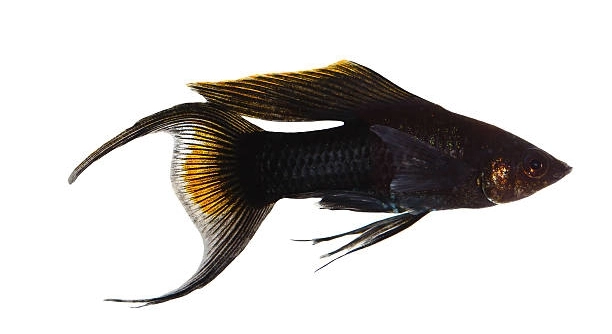
Are your Black Molly fish swimming unevenly or showing signs of stress in their tank? Tank imbalance can affect their health, behavior, and overall enjoyment of your aquarium setup. Recognizing the problem early helps prevent long-term issues.
Fixing a Black Molly tank imbalance involves addressing water quality, diet, stocking levels, and environmental enrichment. Ensuring proper filtration, temperature, and pH stability, while maintaining consistent feeding routines, creates a healthier and more balanced habitat for your fish.
Maintaining the right conditions keeps your fish active and vibrant, while also preventing potential health complications in your aquarium.
Check Water Parameters
Keeping water stable is essential for Black Molly health. Test pH, ammonia, nitrite, and nitrate levels regularly. Mollys prefer slightly alkaline water between 7.0 and 8.5. Temperature should stay consistent around 75–80°F. Sudden changes can stress fish, leading to imbalance or unusual swimming patterns. Using a reliable test kit makes monitoring easy, and partial water changes help correct small fluctuations. Adding a gentle filter prevents debris accumulation while maintaining oxygen levels. Avoid overcrowding, as too many fish increases waste and destabilizes the water chemistry. Clean the tank and equipment without harsh chemicals, as residues can harm fish. Plants and hiding spots improve the environment and reduce stress. By addressing water parameters consistently, you create a stable habitat that encourages healthy activity and natural behavior. Observation is key; noticing changes early allows prompt correction and prevents serious problems. Regular water checks are a simple step with lasting benefits for tank balance.
Maintaining proper water conditions prevents stress and supports your Black Molly’s natural swimming habits. Regular checks ensure balance.
Proper water management promotes a peaceful, active aquarium. Fish respond well to consistency, and a stable environment reduces aggressive behavior, supports feeding routines, and ensures overall health. It also makes disease prevention easier, keeping the tank safer for all inhabitants.
Adjust Feeding and Diet
Overfeeding or improper food types can disturb tank balance. Feed small amounts once or twice daily.
Providing a varied diet supports growth and health. Black Mollys thrive on a mix of high-quality flakes, frozen foods, and occasional vegetables. Avoid overfeeding, as leftover food decomposes and worsens water quality. Balanced nutrition keeps fish active and prevents malnutrition, which can cause erratic swimming or lethargy. Observing feeding behavior helps gauge health; healthy fish eat steadily without excessive waste.
Feeding routines directly influence water quality. Uneaten food leads to ammonia spikes, harming your fish. Controlling portions and frequency maintains clean water and reduces algae growth. Offering different foods keeps them stimulated, encouraging natural behaviors and overall well-being. Adjust feeding based on tank population, age, and activity levels, while always removing leftovers promptly. Over time, consistent feeding practices create a stable environment, contributing to overall tank balance and preventing behavioral or health issues. Tracking food intake ensures each Molly receives adequate nutrition without overloading the tank ecosystem.
Maintain Proper Stocking Levels
Overcrowding causes stress and uneven swimming. Keep the number of Black Mollys appropriate for tank size to ensure space for all fish.
A 20-gallon tank comfortably houses 5–6 adult Black Mollys. Overstocking leads to competition for food, oxygen depletion, and waste accumulation, which destabilizes water conditions. Stress from limited space can cause erratic swimming, aggression, or health issues. Proper stocking allows each fish to establish territory, swim freely, and display natural behaviors. If adding new fish, quarantine them first to prevent disease transmission. Regular observation ensures all fish are active and healthy.
Balancing tank population reduces ammonia spikes and maintains oxygen levels. Fewer aggressive interactions occur, and feeding becomes more manageable. Ensuring each fish has enough space promotes harmony, natural schooling behavior, and long-term health. Proper stocking also reduces maintenance demands and helps preserve water quality consistently.
Introduce Environmental Enrichment
Hiding spots and decorations reduce stress and promote natural behavior in Black Mollys. Include plants, rocks, and gentle currents.
Environmental enrichment keeps fish active and engaged, preventing boredom. Live plants or artificial foliage offer shelter and mimic natural habitats, encouraging exploration. Rocks and driftwood create territories, helping reduce aggression in crowded tanks. Adding a gentle water flow simulates river-like conditions, improving overall health and swimming patterns. Rotating or changing decorations occasionally prevents monotony and keeps fish stimulated. Enrichment also benefits breeding behavior and protects shy or weaker individuals from dominant fish, maintaining balance in the tank.
Providing diverse textures, structures, and spaces improves physical and mental well-being. Black Mollys use these areas for hiding, resting, or exploring. A carefully arranged environment enhances their confidence and encourages proper feeding habits. By balancing open swimming areas with secure hiding spots, you create a tank where fish interact naturally, reducing stress and promoting a peaceful community. Observing how they use these features helps fine-tune the setup for optimal balance and activity levels.
Monitor Water Temperature
Consistent temperature is vital for Black Molly health. Sudden drops or spikes can stress fish and disrupt their swimming patterns.
Use a reliable heater and thermometer to keep water between 75–80°F. Avoid placing the tank near drafts or direct sunlight, which can cause fluctuations. Temperature stability supports metabolism, feeding behavior, and overall activity.
Improve Filtration
A strong, gentle filter keeps the tank clean and maintains water quality. Regularly rinse filter media in tank water.
Efficient filtration removes waste and toxins that accumulate from uneaten food and fish excrement. Over time, debris can cloud water, lower oxygen, and affect fish behavior. A well-maintained filter stabilizes the ecosystem, promotes healthy bacteria growth, and reduces ammonia spikes. Choosing a filter appropriate for tank size ensures proper water flow without creating too strong a current, which can stress Black Mollys. By monitoring filter performance and performing scheduled maintenance, you sustain a balanced, clear, and healthy environment where fish can thrive naturally.
Observe Fish Behavior
Watch for signs of stress, lethargy, or unusual swimming patterns to catch problems early.
FAQ
How often should I test my Black Molly tank water?
Testing should be done at least once a week. Regular checks for pH, ammonia, nitrite, and nitrate ensure the environment remains stable. Small fluctuations can be corrected quickly, preventing stress and health issues in your fish. Using a reliable test kit makes the process simple and consistent.
What is the ideal pH for Black Mollys?
Black Mollys thrive in slightly alkaline water with a pH between 7.0 and 8.5. Maintaining this range supports digestion, immunity, and normal swimming behavior. Sudden shifts in pH can cause stress, lethargy, and even illness. Consistent monitoring is key.
How many Black Mollys can I keep in a 20-gallon tank?
A 20-gallon tank comfortably houses 5–6 adult Black Mollys. Overstocking increases stress, waste production, and the risk of aggression. Proper stocking ensures each fish has enough space to swim freely and reduces competition for food.
How often should I perform water changes?
Perform partial water changes of 20–30% every week. This removes accumulated waste and helps maintain stable water parameters. Using a siphon prevents disturbing the substrate while cleaning efficiently. Consistent water changes keep fish healthy and water clear.
Can I mix Black Mollys with other fish species?
Yes, but choose peaceful species with similar water requirements. Avoid aggressive or much larger fish that may stress your Mollies. Compatible tank mates promote harmony, encourage natural schooling behavior, and maintain a stable environment. Observation is important when introducing new fish.
What should I feed my Black Mollys?
Feed a varied diet of high-quality flakes, frozen foods, and occasional vegetables. Avoid overfeeding, as leftover food decays and disrupts water quality. Small, controlled portions once or twice daily encourage proper nutrition and prevent water problems.
How important is tank decoration for Black Mollys?
Decorations, plants, and hiding spots reduce stress and encourage natural behavior. Live or artificial plants, rocks, and driftwood provide shelter, create territories, and promote exploration. Rotating decorations occasionally prevents boredom and keeps fish stimulated. Proper arrangement balances open swimming space with secure areas for resting.
Why are my Black Mollys swimming unevenly or sideways?
Uneven swimming often results from water imbalance, stress, or dietary issues. Monitor water parameters, feeding habits, and tank conditions. Adjusting temperature, pH, filtration, and diet usually restores balance. Persistent issues may indicate illness, requiring close observation and potential treatment.
How do I prevent overfeeding?
Feed small portions that fish can consume in 2–3 minutes. Remove uneaten food promptly to avoid decomposition. Sticking to a schedule prevents overfeeding, supports healthy digestion, and reduces water quality problems. Watching their response helps adjust portions over time.
What maintenance tasks are essential for tank balance?
Regular tasks include testing water, performing partial water changes, cleaning the substrate, and maintaining the filter. Observing fish behavior and monitoring feeding ensures a healthy environment. Keeping decorations and plants clean while avoiding harsh chemicals protects both fish and beneficial bacteria.
How can I reduce aggression in my Black Molly tank?
Provide hiding spots and territories using plants or decorations. Avoid overcrowding and maintain consistent feeding routines. Observing interactions helps identify dominant fish. Adjusting stocking levels or separating aggressive individuals preserves harmony and minimizes stress for all fish.
Is temperature stability important for Black Mollies?
Yes, keeping water between 75–80°F prevents stress and supports metabolism. Sudden drops or spikes can cause erratic swimming and weaken immune systems. Using a heater and thermometer ensures consistent temperature, and avoiding drafts or direct sunlight reduces fluctuations.
How do I know if my fish are healthy?
Healthy Black Mollys are active, eat regularly, swim steadily, and display bright coloration. Lethargy, clamped fins, unusual swimming patterns, or loss of appetite signal stress or illness. Early observation allows timely adjustments to water, diet, or environment to restore health.
Can overuse of chemicals fix tank imbalance?
Relying on chemicals alone is not a solution. Balancing water parameters, proper feeding, filtration, and stocking levels are more effective. Chemicals may mask problems temporarily but do not address underlying issues. Consistent care ensures long-term stability and fish well-being.
How can I maintain long-term tank stability?
Regular monitoring, controlled feeding, consistent water changes, and proper stocking maintain a balanced environment. Observation of fish behavior helps catch issues early. Clean equipment, enrichment, and filtration support long-term stability, keeping Black Mollys active and healthy over time.
What should I do if imbalance persists despite adjustments?
Check all factors systematically: water parameters, temperature, filtration, diet, and stocking. Consider consulting a professional or experienced aquarist if problems continue. Persistent imbalance may indicate hidden health issues or chronic stressors in the tank that need attention.
How do I encourage natural behavior in my Black Mollys?
Provide a stable environment with hiding spots, live plants, and gentle currents. Maintain proper feeding routines and stocking levels. Enrichment and consistent conditions allow fish to explore, school, and rest naturally, promoting overall well-being and balanced activity.
What is the role of filtration in preventing imbalance?
Filtration removes waste, toxins, and excess nutrients. A proper filter maintains oxygen levels, reduces ammonia spikes, and promotes beneficial bacteria growth. Choosing the right filter strength and performing regular maintenance ensures water stays clear and healthy, supporting balanced fish behavior.
How can I avoid sudden water parameter changes?
Perform gradual water changes using conditioned water that matches tank temperature and pH. Avoid sudden additions of chemicals or new fish without acclimation. Consistency prevents stress, supports immune function, and maintains swimming patterns in Black Mollys.
How often should I observe my fish for behavior changes?
Daily observation is ideal. Watching for unusual swimming, aggression, lethargy, or appetite changes helps identify early problems. Prompt adjustments to water, diet, or environment prevent minor issues from escalating into serious health concerns.
Are live plants better than artificial ones for tank balance?
Live plants help absorb excess nutrients, produce oxygen, and provide natural hiding spots. Artificial plants also offer shelter and decoration but do not contribute to water quality. Combining both types can balance aesthetics, enrichment, and ecological benefits effectively.
What signs indicate water quality issues?
Cloudy water, algae overgrowth, foul odor, erratic swimming, or frequent gasping indicate poor water quality. Testing parameters and performing partial water changes help correct these problems. Maintaining proper filtration and feeding routines prevents recurring issues.
How do I maintain proper oxygen levels?
Use a filter that creates gentle water movement and consider air stones if needed. Avoid overcrowding, and maintain live plants for additional oxygen. Proper oxygenation supports metabolism, reduces stress, and keeps Black Mollys active.
How do I acclimate new fish to my tank?
Float the bag in the tank for 15–20 minutes to match temperature. Gradually mix tank water into the bag before release. This reduces stress and prevents sudden parameter changes that could harm both new and existing fish.
Can stress cause long-term imbalance?
Yes, stress from overcrowding, poor water quality, or aggressive tank mates disrupts swimming, feeding, and immune function. Reducing stress through proper care and environmental adjustments restores balance and promotes healthy behavior.
What routine checks keep the tank balanced?
Weekly water testing, daily observation, regular partial water changes, filter maintenance, and monitoring feeding habits sustain long-term stability. Noticing small changes early prevents major imbalances and ensures fish remain active and healthy.
How do I prevent algae from disrupting tank balance?
Control light exposure, avoid overfeeding, and maintain water quality. Adding live plants competes with algae for nutrients. Regular cleaning of glass and decorations keeps algae growth manageable without disturbing fish.
Is it normal for Black Mollys to hide often?
Occasional hiding is natural, especially after adding new fish or decorations. Persistent hiding may indicate stress, illness, or water imbalance. Ensure proper hiding spots, stable conditions, and compatible tank mates to encourage normal activity.
How can I track improvements in tank balance?
Observe fish behavior, water clarity, and test results over time. Consistent feeding, reduced stress signs, and stable parameters indicate progress. Documenting changes helps identify effective strategies and maintain a healthy environment.
What is the most common mistake in maintaining Black Molly tanks?
Overfeeding, overcrowding, and inconsistent water care are frequent mistakes. Each can destabilize water, increase stress, and lead to illness. Addressing these areas systematically ensures long-term balance and healthy, active fish.
How do I know when my tank is balanced?
A balanced tank has clear water, stable parameters, active and healthy fish, low algae growth, and minimal waste accumulation. Fish swim naturally, eat well, and display normal coloration and behavior. Consistent maintenance sustains this balance over time.
Can seasonal changes affect tank balance?
Yes, changes in room temperature, sunlight, or humidity can affect water parameters. Adjust heaters, avoid direct sunlight, and monitor water regularly to maintain stable conditions year-round.
Maintaining a balanced Black Molly tank requires consistent attention to several key factors. Water quality is the foundation of a healthy environment, so testing pH, ammonia, nitrite, and nitrate levels regularly is essential. Even small changes in these parameters can affect fish behavior and overall well-being. Temperature stability is equally important, as fluctuations can stress fish and lead to uneven swimming patterns or lethargy. Filtration plays a critical role in removing waste and maintaining oxygen levels. Using a filter appropriate for your tank size and performing routine maintenance helps prevent buildup of toxins that can destabilize the environment. Partial water changes on a regular schedule also support water stability and reduce harmful substances, ensuring a safer, more comfortable habitat for your Black Mollies.
Diet and feeding routines are another important aspect of tank balance. Providing a varied diet that includes high-quality flakes, frozen foods, and occasional vegetables ensures your fish receive necessary nutrients without overloading the tank with waste. Overfeeding is a common problem that can compromise water quality and increase stress among fish. Feeding small portions that are consumed within a few minutes reduces the risk of uneaten food decomposing in the water. Observing how your fish respond during feeding times helps gauge their health and ensures they are receiving adequate nutrition. Maintaining a consistent feeding schedule also encourages natural behavior and supports a peaceful, balanced community within the tank. Additionally, introducing enrichment such as plants, hiding spots, and gentle water currents gives Black Mollies opportunities to explore, rest, and interact naturally, promoting their physical and mental well-being.
Stocking levels and tank layout play a major role in maintaining harmony. Overcrowding increases competition for food, reduces swimming space, and raises stress levels, all of which can disrupt tank balance. Ensuring proper spacing allows each fish to establish territory and swim freely, which encourages natural schooling and reduces aggressive interactions. Environmental enrichment, including plants, rocks, and decorations, provides hiding spots and resting areas, helping reduce stress and support healthy behavior. Regular observation is essential to notice early signs of imbalance, such as erratic swimming, changes in appetite, or lethargy. By combining proper water care, feeding routines, stocking levels, and enrichment, you can create a stable, healthy, and balanced tank. Consistency in these practices ensures that Black Mollies remain active, vibrant, and healthy, creating an aquarium environment that is sustainable and enjoyable over the long term.

Hello,
If you enjoy the content that we create, please consider saying a "Thank You!" by leaving a tip.
Every little bit helps us continue crafting quality advice that supports the health, happiness, and well-being of pets around the world, for pets of all shapes, sizes, and species.
We really appreciate the kindness and support that you show us!