
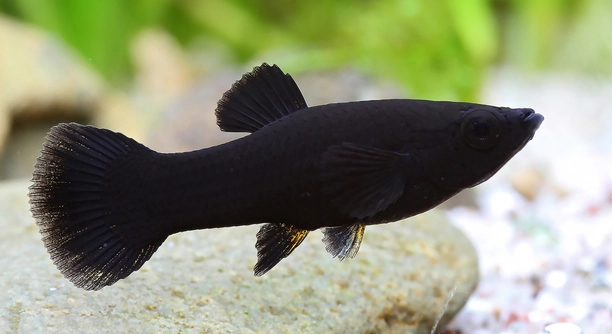
Do you enjoy keeping a lively aquarium but find yourself thinking about the role plants play in your tank? Black Molly Fry are delicate, and their environment greatly impacts their survival and growth in early stages.
Black Molly Fry can survive without plants, but their development and stress levels are affected. Plants provide shelter, reduce aggression, and improve water quality, making survival more consistent and healthier for young fry in home aquariums.
Even without live plants, certain precautions and habitat adjustments can help ensure the fry grow safely and thrive in their aquatic surroundings.
Understanding the Role of Plants in a Fry Tank
Plants play an important role in the health and safety of Black Molly Fry. They provide hiding spots that reduce stress and protect fry from stronger tank mates. Plants also help maintain water quality by absorbing excess nutrients, which lowers the risk of harmful bacteria or algae growth. Even hardy fry benefit from the shelter and security plants offer, as it encourages natural behavior like grazing and exploration. Without plants, fry may experience more aggression, slower growth, or higher mortality rates. Artificial plants can provide similar protection, though they do not contribute to water quality. Filtration, regular water changes, and careful monitoring of food are crucial if plants are absent. Many aquarists use floating plants or fine-leafed species to create shaded areas and break the line of sight in the tank. The presence of plants also stabilizes the microenvironment, helping maintain consistent temperature and oxygen levels.
Even simple plants can dramatically improve the chances of fry survival.
Providing shelter and water stability is key when raising fry without live plants, ensuring they remain healthy and active.
Alternatives to Live Plants
Artificial plants or moss mats can substitute for live plants in a fry tank.
These alternatives can reduce stress and provide hiding spots, but they do not improve water quality. You must increase water changes and maintain filtration to compensate. Regular monitoring for uneaten food and waste is critical, as these factors can quickly degrade water conditions. Artificial plants should be soft and free of sharp edges to avoid injuring delicate fry. Using floating barriers or small decorations can also mimic natural hiding areas, giving fry spaces to retreat when they feel threatened. Combining these methods with proper feeding routines ensures fry have both nourishment and safety. Tank layout matters too; creating zones where fry can move freely but still hide will help reduce aggression. While live plants are ideal, thoughtful use of alternatives can keep fry healthy. Understanding fry behavior and providing structured spaces can make raising them successful without live plants. Consistency and observation remain the most important tools for any aquarist managing plant-free tanks.
Feeding Black Molly Fry Without Plants
Fry need frequent small meals to grow properly, especially when plants are absent. Infusoria, baby brine shrimp, and finely crushed flake food provide essential nutrients and support healthy development. Overfeeding should be avoided to maintain water quality.
Proper feeding schedules are critical when raising fry without plants. Plants usually offer supplementary grazing, so without them, you must provide more frequent, controlled feedings. Young fry have tiny mouths, so food must be appropriately sized. Offering a variety of foods ensures they receive proteins, fats, and vitamins necessary for growth. Monitoring their eating habits helps prevent leftover food from decaying and causing harmful spikes in ammonia or nitrite levels. Combining live food with quality dry options can promote faster growth and stronger fry.
Even without plants, observation of fry during feeding is key. Adjusting food quantity and frequency based on activity and growth ensures survival. Regular tank maintenance complements proper feeding.
Maintaining Water Quality in Plant-Free Tanks
Without plants, water quality requires more attention and management.
Frequent water changes, proper filtration, and removal of uneaten food are essential to prevent ammonia and nitrite buildup. Plants naturally absorb nutrients and toxins, so their absence increases the risk of rapid water degradation. Testing water parameters regularly ensures a stable environment. Using gentle filtration avoids sucking in fry while still maintaining circulation. Overcrowding should be avoided, as higher densities accelerate waste accumulation. Substrate choice can help trap debris, and spot cleaning during water changes reduces harmful buildup. Aeration supports oxygen levels, which can fluctuate without plants. Temperature stability is also crucial, as fluctuations can stress fry. By carefully monitoring these factors, fry can thrive even in plant-free conditions.
Providing Hiding Spots Without Plants
Fry need secure hiding places to feel safe. Small decorations, caves, or moss mats can give them the shelter they usually get from plants. Soft materials prevent injury while creating zones for retreat.
Floating barriers and gentle tank dividers also offer protection. These additions break the line of sight, reduce aggression, and encourage natural behavior.
Monitoring Fry Behavior
Watching fry behavior closely is essential in plant-free tanks. Active swimming, regular feeding, and interaction with their environment indicate good health.
Aggression, lethargy, or hiding in corners may signal stress, poor water quality, or inadequate food. Immediate intervention, such as adjusting tank layout or feeding, helps maintain fry survival. Consistent observation ensures early detection of potential issues, which is critical for delicate fry.
Tank Cleaning Routine
Regular cleaning becomes more important without plants.
Removing debris, vacuuming the substrate, and performing partial water changes help maintain stable water conditions and prevent harmful spikes.
FAQ
Can Black Molly Fry survive without any plants at all?
Yes, Black Molly Fry can survive without plants, but it requires careful management. Plants naturally provide shelter, reduce stress, and help maintain water quality. Without them, fry are more exposed to aggression and environmental fluctuations. You will need artificial hiding spots, more frequent water changes, and closely monitored feeding schedules to support their growth. Using soft decorations or moss mats can replicate some of the protection live plants offer. Maintaining consistent temperature and oxygen levels becomes more important, as there is no plant buffer to stabilize the microenvironment. Observation is key to catching stress or illness early.
How often should I feed fry in a plant-free tank?
Fry without plants need small, frequent meals throughout the day. Plants usually offer supplemental grazing, so you must provide nutrients in controlled portions to prevent malnutrition. Options include infusoria, finely crushed flakes, and baby brine shrimp. Watch the fry during feeding to ensure they eat all the food without leaving excess to decay. Overfeeding can lead to ammonia spikes, which are more dangerous without plants to absorb nutrients. Adjust feeding frequency as fry grow, gradually reducing the number of meals while increasing the quantity slightly. Regular observation ensures they remain healthy and active.
What are good hiding spots if I don’t have live plants?
Artificial plants, moss mats, caves, and small decorations work well for creating shelter. Floating barriers and tank dividers can break the line of sight and reduce aggression. Soft materials are essential to prevent injury to delicate fry. Hiding spots help fry feel secure, which encourages normal behavior like swimming and exploring. Proper placement of these items can simulate natural zones and reduce stress. Observing how fry interact with these spaces allows you to adjust the layout for optimal protection. Even without plants, structured hiding areas significantly improve survival rates.
How often should I perform water changes in a plant-free tank?
Water changes are critical when raising fry without plants. You should perform partial water changes at least twice a week, or more frequently if the tank is small or heavily stocked. Plants normally absorb some waste, so without them, debris and ammonia can build up quickly. Test water parameters regularly to ensure safe conditions, focusing on ammonia, nitrite, and nitrate levels. Vacuuming the substrate and removing uneaten food during changes further maintains water quality. Gentle filtration and aeration help support stable oxygen levels. Consistency in water maintenance is key to preventing stress and disease in fry.
Can fry grow normally without plants?
Yes, fry can grow without plants, but growth may be slower if hiding spots and feeding are not carefully managed. Plants usually provide grazing areas and reduce stress, which supports stronger development. Without these benefits, fry need more attention to feeding schedules, water quality, and shelter. Providing a balanced diet, frequent observation, and artificial hiding spots can help fry reach maturity safely. Monitoring behavior and adjusting care ensures growth remains steady. While live plants offer convenience, attentive management can successfully raise healthy fry in a plant-free environment.
Are artificial plants as effective as live plants?
Artificial plants can provide security and reduce aggression but do not improve water quality. Live plants absorb excess nutrients, stabilize oxygen levels, and offer natural grazing for fry. Artificial plants mainly serve as hiding spots. To compensate, you need more frequent water changes, proper filtration, and careful feeding practices. Soft, safe materials are essential to avoid injuries. Artificial plants work best when combined with decorations, moss mats, or floating barriers to create a structured environment that mimics the benefits of live plants as much as possible. Regular observation ensures fry remain safe and healthy.
What signs indicate that fry are stressed in a plant-free tank?
Stressed fry may hide constantly, appear lethargic, or show reduced appetite. Rapid gill movement, clamped fins, or erratic swimming can also signal poor water conditions or overcrowding. Without plants, fry rely more heavily on artificial hiding spots, so behavior changes may indicate insufficient shelter. Monitoring water quality is essential, as stress often results from elevated ammonia, nitrite, or nitrate levels. Adjusting tank layout, increasing hiding spaces, and ensuring proper feeding can reduce stress. Early detection allows corrective action to improve fry survival and overall health.
Is tank size more important without plants?
Tank size becomes even more important when raising fry without plants. Larger tanks reduce aggression and allow more room for movement. Plants usually provide zones and shelter, but without them, space must compensate to prevent overcrowding. Maintaining proper stocking density, along with artificial hiding spots, ensures fry have room to swim, eat, and grow safely. Regular observation is needed to identify areas of high stress or competition. A well-sized tank also helps maintain stable water parameters, which is critical in the absence of plants.
Can fry survive in a bare-bottom tank?
Yes, fry can survive in a bare-bottom tank if feeding, water quality, and hiding spots are properly managed. Bare-bottom tanks make cleaning easier and reduce debris accumulation. Without plants, regular water changes and filtration are essential to maintain safe conditions. Providing artificial shelters and observing fry behavior helps reduce stress and aggression. A bare-bottom setup can be effective, but it requires consistent attention to prevent environmental fluctuations that could harm delicate fry. Proper care ensures fry grow healthy even without substrate or plants.
What is the best diet for plant-free fry tanks?
A varied diet is essential. Infusoria, baby brine shrimp, finely crushed flakes, and high-quality microfoods provide necessary nutrients. Plants usually supplement grazing, so without them, dietary variety becomes more important. Feed small amounts multiple times a day to match fry size and prevent leftover food from polluting the tank. Observing feeding behavior helps adjust portions for optimal growth. Combining live and prepared foods supports immune function and strong development. Consistent nutrition, along with clean water and secure hiding spaces, ensures successful growth in a plant-free environment.
This FAQ covers the essential aspects of raising Black Molly Fry without plants, providing guidance on survival, feeding, shelter, and water management to maintain healthy fry in a simplified but attentive setup.
Raising Black Molly Fry without plants is possible, but it requires careful attention and consistent management. Plants naturally provide hiding spaces, help regulate water quality, and reduce stress, so their absence must be compensated in other ways. Providing artificial shelters, moss mats, or floating barriers can give fry the security they need. These alternatives help reduce aggression and create zones where fry can explore safely. Observation becomes very important because fry are delicate, and any signs of stress, poor health, or aggression need to be addressed immediately. Monitoring their behavior regularly ensures they have the best chance to grow strong and healthy even in a plant-free environment.
Feeding is another area that requires focus when there are no live plants. Plants often serve as a natural grazing source, so without them, fry rely entirely on carefully managed meals. Offering small, frequent portions of high-quality foods such as infusoria, baby brine shrimp, or finely crushed flakes helps support healthy growth. Overfeeding must be avoided to prevent water quality issues, as uneaten food can quickly break down and produce harmful ammonia or nitrites. Maintaining a balanced diet and adjusting feeding amounts as fry grow ensures they receive enough nutrition without overloading the tank. Combined with consistent water changes and gentle filtration, proper feeding practices play a major role in raising successful fry.
Maintaining water quality and a stable environment is essential without plants. Frequent partial water changes, vacuuming the substrate, and careful monitoring of ammonia, nitrite, and nitrate levels are necessary to prevent stress and disease. Temperature and oxygen levels should also remain consistent, as plants normally help buffer minor fluctuations. A larger tank or well-planned layout can reduce overcrowding and give fry more space to swim, which helps minimize stress. By combining artificial hiding spots, careful feeding, and strict water maintenance, it is entirely possible to raise Black Molly Fry successfully without live plants. While it requires more effort and observation than a planted tank, attentive care ensures that fry develop healthily and reach maturity in a safe and supportive environment.

Hello,
If you enjoy the content that we create, please consider saying a "Thank You!" by leaving a tip.
Every little bit helps us continue crafting quality advice that supports the health, happiness, and well-being of pets around the world, for pets of all shapes, sizes, and species.
We really appreciate the kindness and support that you show us!