
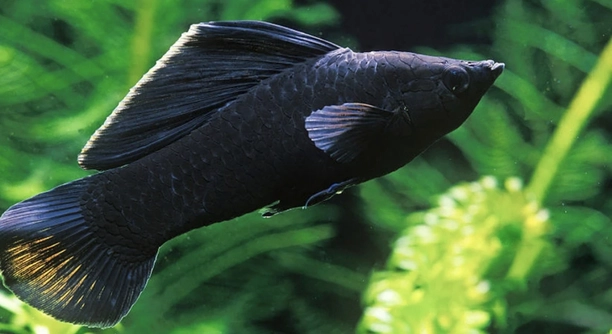
Do you ever notice your black molly swimming slowly or hiding more than usual in the tank? Observing subtle changes in behavior can help you understand its emotional state and overall well-being. Paying attention is key for care.
Black mollies display signs of loneliness through reduced activity, lack of interaction with tank mates, decreased feeding interest, and isolated swimming patterns. Monitoring these behaviors consistently allows aquarists to identify social needs and improve the fish’s environmental conditions.
Recognizing these signals early can help you provide a healthier, more engaging environment for your black molly, ensuring its happiness and social comfort.
Signs Your Black Molly Spends Too Much Time Alone
When a black molly isolates itself from other fish, it is often a sign of loneliness. You may notice it lingering near the bottom of the tank or hiding behind decorations. Social interaction is essential for these fish, and isolation can impact their behavior and overall health. Reduced swimming activity and reluctance to eat are other common indicators. Observing changes in color or fin movement can also signal stress. Some black mollies may display restlessness, darting around suddenly before returning to a secluded area. Tank conditions, such as water quality and temperature, can amplify these behaviors. Ensuring a stable environment and providing companions of similar size and temperament can help reduce these signs. Regularly monitoring your fish allows you to respond quickly to changes, preventing long-term issues. Intervening early maintains both the physical health and social well-being of your black molly.
Isolation impacts black mollies’ behavior, stress levels, and overall health if not addressed promptly.
Adding compatible tank mates, maintaining clean water, and providing hiding spots encourages social interaction and reduces signs of loneliness, creating a balanced habitat for your fish.
Changes in Eating Habits
A lonely black molly may show a decrease in appetite, ignoring food even during feeding time. This change often coincides with lethargy and withdrawal from other fish. Noticing consistent feeding behavior helps in identifying shifts that could indicate emotional distress.
Decreased eating can lead to weight loss, weakened immunity, and reduced activity.
Addressing feeding issues starts with evaluating tank conditions. Uneaten food should be removed promptly to maintain water quality, while portions should be adjusted to prevent overfeeding. Introducing a variety of high-quality flakes or pellets can stimulate appetite, and occasional live or frozen food may encourage feeding. Observing the fish during feeding times helps you notice patterns and identify any ongoing issues. Social interactions at feeding times can also motivate a lonely molly to eat, especially when it sees other fish actively feeding. Pairing your black molly with compatible companions ensures it has stimulation and motivation, which can restore normal eating habits. Regular maintenance of water parameters, including temperature, pH, and cleanliness, supports digestion and overall health. Paying attention to these details helps prevent long-term health problems and encourages social and nutritional stability in your black molly’s environment.
Reduced Interaction with Tank Mates
A lonely black molly often avoids swimming with other fish. It may hide when others approach or show little interest in group activity. Social engagement is important, and avoidance can indicate stress or emotional discomfort in the fish.
When black mollies stop engaging with tank mates, it can affect their mental and physical health. They may linger in corners or behind decorations while others explore the tank freely. Lack of interaction can reduce activity levels, lead to poor appetite, and even make them more vulnerable to illness. Ensuring companions are compatible in size and temperament helps encourage social behavior. Observing how your molly reacts during feeding and swimming times can reveal patterns. Providing sufficient hiding spaces allows the fish to feel secure while still participating in group dynamics. This balance can gradually restore interaction, reduce stress, and improve overall well-being.
Environmental enrichment also plays a role in promoting engagement. Adding plants, rocks, or ornaments encourages exploration and stimulates natural behaviors. These features allow black mollies to interact with their surroundings and companions safely. Consistent observation and gentle adjustments in the tank setup help maintain social balance. Gradually, a lonely molly can regain confidence, swim more actively, and resume normal interaction patterns. Over time, improved social behavior enhances the fish’s health, reduces stress, and fosters a more harmonious tank environment for all inhabitants.
Unusual Swimming Patterns
Lonely black mollies may swim erratically, linger in one spot, or repeatedly circle the tank. These patterns often indicate stress or boredom caused by social isolation, reflecting an unmet need for companionship or stimulation.
Erratic swimming can involve sudden bursts of movement, darting from one area to another, or floating near the water surface. These behaviors are signs of unease and may increase when tank conditions are unstable or water quality fluctuates. Repetitive swimming patterns, such as pacing along tank walls, often indicate frustration or loneliness. Providing proper tank mates can encourage more natural swimming and reduce stress-related behavior. Observation is key to identifying these changes early, helping prevent long-term health issues related to isolation.
Encouraging natural swimming behavior requires both social and environmental adjustments. Adding plants, rocks, and open swimming areas gives the molly options to explore safely. Companion fish provide motivation for more active swimming and reduce signs of isolation. Maintaining stable water parameters, such as temperature, pH, and cleanliness, supports physical health and energy levels, allowing the molly to move more freely. Regularly monitoring swimming patterns ensures any deviations are addressed promptly, helping the fish regain normal activity. Gradual changes and consistent care foster a balanced environment that supports both physical and emotional health for your black molly.
Hiding More Than Usual
A lonely black molly may spend extended periods behind plants, rocks, or tank decorations. Avoiding open areas is a common sign of social stress. This behavior indicates a need for security and may reflect discomfort with its environment or tank mates.
Frequent hiding can reduce activity and affect feeding. Observing patterns helps identify loneliness early.
Loss of Color
Black mollies that feel isolated or stressed often show duller coloration. This change reflects both emotional state and overall health.
Maintaining proper water conditions, a balanced diet, and social interaction helps restore vibrancy. Monitoring color changes regularly allows you to respond quickly to stress or environmental issues, ensuring your black molly remains healthy and active.
Reduced Breeding Behavior
Lonely black mollies may show little interest in mating or egg-laying. Social isolation can directly impact reproductive behavior, limiting interactions that typically trigger breeding responses.
FAQ
How can I tell if my black molly is lonely?
Signs of loneliness in black mollies include isolation from tank mates, reduced swimming activity, hiding more than usual, loss of appetite, dull coloration, and erratic swimming patterns. Observing consistent behavior changes over time helps determine if social stress is affecting your fish.
Can black mollies live alone?
Black mollies are social fish and generally do better in groups. While they can survive alone, long-term isolation may lead to stress, reduced activity, and health issues. Providing compatible tank mates encourages natural behavior and improves overall well-being.
How many black mollies should be kept together?
A small group of three to six mollies is recommended for a standard tank. Keeping them in small groups allows social interaction without overcrowding. Balance with other fish species is also important to reduce territorial disputes.
What tank conditions help prevent loneliness?
Stable water temperature, clean water, and adequate space reduce stress and promote social interaction. Decorations, plants, and hiding spaces allow fish to explore and feel secure. A well-maintained environment supports both mental and physical health.
Can adding new tank mates reduce loneliness?
Yes, introducing compatible fish can help a lonely black molly feel more secure and socially stimulated. New companions should be similar in size and temperament to prevent aggression and stress. Gradual introductions minimize conflicts.
Will my black molly’s color return if it’s lonely?
Dull coloration from stress or isolation can improve once the fish is socially engaged and healthy. Providing companions, proper nutrition, and a stable environment encourages the return of vibrant colors over time.
How often should I monitor my black molly’s behavior?
Daily observation is recommended to notice changes in swimming patterns, feeding, and interactions with tank mates. Regular monitoring allows early detection of loneliness or stress, preventing long-term health issues.
Does loneliness affect breeding?
Yes, black mollies often reduce or stop breeding when isolated. Social interaction and a comfortable environment are important triggers for reproductive behavior. A lonely fish may show little interest in mating or egg-laying.
Are there signs of stress beyond loneliness?
Yes, stress can also be caused by poor water quality, aggressive tank mates, or insufficient space. Signs include rapid gill movement, clamped fins, loss of appetite, or sudden darting. Addressing the cause promptly is crucial.
Can a lonely black molly recover completely?
With proper care, a lonely black molly can recover socially and physically. Introducing compatible tank mates, improving tank conditions, and providing consistent care can restore activity, coloration, appetite, and overall health.
What should I do if my black molly hides constantly?
Frequent hiding suggests discomfort or stress. Ensure the tank environment is suitable, companions are compatible, and water parameters are stable. Gradual encouragement through safe exploration spaces can help the molly feel secure and interact more.
How important is diet in preventing loneliness?
A nutritious diet supports physical health and reduces stress, making fish more likely to engage socially. Offering a mix of high-quality flakes, pellets, and occasional live or frozen food encourages activity and interaction with tank mates.
Can water changes affect a black molly’s social behavior?
Yes, sudden or inconsistent water changes can stress fish and worsen social withdrawal. Regular, moderate water changes maintain stability and support both health and natural social behavior.
Is it normal for black mollies to have mood swings?
Black mollies can display fluctuating behavior due to environmental changes or social dynamics. Temporary isolation or erratic swimming may occur, but persistent patterns often indicate loneliness or stress that should be addressed.
How long does it take for a lonely black molly to adjust?
Adjustment time varies depending on personality, age, and tank conditions. Some mollies show improvement within a few days after social or environmental changes, while others may take several weeks to regain normal behavior.
Can adding plants or decorations reduce loneliness?
Yes, environmental enrichment provides stimulation and hiding spots, encouraging exploration and reducing stress. Plants and decorations also allow social interaction without overwhelming the fish, supporting mental and emotional well-being.
Should I separate a lonely black molly from aggressive tank mates?
If aggression is present, temporary separation may be necessary. Ensuring compatible tank mates reduces stress and promotes healthy social behavior. After adjustment, gradual reintroduction may help reintegrate the molly safely.
Does temperature affect social behavior in black mollies?
Yes, black mollies are sensitive to temperature changes. Consistent, appropriate temperatures support normal activity and interaction. Sudden fluctuations can lead to stress, lethargy, or withdrawal from companions.
Are young black mollies more prone to loneliness?
Juvenile mollies may adapt more easily to social groups but can also experience stress if companions are too large or aggressive. Careful observation and compatible tank mates are important for healthy social development.
How can I tell if a lonely black molly is improving?
Improvement is shown through increased activity, normal feeding, brighter coloration, and regular interaction with tank mates. Monitoring behavior daily helps confirm that interventions are effective and the fish is thriving.
Can stress from loneliness lead to illness?
Yes, prolonged stress weakens immunity, making black mollies more susceptible to infections, fin rot, and other health issues. Early detection of loneliness and corrective measures are crucial for maintaining overall health.
What is the best approach to prevent loneliness?
Maintaining a balanced social group, providing environmental enrichment, ensuring clean water, and offering a nutritious diet are key. Consistent care and observation help prevent social withdrawal and support a healthy, active black molly.
How can I encourage shy black mollies to interact?
Gradual introduction to tank mates, providing safe spaces, and encouraging activity through feeding routines or environmental enrichment helps shy mollies become more confident and socially engaged.
Can a single black molly ever be truly happy alone?
While they may survive alone, black mollies are naturally social. Long-term happiness is typically achieved in a small group with appropriate environmental support. Social interaction is an essential part of their well-being.
How often should tank mates be introduced?
New tank mates should be added gradually, observing interactions closely. Sudden introductions can cause stress or aggression, while gradual integration encourages positive social behavior and reduces the risk of isolation.
What role does lighting play in social behavior?
Proper lighting helps regulate activity patterns and supports natural behavior. Consistent light cycles encourage normal swimming, feeding, and interaction, reducing signs of stress or loneliness.
Can enrichment alone prevent loneliness?
Enrichment helps but cannot fully replace social interaction. Plants, decorations, and hiding spots reduce stress, but compatible tank mates are necessary for fulfilling social needs.
How do I balance multiple fish species in the tank?
Choose species that are similar in size, temperament, and water requirements. Providing enough space, hiding spots, and monitoring behavior ensures all fish coexist without undue stress or isolation.
Is there a difference between male and female black mollies in social behavior?
Males may display more territorial or aggressive behavior, while females often engage more in group activity. Understanding these differences helps in creating a balanced social environment that reduces stress for all fish.
What are the signs of successful social reintegration?
A socially reintegrated black molly will swim with others, feed regularly, display bright coloration, explore the tank, and exhibit normal activity patterns without excessive hiding or erratic swimming.
Can stress from loneliness be permanent?
If addressed early, the effects of loneliness are usually reversible. Chronic isolation without intervention may lead to lasting behavioral and health issues, making early detection and action essential.
How can I tell if my black molly prefers certain tank mates?
Observing interactions during feeding, swimming, and resting periods shows which fish it is comfortable with. Positive signs include swimming together, reduced hiding, and mimicking natural behaviors. Compatibility encourages social stability.
Does overcrowding cause similar behaviors to loneliness?
Yes, overcrowding can increase stress, reduce social interaction, and lead to hiding or erratic swimming. Proper stocking levels and adequate space prevent both social withdrawal and conflict.
How important is routine in preventing loneliness?
Consistent feeding schedules, water maintenance, and observation establish a stable environment. Routine reduces stress and encourages regular interaction, helping black mollies feel secure and socially engaged.
Are there behavioral signs specific to stress vs. loneliness?
Stress often manifests as rapid gill movement, clamped fins, or sudden darting. Loneliness is more associated with isolation, reduced interaction, hiding, and loss of interest in feeding or swimming. Monitoring both helps identify causes accurately.
Can I use mirrors to simulate companionship?
Mirrors can stimulate activity temporarily, but they do not replace real social interaction. Companions of the same species are necessary for emotional and behavioral health.
How do I maintain long-term social health for black mollies?
Regular observation, compatible companions, environmental enrichment, stable water conditions, and a balanced diet together support ongoing social and physical health. Early intervention when issues arise ensures a thriving, active community.
What is the recommended group composition for males and females?
A balanced ratio, typically more females than males, reduces aggression and supports natural social interaction. Observing behavior and adjusting ratios as needed maintains harmony in the tank.
How do I address persistent hiding despite companions?
Persistent hiding may indicate stress, illness, or incompatibility. Assess water quality, diet, tank mates, and environmental features. Gradual adjustments and observation are necessary to encourage normal activity.
Can introducing young fish help a lonely adult?
Young fish can provide stimulation but may not fully satisfy social needs. Adult mollies generally benefit most from companions of similar age and size to promote natural interaction.
Is it normal for a black molly to have a preferred swimming area?
Yes, preferred areas often provide comfort and security. Ensuring access to open swimming zones and hiding spots allows natural behavior while reducing signs of stress or isolation.
What should I do if loneliness persists despite interventions?
Persistent loneliness may require re-evaluating tank composition, environmental enrichment, or health status. Consulting with experienced aquarists or veterinarians can help identify underlying issues and appropriate solutions.
Can water chemistry changes trigger loneliness behaviors?
Fluctuations in pH, hardness, or temperature can stress fish, causing withdrawal and reduced interaction. Stable water conditions are critical for social behavior and overall health.
How do I encourage group swimming?
Feeding together, providing open swimming areas, and ensuring compatible tank mates encourages black mollies to swim as a group, promoting social engagement and reducing isolation.
Are black mollies more social at certain times of day?
They are generally more active during daylight hours when feeding occurs. Observing behavior during active periods provides better insight into social interactions and potential signs of loneliness.
Can loneliness affect lifespan?
Chronic loneliness can contribute to stress-related illnesses, reducing longevity. Providing social interaction, proper diet, and stable conditions supports a longer, healthier life for black mollies.
How do I distinguish loneliness from illness?
Illness often includes physical symptoms like fin rot, swollen abdomen, or labored breathing, while loneliness primarily affects behavior and social interaction. Monitoring both helps determine the appropriate response.
Is it safe to keep only one black molly temporarily?
Short-term isolation is generally safe, but long-term loneliness can affect behavior and health. Minimizing the duration and ensuring proper enrichment can mitigate negative effects.
What are the most effective ways to prevent loneliness long-term?
Maintaining a stable social group, clean water, proper diet, environmental enrichment, and consistent observation ensures black mollies remain active, healthy, and socially engaged over time.
How quickly can behavior improve after addressing loneliness?
Behavioral improvement can be noticeable within days for some mollies, while others may take several weeks. Consistency in care and monitoring progress ensures successful reintegration.
Do black mollies communicate through movement?
Yes, swimming patterns, fin displays, and proximity to others convey social cues. Observing these signals helps understand interactions and detect loneliness or stress.
Can stress from tank maintenance affect social behavior?
Frequent disruptions or improper handling can increase stress and reduce interaction. Gentle, consistent maintenance supports social stability and overall well-being.
How important is hiding space for social harmony?
Adequate hiding spots allow fish to retreat safely, reducing stress and supporting balanced interaction. Overcrowded or bare tanks can increase tension and social withdrawal.
Are there differences in social needs between adult and juvenile black mollies?
Adults may require more stable companions and territory awareness, while juveniles adapt more quickly but still benefit from group interaction. Tailoring tank setup ensures both age groups thrive socially.
Can I use food as a tool to encourage social interaction?
Yes, feeding times often promote group activity. Offering food in multiple areas or encouraging simultaneous feeding can stimulate engagement and reduce signs of loneliness.
Does tank size influence social behavior?
Adequate space allows black mollies to explore, establish territories, and interact freely. Small or overcrowded tanks increase stress, hiding, and social withdrawal. Proper sizing supports natural behavior and overall health.
Can observing other tanks help improve my black molly’s social behavior?
Observing similar setups can provide insights, but interventions must focus on your tank’s conditions, companions, and environmental features to effectively address loneliness.
How do I maintain long-term monitoring?
Daily observation, recording behavior changes, and adjusting tank conditions as needed ensure ongoing social and physical health. Consistency prevents stress and promotes a thriving environment.
Are there long-term effects if loneliness is ignored?
Persistent loneliness can lead to chronic stress, weakened immunity, reduced lifespan, behavioral issues, and decreased reproductive success. Early intervention is essential to prevent lasting harm.
Can introducing more than one new companion at a time help?
Gradual introductions are safer. Adding multiple fish simultaneously may increase stress, aggression, and territorial disputes. Observing interactions during introductions ensures social stability.
How do I create a stimulating environment for black mollies?
A mix of plants, open swimming spaces, decorations, and compatible companions encourages exploration, reduces stress, and promotes natural social behavior. Regular adjustments maintain engagement over time.
Can water flow impact social behavior?
Moderate water flow supports natural swimming patterns and exercise. Excessive current may stress fish, reducing social interaction and promoting hiding or erratic behavior.
Are black mollies more social in larger groups?
Larger groups allow more interaction opportunities but must be balanced to avoid overcrowding. Proper group size supports social behavior and reduces stress-related issues.
How do I know if a molly is choosing to be alone or is lonely?
Observation over time helps differentiate preference from loneliness. A fish that avoids others consistently, reduces feeding, and hides frequently likely experiences social stress rather than temporary solitude.
Does tank lighting affect social engagement?
Consistent lighting cycles support activity, feeding, and social interaction. Irregular or overly bright lighting may stress fish, causing withdrawal and reduced engagement with companions.
Can diet supplements improve social behavior?
A balanced diet supports overall health, energy, and activity levels. While supplements alone cannot replace social interaction, they enhance vitality and encourage natural behaviors.
Is it normal for black mollies to be less active during certain seasons?
Seasonal changes in temperature or light can slightly alter activity. Sudden drops in activity, especially combined with isolation, may indicate loneliness or stress rather than natural seasonal variation.
What’s the best way to introduce environmental changes?
Make gradual adjustments, such as adding plants or rearranging decorations slowly. Sudden changes can stress black mollies and worsen isolation or hiding behavior.
How can I tell if my interventions are working?
Signs include increased activity, normal feeding, interaction with companions, brighter coloration, and reduced hiding. Monitoring these indicators confirms successful mitigation of loneliness.
Are black mollies affected by the presence of other species?
Yes, compatible species can stimulate social behavior, but aggressive or overly large fish may cause stress. Observation ensures coexistence and prevents social withdrawal.
Can I use play or stimulation to reduce loneliness?
Interactive feeding or rearranging decorations provides mental stimulation. While helpful, these strategies complement but do not replace social interaction with compatible tank mates.
How do I maintain a healthy balance between solitude and social activity?
Provide hiding spots, open swimming areas, and compatible companions. Monitoring behavior ensures fish can retreat safely while engaging socially, supporting well-being and reducing stress.
What’s the most common mistake aquarists make regarding black molly social needs?
Keeping them alone for extended periods, overstocking, or neglecting environmental enrichment often leads to stress and loneliness. Awareness and proactive care prevent these issues.
Can stress from water changes mimic loneliness?
Yes, sudden or inconsistent changes may trigger hiding, reduced activity, or erratic swimming. Gradual, predictable maintenance minimizes stress while supporting natural behavior.
How do I adjust the tank if a molly remains isolated?
Evaluate companions, hiding spaces, and water quality. Gradually introduce compatible fish, provide enrichment, and monitor behavior to encourage interaction while maintaining security.
Are there behavioral cues that indicate a black molly is ready to interact?
Increased swimming, curiosity about other fish, approaching feeding areas, and reduced hiding signal readiness to engage socially. Recognizing these cues helps guide interventions.
Can consistent routines help shy mollies?
Yes, predictable feeding times, maintenance schedules, and observation provide stability. Routine reduces stress, encouraging shy mollies to explore and interact with companions naturally.
How often should I adjust tank conditions for social health?
Minor adjustments can be made as needed, but avoid frequent or drastic changes. Stability in water parameters, environment, and companion dynamics supports long-term social and physical health.
Are there long-term health benefits to preventing loneliness?
Yes, socially engaged black mollies are more active, eat regularly, maintain coloration, reproduce successfully, and exhibit lower stress levels, contributing to longer, healthier lives.
How can I tell if interventions are too stressful?
Signs include increased hiding, erratic swimming, clamped fins, or refusal to feed. Gradual, patient adjustments are necessary to minimize stress and encourage positive behavior.
Can seasonal water temperature changes trigger loneliness behaviors?
Sudden drops or spikes can stress fish, causing isolation or reduced activity. Maintaining stable temperatures helps support social engagement and overall health.
Does tank size interact with social behavior?
Yes, larger tanks provide more space for exploration, territories, and group swimming. Small tanks may increase stress, hiding, or aggression, reducing social interaction.
Can loneliness affect breeding success long-term?
Yes, persistent social isolation can reduce mating behavior, egg-laying, and overall reproductive health. Providing companions and a supportive environment restores natural breeding behavior over time.
Are black mollies naturally more social than other molly species?
Black mollies are moderately social, preferring small groups. Compared to some other molly species, they rely on interaction for stimulation, but all mollies benefit from compatible companions.
Can visual barriers reduce stress in a group tank?
Yes, plants
Black mollies are social creatures that thrive best when their social needs are met. Observing changes in behavior, such as hiding, reduced activity, or loss of appetite, can help identify if a black molly is lonely. These signs are often subtle at first, so consistent observation is essential. Loneliness is not just an emotional state for fish—it can affect their physical health and overall well-being. Addressing loneliness early prevents stress from developing into more serious problems, such as illness or reduced lifespan. Providing a stable environment, compatible companions, and proper care are key steps in supporting a black molly’s mental and physical health.
Creating a suitable environment goes beyond just adding companions. Black mollies benefit from a tank setup that balances open swimming space with hiding areas. Plants, rocks, and decorations not only provide security but also stimulate natural behaviors and encourage exploration. A clean tank with stable water conditions, including proper temperature, pH, and filtration, ensures that the fish can thrive. Nutrition also plays a critical role. A balanced diet of high-quality flakes, pellets, and occasional live or frozen foods supports energy levels, vibrant coloration, and active social interaction. Even small adjustments in tank conditions or feeding routines can make a noticeable difference in the fish’s behavior.
Long-term care for black mollies involves attention to both social and environmental factors. Introducing companions gradually, monitoring behavior, and observing interactions helps maintain harmony in the tank. Providing consistent routines, such as regular feeding times and predictable maintenance, reduces stress and encourages natural social patterns. Environmental enrichment, including new hiding spots or rearranged decorations, can stimulate curiosity and promote engagement. Over time, these efforts can restore normal behavior in a lonely molly, encouraging interaction, bright coloration, and active swimming. Maintaining these practices consistently ensures a healthier, happier, and more socially active black molly, supporting both its physical health and overall quality of life.

Hello,
If you enjoy the content that we create, please consider saying a "Thank You!" by leaving a tip.
Every little bit helps us continue crafting quality advice that supports the health, happiness, and well-being of pets around the world, for pets of all shapes, sizes, and species.
We really appreciate the kindness and support that you show us!