
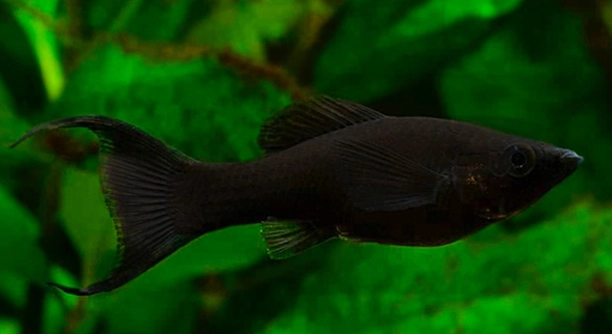
Do your black mollies seem smaller or less active than usual, leaving you worried about their health? Weakness in these fish can be subtle, and observing changes early is essential for proper care and recovery.
Helping a weak black molly recover involves adjusting water conditions, providing high-quality nutrition, reducing stress, and monitoring health regularly. Ensuring proper tank maintenance, supplementation, and gentle care supports their immune system and promotes gradual improvement in strength.
Following these steps can make a significant difference in your fish’s recovery and overall well-being in the tank environment.
Continue the blog post following the outline and format. Write in a simplistic style. Do not use a greeting. Make it feel slightly personal. Format the headers as h2 headers in Markdown formatting. Do not repeat yourself.; Outline and Format:; Header: xxxxxxxxxxxxxxxxxxx; 150 words paragraph; 50 word paragraph; 100 word paragraph; Header: xxxxxxxxxxxxxxxxxxx; 50 words paragraph; 200 words paragraph; Note: Do not use the words: “culprit”, “journey”, “scrumptious”, “enthusiast”, “friend”, “world of”. ; Note: Get straight to the point. Respect the given word count for every paragraph.
Improve Water Quality
Maintaining clean water is essential for weak black mollies. Regular water changes and proper filtration reduce toxins, keeping the fish healthy and stress-free.
Weak mollies are highly sensitive to poor water conditions. Ammonia, nitrites, and nitrates can quickly weaken them further. Testing water regularly and performing partial water changes of 20–30 percent weekly helps maintain stability. Avoid sudden temperature shifts and ensure the water is dechlorinated. Adding beneficial bacteria can also improve tank health. Keeping a consistent pH between 7.0 and 8.0 supports their immune system and reduces stress, which is crucial for recovery.
Observation is key. Watch your mollies daily for signs of lethargy, clamped fins, or unusual swimming patterns. Adjusting water parameters promptly prevents further health decline. Incorporating gentle aeration ensures oxygen levels remain stable, supporting metabolism. A clean, balanced environment combined with attentive care helps mollies regain strength faster. Proper filtration, minimal crowding, and consistent maintenance create a safe habitat where weak fish can gradually recover and thrive.
Provide Nutritious Food
Offer high-quality, protein-rich food in small portions to avoid overfeeding. Variety supports recovery and overall vitality.
Feeding weak black mollies requires careful selection. High-quality flake or pellet food supplemented with live or frozen foods, like brine shrimp or daphnia, provides essential nutrients. Small, frequent meals prevent digestive strain and encourage consistent eating. Overfeeding can foul the water and further stress the fish, so portion control is crucial.
Consistency is important. Rotate foods to provide vitamins and minerals necessary for immune support. Avoid sudden diet changes, as mollies are sensitive to new food types. Including vegetable matter, such as blanched spinach or zucchini, improves digestion and overall health. Feeding at the same times daily helps mollies establish a routine, reducing stress and promoting steady recovery. Observing which foods your fish prefer allows you to tailor their diet while maintaining balanced nutrition.
Reduce Stress
Keep the tank environment calm by limiting sudden movements and loud noises around the aquarium. Stress can weaken black mollies quickly, so maintaining a peaceful setting is essential.
Avoid overcrowding the tank. Too many fish can create competition for food and space, increasing stress. Providing hiding spots with plants or decorations gives weak mollies a safe place to rest, reducing anxiety and supporting recovery.
Maintain Stable Temperature
Black mollies thrive in stable water temperatures between 24–28°C. Sudden fluctuations can shock their system, slowing recovery. Regularly check the thermometer and adjust the heater as needed. Consistent warmth supports metabolism and immune function, allowing weak fish to regain strength more efficiently.
Monitor Health Daily
Observe your mollies closely for any changes in behavior, appetite, or appearance. Early detection of illness allows timely intervention. Small changes, like slower swimming or faded color, indicate stress or health issues. Prompt action can prevent minor problems from becoming serious.
FAQ
How can I tell if my black molly is weak?
A weak black molly often shows signs such as reduced swimming activity, clamped fins, loss of color, or a decreased appetite. They may isolate themselves in corners or hide more than usual. Observing daily behavior is crucial, as early detection allows for faster intervention and recovery.
What is the best diet for a weak black molly?
A balanced diet combining high-quality flakes or pellets with live or frozen foods like brine shrimp or daphnia is ideal. Small, frequent meals prevent overfeeding and digestive strain. Adding some vegetable matter, such as blanched spinach or zucchini, supports overall health and immune function.
How often should I change the water?
Partial water changes of 20–30 percent weekly are recommended. Consistent water quality reduces toxins like ammonia and nitrites that can worsen weakness. Avoid sudden large changes, as abrupt shifts in water chemistry or temperature can stress mollies further.
Can temperature affect recovery?
Yes, stable temperatures between 24–28°C support metabolism and immunity. Sudden drops or spikes can shock a weak fish. Using a reliable heater and thermometer ensures stability, helping your molly regain strength gradually without added stress.
Do black mollies need hiding places?
Providing plants or decorations gives weak mollies a safe spot to rest. Hiding reduces stress caused by more active tank mates or sudden movements outside the aquarium. A calm environment accelerates recovery and prevents further weakening.
How do I prevent illness during recovery?
Maintaining clean water, stable temperature, and a nutritious diet are essential. Avoid overcrowding, quarantine new fish, and watch for early signs of disease. Prompt attention to changes in behavior or appearance can stop minor issues from escalating.
Is medication necessary for weak mollies?
Medication is not always needed. Only use it if a veterinarian or aquatic specialist identifies a specific disease. Overuse of medications can stress fish or disrupt tank balance, so focus first on water quality, diet, and reducing stress.
How long does it take for a weak molly to recover?
Recovery time varies depending on the cause of weakness and the care provided. With proper water conditions, nutrition, and low-stress environment, noticeable improvement may appear within one to three weeks. Patience and consistent care are key to full recovery.
Can diet alone help a weak molly?
While diet is important, it must be combined with clean water, stable temperature, and minimal stress. Nutrition supports immunity, but environmental factors largely influence recovery speed and overall health. A balanced approach ensures the best results.
Should I isolate a weak molly from other fish?
Isolation is helpful if tank mates are aggressive or compete for food. A separate, calm area with proper water conditions allows the weak fish to eat and rest without stress, which promotes faster recovery.
How do I know if my molly is improving?
Signs of improvement include more active swimming, brighter coloration, regular eating, and less hiding. Observing gradual changes helps you assess whether care adjustments are working. Tracking daily behavior ensures issues are addressed promptly.
Can stress reverse recovery progress?
Yes, stress can slow healing or cause relapse. Avoid sudden movements, overcrowding, or abrupt environmental changes. Creating a calm and predictable tank environment supports consistent improvement and overall strength.
Are supplements helpful for weak mollies?
Supplements like vitamins or garlic extract can support immune function but should not replace proper diet or clean water. Use in moderation and according to guidelines to prevent over-supplementation, which can harm weak fish.
What is the role of filtration in recovery?
A good filtration system removes toxins and maintains water clarity, reducing stress and preventing further weakening. Filters should be maintained regularly and adjusted to avoid strong currents that might tire weak fish.
How do I handle a weak molly safely?
Minimize handling. If transfer is necessary, use a soft net and move gently. Rough handling or excessive activity can stress or injure a weak fish. Always ensure water in the new tank or container matches the original conditions closely.
Can water pH affect recovery?
Yes, black mollies prefer a pH between 7.0 and 8.0. Deviations can cause stress and weaken the immune system. Testing and adjusting pH gradually maintains a stable environment conducive to recovery.
Is it normal for a weak molly to hide a lot?
Hiding is a natural response to weakness and stress. Providing secure spots helps them feel safe. As strength returns, hiding behavior should decrease, and activity levels should improve gradually.
What common mistakes slow recovery?
Overfeeding, poor water quality, temperature fluctuations, and abrupt environmental changes are common mistakes. Ignoring subtle behavioral changes can allow minor issues to worsen. Careful observation and consistent, gentle care prevent setbacks and promote steady improvement.
Can weak mollies recover fully?
Yes, with consistent attention to diet, water quality, temperature, and stress reduction, weak black mollies can regain strength. Full recovery depends on early intervention, proper care, and patience throughout the process.
How can I track progress effectively?
Keep a simple log of feeding, activity, and appearance daily. Noting gradual improvements or setbacks helps you make informed adjustments and ensures the recovery plan is working efficiently.
Black mollies are delicate fish that can show signs of weakness for many reasons, from poor water conditions to dietary imbalances. Observing your mollies carefully every day is the first step in understanding their needs. Small changes in behavior, appetite, or color can indicate stress or illness. By paying attention early, you can address problems before they become severe. Consistent monitoring allows you to notice subtle improvements as your fish recover. It also helps in identifying factors that may be slowing their recovery, such as overcrowding, improper feeding, or sudden environmental changes.
Maintaining proper water quality is one of the most important aspects of helping weak mollies regain strength. Regular water testing, partial water changes, and proper filtration reduce toxins that can damage their health. A stable temperature between 24–28°C also supports metabolism and immune function. Avoid sudden temperature or chemical shifts, as these can shock your fish and worsen weakness. Providing hiding places with plants or decorations allows your mollies to rest and feel secure, reducing stress that can slow recovery. When combined with careful feeding and attention to their daily behavior, these steps create a safe and supportive environment for weak mollies to regain vitality.
Nutrition plays a critical role in recovery. Offering high-quality, protein-rich foods in small, frequent portions ensures that weak mollies receive the nutrients they need without overloading their digestive systems. Live or frozen foods such as brine shrimp or daphnia are beneficial, and small amounts of blanched vegetables like spinach or zucchini provide essential vitamins and fiber. Avoid sudden diet changes, as mollies can be sensitive to new foods. Along with proper care and a stable environment, a balanced diet strengthens their immune system and encourages normal activity. Over time, consistent attention to water quality, nutrition, temperature, and stress reduction can restore health and energy, allowing your black mollies to thrive once again.

Hello,
If you enjoy the content that we create, please consider saying a "Thank You!" by leaving a tip.
Every little bit helps us continue crafting quality advice that supports the health, happiness, and well-being of pets around the world, for pets of all shapes, sizes, and species.
We really appreciate the kindness and support that you show us!