
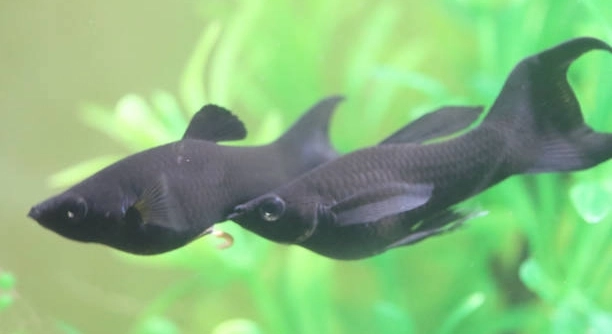
Black Mollies are lively fish that bring energy to home aquariums. Watching them swim gracefully can be calming, but their well-being depends heavily on the space they are given to move freely.
A Black Molly may feel cramped when it shows signs of slowed swimming, clamped fins, or frequent hiding. Limited swimming space restricts natural behavior, increases stress levels, and can negatively affect overall health, growth, and social interactions within the tank.
Learning to identify these warning signs early can improve your Black Molly’s life significantly and help maintain a balanced, healthy aquarium environment.
Recognizing Cramped Behavior
Black Mollies that feel cramped often change their usual behavior. They may swim in tight circles, press against tank walls, or spend more time hiding than exploring. Aggression can appear in previously peaceful fish, or you might notice one fish chasing others more than usual. Reduced appetite is also common when stress from limited space affects their comfort and health. The tank’s decorations, while enriching, can worsen the feeling of crowding if overused. Observing your fish daily helps catch these issues early before stress affects their immune system. Tank size, water flow, and the number of tankmates all influence how comfortable Black Mollies feel. Even healthy, active fish can start showing signs of distress if the environment is too small. Ensuring they have enough room for swimming, resting, and social interactions is crucial for maintaining their normal behavior patterns and overall well-being.
Watching their movement closely often reveals early signs of confinement that are easy to miss.
Providing proper space helps Mollies remain active, healthy, and less prone to stress-related problems, ensuring they thrive in your care.
Tank Size and Space Requirements
A single Black Molly needs at least 20 gallons to swim comfortably.
For multiple Black Mollies, tank size should increase by about 10 gallons per additional fish. Overcrowding can lead to slower growth, weaker immune systems, and higher stress levels. Mollies thrive in aquariums that allow consistent swimming space, hiding spots, and stable water conditions. Proper filtration is essential to maintain clean water as fish produce more waste in cramped conditions. Decorations should be balanced to give hiding areas without limiting open swimming space. Regular monitoring of fish behavior and tank measurements ensures the environment stays suitable. Adjusting the number of fish or moving them to a larger tank can prevent long-term health problems. Observing interactions between Mollies helps gauge whether the space is sufficient. When fish are active, social, and feeding well, the tank environment is likely adequate. Regular maintenance, including water changes and tank inspections, supports their comfort. Space directly impacts behavior, health, and lifespan, making it a critical factor in aquarium management.
Water Quality and Circulation
Poor water quality can make cramped conditions worse. High ammonia or nitrite levels stress Black Mollies and affect their swimming behavior. Proper filtration and regular water changes keep the tank clean, which supports healthy movement and reduces aggression.
Maintaining stable water parameters is essential for Black Mollies’ health. Cramped tanks with poor circulation can cause oxygen depletion, making fish lethargic. Using an appropriate filter and performing weekly water changes prevents the buildup of toxins. Testing pH, ammonia, nitrite, and nitrate levels helps track water quality and ensure the environment remains safe. Strong water flow also encourages natural swimming behavior, giving Mollies more freedom to move and interact. Observing how fish respond to water currents can indicate whether circulation is adequate. Clean, well-oxygenated water reduces stress and supports normal feeding patterns.
Circulation affects more than oxygen levels. Proper water flow moves nutrients, distributes heat evenly, and minimizes stagnant areas where waste can accumulate. Even minor improvements can significantly increase comfort for Black Mollies, allowing them to swim freely and reduce competition over limited space.
Signs of Stress from Cramped Space
Stress from limited space often shows through constant hiding and erratic swimming. Fish may appear thinner or lose color when confined.
Behavioral changes are clear indicators of discomfort. Black Mollies may stop schooling, become aggressive toward tankmates, or show frequent fin clamping. Stress weakens their immune systems, making them more vulnerable to disease. Overcrowding often triggers unusual swimming patterns, such as swimming near the surface or hovering in corners. Feeding behavior may change, with fish ignoring food or overeating in competition. Regular observation helps detect these patterns before long-term health issues develop. Adjusting tank size, reducing the number of fish, or rearranging decorations can alleviate stress. Mollies that have enough space remain active, vibrant, and socially interactive, showing healthy growth. Maintaining clean water and proper filtration further reduces stress and supports their natural behavior.
Monitoring these signs ensures that corrective actions can be taken quickly. Timely adjustments help Mollies regain normal activity, improving their overall well-being and reducing long-term health risks associated with cramped conditions.
Feeding Behavior Changes
Cramped Black Mollies often show changes in feeding habits. They may compete aggressively for food or eat less due to stress and limited space.
Overcrowding can cause some fish to miss meals entirely. Ensuring enough feeding areas helps reduce competition and keeps all Mollies healthy.
Tank Decorations and Layout
Excessive decorations or poorly placed ornaments can limit swimming space and contribute to stress. Open areas combined with hiding spots create a balanced environment. Fish need room to move freely while still feeling secure. Rearranging decorations periodically can prevent territorial disputes and encourage natural exploration, keeping Mollies active and reducing boredom. Proper layout also allows better water circulation and reduces waste buildup. Observing how fish navigate the tank can indicate whether the space is functional. Even small adjustments, like moving plants or rocks, make a noticeable difference in swimming comfort and social interaction.
Social Interactions
Black Mollies require space to interact calmly. Cramped conditions increase aggression, chasing, and fin nipping.
How can I tell if my Black Molly is cramped?
A Black Molly that feels cramped often shows changes in behavior. It may swim less, cling to tank corners, or spend more time hiding. Fin clamping, loss of color, and irregular eating habits are also common signs. Observing your fish closely daily helps catch these signs early before stress affects health.
What tank size is best for Black Mollies?
A single Black Molly needs a minimum of 20 gallons. Each additional Molly requires roughly 10 more gallons. Overcrowding increases stress, aggression, and disease risk. Providing adequate swimming space ensures fish remain active, feed properly, and interact normally with tankmates. Open swimming areas and strategically placed decorations help maintain comfort.
Can overcrowding affect their health?
Yes, overcrowding stresses Black Mollies, weakens their immune systems, and slows growth. Cramped tanks increase ammonia and nitrate buildup, which can be toxic. Fish may stop eating or develop fin rot and infections. Regular observation, proper tank size, and water maintenance reduce these risks and support long-term health.
How often should I check water quality?
Water quality should be tested at least weekly. Ammonia, nitrite, nitrate, and pH levels need monitoring to ensure a safe environment. Cramped conditions make water quality maintenance even more important, as waste accumulates faster. Consistent testing allows early detection of problems before fish become stressed or sick.
Do decorations make a difference in cramped tanks?
Yes, decorations affect space and swimming freedom. Too many ornaments restrict movement and can increase territorial disputes. Balanced placement with open areas and hiding spots allows natural behavior. Rearranging plants or rocks occasionally keeps the environment stimulating and reduces stress while improving water circulation.
Will Black Mollies fight more if cramped?
Cramped conditions increase aggression. Fish may chase each other, nip fins, or establish small territories. Ensuring enough space, hiding spots, and a proper number of tankmates reduces conflict. Aggression often decreases when fish have room to swim and retreat from dominant individuals.
Can I add more fish to a small tank safely?
Adding more fish to a small tank is risky. It can quickly lead to overcrowding, stress, and poor water quality. If you want a larger group, upgrading to a bigger tank is the safest approach. Avoid sudden population increases, as they can compromise health and behavior.
How do I reduce stress in a cramped tank?
Stress can be minimized by improving swimming space, maintaining clean water, and providing hiding areas. Adjusting decorations, ensuring proper tankmates, and monitoring feeding patterns also help. Observing behavior regularly allows timely interventions to keep fish comfortable and reduce the likelihood of disease or aggression.
Is feeding affected by cramped conditions?
Yes, confined Black Mollies may eat less or compete aggressively for food. Providing multiple feeding points and monitoring intake ensures all fish receive adequate nutrition. Stress can cause picky eating or overeating, which can further affect health if not managed.
Can moving fish to a bigger tank improve behavior?
Moving Black Mollies to a larger tank often improves swimming, social interactions, and appetite. More space reduces stress, aggression, and disease susceptibility. Fish become more active, display natural schooling behaviors, and regain normal color and energy levels, supporting overall well-being.
How can I prevent my Black Mollies from feeling cramped in the future?
Plan tank size according to the number of fish, avoid overcrowding, and provide open swimming areas. Maintain regular water changes, monitor water quality, and adjust decorations thoughtfully. Observing behavior frequently ensures early intervention if signs of stress or aggression appear. Consistency helps Mollies thrive long-term.
Do Black Mollies need companions, and how does space affect this?
Black Mollies are social, but they require space to interact calmly. Cramped tanks make schooling difficult, trigger aggression, and limit natural behaviors. Providing enough room and balanced decorations allows healthy social interactions without excessive stress or territorial disputes.
What is the role of water circulation in cramped tanks?
Proper water flow distributes oxygen and nutrients while preventing stagnant areas. In cramped tanks, circulation is even more crucial to reduce waste buildup and maintain health. Mollies rely on water movement for comfortable swimming, and improving circulation can reduce stress and improve overall activity levels.
Can stress from cramped space lead to illness?
Yes, stress weakens immune systems and makes Black Mollies more vulnerable to fin rot, infections, and other diseases. Maintaining proper tank size, water quality, and observing behavior reduces illness risk. Timely adjustments can restore health and prevent long-term complications.
How frequently should I rearrange decorations to help cramped Mollies?
Occasional rearrangement, about every few weeks, can stimulate exploration and reduce boredom. Avoid making drastic changes, as it may stress fish temporarily. Strategic adjustments improve swimming space, social dynamics, and reduce territorial disputes while keeping the tank environment engaging.
Are there behavioral signs that indicate a tank is too small even if water looks clean?
Yes, behavioral cues like constant hiding, erratic swimming, chasing, and clamped fins indicate limited space. Mollies may stop feeding properly or lose color. These signs often appear before water quality issues become severe, making observation critical for early intervention.
Can tank size affect breeding behavior?
Cramped conditions can reduce mating and fry survival. Limited space increases stress, aggression, and competition, making breeding less successful. Larger tanks with open swimming areas and hiding spots improve reproductive behavior and provide safer environments for fry development.
Is it better to have fewer fish in a smaller tank?
Yes, keeping fewer Black Mollies in a smaller tank ensures each fish has enough space. It reduces aggression, stress, and disease risk while allowing natural swimming and social interactions. Quality of life is more important than quantity in confined aquariums.
How can I monitor if my Mollies are comfortable long-term?
Observe swimming patterns, social interactions, color, and appetite daily. Healthy, active Mollies that feed well and display normal schooling indicate a suitable environment. Tracking these behaviors over time helps ensure the tank remains spacious, clean, and stress-free, supporting long-term health and happiness.
Black Mollies are active and social fish that need enough space to swim freely and interact with tankmates. When they feel cramped, it affects their behavior, health, and overall well-being. Observing changes like clamped fins, hiding, or erratic swimming can help identify early signs of discomfort. Small adjustments to tank size, water quality, or decorations can make a significant difference. By providing a balanced environment with open areas and hiding spots, Black Mollies are able to display natural behaviors and remain active, which is crucial for their long-term health. Stress from confined spaces can be subtle at first, but it often builds over time, so paying attention to these early indicators is important for preventing serious problems.
Water quality and circulation play a key role in how comfortable Black Mollies feel. Even with a properly sized tank, stagnant or polluted water can increase stress levels. Regular water testing, filtration, and partial water changes help maintain clean and oxygenated conditions. Proper circulation ensures that nutrients and heat are distributed evenly, while reducing areas where waste can accumulate. Decorations should be placed thoughtfully to provide hiding spots without limiting swimming space. Overcrowding or poorly arranged tanks can worsen stress and make fish more aggressive or withdrawn. Providing the right environment is not just about the number of gallons but also about how the space is organized and maintained. Daily observation combined with consistent care ensures that Black Mollies remain comfortable and healthy.
Social behavior is another important factor to consider. Black Mollies are generally peaceful, but cramped conditions can lead to aggression, chasing, and competition for food. Ensuring there is enough space for each fish reduces conflict and allows natural social interactions to occur. Feeding multiple areas, monitoring behavior, and occasionally rearranging decorations can help maintain harmony in the tank. Moving fish to a larger tank when necessary or adjusting the number of tankmates can also relieve stress and improve activity levels. Overall, the key to keeping Black Mollies healthy and comfortable is attention to space, water quality, and social dynamics. With proper care and regular observation, they will thrive, remain active, and display their natural, lively behavior.

Hello,
If you enjoy the content that we create, please consider saying a "Thank You!" by leaving a tip.
Every little bit helps us continue crafting quality advice that supports the health, happiness, and well-being of pets around the world, for pets of all shapes, sizes, and species.
We really appreciate the kindness and support that you show us!