
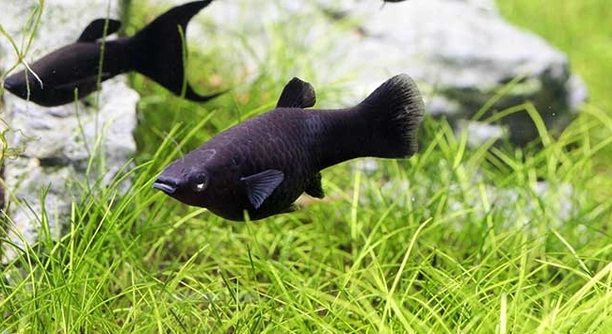
Do you ever find yourself arranging a community aquarium and wondering if all your fish can live together peacefully? Black Mollies are popular for their hardiness, but pairing them with larger fish can be tricky sometimes.
Black Mollies can coexist with larger fish under specific conditions. Providing ample space, hiding spots, and monitoring aggression levels ensures that Black Mollies can thrive without being stressed or outcompeted for food in a shared tank environment.
Maintaining a balanced environment and understanding fish behavior is key to creating harmony in your aquarium and ensuring every species flourishes.
Understanding Black Molly Behavior
Black Mollies are generally peaceful fish, but their behavior can vary depending on tank conditions and companions. They are livebearers, meaning they give birth to free-swimming fry, which can make them slightly protective at times. Black Mollies prefer calm environments with stable water conditions and moderate lighting. Aggression is usually minimal, but it can appear if they feel crowded or stressed. Adding larger, more assertive fish can cause tension if the tank is not spacious enough. Mollies are active swimmers and enjoy having plants or decorations to hide among. This reduces stress and prevents conflicts with larger tankmates. Proper feeding is crucial, as competition for food may trigger minor aggression. Monitoring interactions regularly helps identify any signs of stress or bullying early. Tank mates that are too aggressive or fast may outcompete Mollies for food, leading to stunted growth or health issues. A balanced community tank setup can allow both small and larger species to coexist.
Careful observation and planning can prevent unnecessary conflicts and ensure a peaceful tank.
Maintaining harmony involves understanding each species’ habits. Black Mollies thrive in groups and enjoy mid-to-top water swimming. They are compatible with larger fish that are non-aggressive and slow to moderate in swimming. Providing plants, hiding spots, and consistent feeding routines reduces stress and helps prevent fights. Tank size plays a significant role; a spacious tank allows each species to establish its own territory. Avoid overcrowding, which can increase tension and cause health problems. Regularly testing water parameters ensures Mollies and larger fish remain healthy. Keeping a close eye on their interactions allows for timely adjustments if problems arise. Selecting tankmates that share similar water preferences, such as temperature and pH levels, enhances coexistence. By creating a structured environment, you can minimize aggression and help all fish feel secure. Even larger fish can live peacefully with Black Mollies if the right conditions are provided, maintaining a balanced and healthy aquarium environment.
Choosing Compatible Larger Fish
Selecting the right tankmates is key for a peaceful environment.
Larger fish like Gouramis, Platies, or peaceful Barbs often coexist well with Black Mollies. Aggressive species, like Cichlids, should be avoided. Compatibility depends on temperament, size, and swimming patterns.
When introducing larger fish, it is important to consider their natural behavior and dietary needs. Black Mollies are omnivorous and need a mix of plant-based and protein-rich foods, so tankmates with similar diets reduce competition. Space is essential; a tank that is too small increases stress for all fish. Observing initial interactions helps determine if additional hiding spaces are necessary. Mollies are social, so keeping them in small groups allows them to establish a sense of security, reducing the likelihood of being bullied. Some larger fish prefer bottom-dwelling, while Mollies swim mostly in the mid-to-top areas, which naturally separates territories. Lighting, filtration, and regular water changes contribute to overall tank health. Gradually introducing fish rather than adding all at once can ease tensions. With proper planning and monitoring, Black Mollies can live alongside larger species successfully, creating a lively and balanced aquarium environment.
Tank Setup for Coexistence
A well-planned tank setup reduces stress and prevents conflict. Plants, hiding spots, and open swimming areas give both Black Mollies and larger fish space to move freely and feel secure. Proper filtration and temperature control maintain water quality.
Spacing in the tank is essential for peaceful coexistence. Black Mollies are active swimmers and need mid-to-top water space, while some larger fish prefer lower regions. Adding tall plants, rocks, or decorations creates territories and hiding places, reducing aggressive encounters. Consistent lighting and a stable water temperature help fish adapt and thrive. Overcrowding should be avoided, as it increases stress and health risks. Filtration must handle the bioload from multiple species to prevent ammonia or nitrite spikes. By designing a tank with both vertical and horizontal space, fish can swim comfortably without constant competition.
Monitoring behavior after introducing new fish is crucial. Observing interactions, ensuring adequate feeding, and adjusting hiding spots when needed maintains harmony. Introducing fish gradually allows everyone to adapt. Regular water tests prevent sudden changes that might stress sensitive species. A balanced tank with thoughtful design can support both Black Mollies and larger fish without compromising their health or behavior.
Feeding Strategies
Feeding routines affect tank harmony. Multiple small feedings reduce competition and aggression over food.
Black Mollies are omnivores and require both plant matter and protein sources. Feeding them alongside larger fish requires balance to ensure no species is outcompeted. Floating foods allow Mollies to feed at the surface while bottom-dwelling fish access sinking pellets. Observation during feeding times helps identify if certain fish need extra attention or smaller portions. Providing a variety of foods, including flakes, frozen, and live options, ensures nutritional needs are met. Avoid overfeeding, which can foul the water and cause health problems. Feeding in different tank areas encourages natural distribution and reduces tension. Timing and portion control play a key role in maintaining peaceful coexistence.
Regular monitoring of eating habits is essential to prevent malnutrition or stress. Fish that struggle to reach food may need specialized feeding strategies. Adjusting food type, size, and placement ensures all species receive proper nutrition. Black Mollies and larger fish may have different growth rates, so keeping track of body condition helps detect early signs of health issues. Separating particularly aggressive feeders during mealtime can reduce conflicts. Consistent feeding schedules, along with a variety of high-quality foods, create a stable and healthy environment. Ensuring each species thrives nutritionally supports a balanced and harmonious aquarium ecosystem.
Monitoring Tank Dynamics
Regular observation helps detect early signs of stress or aggression. Pay attention to chasing, nipping, or hiding behaviors among Black Mollies and larger fish. Adjust tank layout if needed.
Keeping notes on fish interactions allows for timely changes. Even small shifts in behavior can indicate discomfort or overcrowding.
Adjusting Water Conditions
Stable water parameters are crucial for all tank inhabitants. Black Mollies prefer slightly alkaline, warm water, which must be compatible with larger fish. Frequent testing ensures pH, temperature, and hardness remain consistent. Sudden fluctuations can stress fish and trigger aggressive behavior. Maintaining clean water through proper filtration and regular changes supports overall health and reduces disease risk. Proper aeration and gentle water flow help accommodate active swimmers like Mollies and prevent larger fish from dominating space. By monitoring conditions closely, both small and larger fish can thrive in a shared environment, minimizing conflicts and promoting natural behaviors.
Observing Health Indicators
Watch for signs of illness or injury. Healthy fish are active, eat well, and display vibrant colors.
Regularly checking health prevents minor issues from becoming serious problems.
FAQ
Can Black Mollies live with aggressive larger fish?
Black Mollies generally do not do well with aggressive species. Larger fish that chase, nip, or dominate the tank can stress Mollies, sometimes leading to injury or stunted growth. Choosing peaceful or semi-aggressive fish is crucial. Aggression can be minimized with ample hiding spots, plants, and decorations that allow Mollies to retreat safely. Monitoring behavior during the first weeks after introducing new tankmates is important to ensure no one is being harassed.
How many Black Mollies should be kept together?
Keeping at least three to five Mollies together allows them to establish a social group, reducing stress and bullying. Solitary Mollies often feel insecure, and their behavior can become erratic. Small groups encourage natural swimming patterns and social interactions, which are especially important when sharing a tank with larger fish. Larger groups may require a bigger tank to prevent overcrowding and maintain water quality.
What tank size is suitable for Black Mollies with larger fish?
A tank of at least 30 gallons is recommended for a community setup with Black Mollies and larger fish. Bigger tanks reduce territorial conflicts, allow proper swimming space, and make hiding spots more effective. Overcrowding increases stress and disease risk. Vertical and horizontal space distribution is important, as Mollies swim near the surface while some larger fish occupy lower areas. A spacious tank also simplifies maintenance and feeding routines.
What kind of diet works for both Black Mollies and larger fish?
Black Mollies are omnivorous, thriving on a mix of plant-based foods, flakes, and occasional protein sources like brine shrimp. Larger fish may have similar or slightly different dietary needs. Feeding strategies like multiple small meals, surface-floating foods for Mollies, and sinking pellets for bottom dwellers help reduce competition. A varied diet ensures all species get the nutrients they need without outcompeting one another. Monitoring eating patterns ensures no fish is left underfed.
How often should water be changed in a mixed tank?
Partial water changes of 20-30% weekly help maintain clean, stable water conditions. Black Mollies and larger fish produce significant waste, which can raise ammonia and nitrite levels if untreated. Consistent water changes reduce stress, prevent disease, and promote healthy growth. Testing water regularly for pH, hardness, and temperature ensures compatibility for all species in the tank. Clean water supports peaceful coexistence and vibrant fish colors.
Can Black Mollies breed in a tank with larger fish?
Yes, but survival of fry can be an issue. Larger fish may eat the fry, so providing plenty of hiding spaces like dense plants or breeding boxes increases survival rates. Mollies give birth to free-swimming young, so planning for a separate nursery area is helpful if you want to raise fry successfully. Proper nutrition and stress-free conditions for adult Mollies improve breeding success.
How do I handle aggression if it occurs?
Observe interactions carefully and identify which fish are causing problems. Rearranging decorations or adding more hiding spots can reduce tension. In extreme cases, separating aggressive individuals may be necessary. Gradual introductions and maintaining a stable environment prevent most conflicts. Keeping groups balanced in size and number also reduces stress-related aggression.
Are there specific water parameters Black Mollies prefer?
Black Mollies thrive in slightly alkaline water with a pH of 7.5 to 8.5, temperatures between 75°F and 82°F, and moderate hardness. Larger fish must tolerate similar conditions for coexistence. Sudden changes in temperature or pH can stress Mollies, making them more vulnerable to disease and aggression. Stable parameters benefit all species in a mixed tank.
What are common signs that coexistence isn’t working?
Signs include constant chasing, nipped fins, hiding, loss of appetite, or pale coloration. If these behaviors persist, adjustments to tank setup, feeding routines, or tankmates are necessary. Prompt action prevents injury and promotes a healthier, balanced aquarium environment for both Black Mollies and larger fish.
Is it necessary to quarantine new fish?
Yes, quarantining new fish for at least two weeks helps prevent the introduction of disease into an established tank. It also allows observation of behavior before mixing them with Mollies and other species. Early detection of illness or aggression reduces risk to the main tank population.
How can hiding spaces be optimized for both Mollies and larger fish?
Use plants, rocks, and decorations to create vertical and horizontal layers. Mollies tend to swim near the surface, while some larger fish stay lower. Providing both levels ensures each species can find refuge and reduces direct confrontations. Dense planting also benefits fry survival and overall fish comfort.
Do Black Mollies require special care compared to other community fish?
They are relatively hardy but need stable water, consistent feeding, and peaceful companions. Attention to group size, hiding spots, and tank layout ensures they thrive alongside larger fish. Regular monitoring of behavior and health prevents minor issues from escalating, keeping both Mollies and tankmates healthy.
Can temperature fluctuations affect coexistence?
Yes, temperature swings can stress both Mollies and larger fish, leading to increased aggression or susceptibility to disease. Using a reliable heater, thermometer, and stable environment maintains harmony. Gradual adjustments are better than sudden changes, which can disrupt feeding and social interactions.
Are live plants beneficial for coexistence?
Live plants provide hiding spots, reduce stress, and improve water quality. They create natural barriers and break line-of-sight, which helps reduce aggression. Mollies and larger fish benefit equally from a planted tank, promoting natural behaviors and improving overall health.
How long does it take for Black Mollies and larger fish to adjust?
Adjustment periods vary but generally take one to two weeks. During this time, monitor behavior, provide ample hiding spots, and maintain stable water conditions. Gradual adaptation allows both species to establish territories and reduces initial conflicts, ensuring long-term harmony in the aquarium.
This FAQ addresses the most common concerns regarding Black Mollies coexisting with larger fish. Proper tank management, observation, and planning make peaceful coexistence achievable, supporting healthy, active fish in a shared environment.
Final Thoughts
Keeping Black Mollies with larger fish can be a rewarding experience if done correctly. These fish are generally peaceful, but their safety and well-being depend on careful planning. Choosing compatible tankmates is the first step. Peaceful or semi-aggressive species that share similar water and dietary requirements are the best options. Aggressive fish, fast feeders, or overly territorial species should be avoided, as they can stress or harm Mollies. Proper tank size also plays a significant role in maintaining balance. A larger tank provides ample space for each species to establish territory, swim freely, and reduce confrontations. Vertical and horizontal space distribution is important because Mollies prefer mid-to-top swimming areas, while some larger fish occupy the bottom. By considering these factors before adding fish, the chance of conflict is minimized, and all species can coexist comfortably.
Tank setup and environment are equally important for creating harmony. Adding plants, decorations, and hiding spots allows Black Mollies to retreat if they feel threatened and gives larger fish areas of their own. Dense planting or tall decorations can also help fry survive if Mollies breed in the tank. Water quality must be maintained consistently. Proper filtration, regular water changes, and monitoring pH, temperature, and hardness are crucial. Sudden fluctuations in water conditions can stress fish and trigger aggressive behavior. Feeding routines should be planned to accommodate both Black Mollies and larger fish. Multiple small feedings and different food types ensure all fish receive enough nutrition without competition or conflict. Observation during feeding times helps identify individuals that may need extra attention. With the right setup and care, both Mollies and larger fish can remain healthy, active, and stress-free in a shared environment.
Patience and careful observation are key to long-term success. Fish behavior can change over time, and even compatible species may occasionally show minor aggression. Watching for signs of stress, illness, or imbalance allows adjustments before serious issues occur. Black Mollies are hardy, but maintaining group size, monitoring interactions, and providing stable water conditions make a big difference. Gradual introductions of new fish, proper feeding strategies, and a well-planned environment support peaceful coexistence. With attention to these details, Black Mollies can thrive alongside larger fish, creating a balanced and vibrant aquarium. Over time, observing their interactions and growth provides insight into what works best for your specific tank. Consistency, care, and thoughtful planning ensure a healthy, harmonious community where both Mollies and larger fish can flourish, offering a satisfying and enjoyable aquarium experience.

Hello,
If you enjoy the content that we create, please consider saying a "Thank You!" by leaving a tip.
Every little bit helps us continue crafting quality advice that supports the health, happiness, and well-being of pets around the world, for pets of all shapes, sizes, and species.
We really appreciate the kindness and support that you show us!