
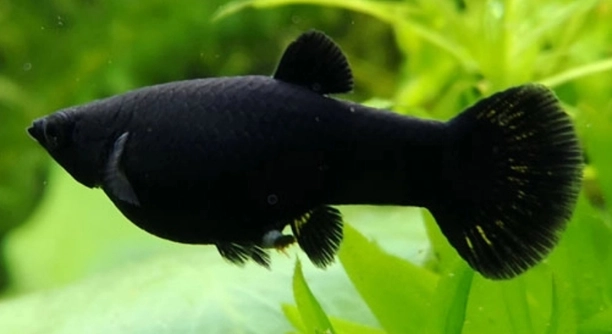
Do you enjoy keeping aquariums but sometimes notice your Black Mollies acting very differently from one another? These fish can show distinct behaviors, and identifying their personalities is key to maintaining a harmonious tank environment.
Dominant Black Mollies display assertive behaviors such as claiming territory, actively chasing tank mates, and leading feeding times, while passive Black Mollies are more submissive, avoid confrontations, and often remain on the periphery of social interactions within the aquarium.
Recognizing these behavioral differences helps ensure all fish thrive in their shared environment. Learning to distinguish between dominant and passive Mollies can improve tank dynamics and care strategies.
Physical Appearance Differences
Dominant Black Mollies are often slightly larger and display a more robust body shape. Their fins tend to be more pronounced, and their coloration may appear richer or darker. Passive Black Mollies are generally smaller with less pronounced fins. Observing their swimming patterns can also help distinguish them. Dominant Mollies swim confidently across the tank, often patrolling their chosen areas, while passive Mollies stay closer to hiding spots or the tank’s edges. These physical and behavioral cues are subtle but consistent. Differences in size and fin structure can influence feeding and social interactions. Dominant Mollies often assert themselves during feeding, nudging others aside, while passive Mollies wait or retreat. Understanding these differences helps you maintain a balanced tank, ensuring both types of Mollies have sufficient space and resources. Paying attention to these characteristics also reduces stress among fish. Over time, recognizing dominant versus passive traits becomes easier, supporting healthier aquarium management and observation practices.
Observing size and fin prominence is a simple way to start identifying dominant and passive Black Mollies.
Physical differences are just one aspect. Dominant Mollies’ assertive movements, body posture, and fin displays often indicate their confidence, while passive Mollies’ smaller size and cautious swimming reflect their tendency to avoid conflict. These traits affect interactions, feeding patterns, and social hierarchy within the tank. By monitoring these aspects, you can adjust tank layout, decorations, and hiding spots to support all fish. Dominant Mollies require space to establish territory, while passive Mollies benefit from areas where they feel safe. Recognizing these differences also helps prevent aggression-related injuries and ensures all fish access sufficient food. Over time, noting size, fin development, and swimming confidence makes it easier to predict behavior. This understanding allows for better planning of tank population, feeding schedules, and environmental enrichment. The combination of physical and behavioral observation is essential for maintaining a balanced and healthy aquarium where both dominant and passive Black Mollies thrive, reducing stress and promoting natural social structures.
Feeding Behavior
Dominant Black Mollies usually eat first and can chase passive fish away from food.
Feeding differences are significant in maintaining harmony. Dominant Mollies show assertive behavior during feeding, moving quickly to consume food, while passive Mollies often wait, nibbling slowly or hesitating when others approach. Feeding strategies should accommodate both types to ensure nutritional needs are met. Placing food in multiple areas and timing feedings helps passive Mollies access nutrition without confrontation. Tank decorations can provide safe spaces for passive fish during feeding times. Consistent observation allows you to adjust feeding practices to reduce stress and promote healthy growth for all Mollies. Dominant Mollies benefit from open spaces for feeding, while passive Mollies need corners or plants for protection. Over time, these feeding patterns become predictable, allowing smoother daily maintenance. Recognizing these behaviors also prevents overfeeding and ensures all fish remain healthy. Managing feeding behavior supports social balance and minimizes conflict, creating a more peaceful and thriving aquarium environment for both dominant and passive Black Mollies.
Social Interaction
Dominant Black Mollies often assert themselves over other fish, leading the group and chasing rivals. Passive Mollies stay on the edges, avoiding conflict and rarely initiating interaction. Their social patterns influence tank hierarchy and daily dynamics.
Dominant Mollies actively patrol the tank, engaging with other fish to establish control. They may display fin flaring or gentle nudging to assert dominance, especially during feeding or near preferred hiding spots. Passive Mollies tend to retreat when approached and avoid confrontations. They rely on observation and timing to feed or explore, often following dominant fish rather than leading. These behaviors create a natural hierarchy that can be observed over time. Recognizing social tendencies allows for better tank management, ensuring that passive fish have space to feel secure without constant stress. Observing daily interactions helps identify changes in dominance or stress levels, which is crucial for long-term fish health.
Social patterns also affect breeding behavior and stress responses. Dominant Mollies may interfere with passive Mollies during mating displays, while passive fish often select safer, quieter areas to spawn. Understanding these tendencies allows you to design the tank environment to reduce conflict. Providing ample hiding spots, plants, and open swimming areas helps passive Mollies remain safe and allows dominant Mollies to assert themselves naturally. Tank layout adjustments can prevent bullying, ensure equitable food distribution, and promote healthier social interactions. Monitoring behavior over time ensures that dominance does not escalate into harmful aggression, supporting a balanced and thriving aquarium ecosystem.
Aggression Levels
Dominant Black Mollies display higher aggression, chasing or nipping at other fish more frequently than passive Mollies.
High aggression in dominant Mollies can stress passive fish, leading to hiding, reduced feeding, or slower growth. Passive Mollies avoid confrontation, making them more vulnerable in crowded or poorly structured tanks. Understanding aggression levels is key to maintaining peace.
Aggression affects tank layout, social interactions, and feeding strategies. Dominant Mollies may patrol and defend territories, ensuring they control space and resources, while passive Mollies stay cautious, retreating into plants or corners when threatened. Excessive aggression can cause injury, stress, or illness in passive fish if hiding spots are insufficient. Introducing tank decorations, multiple feeding stations, and carefully planned population density helps mitigate conflict. Monitoring individual temperaments allows for adjustments, such as separating particularly aggressive fish or providing additional space. Recognizing early signs of aggression supports a balanced environment, allowing both dominant and passive Mollies to thrive without continuous stress. Observing interactions daily ensures timely intervention and promotes long-term health for all tank inhabitants.
Territory and Space
Dominant Black Mollies claim specific areas in the tank, often patrolling plants or decorations. Passive Mollies avoid these zones, preferring corners or less populated areas. This behavior affects movement, feeding, and interactions within the aquarium.
Providing ample space and hiding spots helps passive Mollies feel safe while allowing dominant fish to establish territories without conflict.
Activity Levels
Dominant Mollies are usually more active, swimming across the tank and exploring their surroundings. Passive Mollies move cautiously and remain near safe zones. Activity levels impact feeding schedules, tank design, and social interactions. Understanding each type’s energy helps maintain a balanced aquarium environment.
Stress Responses
Dominant Black Mollies tolerate minor disturbances better, while passive Mollies show stress through hiding, color fading, or rapid darting. Recognizing these signs prevents prolonged stress and ensures healthier fish.
How can I tell if my Black Molly is dominant or passive?
Dominant Black Mollies are usually larger, swim confidently, and assert themselves during feeding or when near other fish. They may flare fins, chase tank mates, or patrol their chosen territory. Passive Mollies are smaller, avoid confrontations, and often stay near hiding spots or the tank’s edges. Observing daily behavior over several days gives a clear picture of each fish’s personality.
Do dominant Black Mollies bully passive ones?
Yes, dominant Mollies can chase or nip at passive fish, especially during feeding or when defending territory. Passive Mollies avoid these encounters by retreating to corners, plants, or less populated areas of the tank. Providing multiple hiding spots and open swimming spaces reduces stress and prevents injury.
How should I feed dominant and passive Black Mollies?
Dominant Mollies tend to eat first and may push passive fish aside. Using multiple feeding locations in the tank ensures passive Mollies get enough food. Timing and observation are important; feeding smaller amounts more frequently can help passive fish access nutrition without competition. Floating or sinking pellets in different areas also encourages fair distribution.
Can passive Black Mollies thrive in a tank with dominant ones?
Yes, passive Mollies can thrive if the tank is structured properly. Plants, decorations, and hiding spots allow them to escape aggression and feed safely. Monitoring interactions is essential. Adjusting population density and providing ample space prevents stress and helps maintain social balance.
Do dominant and passive Mollies have different activity levels?
Dominant Mollies are usually more active, exploring and patrolling the tank consistently. Passive Mollies move cautiously, often staying near safe zones or following dominant fish rather than leading. Tank design should accommodate both energy levels, offering open swimming areas for dominant fish and sheltered zones for passive ones.
Do dominant Black Mollies affect breeding behavior?
Dominant males may interfere with passive males or females during mating displays. Passive fish often choose quieter, less exposed areas to spawn. Understanding this helps create a breeding-friendly environment by offering plants, caves, or isolated sections where passive Mollies can reproduce without interference.
How can I reduce aggression in the tank?
Providing ample space, hiding spots, and multiple feeding areas reduces conflicts. Observing fish daily allows early detection of persistent bullying. If necessary, separating highly aggressive individuals or adjusting tank population can prevent injuries. A balanced environment benefits both dominant and passive Mollies.
Do stress levels differ between dominant and passive Mollies?
Passive Mollies are more prone to stress, showing color fading, hiding, or rapid darting. Dominant Mollies handle minor disturbances better. Recognizing these signs allows you to adjust tank conditions, ensure safe zones, and reduce stress, promoting healthier, longer-lived fish.
Can tank decorations influence dominance?
Yes, territorial behaviors are affected by layout. Dominant Mollies may claim prominent plants or open areas, while passive fish retreat. Strategic placement of hiding spots and visual barriers allows both types to coexist, minimizes conflict, and encourages natural behavior patterns.
Should I separate dominant and passive Mollies permanently?
Permanent separation is usually unnecessary if the tank is large enough and offers sufficient hiding spaces. Adjusting tank setup, monitoring interactions, and managing feeding routines usually allow both dominant and passive Mollies to thrive together. Separation is only needed in extreme cases of persistent aggression.
How do I maintain a balanced social environment?
Ensure sufficient space, multiple feeding stations, and abundant hiding spots. Observe behavior daily and intervene if aggression escalates. Adjust tank population as needed. By balancing the environment, both dominant and passive Mollies can live comfortably, with reduced stress and healthier interactions.
Can passive Mollies eventually become dominant?
It is rare but possible if the social hierarchy changes, such as the removal of dominant fish. Passive Mollies may gradually become more confident and take on a higher position. Observing these shifts helps maintain a harmonious tank and informs adjustments to feeding, space, and decorations.
How do I know if my tank size is suitable?
A larger tank allows both dominant and passive Mollies to establish territories and reduces conflict. Overcrowding increases aggression and stress. For a balanced group, ensure at least 20 gallons for a small community, with more space as the number of fish increases.
What are common signs of stress in passive Mollies?
Hiding excessively, faded color, rapid darting, or refusal to eat are key indicators. Addressing tank layout, feeding practices, and aggression levels helps reduce stress. Healthy passive Mollies should swim confidently within safe areas and interact minimally without constant retreat.
Do dominant Mollies require more attention?
Dominant Mollies may need careful observation to prevent aggressive behavior from escalating. Their assertiveness affects feeding and social dynamics. Adjusting space, tank structure, and monitoring daily behavior ensures their dominance does not harm other fish.
How does tank population affect social dynamics?
A well-balanced population reduces conflict. Overcrowding intensifies aggression, while too few fish may disrupt social hierarchy. Maintaining a mix of dominant and passive Mollies in appropriate numbers ensures natural behaviors without excessive stress. Observing interactions helps fine-tune population balance.
Can environmental enrichment reduce stress?
Yes, adding plants, hiding spots, and decorations encourages exploration, provides refuge for passive Mollies, and allows dominant Mollies to patrol without constant confrontation. Enrichment reduces stress, supports natural behavior, and improves overall tank harmony.
How long does it take to identify dominant and passive Mollies?
Observing fish over several days to a week usually reveals consistent behaviors. Dominant Mollies show assertiveness quickly, while passive Mollies exhibit cautious behavior. Patience and daily observation ensure accurate identification, supporting proper tank management and social balance.
What should I do if aggression escalates?
Increase hiding spots, adjust feeding practices, or consider temporary separation of aggressive fish. Monitoring interactions closely and making timely adjustments prevents injury, reduces stress, and maintains a peaceful tank environment for both dominant and passive Mollies.
Are there behavioral changes over time?
Yes, as fish grow or as social dynamics shift, behaviors may change. Passive Mollies may become more confident, or dominant fish may assert themselves more strongly. Continuous observation and minor adjustments help maintain balance and reduce stress.
Can diet influence behavior?
A balanced diet ensures all fish have energy and reduces competition during feeding. Malnutrition can increase aggression or stress. Providing high-quality food in multiple locations supports healthy behavior in both dominant and passive Black Mollies.
Do water conditions affect dominance?
Poor water quality can increase stress, making passive fish more vulnerable and dominant fish more aggressive. Maintaining clean water, proper temperature, and consistent parameters supports calmer behavior and overall tank health.
How often should I observe interactions?
Daily observation is ideal. Watching feeding, swimming patterns, and social interactions helps identify stress, aggression, or health issues early. Regular monitoring ensures adjustments can be made to maintain a balanced and harmonious tank environment.
What is the best tank setup for mixed behavior?
A combination of open swimming areas, plants, caves, and visual barriers allows dominant Mollies to assert territories while giving passive fish safe zones. Proper tank design reduces conflict, encourages natural behavior, and supports healthy interactions over time.
How do I prevent bullying in small tanks?
Avoid overcrowding, provide multiple hiding spots, and distribute food across the tank. Closely monitor behavior, and if necessary, temporarily separate aggressive fish. Small tanks require careful management to maintain peace between dominant and passive Mollies.
Can dominant Mollies stress passive Mollies to illness?
Yes, prolonged stress can weaken immune systems in passive fish, leading to illness. Ensuring safe spaces, proper feeding, and controlled interactions minimizes stress and supports overall health.
Is it normal for passive Mollies to hide often?
Yes, it is natural behavior for passive fish to seek refuge. Excessive hiding may indicate stress or insufficient tank structure. Providing plants, caves, and calm areas helps passive Mollies feel secure.
How do I introduce new Mollies without disrupting hierarchy?
Introduce fish gradually and provide hiding spots. Observe interactions closely. Dominant Mollies may establish control quickly, while passive fish need safe zones. Proper introduction prevents unnecessary stress and preserves social balance.
What role do plants play in behavior management?
Plants offer shelter for passive Mollies, reduce line-of-sight conflicts, and create natural barriers. They help manage aggression and provide enrichment for all fish, contributing to a balanced and healthy tank environment.
Can behavior vary with age?
Yes, younger Mollies may be more timid or energetic. As they mature, dominance hierarchies solidify. Recognizing these changes allows for proper tank adjustments and support for both dominant and passive individuals.
How do I know if my passive Mollies are healthy?
Healthy passive Mollies should eat, swim, and interact within safe zones. Color should be consistent, and hiding behavior should not be excessive. Monitoring these signs ensures they are thriving despite their submissive nature.
What is the key to maintaining balance in the tank?
Providing space, hiding spots, multiple feeding areas, and observing interactions regularly ensures both dominant and passive Mollies coexist with minimal stress. Adjustments in layout, population, or feeding routines maintain harmony and support healthy social dynamics.
Can tank lighting affect behavior?
Lighting influences activity levels and stress. Bright light may increase aggression or cause passive fish to hide. Balanced lighting with shaded areas supports natural behavior and reduces conflict between dominant and passive Mollies.
How do I handle aggressive outbreaks?
During aggressive outbreaks, separate the aggressive individual temporarily or rearrange tank decorations to break lines of sight. Monitor interactions closely and provide additional hiding spots to calm the tank and protect passive fish.
What are the long-term benefits of recognizing dominance?
Understanding which Mollies are dominant allows better tank management, reduces stress, prevents injury, and ensures fair food distribution. Observing hierarchy promotes a healthier, more stable environment for all fish over time.
How do tank mates influence behavior?
Other species can affect dominance and stress levels. Peaceful tank mates reduce conflict, while aggressive species may exacerbate stress in passive Mollies. Choosing compatible companions supports a balanced and harmonious environment.
Are there differences in lifespan between dominant and passive Mollies?
Lifespan is generally similar, but prolonged stress in passive fish due to constant bullying may shorten life expectancy. Providing safe spaces and proper care ensures both types have an equal chance to thrive.
Can environmental changes shift dominance?
Yes, rearranging decorations or adding new fish can alter social hierarchies. Passive Mollies may gain confidence, and dominant fish may adjust territory claims. Observing responses to changes helps maintain harmony and minimizes stress.
What is the most important factor in coexistence?
Providing adequate space, hiding spots, multiple feeding locations, and daily observation ensures both dominant and passive Mollies thrive together. Managing aggression and promoting safe areas supports a balanced, healthy, and low-stress aquarium environment.
How often should I clean the tank to reduce stress?
Regular cleaning maintains water quality and reduces stress. Removing debris, performing partial water changes, and maintaining filters ensures a safe environment, minimizing aggression and supporting overall fish health.
Do dominant Mollies require special care?
They need observation to ensure assertive behavior does not harm others. Providing space, monitoring aggression, and maintaining consistent feeding supports their health while protecting passive tank mates.
Can changes in diet influence social behavior?
Yes, high-quality food and proper feeding practices reduce competition and aggression. Ensuring both dominant and passive Mollies receive sufficient nutrition supports calmer interactions and healthy growth.
Is it necessary to track behavior daily?
Daily observation helps identify early signs of stress, aggression, or illness. Tracking behavior allows timely adjustments to tank layout, feeding, or population to maintain balance and ensure the wellbeing of all Mollies.
How do I balance energy levels in the tank?
Designing a tank with open swimming areas for dominant fish and sheltered zones for passive fish accommodates varying activity levels. Observing daily movement ensures both types are comfortable and reduces conflict.
What should I do if a passive Molly becomes ill?
Remove the sick fish to a quarantine tank, provide treatment, and monitor water quality. Ensuring passive fish remain safe from dominant individuals during recovery is crucial for healing.
Can dominant Mollies stress new arrivals?
Yes, dominant Mollies may chase or assert control over newcomers. Providing hiding spots, observing interactions, and gradual introductions minimize stress and help integrate new fish into the social hierarchy.
How do I encourage passive Mollies to feed confidently?
Feed in multiple locations, place food near hiding spots, and ensure dominant Mollies are occupied elsewhere. Consistent practice allows passive fish to eat without fear or competition.
Are there seasonal or temperature effects on behavior?
Temperature changes can alter activity and aggression levels. Maintaining stable, appropriate temperatures reduces stress and ensures normal social interactions for both dominant and passive Mollies.
How can I predict potential conflicts?
Observing interactions, body language, and feeding patterns helps anticipate aggression. Early intervention, tank layout adjustments, and additional hiding spots prevent escalation and protect passive Mollies.
What is the role of water parameters in behavior?
Stable pH, temperature, and clean water reduce stress and aggression. Poor water conditions exacerbate dominance conflicts and negatively affect passive fish. Maintaining optimal parameters supports calm and healthy behavior.
Can passive Mollies improve confidence over time?
Yes, with safe zones, proper care, and reduced aggression, passive Mollies may become more confident, exploring more areas and interacting cautiously with other fish. Patience and observation are key.
Is monitoring color a good indicator of stress?
Yes, faded or dull coloration in passive Mollies often signals stress or illness. Dominant Mollies usually maintain bright coloration. Observing color changes helps identify issues early.
How do I create a long-term balanced aquarium?
Provide adequate space, hiding spots, multiple feeding locations, and monitor daily behavior. Adjust population, layout, and feeding routines to support both dominant and passive Mollies consistently. A well-structured environment ensures harmony and health.
Can aggressive behavior be reduced through tank rearrangement?
Yes, altering decorations or adding barriers breaks visual lines, reduces bullying, and provides passive Mollies with safer zones, allowing all fish to coexist more peacefully.
Do dominant Mollies influence passive fish’s growth?
Indirectly, yes. Constant competition or stress may reduce feeding opportunities for passive Mollies, potentially affecting growth. Proper feeding and safe zones ensure healthy development for all fish.
How do I prevent dominance-related injuries?
Providing sufficient space, hiding spots, and monitoring daily interactions prevents escalation. Temporary separation of overly aggressive fish may be needed to protect passive Mollies and maintain tank harmony.
Can lighting cycles affect dominance behavior?
Yes, bright lighting may increase activity and aggression. Including shaded areas and proper lighting cycles reduces stress, allowing passive Mollies to remain safe and confident.
What is the best way to track behavior over time?
Keep a simple daily log of interactions, feeding, hiding patterns, and activity levels. Monitoring changes helps identify stress, aggression, or shifts in dominance, supporting long-term tank management.
How does tank size influence stress in passive Mollies?
Larger tanks reduce competition, provide escape routes, and lower stress. Overcrowding increases aggression from dominant Mollies and can negatively impact passive fish. Providing sufficient space ensures balanced interactions.
Can dominance change with the addition of new tank mates?
Yes, adding new fish can alter social hierarchy. Passive Mollies may gain confidence, and dominant fish may adjust territory claims. Careful observation ensures smooth integration.
How do I maintain feeding fairness?
Distribute food across multiple locations, feed at different times, and observe fish to ensure passive Mollies access enough nutrition without interference from dominant fish.
Are there behavioral cues before aggression occurs?
Yes, fin flaring, chasing, or sudden darting often precedes aggressive encounters. Recognizing these signs allows for timely intervention, rearranging tank decorations, or providing hiding spaces.
Do dominant and passive Mollies require different water parameters?
No, both require the same stable conditions. Ensuring optimal pH, temperature, and cleanliness reduces stress and aggression, benefiting both types equally.
Can environmental enrichment prevent bullying?
Yes, providing plants, caves, and visual barriers offers refuge for passive fish and reduces conflict, promoting natural behaviors and a calmer, balanced tank environment.
How do I ensure long-term coexistence?
Provide space, hiding spots, multiple feeding locations, and monitor interactions daily. Adjust tank layout, population, and feeding practices to maintain harmony and minimize stress over time.
Does the presence of other species affect dominance?
Peaceful species reduce conflict, while aggressive species may intensify stress in passive Mollies. Selecting compatible companions ensures a balanced and calm environment.
Can passive Mollies ever become aggressive?
Under certain circumstances, such as absence of dominant fish, passive Mollies may become more assertive. Observing hierarchy shifts ensures proper tank adjustments to maintain balance.
What are early warning signs of tank imbalance?
Excessive hiding, frequent chasing, or injuries indicate imbalance. Adjusting layout, population, or feeding routines helps restore harmony and reduce stress for all fish.
How does water quality impact social dynamics?
Poor water quality increases stress, intensifying aggression from dominant Mollies and making passive Mollies more vulnerable. Maintaining clean, stable water supports calmer behavior.
Are there signs that a dominant Molly is over-stressed?
Yes, even dominant fish can show stress through reduced activity, color fading, or erratic swimming. Observing these signs allows timely intervention to improve tank conditions.
How do I maintain a healthy hierarchy over time?
Provide adequate space, safe zones, and monitor interactions. Gradually introduce new fish and adjust the environment to prevent persistent aggression, ensuring long-term stability for both dominant and passive Mollies.
Can diet changes reduce aggression?
Balanced, high-quality food in multiple locations minimizes competition, reducing aggressive behaviors and stress. Consistent feeding routines support both dominant and passive fish.
Is it normal for passive Mollies to avoid open areas?
Yes, passive Mollies often stay near plants or corners to avoid confrontation. Providing hiding spots ensures they remain safe while maintaining natural behavior patterns.
How do I know if tank decorations are sufficient?
If passive Mollies have places to hide and dominant Mollies have patrol areas without constant conflict, the layout is sufficient. Observation helps identify areas needing improvement.
Do dominant Mollies require more monitoring than passive ones?
Yes, their assertive behavior can affect tank dynamics. Observing daily ensures aggression does not harm passive Mollies, allowing adjustments to feeding, space, or layout.
How do I manage aggressive behavior during breeding?
Provide isolated areas for spawning, plants, or caves. Monitor interactions and ensure passive fish are safe. Dominant fish may need temporary separation to prevent interference.
Can sudden changes in tank conditions affect hierarchy?
Yes, temperature shifts, water quality changes, or rearrangement of decorations can alter dominance. Monitoring responses ensures passive Mollies remain safe and aggression is controlled.
How do I ensure passive Mollies eat enough?
Feed in multiple locations, place food
Understanding the differences between dominant and passive Black Mollies is essential for anyone who keeps an aquarium. Dominant Mollies often assert themselves in the tank, taking the lead in feeding, patrolling their territory, and interacting with other fish. Their confident behavior can influence the movement and comfort of passive Mollies, who typically avoid conflict and seek out safer areas of the tank. Observing these traits closely allows you to identify which fish are dominant and which are passive. This knowledge helps you plan the layout of your tank, the placement of decorations and plants, and the distribution of food, all of which are necessary for creating a balanced environment. Recognizing the social hierarchy early also reduces the risk of stress and injury among your fish. When you understand how your Black Mollies behave, you can provide the appropriate space and resources for both dominant and passive individuals to thrive.
Managing a tank with a mix of dominant and passive Mollies requires careful attention to behavior and interactions. Dominant Mollies may chase or nudge passive fish during feeding or when defending their territory. Passive Mollies, in response, often retreat to corners, plants, or areas with more cover. Providing sufficient hiding spots and multiple feeding areas ensures that all fish receive adequate nutrition without constant competition. Tank size also plays a critical role. Overcrowded tanks increase the likelihood of aggression and stress, while a spacious environment allows fish to establish territories and maintain their natural social patterns. Monitoring the fish daily and noting changes in behavior or activity levels can help identify potential problems early. Adjustments to tank layout, population, or feeding practices are often enough to maintain harmony. Over time, understanding and responding to these behavioral patterns helps all the fish in your aquarium feel more secure and thrive in their environment.
Long-term care for Black Mollies depends on supporting both types of behavior while minimizing stress. Dominant fish need enough space to assert themselves without overwhelming passive fish. Passive fish need safe zones where they can feed, rest, and explore without fear of harassment. Environmental enrichment, such as plants, rocks, and visual barriers, can help both types of fish feel comfortable. Consistent feeding routines and high-quality nutrition reduce competition and keep the social balance stable. Observing fish daily allows you to notice subtle shifts in dominance or confidence, ensuring timely adjustments to maintain a peaceful tank. By understanding the physical, social, and behavioral differences between dominant and passive Black Mollies, you can create an environment that promotes natural behaviors, reduces stress, and supports overall health. Proper management of these differences ensures a thriving aquarium where both dominant and passive Mollies coexist peacefully and enjoy a balanced, harmonious habitat.

Hello,
If you enjoy the content that we create, please consider saying a "Thank You!" by leaving a tip.
Every little bit helps us continue crafting quality advice that supports the health, happiness, and well-being of pets around the world, for pets of all shapes, sizes, and species.
We really appreciate the kindness and support that you show us!