
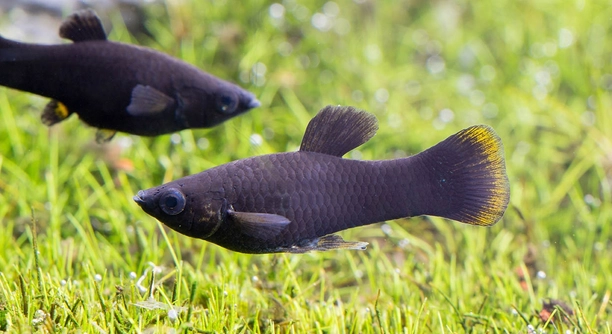
Many aquarium enthusiasts enjoy keeping black mollies for their lively nature and striking appearance. These fish are generally hardy, but owners sometimes notice unusual behaviors, such as gasping at the water’s surface, which can be alarming and concerning.
Black mollies often gasp due to low oxygen levels, poor water quality, or underlying health issues. Stress from overcrowding, improper temperature, and parasitic or bacterial infections can also trigger this behavior, compromising the fish’s overall well-being and survival.
Understanding the root causes of gasping is essential for maintaining healthy mollies. Identifying these factors early can prevent serious problems and support a thriving, balanced aquarium environment for your fish.
Low Oxygen Levels
Low oxygen in the aquarium is a common reason black mollies gasp at the surface. Water holds dissolved oxygen, which fish need to breathe. Warm water can reduce oxygen levels, especially if the tank is crowded or poorly circulated. Surface agitation, aeration devices, and regular water movement help keep oxygen levels steady. Plants and algae also affect oxygen balance, as they produce oxygen during the day but consume it at night. Fish may be seen hovering near the surface, opening their mouths wide, and moving more slowly. Observing these signs early allows you to adjust aeration or circulation before health issues develop. A small air pump or increased water movement can make a significant difference.
Keeping oxygen levels stable ensures black mollies can breathe comfortably and reduces stress. A well-aerated tank promotes natural behavior and overall vitality.
Maintaining proper oxygen requires monitoring tank conditions daily. Overcrowding increases oxygen demand, so limiting fish numbers is crucial. Temperature control matters because warmer water holds less oxygen. Using live plants strategically can help, but balance is key. Surface agitation and proper filtration improve oxygen diffusion, and aeration devices, like air stones, maintain steady levels. Observing fish behavior is the quickest way to notice oxygen problems. Addressing low oxygen promptly prevents long-term damage and supports healthy growth, movement, and feeding habits in black mollies. Regular maintenance, including partial water changes, also helps sustain adequate oxygen and water quality.
Poor Water Quality
Poor water quality can lead to gasping and other stress behaviors in black mollies. Ammonia, nitrites, and nitrates must be kept low through proper filtration and routine water changes.
Neglecting water conditions can cause gill irritation, infections, and reduced oxygen uptake. Maintaining clean water is essential for fish health.
Testing water parameters regularly allows you to catch issues before they affect black mollies. High ammonia or nitrite levels damage gill tissues, leading to rapid or labored breathing. Nitrates, while less immediately toxic, can stress fish over time, making them more vulnerable to illness. Using a reliable filter system and performing weekly water changes reduces harmful compounds. Avoid overfeeding, as uneaten food decays and increases toxins. Observing fish for lethargy, unusual swimming patterns, or gasping provides early warning signs of water problems. Correcting issues promptly prevents long-term damage, ensuring black mollies remain active, healthy, and vibrant in their aquarium environment.
Overcrowding
Overcrowding increases stress and lowers oxygen levels in the tank. Black mollies may gasp at the surface when there is too little space or too many fish competing for resources. Proper stocking prevents these problems.
Too many fish in a tank create constant competition for oxygen and food. Overcrowding can also lead to aggression, injury, and heightened stress levels. Stress weakens the immune system, making black mollies more susceptible to disease. Observing swimming behavior and interactions helps identify if your tank is overpopulated. Reducing the number of fish or upgrading to a larger tank improves both water quality and oxygen availability, allowing each molly to thrive comfortably. Proper planning when introducing new fish prevents future overcrowding issues.
Maintaining an appropriate number of fish per gallon is essential for long-term health. Overcrowded tanks experience faster waste accumulation, which strains filtration and water quality. Mollies may show labored breathing, faded coloration, or decreased appetite when stressed. Spacing fish adequately reduces conflict and ensures each fish receives sufficient oxygen. Regular monitoring and gradual adjustments, like moving some fish to another tank, help sustain a balanced, peaceful aquarium environment. This approach encourages active behavior and proper growth for black mollies.
Temperature Fluctuations
Sudden changes in water temperature can shock black mollies, causing them to gasp or behave erratically. Stable, consistent temperature is essential for their comfort and metabolic function.
Temperature swings stress mollies and can weaken their immune systems, increasing susceptibility to disease. Black mollies thrive in tropical water, typically between 75°F and 82°F. Rapid heating or cooling disrupts respiration and feeding habits. Using a reliable heater and thermometer helps maintain stability. Avoid placing the tank near drafts, windows, or heating vents. Monitoring temperature daily ensures mollies remain in a comfortable range, preventing stress-related behaviors. Consistent water conditions support normal activity and growth while reducing vulnerability to infection.
Extreme temperature shifts affect metabolism, gill function, and oxygen consumption. Cooler water slows metabolism, reducing energy and immune efficiency, while overly warm water decreases dissolved oxygen, leading to gasping. Black mollies exposed to fluctuations may hide, swim erratically, or become lethargic. Implementing gradual changes during maintenance or new water additions prevents shock. Combining a heater, thermometer, and occasional partial water changes allows the tank to remain stable. Stability promotes healthy growth, proper feeding, and active swimming. Observing fish daily helps detect early stress signs, ensuring corrective measures can be taken promptly.
Parasitic Infections
Parasitic infections can make black mollies gasp at the surface as they struggle to breathe. External parasites often irritate gills, while internal parasites can weaken overall health, reducing oxygen uptake and energy.
Early detection is important. Common signs include flashing, clamped fins, and unusual swimming patterns. Treating infections promptly with appropriate medication prevents long-term damage and restores normal breathing.
Bacterial Diseases
Bacterial diseases such as fin rot or gill infections directly affect black mollies’ respiratory system. Poor water conditions often allow bacteria to multiply rapidly. Infected fish may show labored breathing, lethargy, or loss of appetite. Maintaining clean water and proper filtration reduces bacterial growth. Treating infections with targeted antibiotics or antibacterial treatments can stop progression and support recovery. Observing behavior and water parameters regularly helps prevent outbreaks. A stressed or weakened fish is more vulnerable, so minimizing overcrowding, maintaining temperature, and reducing sudden changes improve resistance. Early intervention ensures the fish can return to normal activity and breathing.
Improper Diet
A poor diet can weaken black mollies and make them more prone to gasping. Balanced nutrition supports gill function, immunity, and overall vitality.
Why is my black molly gasping at the surface?
Gasping at the surface is often a sign of stress, low oxygen, or poor water quality. Black mollies rely on stable conditions and proper oxygen levels to breathe efficiently. Observing their behavior closely helps identify if the issue is environmental, dietary, or health-related.
Can low oxygen levels really harm my fish?
Yes, oxygen is essential for survival. Inadequate oxygen causes mollies to gasp at the surface, swim sluggishly, or cluster near areas with better circulation. Aeration, filtration, and surface movement improve oxygen diffusion, keeping fish healthy and active. Monitoring oxygen levels prevents long-term respiratory problems.
How do I know if water quality is causing gasping?
Signs include labored breathing, lethargy, or discolored gills. Testing for ammonia, nitrites, and nitrates is critical. High toxin levels irritate gills and stress mollies. Routine water changes, proper filtration, and careful feeding reduce waste buildup and maintain a healthy environment.
Could temperature changes be affecting my black molly?
Yes, sudden temperature shifts stress mollies and can disrupt their metabolism. Cold water slows activity and immunity, while warm water lowers oxygen levels. Keeping water consistently between 75°F and 82°F supports normal breathing, feeding, and overall health. Heaters and thermometers help maintain stability.
Are parasites a common cause of gasping?
External parasites like gill flukes irritate respiratory tissues, while internal parasites reduce energy and oxygen uptake. Flashing, clamped fins, and unusual swimming indicate infestation. Early treatment with appropriate medications prevents damage and restores normal behavior.
Can bacterial infections make my black molly gasp?
Yes, bacterial infections often target gills or cause systemic stress. Poor water conditions promote bacterial growth. Symptoms include labored breathing, lethargy, fin rot, and loss of appetite. Prompt treatment with antibiotics or antibacterial treatments, combined with water maintenance, can save affected fish.
Does diet impact breathing?
A poor or unbalanced diet can weaken mollies, reducing immunity and making gills more vulnerable. Feeding a mix of high-quality flakes, pellets, and occasional live or frozen foods ensures proper nutrition. Proper feeding habits prevent constipation and bloating, which can also affect respiration.
How can I prevent gasping in the future?
Maintain stable water temperature, proper oxygen levels, and clean water. Avoid overcrowding, overfeeding, and sudden environmental changes. Regular observation and monitoring allow early detection of stress, parasites, or illness, ensuring mollies remain healthy and active in the aquarium.
When should I consult a professional?
If gasping persists despite good water quality, balanced diet, and proper temperature, a vet or aquatic specialist can diagnose underlying infections, parasites, or diseases. Early intervention improves the chance of recovery and prevents serious long-term health issues.
Are there signs that indicate immediate danger?
Rapid, continuous gasping, floating at the surface, or unresponsiveness signals urgent problems. Immediate water testing, aeration, and temperature checks are necessary. In severe cases, isolating the fish and consulting a professional can prevent death and limit the spread of disease to other tank inhabitants.
What simple steps can improve breathing quickly?
Adding an air stone, increasing surface agitation, performing a partial water change, and ensuring proper tank temperature can quickly improve oxygen levels. Removing decaying food and debris also reduces toxins, giving black mollies a healthier environment for normal respiration.
How do I know if stress is causing gasping?
Signs of stress include clamped fins, hiding, erratic swimming, and loss of appetite. Common stressors are overcrowding, sudden environmental changes, aggressive tank mates, or poor water quality. Identifying and eliminating these factors allows mollies to recover their normal breathing patterns.
Can black mollies recover fully from gasping episodes?
Yes, if the underlying cause is addressed promptly. Correcting water quality, oxygen levels, temperature, diet, or infections usually allows mollies to return to normal behavior. Continuous monitoring ensures long-term health and reduces the risk of recurring gasping episodes.
How often should I monitor water conditions?
Daily observation of fish behavior is important, and weekly testing of ammonia, nitrite, nitrate, pH, and temperature is recommended. Consistent monitoring allows early detection of problems before they escalate into severe stress or illness. Proper maintenance keeps the tank safe and supportive for black mollies.
Are certain tank setups better for preventing gasping?
Yes, tanks with good filtration, adequate space, stable temperature, and proper aeration reduce stress and oxygen issues. Live plants can help maintain oxygen but should be balanced to avoid excessive waste. A well-planned tank promotes active, healthy fish and minimizes respiratory problems.
Can new fish introductions trigger gasping?
Yes, introducing new fish can temporarily increase stress and reduce oxygen if the tank becomes crowded. Quarantining new arrivals and gradual acclimation prevent sudden environmental shocks, helping black mollies maintain normal breathing and behavior.
Is gasping always serious?
Not always. Occasional surface breathing may happen, but persistent gasping usually indicates a problem. Monitoring water conditions, tank population, and fish health helps determine if intervention is needed to prevent more serious issues.
Do tank decorations affect breathing?
Large decorations or dense plants may reduce water flow and oxygen distribution. Ensuring adequate circulation around obstacles keeps oxygen evenly distributed, preventing localized gasping and supporting overall fish health.
How long does it take for mollies to recover from gasping causes?
Recovery time depends on the severity and cause. Minor stress or oxygen issues may improve within hours, while infections or prolonged poor conditions may take days to weeks. Continuous care and observation accelerate recovery and ensure long-term well-being.
Can multiple causes happen at once?
Yes, gasping may result from a combination of low oxygen, poor water quality, stress, and disease. Addressing all potential issues simultaneously ensures mollies recover faster and reduces the chance of recurring problems.
Black mollies are lively, attractive fish, but they are sensitive to changes in their environment. Gasping at the surface is one of the first signs that something in the tank may not be right. This behavior is often related to oxygen levels, water quality, temperature, diet, or health issues. Paying attention to the way your mollies behave and observing any changes can help prevent serious problems. Regular monitoring and maintenance of the tank is essential to ensure that the water conditions remain stable and suitable for your fish. Simple steps, like keeping the water clean, avoiding overcrowding, and maintaining a steady temperature, can prevent gasping and other stress-related behaviors.
Maintaining a proper diet and keeping the tank environment balanced are equally important. Black mollies require a mix of high-quality flakes or pellets and occasional live or frozen foods to provide essential nutrients. Overfeeding or feeding low-quality foods can lead to bloating, weakened immunity, or digestive issues, which may indirectly cause gasping. Similarly, parasites and bacterial infections can compromise health and make fish more prone to stress. Observing signs such as clamped fins, unusual swimming, or labored breathing allows for early intervention. Treating infections promptly and maintaining proper tank hygiene helps ensure that your mollies remain healthy and active.
It is also important to understand that multiple factors can contribute to gasping at the same time. Oxygen deficiency, poor water quality, stress from overcrowding, temperature fluctuations, and disease can all occur together, amplifying the problem. Addressing all these factors simultaneously gives the best chance for recovery. Daily observation, routine water testing, and proper tank management help prevent future episodes and keep fish comfortable. Creating a stable, clean, and well-balanced environment allows black mollies to thrive, enjoy normal activity, and exhibit their natural behavior without gasping or stress. Taking the time to maintain the tank and care for your mollies ensures long-term health and a vibrant aquarium.

Hello,
If you enjoy the content that we create, please consider saying a "Thank You!" by leaving a tip.
Every little bit helps us continue crafting quality advice that supports the health, happiness, and well-being of pets around the world, for pets of all shapes, sizes, and species.
We really appreciate the kindness and support that you show us!