
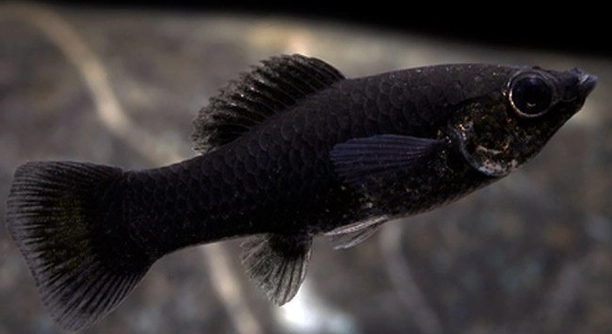
Is your black molly fry spending most of its time near the bottom of the tank? Observing its behavior can reveal important details about its health, comfort, and environment. Bottom-dwelling is often a sign that needs attention.
The primary reason a black molly fry stays near the bottom is due to stress, poor water quality, or inadequate nutrition. Ensuring proper temperature, clean water, and balanced feeding helps promote healthy swimming and normal behavior patterns.
Understanding these factors will help you provide a better environment for your fry. Maintaining ideal conditions is key to its growth and wellbeing.
Common Causes of Bottom-Dwelling Behavior
Black molly fry often stay near the bottom due to stress or discomfort in their environment. Poor water quality, such as high ammonia or nitrite levels, can cause lethargy and hiding behavior. Temperature fluctuations also affect fry, making them less active and more likely to remain low in the tank. Overcrowding or aggressive tankmates can force fry to seek shelter at the bottom, avoiding confrontation. Inadequate nutrition is another factor. Fry require finely crushed flake food or specialized fry food to grow properly. Without sufficient nutrients, they may conserve energy by staying at the bottom. Even sudden changes in light or decorations can trigger temporary hiding behavior. Observing the tank closely helps identify patterns in movement and behavior. Correcting water parameters, maintaining gentle filtration, and offering small, frequent feedings encourages healthier swimming habits. Consistency and a stable environment are key for fry to feel secure.
Providing stable conditions and proper food will help fry swim actively and explore the tank.
Maintaining consistent care reduces stress, allowing your fry to grow stronger. With patience, proper feeding, and clean water, bottom-dwelling behavior usually improves. Regular water testing, careful observation of tankmates, and gradual adjustments in temperature or décor make a noticeable difference. Fry respond quickly to calm, stable surroundings.
Water Quality and Temperature
Poor water quality directly impacts fry health. Regular water changes and testing help maintain safe levels.
Water temperature affects metabolism and activity. Black molly fry thrive in stable conditions between 75 and 80°F. Sudden shifts can make them sluggish, prompting bottom-dwelling behavior. Filtration should be gentle to avoid stressing small fry, and frequent partial water changes prevent toxic buildup. Keeping parameters consistent allows fry to feed properly and develop normally. Monitoring pH and hardness ensures the environment mimics natural conditions, supporting healthy growth. Even minor fluctuations can trigger hiding or reduced activity. Gradual acclimation to changes, such as new decorations or tankmates, helps fry adjust without stress. Proper temperature, clean water, and a calm environment form the foundation of fry health, encouraging swimming throughout the tank rather than staying low. Observing behavior after adjustments confirms the improvements and allows further refinement.
Maintaining the right water and temperature ensures your fry grow healthy, active, and confident in the tank environment.
Nutrition and Feeding
Fry need small, frequent meals to grow properly. Finely crushed flake food or specialized fry food provides essential nutrients for healthy development and activity.
Inadequate feeding can cause fry to stay at the bottom, conserving energy. Young mollies require protein-rich food to build strength and support organ development. Feeding too much at once can foul the water, creating stress and poor conditions. Offering several small portions daily ensures fry get enough without impacting water quality. Observation during feeding helps identify weaker fry and ensures all receive adequate nutrition. Proper feeding directly encourages swimming and exploration.
Supplying the right balance of nutrients, in the right amounts, promotes active behavior. Fry that eat well are more likely to swim throughout the tank, reducing bottom-dwelling tendencies and improving overall growth. Consistency in feeding schedules reinforces healthy routines.
Tank Environment and Space
Fry need adequate space to swim freely and avoid stress from tankmates. Proper décor offers hiding spots without overcrowding.
Overcrowding can lead to aggressive interactions and stress, pushing fry to the bottom for safety. Decorations, such as plants or smooth rocks, create secure areas, reducing fear and promoting exploration. Open swimming space is essential for healthy activity and growth. Balancing tank size with population ensures fry are not restricted, allowing for better movement. Observing interactions helps identify overly aggressive tankmates and areas where fry feel unsafe. Proper layout and spacing encourage natural behavior while minimizing stress. Maintaining a calm environment with appropriate structures supports development and confidence in the fry.
A well-planned tank with room to swim and safe zones helps fry thrive. Structured spaces reduce hiding behavior while encouraging active movement and social interaction. Consistency in environment fosters stable behavior patterns, contributing to overall health and growth.
Stress and Fry Behavior
Stress is a major reason fry stay near the bottom. Sudden changes in light, temperature, or water quality can make them hide.
Aggressive tankmates also increase stress, causing fry to seek shelter. Minimizing disturbances and maintaining calm conditions helps fry feel safe and more active.
Observation and Monitoring
Regular observation allows early detection of issues affecting fry behavior. Watching swimming patterns, feeding response, and interaction with tankmates helps identify stressors, poor nutrition, or water problems before they escalate, allowing timely adjustments to improve fry health.
Tank Decorations
Plants, rocks, and hiding spots provide security for fry. Proper placement reduces stress and encourages normal swimming behavior.
FAQ
Why is my black molly fry staying at the bottom all the time?
Fry often stay at the bottom due to stress, poor water quality, or insufficient nutrition. Sudden temperature changes, aggressive tankmates, or overcrowding can also make fry hide. Ensuring stable water parameters, proper feeding, and gentle tank conditions encourages them to swim actively.
How can I tell if my fry is stressed?
Signs of stress include staying at the bottom, reduced appetite, clamped fins, and erratic swimming. Fry may also hide behind decorations or avoid other tankmates. Monitoring behavior during feeding and throughout the day can help detect stress early.
What is the best water temperature for black molly fry?
Black molly fry thrive in water between 75 and 80°F. Temperatures outside this range can slow metabolism, reduce activity, and lead to bottom-dwelling behavior. Using a reliable thermometer and gradual adjustments helps maintain stable conditions.
How often should I feed my fry?
Fry need small, frequent feedings, usually three to five times per day. Using finely crushed flake food or specialized fry food ensures they get enough nutrients without fouling the water. Overfeeding can cause poor water quality and stress.
Can tank decorations affect fry behavior?
Yes. Plants, rocks, and hiding spots help fry feel secure, reducing stress. Open swimming areas are also essential. Avoid overcrowding decorations, as limited space can increase stress and encourage hiding. Observing how fry interact with the layout helps adjust the tank for their comfort.
Is water quality really that important?
Absolutely. High ammonia, nitrite, or nitrate levels are toxic to fry. Regular water testing and partial water changes keep parameters safe. Clean water encourages swimming, feeding, and proper growth while preventing disease and lethargy.
What should I do if my fry refuses to eat?
Refusal to eat can indicate stress, illness, or poor water conditions. Check water quality, observe for signs of disease, and try offering different types of fry food. Small, frequent feedings often help stimulate appetite.
How do I prevent fry from being bullied by tankmates?
Separate aggressive fish or overcrowded tanks from fry. Providing hiding spots and keeping an appropriate number of fry ensures they are not constantly stressed or chased. Observation is key to maintaining a safe environment.
Can lighting affect fry behavior?
Yes. Sudden bright lights or inconsistent lighting schedules can stress fry, making them stay at the bottom. Using gentle, consistent lighting and natural light cycles encourages normal activity and reduces hiding tendencies.
How long does it take for fry to swim actively?
With stable water conditions, proper feeding, and minimal stress, fry typically start exploring the middle and upper parts of the tank within a few weeks. Patience is important, as each fry develops at its own pace.
Should I test the pH and hardness of the water?
Yes. Black molly fry thrive in slightly alkaline water with stable hardness. Testing regularly helps maintain a safe environment, supporting proper growth and reducing bottom-dwelling behavior. Adjustments should be made gradually to prevent stress.
Can disease cause fry to stay at the bottom?
Diseases like ich or fin rot can make fry lethargic. Signs include white spots, frayed fins, or slow movement. Maintaining clean water, proper nutrition, and prompt treatment helps prevent illness and promotes active swimming.
How important is consistency in care?
Consistency is critical. Regular feeding, water changes, and stable temperature and light conditions create a safe environment. Fry respond quickly to calm and predictable care, reducing hiding and encouraging healthy development.
Can fry survive in small tanks?
Small tanks can work if properly maintained, but limited space increases stress and reduces swimming opportunities. Providing enough room, gentle filtration, and careful observation helps fry thrive even in smaller setups.
What signs show that fry are healthy and active?
Healthy fry swim throughout the tank, eat regularly, have vibrant coloration, and interact with their environment. Bottom-dwelling is minimized when fry feel secure and well-fed. Observing these behaviors helps track overall health and development.
How do I gradually introduce fry to other tankmates?
Start with slow acclimation. Ensure fry have hiding spots and space to escape. Avoid placing aggressive or large fish nearby until fry grow stronger. Gradual integration reduces stress and prevents constant bottom-dwelling.
Is it normal for fry to occasionally stay at the bottom?
Yes. Fry may rest at the bottom for short periods or while digesting food. Occasional bottom-dwelling is normal, but prolonged or consistent hiding usually indicates a problem with water, stress, or nutrition.
Can temperature swings during the day affect fry?
Frequent temperature changes slow metabolism and increase stress. Using a stable heater and monitoring tank conditions prevents lethargy and encourages natural swimming behavior. Gradual adjustments are safer than sudden changes.
What is the role of oxygen in fry activity?
Low oxygen levels make fry lethargic and prone to staying at the bottom. Proper aeration, gentle filtration, and avoiding overcrowding ensure enough dissolved oxygen, supporting active movement and healthy growth.
How long should I observe fry before making changes?
Observe fry for a few days to identify patterns in behavior, feeding, and swimming. Consistent observation helps make informed adjustments to water, feeding, or tank conditions without causing additional stress.
What type of fry food is best for black molly fry?
Finely crushed flake food, powdered fry food, or baby brine shrimp provide high protein and essential nutrients. Rotating food types encourages growth and ensures all fry get the nutrition needed for active swimming and proper development.
How do I know if fry are not getting enough food?
Signs include staying at the bottom, slower growth, and lack of energy. Ensuring small, frequent meals and monitoring feeding behavior helps confirm all fry are eating adequately. Proper nutrition encourages swimming and reduces hiding behavior.
Can water movement affect fry behavior?
Strong currents stress fry and push them to the bottom. Gentle filtration with low flow allows safe swimming, feeding, and exploration. Adjusting water movement to fry size and number ensures comfort and reduces hiding tendencies.
Is it necessary to separate fry from adults?
Yes. Adults may outcompete fry for food or harass them. A separate tank or breeding box provides safety, encourages proper feeding, and reduces stress that causes prolonged bottom-dwelling.
How often should I check tank parameters?
Weekly testing for ammonia, nitrites, nitrates, pH, and temperature is recommended. Frequent checks help maintain stable conditions, prevent stress, and support fry swimming actively throughout the tank.
Are fry more sensitive than adult mollies?
Absolutely. Fry have weaker immune systems, require higher protein food, and are more affected by water changes, temperature swings, and stress. Careful monitoring and consistent conditions are essential for healthy growth and activity.
Can overcrowding affect fry development?
Overcrowding reduces swimming space, increases aggression, and raises waste levels. Providing adequate space per fry ensures proper growth, reduces stress, and minimizes bottom-dwelling behavior. Regular observation helps maintain optimal population density in the tank.
How do I encourage shy fry to explore the tank?
Offer gentle lighting, open swimming areas, and safe hiding spots. Small, frequent feedings and stable conditions build confidence. Fry gradually explore when they feel secure and not constantly threatened.
What are the most common mistakes with fry care?
Mistakes include overfeeding, poor water quality, overcrowding, and inconsistent temperature or light. Addressing these issues promptly encourages active swimming and proper growth while reducing prolonged bottom-dwelling.
How long does it take for fry to outgrow bottom-dwelling behavior?
With proper care, consistent feeding, stable water, and minimal stress, fry typically become active swimmers within a few weeks. Individual development may vary, but healthy conditions accelerate this transition.
Can frequent water changes stress fry?
Yes, abrupt or large water changes can shock fry. Partial, gradual changes maintain water quality without causing additional stress, promoting consistent swimming and healthy development.
Do fry need hiding spots even if tankmates are calm?
Yes. Fry naturally seek security while growing. Plants or small decorations reduce stress, encourage exploration, and give fry confidence to swim throughout the tank rather than staying at the bottom.
Is temperature control more important than feeding frequency?
Both are important, but stable temperature directly affects metabolism and swimming activity. Proper feeding supports growth, but without consistent temperature, fry may remain lethargic and hide.
Can I use tap water for fry tanks?
Tap water is acceptable if properly treated to remove chlorine and chloramine. Testing pH and hardness ensures safe conditions. Treated water supports healthy growth and reduces stress-related bottom-dwelling.
How do I manage multiple batches of fry in one tank?
Separate batches by size or age to prevent bullying and competition. Adequate hiding spots, gentle filtration, and careful feeding help maintain healthy growth and reduce prolonged hiding behavior.
What role does observation play in fry health?
Regular observation allows early detection of stress, illness, or environmental issues. Monitoring feeding, swimming patterns, and interactions ensures timely adjustments, promoting active and healthy fry.
Can lighting, temperature, and water flow be adjusted together?
Yes, but changes should be gradual. Sudden adjustments in multiple parameters can increase stress. Controlled, incremental changes support natural behavior, growth, and reduce bottom-dwelling tendencies.
Are there signs that fry are thriving?
Active swimming throughout the tank, regular feeding, vibrant coloration, and consistent growth indicate healthy fry. Reduced hiding at the bottom shows they feel secure and well-nourished.
What is the best approach if bottom-dwelling persists?
Check water quality, feeding routine, tankmates, and temperature. Adjust slowly and monitor behavior. Consistency and patience usually resolve prolonged bottom-dwelling behavior over time.
How important is patience in fry care?
Patience is crucial. Fry develop gradually, and consistent care in feeding, water quality, and environment ensures healthy, active behavior. Rushing changes can stress fry, leading to continued hiding.
What should I do if multiple fry show lethargy?
Check water parameters, feeding, and tank conditions. Group lethargy often points to environmental issues rather than individual problems. Prompt adjustments support recovery and normal swimming behavior.
Can I use a separate grow-out tank for fry?
Yes. A dedicated grow-out tank allows precise control over water, food, and space. This reduces stress, prevents bullying, and encourages active swimming and healthy development.
How can I tell if fry are not getting enough oxygen?
Signs include staying at the bottom, gasping at the surface, and lethargy. Increasing gentle aeration, reducing overcrowding, and monitoring water quality ensures sufficient oxygen for active swimming.
Does tank size affect fry behavior long-term?
Yes. Adequate space supports proper swimming, growth, and social behavior. Small, overcrowded tanks increase stress, reduce activity, and prolong bottom-dwelling. Choosing a suitable tank size is key for healthy development.
How do I adjust feeding if fry grow unevenly?
Offer small portions and observe weaker fry. Targeted feeding ensures all fry get enough nutrients without overfeeding stronger individuals, promoting balanced growth and active swimming.
Can sudden changes in diet affect fry behavior?
Yes. Abrupt dietary changes can cause stress or reduced appetite. Gradually introducing new foods ensures fry adapt without hiding or staying at the bottom.
Are fry more sensitive to light than adults?
Yes. Sudden bright light or irregular lighting can stress fry. Gentle, consistent lighting encourages normal swimming and reduces hiding. Gradual adjustments support comfort and activity.
Should I quarantine new fry before adding them to the main tank?
Quarantine prevents disease transfer, reduces stress, and allows observation. Healthy fry adapt more easily to the main tank without prolonged bottom-dwelling behavior.
Can I rely on instinct for fry care?
Observation and knowledge are more reliable than instinct alone. Monitoring water quality, feeding, tankmates, and behavior ensures healthy growth and active swimming.
How long should fry remain in a safe, separate environment?
Keep fry in a secure area until they are strong enough to compete for food and swim confidently. Gradual introduction to the main tank reduces stress and hiding behavior.
Does overcrowding affect water quality faster?
Yes. More fish produce more waste, increasing ammonia and nitrate levels. Frequent water checks, partial changes, and adequate space reduce stress and promote active swimming.
Can temperature drops at night affect fry?
Yes. Large drops slow metabolism, reduce activity, and may cause bottom-dwelling. Using a heater to maintain consistent temperature prevents lethargy and encourages normal swimming patterns.
How do I balance feeding, water quality, and space?
Feed small, frequent meals, maintain clean water, and provide enough room. Balanced care reduces stress, promotes active swimming, and supports healthy growth. Regular observation ensures adjustments are timely and effective.
Can fry develop abnormal behavior if care is inconsistent?
Yes. Irregular feeding, poor water quality, or sudden changes can cause hiding, lethargy, or stunted growth. Consistency is key to fostering active, healthy fry.
Are fry more sensitive to chemicals than adults?
Absolutely. Chlorine, heavy metals, and medications can harm fry at lower concentrations. Proper water treatment and careful monitoring prevent stress, disease, and prolonged bottom-dwelling behavior.
How do I know if fry are comfortable in the tank?
Active swimming, regular feeding, and exploration indicate comfort. Fry that feel safe move throughout the tank and hide less, reflecting a healthy, well-maintained environment.
Can fry recover quickly from stress?
With proper water conditions, food, and calm surroundings, fry recover relatively quickly. Immediate adjustments to environmental factors often restore active swimming and reduce bottom-dwelling behavior.
Should I mix different species with black molly fry?
Caution is needed. Aggressive or larger species can stress fry. Compatible tankmates or a separate tank reduces stress and encourages healthy growth and movement.
What role does filtration play for fry?
Filtration maintains water quality and oxygen levels but should be gentle. Strong currents can stress fry, causing hiding or lethargy. Adjust flow to match fry size and tank population.
How do I know if fry are eating enough without overfeeding?
Watch their behavior and growth. Fry that swim actively, have rounded bellies, and show steady growth are likely eating enough. Small, frequent feedings reduce the risk of overfeeding and poor water quality.
Can fry behavior indicate disease before visible symptoms appear?
Yes. Lethargy, staying at the bottom, or lack of appetite can signal early health issues. Prompt checks and water adjustments can prevent progression and promote recovery.
How long do black molly fry take to become fully active?
Depending on care, stable conditions, and feeding, fry typically show consistent active swimming within a few weeks. Individual development may vary, but proper care accelerates confidence and exploration.
Is it necessary to track each fry individually?
Not usually, but monitoring groups for growth, activity, and health ensures all fry receive proper care. Identifying weaker or stressed individuals helps prevent prolonged bottom-dwelling.
How important is consistency in feeding times?
Consistent feeding schedules reduce stress, promote regular activity, and help fry develop predictable routines. Irregular feeding may cause hiding and lethargy.
Can fry get used to gentle tank movement?
Yes. Gradual exposure to water flow and gentle filtration supports swimming development and reduces stress, encouraging active movement throughout the tank.
What adjustments help fry after sudden tank changes?
Gradual introduction of new water, decorations, or tankmates minimizes stress. Observing behavior and maintaining stable feeding and temperature helps fry regain confidence and swim actively.
Are some fry naturally more shy?
Yes. Individual temperament varies. Providing hiding spots, stable water, and gentle conditions allows shy fry to gain confidence and gradually explore the tank.
How do I prevent fry from hiding excessively?
Ensure stable water quality, proper feeding, safe tankmates, and adequate space. Gradual environmental adjustments and observation encourage exploration and reduce prolonged bottom-dwelling behavior.
Can fry recover from early stress without long-term effects?
Yes. With proper care, consistent feeding, clean water, and a calm environment, fry typically recover fully and exhibit normal swimming behavior.
Does tank size affect fry stress levels?
Smaller, overcrowded tanks increase stress, limit swimming, and prolong hiding. Adequate space promotes healthy growth, active behavior, and reduced bottom-dwelling tendencies.
How can I tell if fry are exploring the tank enough?
Active swimming across different areas, feeding confidently, and interacting with tankmates or décor indicates sufficient exploration. Minimal hiding shows they feel secure and comfortable.
Can consistent monitoring replace instinct in fry care?
Yes. Observation, water testing, and careful adjustments provide reliable information, ensuring fry remain healthy and active without relying on guesswork.
What is the single most important factor for bottom-dwelling fry?
Stable water quality, proper feeding, and minimal stress are critical. Addressing these factors ensures fry grow strong, swim confidently, and reduce hiding behavior.
How do I know if fry are thriving long-term?
Steady growth, active swimming, healthy coloration, and normal feeding patterns indicate thriving fry. Consistency in care supports ongoing health and reduces the likelihood of prolonged bottom-dwelling behavior.
Are small water changes better than large ones for fry?
Yes. Partial, gradual changes maintain water quality without shocking fry, reducing stress, and encouraging normal swimming patterns.
How important is observation for early problem detection?
Observation is crucial. Detecting stress, illness, or environmental issues early allows timely intervention, improving fry health and minimizing prolonged hiding behavior.
Can fry adapt to minor environmental changes?
Yes, if changes are gradual. Fry adjust best when water, temperature, feeding, and light are consistent, reducing stress and bottom-dwelling behavior.
What is the best approach for long-term fry health?
Consistent water quality, proper feeding, adequate space, gentle filtration, and observation ensure fry grow strong, swim actively, and remain healthy over time.
Black molly fry spending time near the bottom of the tank is often a signal that something in their environment needs attention. Stress, poor water quality, or inadequate nutrition are the most common reasons for this behavior. Fry are very sensitive during their early stages, and even small changes in temperature, lighting, or tank conditions can affect their activity levels. Maintaining a consistent routine with careful monitoring of water parameters, regular feeding, and a stable environment is essential. Observing fry regularly helps detect early signs of stress or illness, allowing timely adjustments that improve their health and encourage normal swimming behavior.
Proper nutrition is another key factor in preventing prolonged bottom-dwelling. Black molly fry require finely crushed flake food or specialized fry food that is high in protein and easy to digest. Feeding multiple small meals each day supports growth without overwhelming the tank’s filtration system or causing water quality issues. Overfeeding or underfeeding can both lead to lethargy, hiding, or stunted growth. By providing consistent, well-balanced meals, fry gain the energy they need to swim actively and explore their environment. Monitoring feeding behavior allows you to ensure that all fry are eating adequately and helps identify any weaker or shy individuals that may need additional attention.
Creating a supportive tank environment is equally important for fry health and activity. Providing hiding spots, gentle water flow, and enough open space allows fry to feel safe while swimming. Overcrowding or placing aggressive tankmates with fry can increase stress, making them retreat to the bottom. Temperature stability, clean water, and proper filtration also contribute to a calm and healthy environment. Consistency in care, patience, and careful observation are key to supporting growth and active behavior. When all these factors are considered together, fry are more likely to thrive, swim confidently, and develop properly into healthy adult mollies.

Hello,
If you enjoy the content that we create, please consider saying a "Thank You!" by leaving a tip.
Every little bit helps us continue crafting quality advice that supports the health, happiness, and well-being of pets around the world, for pets of all shapes, sizes, and species.
We really appreciate the kindness and support that you show us!