
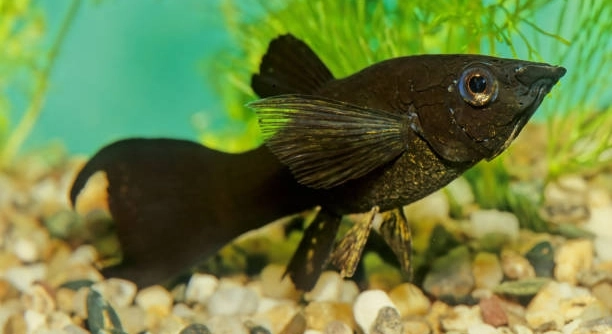
Black Molly fish are lively and social pets that bring color to any freshwater aquarium. Many hobbyists enjoy watching them interact with their environment and adapt to changes in their tank routines. Feeding time is an important part of their daily life.
Black Molly fish can adapt to a variety of feeding tools, including flakes, pellets, and small live or frozen foods. They adjust quickly to changes, but consistency and gradual introduction of new feeding methods help ensure proper nutrition and minimal stress.
Learning how different feeding tools affect their behavior and health can improve your fish-keeping experience and ensure your Black Mollies thrive in any tank setup.
How Black Mollies Respond to Flakes and Pellets
Black Mollies usually accept both flakes and pellets without much hesitation. Flakes float on the water surface, allowing fish to nibble slowly, while pellets sink gradually, giving bottom swimmers a chance to eat too. Many owners notice that Mollies show preferences depending on the size and type of food. Younger fish often favor smaller flakes or crushed pellets, while adults can handle larger pieces easily. Feeding consistency helps reduce stress and encourages healthy growth. When switching brands or types, it’s best to introduce the new food gradually. Sudden changes can cause hesitation or temporary refusal. Observation is key, as some fish may prefer sinking pellets over floating flakes, or vice versa. Adjusting feeding frequency to suit the tank size and fish count also ensures that all Mollies get enough to eat. Overfeeding can lead to poor water quality, so moderation is important to maintain a clean and healthy aquarium environment.
Black Mollies respond well when flakes or pellets match their size and texture preferences. Consistency is crucial for adaptation.
Gradual changes in diet allow Mollies to explore new feeding tools safely. Providing a variety of textures and sizes can reduce competition and stress in the tank. Some Mollies show clear favorites, but they generally adjust within a few days. Observing how each fish reacts helps owners make small adjustments for overall health. Feeding small amounts multiple times a day instead of a single large portion prevents uneaten food from polluting the water. Live or frozen supplements can add nutrients missing from processed foods. Watching your Mollies learn to approach new feeding methods can feel rewarding, as they often display curiosity and gentle competition. Ensuring water conditions remain stable during diet changes is equally important. Temperature, pH, and cleanliness affect appetite and willingness to accept different foods. Over time, Mollies can thrive on a balanced mix of flakes, pellets, and occasional live treats.
Introducing Live and Frozen Foods
Live and frozen foods are a natural way to add protein to Black Mollies’ diets. Small brine shrimp, daphnia, and bloodworms are common choices, and most Mollies respond eagerly.
These foods offer nutrients often absent in processed flakes and pellets, supporting growth, coloration, and energy. Feeding live or frozen foods requires careful handling to prevent contamination. Thaw frozen portions properly before offering them to prevent shock or digestive issues. Live foods should be sourced from reputable suppliers to avoid introducing diseases or parasites into the tank. Many Mollies show excitement when live food is added, often chasing and nibbling actively. This stimulation encourages natural hunting behaviors and keeps them engaged. Combining these foods with regular flakes or pellets ensures a balanced diet. Overfeeding live treats can lead to water quality problems, so portion control is important. Observing how each Molly responds helps in determining the right frequency and amount. Overall, integrating live or frozen options enhances nutrition while keeping feeding times interesting.
Feeding Tools and Tank Size
Tank size affects how Black Mollies respond to different feeding tools. In smaller tanks, flakes can spread quickly, giving all fish a chance to eat. Larger tanks may require sinking pellets or feeding rings to ensure everyone gets enough food.
Using feeding tools correctly prevents uneaten food from accumulating and helps maintain water quality. In larger tanks, Mollies may need more time to find floating flakes, so spacing out feedings or using multiple feeding spots can reduce competition. Observing their behavior during meals helps identify the best feeding method for your tank’s layout and population. Adjusting portion sizes and delivery methods also reduces stress and promotes healthy growth, making management easier for owners while keeping the Mollies active and engaged throughout the day.
Some feeding tools are more efficient in crowded tanks. Feeding rings or slow-sinking pellets help distribute food evenly.
Different tank sizes require adjustments in feeding practices. Smaller tanks allow for simpler methods like sprinkling flakes, while larger tanks benefit from targeted feeding. Slow-sinking pellets, feeding rings, or spreading food across multiple areas ensure all Mollies have access. Overcrowded tanks can cause competition, and some fish may miss meals if food is concentrated in one spot. Observing fish reactions to different tools allows owners to refine their approach. Regularly changing feeding areas or alternating between floating and sinking foods helps prevent boredom and encourages natural foraging behavior. Maintaining water quality is essential, as excess food can quickly degrade conditions. Consistent monitoring and adjusting techniques ensure healthy growth and reduce stress, keeping the tank balanced and lively.
Feeding Frequency and Adaptation
Black Mollies adapt best when feeding occurs at regular intervals. Daily meals help them anticipate food and reduce overeating.
Consistent feeding encourages routine and prevents sudden aggression over food. Fish adjust quickly when portions are manageable, and smaller, frequent feedings help maintain stable water conditions. Feeding once or twice a day may suffice for adult Mollies, but juveniles often benefit from three or four smaller meals. Observing how Mollies respond allows owners to fine-tune schedules. Sudden changes in timing or portion sizes can cause hesitation or refusal to eat. Establishing a steady rhythm creates a predictable environment that supports healthy growth, activity, and social interaction. Overfeeding at irregular intervals can stress fish and degrade water quality, making regular, measured feeding essential for tank management.
Regular feeding intervals improve adaptation to different foods and tools. Mollies learn routines quickly, reducing stress and competition.
Mollies thrive when feeding frequency is balanced with tank conditions. Smaller, more frequent meals prevent overeating, uneaten food, and water issues. They also allow Mollies to adjust to new feeding tools, whether flakes, pellets, or live foods. Adapting gradually to new methods while keeping intervals consistent reduces stress and encourages natural foraging behavior. Observing individual fish helps ensure all Mollies receive proper nutrition. Feeding frequency combined with portion control can improve growth, color, and activity levels. Consistent routines make the tank environment predictable, which benefits both the fish and the owner, ensuring a healthy, lively, and harmonious aquarium.
Observing Feeding Behavior
Watching how Black Mollies eat helps determine which feeding tools work best. Some fish quickly accept flakes, while others prefer pellets or live foods.
Paying attention to who eats first and how long it takes for each fish to finish helps prevent missed meals and ensures proper nutrition for the whole group.
Adjusting Food Types Gradually
Introducing new foods slowly is key for Black Mollies. Sudden changes can cause hesitation or rejection. Start by mixing a small amount of the new food with their regular diet, increasing the proportion over several days. This method allows Mollies to explore new textures and flavors without stress. Over time, they adapt to different food types while maintaining interest and appetite. Combining flakes, pellets, and occasional live or frozen treats ensures balanced nutrition. Gradual adaptation also reduces competition among fish and prevents overeating. Consistent observation helps determine when they have fully accepted the new food.
Avoiding Overfeeding
Overfeeding can harm both the fish and the tank environment. Keep portions controlled.
How often should I feed my Black Mollies?
Black Mollies do best with small, regular meals. Adult Mollies usually need one to two feedings per day, while younger fish benefit from two to three smaller meals. Feeding at consistent times helps them establish a routine and reduces competition during feeding. Overfeeding can quickly degrade water quality, so controlled portions are essential. Observing how much they eat within a few minutes allows you to adjust the quantity. Removing uneaten food prevents waste and keeps the tank healthy. Consistency supports both their growth and overall activity levels.
Can Black Mollies eat both flakes and pellets?
Yes, Black Mollies can adapt to flakes and pellets. Many accept flakes readily because they float, allowing the fish to nibble slowly. Pellets sink gradually and are ideal for bottom-feeding Mollies or larger groups. Switching between flakes and pellets is easier when done gradually. Crushing pellets for younger fish ensures they can consume it comfortably. Offering a mix of flakes and pellets provides balanced nutrition and prevents boredom. Observing which type your Mollies prefer helps in planning feeding schedules and ensuring each fish gets enough food. Consistency and portion control are key to maintaining health.
Is it necessary to provide live or frozen foods?
Adding live or frozen foods can boost nutrition and variety. Small brine shrimp, daphnia, and bloodworms are excellent protein sources that flakes and pellets may lack. Live foods stimulate natural hunting behaviors, keeping Mollies active and engaged. Frozen foods should be thawed before feeding to avoid digestive problems. Live options must be from trusted sources to prevent diseases or parasites. Combining live or frozen supplements with regular flakes or pellets ensures a balanced diet. These foods are not strictly necessary but are beneficial for growth, coloration, and energy levels, especially in younger or more active Mollies.
How do I know if my Black Mollies are eating enough?
Healthy Mollies are active, have good coloration, and appear alert during feeding times. Uneaten food or aggressive chasing can indicate competition or insufficient portions. Juveniles may need more frequent meals than adults. Observing their behavior during feedings helps identify individuals who might be missing meals. Adjusting portion sizes or spreading food across the tank ensures all fish get proper nutrition. Poor appetite, faded colors, or lethargy may signal health issues or unsuitable feeding methods. Maintaining consistent feeding schedules and monitoring responses ensures that every Molly receives adequate nutrition.
Can Black Mollies overeat?
Yes, overfeeding is a common issue. Excess food can pollute the water, leading to higher ammonia levels and potential illness. Mollies tend to eat what is offered, so portion control is essential. Feeding small amounts multiple times a day is better than giving a large quantity at once. Removing leftover food prevents water contamination. Observing their eating speed helps gauge the right amount. Balanced meals combining flakes, pellets, and occasional live or frozen foods prevent overeating while meeting nutritional needs. Maintaining clean water and consistent feeding practices protects their health and keeps them active.
Will Black Mollies adapt to new feeding tools quickly?
Most Black Mollies adjust to new feeding tools over a few days. Gradual introduction is key to minimizing stress. Mixing a small portion of new food with their current diet allows them to explore flavors and textures safely. Some fish may show curiosity and competition initially, but regular observation helps ensure all fish accept the change. Using feeding rings or spreading food in multiple spots can aid adaptation. Combining different tools keeps feedings interesting and reduces the chance of missed meals. Consistency and patience ensure Mollies thrive with a variety of feeding options.
What is the best way to switch between different foods?
Switch foods gradually over 5 to 7 days. Start by mixing a small amount of the new food with the old, then increase the proportion of the new food each day. Monitor how each Molly responds. Some may require slower adjustments, especially younger or more timid fish. Keep portion sizes consistent and avoid sudden changes, which may cause stress or refusal to eat. Ensuring water conditions remain stable during transitions is important. Combining flakes, pellets, and occasional live or frozen supplements allows a smooth adaptation while maintaining balanced nutrition. Patience and observation make the process effective.
How do tank conditions affect feeding adaptation?
Stable water conditions directly influence appetite and adaptation. Mollies are sensitive to temperature, pH, and cleanliness. Sudden changes can reduce interest in food or cause stress. Proper filtration, regular water changes, and consistent temperature ensure feeding routines are effective. Overcrowding or poor water quality can lead to competition or missed meals. Observing behavior during feeding helps detect issues related to tank conditions. Adjusting water parameters gradually and maintaining a clean environment supports healthy growth and ensures Mollies accept different feeding tools without hesitation.
Black Mollies are adaptable fish that can adjust to a variety of feeding tools with the right approach. They respond well to flakes, pellets, and occasional live or frozen foods, but gradual introduction is important. Sudden changes in diet can lead to hesitation or temporary refusal to eat, so mixing new food with their regular meals helps them adjust. Observing each fish’s reaction during feeding allows you to notice preferences and adjust portion sizes or types of food accordingly. Younger Mollies often need smaller or softer pieces, while adults can handle larger flakes or pellets. Over time, they learn to accept a variety of textures and feeding methods without stress, which supports their growth and overall well-being.
Feeding routine and tank conditions play a significant role in how Mollies adapt. Regular feeding schedules help them anticipate meals and reduce competition. Consistency in timing and portion control prevents overeating and maintains water quality, which is essential for their health. Tank size also influences which feeding tools work best. In smaller tanks, floating flakes can be sufficient, while larger or more populated tanks may require sinking pellets, feeding rings, or spreading food across multiple areas to ensure all fish get enough to eat. Water parameters, including temperature, pH, and cleanliness, affect their appetite. Keeping the tank stable and clean encourages Mollies to explore new feeding methods and remain active during mealtimes. Watching their behavior provides valuable insights into whether adjustments are needed.
Including live or frozen foods in their diet can improve nutrition and enrich feeding behavior. Small brine shrimp, daphnia, or bloodworms provide protein that may be missing from flakes or pellets. Live foods encourage natural foraging instincts and keep them engaged, while frozen options add variety without introducing live organisms that may carry diseases if not sourced carefully. Feeding these supplements in moderation alongside regular flakes or pellets ensures a balanced diet. Gradually introducing different foods, paying attention to individual preferences, and maintaining a predictable routine creates an environment where Mollies thrive. Over time, they become more flexible and less stressed with new feeding tools, making caring for them easier and more rewarding. By focusing on consistency, portion control, and careful observation, Black Mollies can live healthy, active lives while adapting successfully to a range of feeding methods.

Hello,
If you enjoy the content that we create, please consider saying a "Thank You!" by leaving a tip.
Every little bit helps us continue crafting quality advice that supports the health, happiness, and well-being of pets around the world, for pets of all shapes, sizes, and species.
We really appreciate the kindness and support that you show us!