
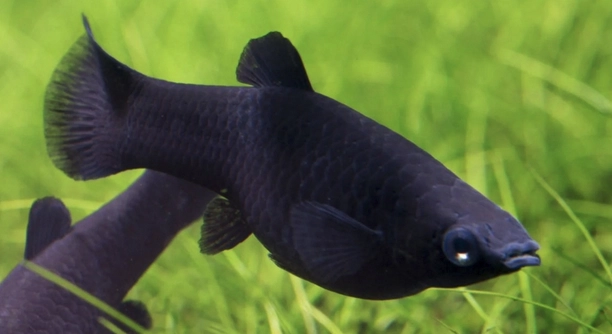
Are your black molly fish showing signs of stress or keeping their distance from each other? Observing their behavior closely can reveal subtle cues that indicate they are not forming the expected bonds within your tank.
Black mollies may fail to bond due to environmental stress, incompatible tank mates, or inadequate space. Indicators include aggression, avoidance, lack of synchronized swimming, and refusal to share feeding areas, all of which demonstrate social tension and hinder normal bonding behavior.
Identifying these signs early allows you to create a healthier environment for your black mollies. Understanding their behavior is essential for maintaining harmony in your aquarium.
Understanding Territorial Behavior
Black mollies can be very particular about their space. When your fish are not bonding, territorial disputes are often a primary factor. These fish naturally establish areas in the tank where they feel safe. If the space is too small, they may become aggressive or defensive. You might notice chasing, nipping, or constant circling around certain corners. Stress from lack of space can prevent mollies from interacting positively. Adjusting decorations, plants, or hiding spots can give each fish a sense of security. Monitoring how your mollies respond to new tankmates or rearrangements can also reveal whether territorial stress is present. Ensuring that the tank is large enough for each fish to have its own area often reduces tension. Even small changes, like adding floating plants or stones, can encourage calmer behavior and allow mollies to approach one another more willingly, gradually supporting bonding over time.
Providing adequate space helps mollies interact without constant stress or aggression.
Gradually introducing barriers or visual breaks can reduce confrontations. Observing daily interactions is key. By giving them room and subtle hiding spots, mollies learn to coexist peacefully. Patience is necessary as social hierarchies settle. Consistent monitoring allows early intervention if tensions rise, preventing serious injuries or prolonged stress. Over time, proper space management can lead to more harmonious swimming patterns, shared feeding times, and an overall calmer tank environment, which directly supports the bonding process among black mollies. Adjustments to tank layout and careful observation make a notable difference in encouraging positive social behavior.
Feeding Conflicts and Their Effects
Competition over food can create tension between black mollies.
Unequal access to food may lead to avoidance or aggression, preventing healthy social interactions.
Mollies have different appetites and feeding speeds. When some fish dominate feeding areas, others may become anxious or withdrawn, avoiding the more assertive individuals. This behavior can prevent natural social bonding and cause stress-related health problems. Separating food or providing multiple feeding zones allows all fish to eat without conflict. Using sinking pellets alongside surface flakes can also ensure shy or slower mollies get enough nutrition. Observing how mollies feed helps identify which individuals are struggling. Providing consistent feeding schedules reduces unpredictability and tension. Over time, fair access to food encourages more relaxed interactions. Fish that feel secure while eating are more likely to approach each other calmly. By addressing feeding conflicts, you create conditions where black mollies can coexist without constant competition, fostering natural bonding behaviors and reducing long-term stress in your tank.
Incompatible Tankmates
Aggressive or overly dominant tankmates can prevent black mollies from bonding. They may chase or harass your mollies, causing stress and avoidance.
When mollies share a tank with incompatible species, their social behaviors are disrupted. Constant harassment makes it difficult for them to swim together, share food, or rest in comfort. Even minor aggression can accumulate stress over time, affecting health and social interaction. Introducing peaceful, similar-sized species encourages bonding. Observing daily interactions helps identify problematic fish early, allowing adjustments to maintain a calm environment. Proper selection of tankmates supports natural mollies’ social patterns.
Ensuring compatibility is crucial for a harmonious tank. When black mollies feel safe around neighbors, they can engage in normal behaviors, explore together, and form social bonds. Aggression or competition from unsuitable species creates long-lasting stress, preventing mollies from developing trust and comfort with each other. Careful planning, monitoring, and intervention improve tank dynamics, supporting positive interactions and reducing conflict. Properly matched companions allow mollies to thrive socially, encouraging natural group behaviors and healthy development.
Water Quality Issues
Poor water conditions directly affect black mollies’ behavior and bonding.
High ammonia, nitrite, or nitrate levels can stress fish, making them withdrawn or aggressive. Mollies in unbalanced water may avoid one another, swim erratically, or compete for hiding spaces. Maintaining proper water parameters is essential for calm interactions.
Frequent testing and partial water changes help maintain stability. Temperature, pH, and hardness need to remain within optimal ranges for black mollies. Unstable conditions can lead to illness, reduced appetite, and heightened aggression, all of which hinder bonding. Using a reliable filter and monitoring water clarity ensures the tank remains a safe environment. Adding plants or decorations can create microhabitats, giving fish refuge during stress. Over time, consistent water quality management allows mollies to regain normal social behaviors. When the environment is stable, they are more likely to interact peacefully, share feeding areas, and establish healthy social hierarchies, promoting long-term bonding and overall tank harmony.
Overcrowding in the Tank
Too many fish in a limited space can prevent black mollies from bonding. Overcrowding increases stress and competition for food and territory, making peaceful interactions difficult.
Overcrowding limits hiding spots and personal space. Fish may constantly chase or avoid each other, reducing opportunities for calm social behavior.
Lack of Hiding Spots
Without sufficient plants, rocks, or decorations, mollies feel exposed. This can lead to aggression or withdrawal, preventing bonding.
Stress from Sudden Changes
Rapid changes in water temperature, pH, or tank layout can disturb black mollies. Stress causes avoidance, erratic swimming, and reduced interaction, hindering social bonding.
FAQ
Why are my black mollies avoiding each other?
Black mollies may avoid each other due to stress, territorial disputes, incompatible tankmates, or sudden environmental changes. Limited space, lack of hiding spots, or aggressive neighbors can make them withdrawn. Observing their behavior carefully and adjusting tank conditions can help mollies feel secure and start interacting naturally again.
How can I tell if my black mollies are stressed?
Signs of stress include erratic swimming, hiding, chasing, nipping, and loss of appetite. Mollies may stay in one area of the tank or avoid social interactions. Maintaining stable water conditions, providing adequate space, and ensuring a calm environment are essential to reduce stress and encourage bonding.
Can overcrowding affect bonding?
Yes, overcrowding increases competition for space, food, and hiding spots. Overcrowded tanks often lead to aggression and avoidance, making it difficult for mollies to interact positively. Ensuring enough space and hiding areas allows fish to establish territories, reducing stress and promoting natural social behavior.
Do water quality issues prevent bonding?
Absolutely. Poor water conditions, such as high ammonia, nitrite, or nitrate levels, can stress mollies. Unstable temperature, pH, or hardness also causes discomfort. Regular water testing, partial changes, and maintaining a clean, stable environment are necessary for fish to interact calmly and bond.
How do feeding conflicts affect mollies’ relationships?
Unequal access to food can cause dominant mollies to chase or block others, leading to avoidance or anxiety. Providing multiple feeding zones or different types of food ensures all fish can eat safely. Calm, stress-free feeding allows mollies to maintain social interactions without competition interfering.
Can incompatible tankmates stop bonding?
Yes. Aggressive or overly dominant species can prevent mollies from forming bonds. They may chase, nip, or intimidate mollies, causing stress and withdrawal. Choosing peaceful, similarly sized tankmates and monitoring interactions carefully supports healthy social behavior and encourages mollies to coexist.
Does lack of hiding spots impact bonding?
Mollies need places to retreat when they feel threatened. A tank without sufficient plants, rocks, or decorations makes them feel exposed, increasing stress and aggression. Providing hiding areas gives mollies security, reducing tension and allowing more comfortable social interactions, which helps bonding over time.
How long does it take for black mollies to bond?
Bonding varies depending on tank size, environment, and personality. Calm, stress-free conditions with proper space, compatible tankmates, and adequate hiding spots accelerate bonding. Patience is essential, as social hierarchies and trust may take weeks to develop, but consistent care encourages long-term positive interactions.
Can sudden changes disrupt bonding?
Yes. Rapid changes in water temperature, pH, or tank layout can stress mollies. Even minor disruptions, such as moving decorations or adding new fish abruptly, may cause avoidance or aggression. Gradual adjustments and stable conditions allow mollies to interact normally and rebuild social bonds.
What steps improve bonding in black mollies?
Provide adequate space, compatible tankmates, and multiple hiding spots. Maintain clean, stable water conditions and ensure fair access to food. Observe daily behavior, adjust environmental factors gradually, and avoid sudden changes. With patience and careful management, mollies become more comfortable, interact peacefully, and establish lasting social bonds.
How do I know if bonding is successful?
Successful bonding is seen when mollies swim together calmly, share feeding areas without conflict, and rest in proximity. Reduced aggression, synchronized swimming, and relaxed behavior indicate healthy social interactions and a harmonious tank environment that supports continued bonding.
Are there signs that bonding will never occur?
Persistent aggression, refusal to share space, or continuous hiding despite optimal conditions may indicate incompatibility. In such cases, separating the fish or adjusting tankmates may be necessary. Understanding individual temperaments helps manage expectations and maintain overall tank harmony.
Black mollies are social fish, but their bonding depends heavily on a stable and comfortable environment. Factors such as tank size, water quality, hiding spots, and compatible tankmates all play a role in how well they interact. Overcrowding or constant stress can prevent them from forming bonds, while careful management of these conditions encourages calm social behavior. Observing your fish daily allows you to notice changes in behavior early, so you can make small adjustments before issues escalate. Simple steps like rearranging decorations, providing more hiding places, or monitoring feeding areas can make a noticeable difference in their interactions. Even minor improvements to the environment can reduce tension and help mollies feel secure.
Consistency in tank maintenance is key to supporting bonding among black mollies. Regular water testing, partial water changes, and stable temperature, pH, and hardness create a safe and comfortable space for your fish. When the water environment is stable, mollies are less stressed and more likely to interact positively with each other. Providing multiple feeding areas and ensuring all fish can access food without competition also reduces stress-related behavior. Calm feeding sessions encourage mollies to share space more peacefully and increase the likelihood of bonding. It is important to remember that bonding takes time and patience, and rushing the process or making sudden changes can create setbacks. Gradual adjustments and careful observation allow mollies to form social hierarchies and develop trust naturally, which is essential for long-term harmony in the tank.
Monitoring behavior and making thoughtful changes are essential for maintaining a harmonious aquarium. Signs of bonding include mollies swimming together, sharing feeding areas, and showing relaxed behavior in close proximity. Persistent aggression, hiding, or avoidance may indicate environmental issues or incompatibility among fish. In these cases, it is important to assess tank conditions, check water quality, and ensure adequate space and hiding spots are available. Adjustments like separating aggressive individuals or introducing new tankmates slowly can help mollies feel secure. Creating an environment where fish feel safe allows natural social behaviors to emerge and strengthens their bonds. Patience and careful observation are the most effective tools for fostering a peaceful, bonded group of black mollies, supporting their health and well-being over time.

Hello,
If you enjoy the content that we create, please consider saying a "Thank You!" by leaving a tip.
Every little bit helps us continue crafting quality advice that supports the health, happiness, and well-being of pets around the world, for pets of all shapes, sizes, and species.
We really appreciate the kindness and support that you show us!