
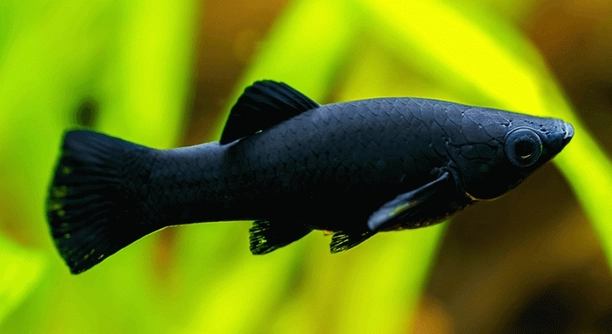
Do you ever notice tiny black mollies in your tank acting strangely or looking a bit damaged? Many hobbyists often face small but concerning issues when raising fry in home aquariums. Keeping fry healthy can be tricky.
The most common fry injuries in black molly tanks include fin tears, tail rot, swim bladder problems, scale loss, fungal infections, body scrapes, and eye damage. These injuries often result from overcrowding, poor water quality, aggressive tank mates, or inadequate nutrition.
Observing these signs early can prevent long-term harm and improve survival rates. Knowing what to watch for helps maintain a healthy, thriving tank environment.
Fin Tears
Fin tears are very common in black molly fry, especially when the tank is crowded or has sharp decorations. Fry are small and fragile, so even minor bumps can damage their delicate fins. Aggressive tank mates can also nip at fins, causing tears and slowing growth. Water quality plays a role too. Poor conditions can weaken fins, making them more prone to injury. Observing fry closely helps identify issues before they worsen.
Fin tears can also be caused by stress from sudden water changes or improper diet.
Regular water changes and gentle handling can reduce the risk of fin tears. Providing plenty of hiding spots and soft plants allows fry to swim safely. Feeding a balanced diet strengthens their fins and overall health. Avoiding overcrowding and keeping aggressive species separate ensures a safer environment. Small injuries often heal on their own, but consistent care prevents recurring problems. Monitoring the tank daily helps maintain a healthy, injury-free population.
Swim Bladder Problems
Swim bladder problems affect fry movement and balance.
These issues often appear when fry overeat, consume poor-quality food, or experience sudden temperature changes. Fry may float uncontrollably or sink to the bottom. Ensuring proper portion sizes and a consistent diet can reduce these problems. Overfeeding should be avoided, and water temperature should remain stable.
Swim bladder injuries can also result from physical trauma or genetic factors. Maintaining clean water is essential, as bacterial infections may aggravate bladder issues. Using small, finely crushed food allows fry to eat easily without straining. Observing behavior helps detect early symptoms like tilting or difficulty swimming. Adjusting feeding routines and tank setup often resolves minor bladder issues. Patience is necessary, as full recovery can take several days. Keeping a stress-free environment, with minimal disturbances and calm water flow, helps fry regain balance. If problems persist, consulting a knowledgeable source ensures proper care.
Tail Rot
Tail rot usually shows as frayed or discolored edges on the fry’s tail. It often occurs from bacterial infections or poor water quality. Prompt attention is needed to prevent the condition from spreading to other areas of the body.
Maintaining clean water is the most effective way to prevent tail rot. Overcrowded tanks or leftover food can quickly degrade water quality, increasing the risk of bacterial growth. Isolating affected fry can stop the infection from reaching healthy individuals. Using a mild antibacterial treatment designed for fry can help heal early cases, but care must be taken not to stress them further. Regular monitoring and gentle water changes are key in recovery.
Feeding high-quality, small-sized food supports tail health. Avoid sharp tank ornaments that can tear tails. Tail rot heals faster in calm conditions with minimal disturbances. Watching for early signs, like slight fraying or cloudiness, ensures you can act quickly. Recovery may take several days, but with consistent care, fry can regain healthy tails and continue normal swimming behavior.
Body Scrapes
Body scrapes are caused by collisions with decorations, tank walls, or other fish. They often appear as small scratches or missing scales on fry. Frequent observation helps detect injuries before they worsen or become infected.
Injuries can worsen if fry are kept in crowded or rough environments. Providing smooth decorations, soft plants, and plenty of hiding spots reduces contact and prevents further scrapes. Clean water is essential, as damaged skin is vulnerable to infections. Using a fine mesh or divider for delicate fry keeps them safe from larger or more aggressive tank mates. Feeding a balanced diet helps maintain skin and scale strength, which improves healing. Minor scrapes often recover naturally if stress and infection are minimized.
Body scrapes can leave fry vulnerable to bacterial or fungal infections. Keeping the tank free of sharp objects and monitoring interactions between fry reduces repeated injuries. Gentle water flow and minimal disturbances allow fry to recover without additional stress. Healing may take a few days, but healthy fry will regain their scales and normal coloration. Using preventive measures like proper spacing and safe tank decorations ensures long-term protection against body scrapes. Observing swimming behavior also helps identify hidden injuries that may not be immediately visible.
Fungal Infections
Fungal infections often appear as white, cotton-like growths on fry. They develop quickly in tanks with poor water quality or injured fish. Early detection is crucial to prevent spreading and severe damage.
Treatment involves isolating affected fry and maintaining clean, stable water conditions. Antifungal treatments designed for fry can help eliminate infections.
Scale Loss
Scale loss can occur from rough handling, tank debris, or aggressive tank mates. Missing scales leave fry vulnerable to infections. Maintaining a gentle environment and smooth tank surfaces reduces injuries. Regular observation ensures early detection and proper care, allowing scales to regenerate naturally over time.
Eye Damage
Eye damage appears as cloudy or bulging eyes and often results from physical trauma or aggressive interactions. Prompt isolation and water quality management help prevent secondary infections and support recovery. Minor eye injuries may heal if the tank remains calm and safe.
FAQ
What causes fin tears in black molly fry?
Fin tears are usually caused by physical trauma, aggressive tank mates, or sharp objects in the tank. Overcrowding can also increase the risk, as fry may bump into each other or decorations. Maintaining clean water and providing plenty of hiding spots reduces stress and prevents injuries.
How can I prevent tail rot from developing?
Tail rot often develops from bacterial infections, worsened by poor water quality. Regular water changes and removing uneaten food are key. Isolating affected fry and using mild antibacterial treatments can stop the infection. Keeping fry in calm, uncrowded conditions supports faster healing.
Why are my fry losing scales?
Scale loss occurs from rough surfaces, collisions with decorations, or nipping by other fish. It leaves fry exposed to infections, so smooth decorations and gentle water flow are important. A balanced diet also strengthens scales and helps them recover naturally over time.
How do I treat swim bladder problems?
Swim bladder issues often arise from overfeeding, poor-quality food, or sudden temperature changes. Feeding small, finely crushed meals and keeping water temperature stable can help. Minor cases may improve within days, but prolonged issues may require separating the affected fry to reduce stress and monitor recovery.
What signs indicate fungal infections?
White, cotton-like growths on the body or fins are typical signs. These infections develop quickly in tanks with poor water quality or injured fry. Early detection allows treatment with antifungal products and isolation of affected fry to prevent the spread.
Can eye damage heal on its own?
Minor eye injuries, like slight cloudiness or small bulges, can improve if the tank environment is calm and water quality is good. Preventing further trauma and isolating the fry from aggressive tank mates helps reduce the risk of secondary infections.
How do I prevent body scrapes?
Body scrapes are caused by sharp decorations, tank walls, or aggressive fish. Using smooth surfaces, soft plants, and dividers for delicate fry minimizes contact. Monitoring interactions between fry helps detect injuries early and allows for corrective measures, like rearranging tank items.
What is the best diet for fry to avoid injuries?
A balanced diet with small, high-quality food supports healthy growth, strengthens fins, scales, and swim bladders. Overfeeding or using large, hard-to-digest food can stress fry, making them more prone to injuries. Regular, controlled feedings maintain proper nutrition without harming water quality.
Are crowded tanks harmful to fry?
Yes, overcrowding increases stress, aggression, and physical injuries like fin tears, scale loss, and body scrapes. It can also worsen water quality, which encourages disease. Keeping fry in appropriately sized tanks with plenty of hiding spaces reduces stress and promotes healthier growth.
When should I separate injured fry?
Injured fry should be separated immediately if injuries are severe or if other fry show aggressive behavior. Isolation prevents further trauma and allows for focused treatment, including clean water, mild medications, and careful monitoring of recovery. Minor injuries may heal on their own in a calm tank.
How long does it take for fry to recover from common injuries?
Recovery time depends on the type of injury and overall tank conditions. Minor fin tears and body scrapes can heal in a few days, while fungal infections, tail rot, or swim bladder problems may take a week or more. Consistent care and a stress-free environment speed recovery.
Are some injuries permanent?
Most minor injuries heal completely, but severe damage, like permanent eye damage or extensive tail rot, may leave lasting effects. Providing optimal conditions, proper nutrition, and early treatment minimizes permanent harm and supports the fry’s long-term health.
Can water quality alone prevent most injuries?
Water quality is crucial but not the only factor. Clean, stable water reduces disease risk and strengthens fry, but overcrowding, tank setup, and diet also play important roles. A combination of good water conditions, proper nutrition, and careful handling offers the best protection.
How often should I monitor my fry for injuries?
Daily observation is recommended, especially during the first few weeks. Look for signs like frayed fins, missing scales, cloudy eyes, or unusual swimming. Early detection allows prompt action, preventing minor issues from becoming severe problems that could affect survival.
Are certain tank mates more likely to injure fry?
Yes, aggressive or larger fish can nip, chase, or stress fry, causing fin tears, tail damage, or body scrapes. Keeping delicate fry separate or in a fry-only tank reduces injuries. Even calm species can unintentionally harm fry if the tank is crowded or they compete for food.
Does temperature affect fry injuries?
Sudden temperature changes can stress fry, weakening fins, swim bladders, and immune systems, which increases injury risk. Maintaining stable water temperature suitable for black mollies supports healthy growth and reduces vulnerability to disease and trauma.
Raising black molly fry can be both rewarding and challenging. They are small and delicate, which makes them prone to various injuries like fin tears, tail rot, and swim bladder problems. Understanding the common injuries and their causes is the first step in keeping fry healthy. Many injuries happen due to overcrowding, poor water quality, or aggressive tank mates, but minor adjustments in care can prevent most problems. Paying close attention to the tank setup, water parameters, and feeding routine helps create a safer environment for the fry to grow and develop properly. Observing fry daily allows you to notice small changes before they turn into serious issues, which increases their chances of survival.
Maintaining clean water is essential for preventing many common injuries. Dirty or unstable water can weaken fins, cause fungal infections, and worsen tail rot. Regular water changes and proper filtration are critical, and feeding the fry the right amount of high-quality food supports their overall health. Overfeeding or using poor-quality food can contribute to swim bladder problems and make fry more vulnerable to injuries. Adding soft plants or decorations that provide hiding spots can reduce stress and prevent physical trauma from collisions or aggressive tank mates. Even small steps like removing sharp decorations or separating more aggressive fish can make a noticeable difference in reducing injuries and helping fry heal more quickly.
It is important to remember that some injuries may take time to heal, and patience is key when raising fry. Minor scratches, scale loss, or fin tears often heal naturally if the tank is calm and the water quality is good. More serious injuries, like fungal infections or swim bladder problems, may require isolation and careful monitoring. Consistent care, a stress-free environment, and attention to diet and water conditions all contribute to the fry’s recovery and long-term health. By following these practices, you can help black molly fry grow into strong, healthy fish while minimizing the risks of common injuries and complications.

Hello,
If you enjoy the content that we create, please consider saying a "Thank You!" by leaving a tip.
Every little bit helps us continue crafting quality advice that supports the health, happiness, and well-being of pets around the world, for pets of all shapes, sizes, and species.
We really appreciate the kindness and support that you show us!