
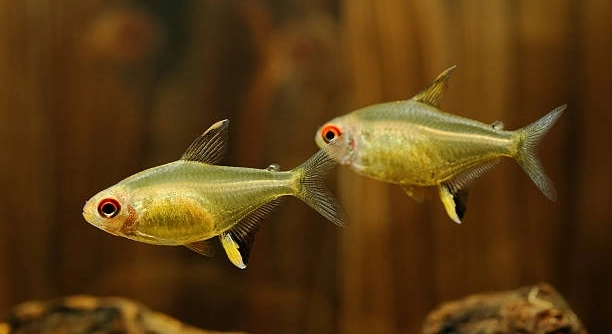
Have you ever noticed your lemon tetra swimming differently or hiding more than usual? Stress in these small, bright fish can affect their health quickly. Recognizing early signs helps maintain a happy, thriving aquarium environment.
Lemon tetras exhibit stress through changes in behavior, appetite, coloration, and swimming patterns. Identifying these indicators promptly allows aquarists to implement environmental adjustments, diet improvements, and social management strategies, minimizing stress and supporting optimal fish health.
Understanding these signs ensures your lemon tetras remain vibrant and active. Implementing small changes can greatly improve their overall well-being and comfort in the tank.
Erratic Swimming Patterns
When lemon tetras are stressed, their swimming becomes noticeably irregular. They may dart suddenly, collide with tank decorations, or hover near the surface without purpose. Over time, this behavior can lead to injuries or exhaustion. Stressful conditions often include sudden changes in water temperature, overcrowding, or an incompatible tank setup. Maintaining a stable environment with consistent temperature, proper filtration, and adequate hiding spaces can significantly reduce erratic swimming. Observing your tetras daily helps identify early stress before physical symptoms appear. Even small disruptions, like loud noises or vibrations near the tank, can trigger anxious behavior. Correcting these factors promptly promotes calmer, more natural swimming and reduces risk of illness. Ensuring they have plenty of space and visual barriers creates a sense of security, encouraging routine patterns. In addition, monitoring interactions with other fish can prevent bullying or territorial aggression that contributes to erratic movements. Consistent care reinforces their sense of safety and supports long-term health in the aquarium.
Daily observation allows you to catch stress signs quickly, minimizing risk of injury and ensuring healthy behavior.
Gradually adjusting the tank environment, such as lowering light intensity and providing more plants or hiding spots, helps tetras regain normal swimming habits. A calm, stable habitat encourages confidence, reduces panic swimming, and enhances overall vitality. Monitoring feeding routines and avoiding sudden changes to diet also supports balanced activity levels. Stress can be subtle, so tracking behavior over several days gives a clearer picture. If aggressive tank mates are present, consider rearranging the layout or separating incompatible fish. Using gentle water flow and avoiding rapid water changes maintains comfort. Over time, these adjustments foster a stable environment where tetras display natural schooling behavior, swim gracefully, and interact peacefully. Healthy swimming patterns also indicate proper adaptation to the aquarium conditions, confirming that stress factors have been mitigated effectively. Consistent attention to these elements ensures your lemon tetras remain active, vibrant, and less prone to health issues.
Loss of Appetite
Stressed lemon tetras often eat less or ignore food completely. This can lead to rapid weight loss and weakened immunity if not addressed promptly.
A lack of feeding is usually caused by environmental stressors, such as poor water quality, high noise levels, or overcrowded tanks. Monitoring feeding behavior helps detect early signs of stress, allowing for immediate corrective actions. Adjusting diet, improving water conditions, and reducing disturbances can encourage normal eating habits.
Ensuring the water parameters are stable and suitable for lemon tetras is essential. Using a varied diet with high-quality flakes, small frozen foods, or live options can stimulate appetite. Removing aggressive or overly active tank mates gives stressed fish room to feed comfortably. Maintaining a calm and quiet environment near the aquarium also encourages regular eating. Consistency in feeding times and quantities prevents overfeeding while supporting healthy growth. Watching closely for sudden changes in appetite allows for prompt interventions, preventing long-term health problems. Over time, a stable environment and proper nutrition restore normal feeding behaviors, helping tetras maintain energy levels, vibrant coloration, and overall well-being.
Faded or Dull Colors
Stress often causes lemon tetras to lose their bright yellow and silver hues. Their colors may appear washed out, making them look unhealthy or weak. Stress factors like poor water quality, improper lighting, or incompatible tank mates often trigger this change.
Maintaining proper water conditions is crucial for preserving coloration. Regular testing for ammonia, nitrite, nitrate, and pH ensures the environment remains stable. Providing adequate light while avoiding excessive brightness helps maintain natural pigmentation. Nutritionally balanced diets rich in carotenoids and other color-enhancing nutrients support vibrant hues. Minimizing stress by keeping a calm tank environment and limiting sudden disturbances also prevents color fading. Consistent observation of their appearance can help detect stress early, allowing for timely intervention before health declines.
In addition, overcrowding or aggressive tank mates can exacerbate color loss. Rearranging tank decor to create hiding spaces reduces tension and allows tetras to feel secure. Gradual water changes and temperature stability also support recovery. Over time, these adjustments restore their natural, vivid colors and indicate that the fish are adapting well to their environment.
Hiding More Than Usual
Stressed lemon tetras spend increased time hiding behind plants, decorations, or tank walls. Excessive hiding limits their activity and may indicate anxiety or discomfort.
Providing plenty of shelters and plants encourages natural hiding behavior without causing stress. Ensure there is enough open space for swimming alongside secure hiding areas. Stress can result from sudden noises, overcrowding, or aggressive tank mates. Minimizing disturbances and monitoring interactions reduces fear-driven hiding.
Gradually adjusting the tank setup can help stressed tetras feel safer. Rearranging decorations and adding floating plants provide shaded areas and reduce exposure to light or movement. Observing their response over several days helps determine which areas they prefer and feel secure in. If tank mates are causing aggression, consider separating incompatible fish or rearranging the tank layout to prevent territorial disputes. Maintaining a calm, stable environment allows lemon tetras to balance hiding with active swimming, promoting overall health and comfort.
Clamped Fins
Clamped fins are a clear sign of stress in lemon tetras. The fins stay close to the body instead of fanning out naturally, indicating discomfort or illness. Immediate attention to water quality and tank conditions is essential to prevent further health issues.
Poor water parameters, sudden temperature changes, or aggressive tank mates can cause fin clamping. Regular monitoring and gradual adjustments help the fish relax. Adding plants or hiding spots can reduce stress and encourage normal fin movement. Ensuring a balanced diet also supports fin health and overall vitality.
Rapid Gill Movement
Rapid gill movement indicates difficulty in breathing and high stress levels. It can result from poor oxygenation, high ammonia, or water temperature fluctuations.
Maintaining proper aeration and stable water parameters reduces rapid gill movement. Regular water testing and partial changes help maintain a healthy, stress-free environment.
Isolation From the School
Lemon tetras are schooling fish, and isolation from the group signals stress or illness. Constant separation can affect their behavior, feeding, and social interactions.
Restlessness at Night
Stressed lemon tetras may remain unusually active during nighttime, ignoring normal rest periods. This behavior can disrupt their natural rhythms and indicate ongoing discomfort or environmental issues.
How can I tell if my lemon tetra is stressed?
Stress in lemon tetras can show in several ways. Look for faded colors, clamped fins, rapid gill movement, hiding more than usual, or erratic swimming. Changes in appetite or isolating from the school are also common indicators. Observing these behaviors early helps prevent health problems.
What causes stress in lemon tetras?
Stress often results from poor water quality, sudden temperature changes, overcrowding, or aggressive tank mates. Loud noises, frequent tapping on the glass, or inconsistent lighting can also make fish anxious. Even minor changes in their environment can affect their comfort and behavior.
How can I improve water quality for stressed tetras?
Regular water testing is essential. Check ammonia, nitrite, nitrate, and pH levels to ensure they are within safe ranges. Performing partial water changes, cleaning the substrate, and maintaining a properly functioning filter help create a stable, stress-free environment for the fish.
What diet changes help stressed lemon tetras?
A varied diet improves health and resilience. High-quality flakes, frozen foods, and occasional live foods provide necessary nutrients. Feeding smaller portions more frequently can encourage appetite in stressed fish. Avoid sudden diet changes, as this can worsen stress and reduce feeding interest.
How many lemon tetras should be kept together?
Lemon tetras are schooling fish and feel safer in groups of at least six. Smaller groups may cause anxiety and isolation, leading to stress. Ensuring enough space per fish reduces competition and aggression, supporting calm and natural schooling behavior.
Do tank decorations affect stress levels?
Yes, decorations play a role in reducing stress. Plants, caves, and hiding spots allow tetras to feel secure. Open swimming areas combined with shaded spots help balance their need for exploration and safety. Rearranging decor gradually prevents startling the fish.
Can temperature changes cause stress?
Sudden or extreme temperature changes can stress lemon tetras. Maintaining a consistent temperature between 72°F and 78°F is ideal. Using a reliable heater and monitoring fluctuations during water changes prevents shock and supports overall health.
How do aggressive tank mates affect tetras?
Aggressive or territorial fish can intimidate lemon tetras, causing hiding, clamped fins, or erratic swimming. Observing interactions and separating incompatible fish reduces conflict. Providing sufficient space and visual barriers helps tetras feel safe and minimizes bullying behavior.
How long does it take for stressed lemon tetras to recover?
Recovery depends on the stress cause and corrective measures. Once water quality is stable, diet is consistent, and the environment is calm, fish may start showing improvement within a few days to weeks. Monitoring behavior ensures adjustments are effective.
Are there signs that stress has caused illness?
Yes, prolonged stress weakens immunity. Look for white spots, fin rot, lethargy, or unusual growths. Early intervention is critical. Addressing environmental stressors and seeking treatment for illnesses promptly can prevent long-term damage and restore health.
Can reducing light help stressed lemon tetras?
Lowering light intensity or providing shaded areas can reduce stress. Sudden bright lights may startle fish, while a gentle, consistent light cycle helps maintain normal behavior and reduces anxiety in the tank.
Should I rearrange the tank if my tetras are stressed?
Rearranging decorations can help if aggression or hiding issues occur. Do it gradually to avoid startling fish. Adding plants and secure areas allows tetras to feel comfortable, while open spaces encourage swimming and schooling.
Is it normal for tetras to hide after a water change?
Yes, they may hide temporarily due to new water conditions. Gradual changes and matching temperature, pH, and hardness help reduce stress. Observing behavior after changes ensures they adapt properly without prolonged anxiety.
Can overcrowding cause stress even if the tank is large?
Yes, even large tanks can become stressful if fish density is too high. Overcrowding increases competition for food, swimming space, and hiding spots. Maintaining proper stocking levels prevents aggression and ensures each tetra has enough room to thrive.
How can I encourage my tetras to eat again?
Offer small portions of varied foods near their usual feeding areas. Reduce disturbances and provide safe spots so stressed fish feel comfortable eating. Feeding at consistent times builds routine and encourages appetite recovery.
What daily care helps prevent stress?
Monitor water parameters, observe behavior, and provide stable temperature and lighting. Keep the tank clean, avoid sudden changes, and maintain a peaceful environment. Consistent feeding and sufficient hiding spaces help tetras remain calm and healthy.
Can stress affect breeding in lemon tetras?
Yes, stressed fish are less likely to breed. Anxiety, poor water conditions, and aggression reduce spawning behavior. Creating a calm, stable environment with proper nutrition supports natural breeding instincts and increases success rates.
How do I know if environmental adjustments are working?
Improvement in swimming patterns, appetite, color, and social interactions indicates reduced stress. Gradual positive changes over several days confirm that interventions are effective and that the fish are adapting to a healthier, calmer environment.
Are there long-term effects of stress in lemon tetras?
Prolonged stress can weaken immunity, reduce lifespan, and increase susceptibility to disease. Early identification and intervention are essential to prevent lasting health problems and ensure tetras remain active, vibrant, and well-adjusted within the aquarium.
Final Thoughts
Lemon tetras are small, delicate fish that can experience stress more easily than many other species. Stress affects their behavior, appearance, and overall health, so it is important to recognize the signs early. Faded colors, clamped fins, hiding, erratic swimming, and loss of appetite are all common indicators. Paying attention to these signs allows you to respond quickly and prevent long-term damage. Maintaining consistent water quality, stable temperatures, and proper nutrition creates an environment where lemon tetras can thrive. Small adjustments, such as adding plants, providing hiding spots, or adjusting tank lighting, can significantly reduce stress levels and improve their quality of life.
A calm and stable environment is crucial for the well-being of lemon tetras. Overcrowding, aggressive tank mates, and sudden environmental changes can increase anxiety and trigger stress behaviors. Observing your fish daily helps you notice subtle changes before they develop into serious health issues. Ensuring that the tank is properly maintained, with clean water and safe conditions, supports their natural behavior and reduces the likelihood of illness. Feeding a balanced and varied diet also strengthens their immune system and helps restore vibrancy in color and energy. With careful attention to their needs, lemon tetras can regain confidence, resume normal swimming and feeding patterns, and interact comfortably within their school.
Addressing stress in lemon tetras is not a one-time task but an ongoing process. Regular monitoring, gradual adjustments, and providing a stable environment help prevent recurring stress. By recognizing early warning signs and acting promptly, you can support their physical and emotional health. Lemon tetras are social, active fish that respond well to consistent care and a peaceful tank environment. Investing time and attention into maintaining proper conditions ensures that they remain vibrant, healthy, and active. Over time, these small but consistent actions create a stable habitat where lemon tetras can live comfortably, display their natural behaviors, and enjoy a longer, healthier life.

Hello,
If you enjoy the content that we create, please consider saying a "Thank You!" by leaving a tip.
Every little bit helps us continue crafting quality advice that supports the health, happiness, and well-being of pets around the world, for pets of all shapes, sizes, and species.
We really appreciate the kindness and support that you show us!