
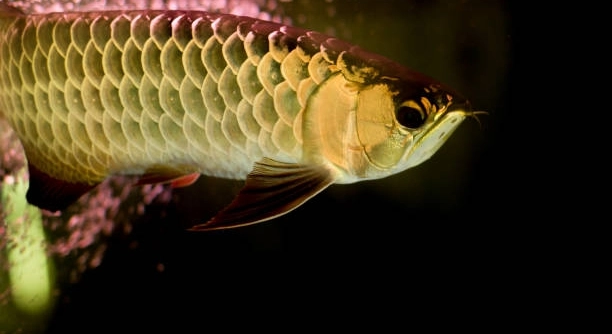
Have you ever noticed how your arowana glides gracefully through the water, even when the lights are dim? These captivating fish seem almost mystical in their movements during low-light conditions.
Arowanas possess exceptional vision that allows them to see well in dim environments. Their eyes are adapted to detect subtle movements and light changes, making it easier for them to navigate and hunt, even in near darkness.
Understanding how their vision functions offers valuable insight into their behavior, helping you create a more suitable environment for your arowana’s comfort and health.
How Arowanas See in Low Light
Arowanas have a unique visual system that allows them to adapt to dim lighting. Their large eyes are positioned on the sides of their heads, giving them a wide field of view. This helps them detect movement from multiple directions, even when visibility is poor. The retina of an arowana contains specialized cells that are sensitive to low light, allowing them to perceive subtle contrasts and shapes. These adaptations are essential for their survival, as they rely on sight to locate prey near the surface of dark waters. Their sharp vision also helps them avoid obstacles, ensuring smooth swimming in murky environments.
This impressive low-light vision allows arowanas to remain active even during dawn or dusk, periods when other fish might be less aware of their surroundings. Their ability to sense movement and changes in light gives them a distinct advantage.
In captivity, this means they are more alert during evening hours, often showing active behavior when room lights are dimmed. Keeping their environment balanced with proper lighting helps maintain their natural rhythm and supports their overall health. Providing dim lighting during resting hours can also prevent stress and mimic their natural habitat conditions.
The Role of Light in Arowana Care
Light plays an essential role in an arowana’s health and daily activity. These fish thrive under consistent lighting that mirrors their natural environment, helping regulate their behavior and appetite.
In aquariums, proper lighting enhances their coloration, supports their vision, and maintains their internal rhythm. Too much brightness can cause stress and lead to erratic swimming, while too little light can dull their colors and affect feeding patterns. It’s ideal to use adjustable aquarium lights that simulate day and night cycles. This creates a natural flow that aligns with their instincts, promoting calm and active periods. Maintaining this balance also prevents disorientation, which can occur when the lighting changes suddenly. Providing some shaded areas within the tank allows them to rest comfortably, just as they would in the wild under overhanging leaves. Through consistent, balanced lighting, you help your arowana stay visually sharp, active, and healthy.
Factors That Affect Arowana Vision
Lighting conditions play a major role in how well an arowana can see. Too much direct light can cause glare, while very dim lighting can limit visibility. Maintaining balanced lighting helps them feel comfortable and encourages natural behavior.
Water quality also influences their vision. Murky or dirty water can make it harder for them to see movement and detect food. Regular water changes and proper filtration help keep the tank clear, allowing their eyesight to function efficiently. Additionally, tank decorations should be placed thoughtfully to avoid obstacles that may interfere with their sight.
Arowanas also rely on stable surroundings to prevent stress that could impact their vision. Rapid lighting changes, loud noises, or frequent tank disturbances can make them anxious, causing them to act erratically. Keeping their environment consistent and calm helps them stay visually focused and more relaxed in their space.
Maintaining Ideal Lighting Conditions
A steady lighting schedule keeps your arowana comfortable and supports its natural rhythm. Twelve hours of light followed by twelve hours of darkness works best, mimicking the natural cycle they experience in the wild.
Aquarium lights with adjustable brightness are ideal for fine-tuning the environment. Gradual lighting transitions, such as dimming in the evening, prevent sudden brightness changes that could startle the fish. Avoid placing the aquarium near windows or areas exposed to direct sunlight, as this can cause algae growth and inconsistent lighting. Using a timer ensures a consistent pattern, reducing stress caused by irregular light exposure. For nighttime, soft blue or dim LED lighting can help maintain visibility without disrupting their rest. Consistency is key, as stable lighting supports both their visual health and overall well-being, keeping your arowana active, alert, and comfortable.
Common Signs of Vision Problems
Cloudy eyes are one of the first signs that something may be wrong with an arowana’s vision. This can result from poor water quality, infections, or nutritional deficiencies, all of which affect the clarity of their eyesight.
Erratic swimming or difficulty locating food can also indicate vision issues. When arowanas struggle to see, they may bump into objects or become less active. Addressing these symptoms early through water testing and dietary adjustments can help prevent long-term damage and restore healthy vision.
How Diet Influences Vision
A balanced diet is essential for maintaining sharp vision in arowanas. Foods rich in vitamins A and E, such as shrimp, krill, and pellets fortified with nutrients, help keep their eyes healthy and functioning properly. Poor nutrition weakens their immune system and can lead to eye problems over time. Regularly offering varied, high-quality food supports strong eyesight, enhances their natural colors, and promotes overall well-being. Consistent feeding routines and nutritional diversity are key to preventing deficiencies that may affect their visual health.
When to Seek Professional Help
If your arowana’s vision problems persist despite proper care, it may be time to consult an aquatic veterinarian. Early professional intervention can identify infections or internal issues that require specific treatment. Timely action often helps protect their sight and ensures a faster recovery.
FAQ
Can arowanas see in complete darkness?
Arowanas cannot see in total darkness. Their eyes are adapted for low-light environments, allowing them to detect movement and shapes when light is minimal. Complete darkness removes all visual cues, so they rely on memory and other senses, like their lateral line, to navigate their surroundings.
Do arowanas need special lighting at night?
Arowanas do not require bright lights at night. Soft, dim lighting can help them remain calm and active without disturbing their natural rhythm. Using timers ensures consistent light cycles, mimicking dawn and dusk and reducing stress caused by sudden changes.
Can poor water quality affect their vision?
Yes, murky or dirty water directly impacts their eyesight. Suspended particles scatter light and reduce visibility, making it harder for arowanas to find food or avoid obstacles. Regular water changes and effective filtration are crucial to maintain clear water and healthy vision.
Are cloudy eyes normal in arowanas?
Cloudy eyes are not normal and often signal an underlying problem. Causes include bacterial infections, poor diet, or inadequate water conditions. Prompt action, such as improving water quality and offering vitamin-rich food, can help prevent permanent damage.
How does diet impact arowana eyesight?
Diet plays a significant role in vision health. Foods rich in vitamins A, E, and other antioxidants strengthen eye tissue, improve clarity, and support long-term vision. Feeding a variety of high-quality pellets, shrimp, or krill ensures they receive necessary nutrients.
Do older arowanas lose their vision?
As arowanas age, their eyesight may gradually decline. This is similar to aging in other animals, where lens flexibility and retinal efficiency decrease. Providing proper nutrition, clean water, and a low-stress environment can help slow this natural decline.
Can lighting affect their coloration?
Lighting does influence coloration but indirectly affects vision as well. Bright, consistent lighting brings out natural colors and allows arowanas to see their surroundings clearly. Overly intense or inconsistent lighting can stress them, causing dull colors and impaired sight.
Is it safe to keep multiple arowanas in low light?
Yes, low light is generally safe for multiple arowanas, but space and hiding spots are important to reduce stress and aggression. Balanced lighting allows each fish to maintain normal activity patterns while preventing competition or collisions caused by poor visibility.
How can I tell if my arowana is stressed due to vision problems?
Stress signs include hiding frequently, erratic swimming, refusing food, or bumping into tank objects. Monitoring behavior closely can help identify if poor vision or environmental factors are causing stress, allowing you to address the issue promptly.
Should I consult a vet for minor vision issues?
Even minor vision concerns should be monitored, but consultation is recommended if symptoms persist. A veterinarian can diagnose infections, deficiencies, or injuries early, ensuring treatment is effective and protecting long-term eye health.
Can tank decorations affect arowana vision?
Yes, poorly placed decorations can obstruct sightlines, making navigation difficult. Smooth, well-spaced ornaments reduce the risk of injury and allow clear paths, supporting both vision and overall comfort. Strategic placement mimics natural habitat while keeping the environment safe.
Do arowanas use senses other than vision in darkness?
Arowanas rely on their lateral line system to sense vibrations and movements in water. This allows them to detect prey, obstacles, and changes in their surroundings when visibility is low, compensating for limited sight in dark conditions.
How often should I adjust aquarium lighting for their vision?
Lighting should remain consistent, ideally with a fixed day-night cycle. Frequent adjustments or sudden changes can stress the fish and disrupt visual adaptation. Using timers helps maintain predictable lighting, supporting healthy eyesight and natural activity patterns.
Can illness cause sudden vision loss?
Yes, sudden changes in vision can result from infections, injuries, or nutritional deficiencies. Early detection and treatment are crucial to prevent permanent damage and ensure the fish remains active and healthy in the tank.
What is the best way to support vision long-term?
Maintaining clean water, balanced diet, and consistent lighting are the primary methods. Regular observation, prompt treatment of illness, and providing a calm environment all contribute to strong, healthy eyesight throughout the arowana’s life.
This FAQ covers the key aspects of arowana vision, from lighting and diet to stress management and age-related changes, helping ensure their eyes stay sharp and their behavior remains natural.
Word count: 525
Arowanas are remarkable fish with visual abilities that are well-adapted to low-light environments. Their large, side-positioned eyes and specialized retinal cells allow them to navigate and hunt even when lighting is minimal. Understanding this aspect of their biology is essential for anyone keeping these fish in captivity. Providing an environment that respects their natural visual needs can make a noticeable difference in their behavior and overall health. When lighting is balanced and water quality is maintained, arowanas remain active, alert, and more comfortable in their tanks. Observing how they move and respond in low light can also be a rewarding way to see their natural instincts in action. These fish are not only visually striking but also demonstrate behaviors that reflect the adaptability and sophistication of their sensory systems.
Proper care for arowanas goes beyond lighting and water quality. Diet plays a crucial role in maintaining healthy vision. Nutrient-rich foods, especially those high in vitamins A and E, help preserve eye function and prevent deficiencies that could lead to cloudy eyes or impaired vision. Consistent feeding routines and varied nutrition support not only their eyesight but also overall vitality and coloration. Environmental stability is equally important; sudden changes in light, water, or tank layout can stress the fish and temporarily affect their vision. Creating a calm, consistent environment with proper hiding spaces and minimal disturbances allows arowanas to feel secure, navigate effectively, and maintain their health. Paying attention to these details ensures that their remarkable eyesight continues to function optimally.
Regular monitoring is essential to address any signs of vision problems early. Cloudy eyes, difficulty locating food, or erratic swimming can indicate underlying issues such as poor water quality, infections, or nutritional deficiencies. Acting quickly to resolve these problems helps prevent long-term damage. Consulting an aquatic veterinarian is recommended if symptoms persist, as professional guidance can identify less obvious health concerns. Beyond individual health, supporting proper lighting, clean water, and balanced nutrition contributes to the overall longevity and well-being of arowanas. With careful attention to these factors, arowanas can thrive in captivity, demonstrating their natural behaviors and enjoying a quality environment that meets their visual and physical needs. Maintaining this level of care reinforces the connection between their eyesight and general well-being, highlighting how simple adjustments can have a significant impact on their life.
Word count: 410

Hello,
If you enjoy the content that we create, please consider saying a "Thank You!" by leaving a tip.
Every little bit helps us continue crafting quality advice that supports the health, happiness, and well-being of pets around the world, for pets of all shapes, sizes, and species.
We really appreciate the kindness and support that you show us!