
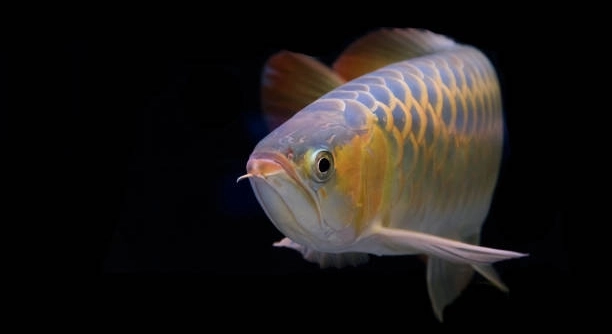
Do you ever notice your Arowana swimming close whenever you enter the room? Observing their behavior can be fascinating, as these fish are not just beautiful but may also display surprising signs of intelligence. Their interactions often leave owners intrigued.
Arowanas have demonstrated the ability to recognize familiar faces through consistent exposure. Studies indicate they can distinguish between different individuals, showing behavioral responses that suggest memory and recognition rather than random reaction. This ability highlights their cognitive capabilities in captivity.
Understanding how Arowanas identify humans offers valuable insight into their social behavior and care. Recognizing these patterns can enhance the relationship between the fish and their owners.
How Arowanas Learn to Recognize Faces
Arowanas are more observant than many realize. Over time, they become familiar with the people who feed and interact with them regularly. This recognition is not random; it develops through repeated exposure and association. When an Arowana sees a familiar face, it often responds with changes in swimming patterns or increased activity near the front of the tank. These fish rely on visual cues, so lighting and tank clarity can affect their ability to recognize individuals. Their memory appears to store details long enough to distinguish different people over weeks or months. Owners may notice that an Arowana responds differently to a new person entering the room compared to someone they see daily. This ability may serve practical purposes in the wild, helping them identify safe interactions or familiar environments. Regular, calm interaction helps strengthen recognition and reduces stress for both the fish and the observer.
Behavioral responses indicate recognition and memory, showing that Arowanas are capable of distinguishing between humans effectively.
Recognizing faces seems linked to consistency in interaction. Feeding at similar times and approaching the tank in a calm manner allows the Arowana to form associations. Sudden changes in behavior, such as rapid movements, may confuse them. Their visual recognition works alongside spatial memory, meaning they remember locations within the tank and correlate these with the people they see. Over time, this consistent interaction builds trust, reducing stress and encouraging natural behaviors like foraging and swimming patterns. Observing these responses gives insight into their cognitive development and highlights the importance of steady routines. This understanding can make caring for Arowanas more rewarding, as owners notice subtle reactions that reflect learning, memory, and social awareness.
Signs That Show Recognition
Arowanas exhibit clear behavioral changes when they recognize familiar people.
They may swim closer to the front of the tank, pause, or follow movements consistently. Some Arowanas will remain near the surface, showing heightened alertness when a known person approaches. Other signs include subtle gestures, like tilting the head or adjusting fins, indicating awareness and interest. These responses suggest that recognition is not just reflexive but involves memory and attention. By observing these behaviors regularly, owners can identify patterns that indicate which interactions the fish perceives as familiar. Over time, the Arowana’s reactions can become more predictable, reinforcing the recognition process. Recognizing these signs can improve interaction strategies, helping maintain calm and positive engagement with the fish.
Behavioral observations clearly demonstrate that Arowanas can distinguish between familiar and unfamiliar individuals. Studies reveal that these fish react differently depending on the level of exposure and familiarity. Arowanas often increase activity near the tank when seeing someone they recognize, while they may hesitate or retreat when encountering a new person. This behavior suggests memory retention and an ability to process visual information in ways comparable to some terrestrial animals. These reactions are consistent across various studies, showing that facial recognition is not a one-off occurrence but a repeated, measurable response. Factors like tank size, lighting, and the fish’s mood can influence the intensity of reactions, but the overall pattern remains clear. This ability may have evolutionary advantages, helping them respond appropriately to familiar or threatening situations. Recognizing these behaviors allows owners to tailor their interactions, improving the fish’s comfort and engagement. Observing and understanding these responses can also guide care routines, enhancing feeding efficiency, reducing stress, and promoting natural swimming and social behaviors.
Training Your Arowana to Recognize You
Consistency is key when interacting with your Arowana. Feeding at the same time each day and approaching the tank calmly helps the fish form associations and recognize you more quickly. Sudden movements can slow this learning process.
Repetition helps strengthen recognition. By performing the same actions daily, like tapping lightly or offering food in a predictable manner, your Arowana learns to associate these cues with you. Over time, it may swim to the front of the tank as soon as you appear. Positive reinforcement, such as feeding after calm interactions, encourages memory retention. Avoiding sudden changes or startling movements ensures the fish remains comfortable, reducing stress while reinforcing familiarity. Observing their reactions carefully allows you to adjust your approach and maintain consistent interactions.
Environmental factors also influence training. Clear water, good lighting, and minimal disturbances make it easier for the Arowana to notice and remember human features. A cluttered or dim tank can hinder visual recognition. Adjusting the environment while keeping routines steady helps reinforce learning. Patience is essential, as some Arowanas may take weeks to respond consistently. Regular observation allows you to identify the cues your fish responds to best. Over time, this combination of calm interaction, environmental control, and repetition builds strong recognition, making your Arowana more comfortable and responsive.
Challenges in Recognition
Not all Arowanas respond in the same way to familiar faces, as individual temperament varies.
Stress, illness, or environmental changes can affect recognition. Some fish may hide or act cautiously around anyone, familiar or new. A consistent routine and calm environment can help reduce anxiety, but patience is necessary. Understanding these challenges allows for better interaction and care.
Factors such as lighting, tank size, and even reflections can interfere with facial recognition. Arowanas rely heavily on visual cues, so poor visibility may prevent them from distinguishing familiar individuals. Stress from overcrowding or sudden water changes can also reduce responsiveness. Even with regular interaction, some fish may remain cautious due to personality or past experiences. Monitoring these variables closely helps identify what affects recognition most. Adjusting feeding schedules, tank placement, and interaction patterns improves familiarity over time. Gradual exposure and consistent, calm engagement allow the Arowana to feel secure, making recognition more reliable. Being attentive to these details ensures interactions remain positive and strengthens the bond between the fish and its owner.
Visual Cues That Arowanas Respond To
Arowanas notice movements and shapes around their tank. Sudden gestures may startle them, while calm, repeated motions help them identify familiar people. Their eyes are sensitive, making visual clarity important for recognition.
Lighting plays a key role in recognition. Bright, consistent light allows your fish to see details more clearly, which improves memory and familiarity.
The Role of Feeding in Recognition
Feeding schedules strongly influence how an Arowana recognizes you. When you approach the tank at predictable times, the fish associates your presence with food. Over time, it may swim closer or respond with excitement as you near the tank. Consistency strengthens recognition, creating positive associations that encourage interaction.
Avoiding Misinterpretation of Behavior
Arowanas sometimes appear attentive without recognizing a specific individual. Observing context and repeated behavior helps differentiate recognition from curiosity or environmental response.
FAQ
Can Arowanas really remember human faces?
Yes, Arowanas can remember human faces over time. Repeated exposure allows them to form associations with specific individuals. Their responses, such as swimming closer to the front of the tank or following your movements, indicate recognition. Memory plays an important role, and consistency in interaction strengthens this ability.
How long does it take for an Arowana to recognize someone?
The time varies depending on the fish and the consistency of interaction. Some Arowanas may show signs of recognition within a few days, while others take weeks. Regular feeding and calm, predictable approaches help speed up the process. Patience is key, as forcing interaction can cause stress.
Do all Arowanas recognize faces equally?
No, individual temperament affects recognition. Some fish are naturally more cautious or shy, while others respond quickly. Environmental factors such as tank size, lighting, and water clarity also influence how effectively they can distinguish human features. Each Arowana develops recognition at its own pace.
What behaviors indicate recognition?
Common signs include swimming toward the front of the tank, following your hand movements, or showing alertness when you approach. Some may adjust their fins or tilt their heads. Consistency in these behaviors over multiple encounters usually indicates genuine recognition rather than a random reaction.
Can poor tank conditions affect recognition?
Yes. Murky water, poor lighting, or excessive reflections can make it harder for an Arowana to see and remember faces. Stress from overcrowding or sudden environmental changes can also reduce responsiveness. Maintaining a clean, well-lit tank improves their ability to identify familiar people.
Does feeding influence recognition?
Absolutely. Arowanas learn to associate food with specific people. Approaching the tank at predictable times and offering food calmly strengthens recognition. Fish quickly link your presence to positive experiences, making interactions smoother and more predictable over time.
Can an Arowana forget someone?
Yes, if exposure is inconsistent or interrupted for long periods, an Arowana may show less recognition. Like many animals, memory can fade without reinforcement. Regular interaction and feeding help maintain recognition over time.
Is recognition linked to intelligence?
Recognition demonstrates a degree of cognitive ability. Arowanas not only respond to visual cues but also remember patterns and associate behaviors with individuals. These abilities reflect learning and memory skills, showing that Arowanas are capable of more than instinctive responses.
How can I improve recognition?
Consistency is the most important factor. Feed at the same times, approach calmly, and avoid sudden movements. Clear water, good lighting, and a predictable routine help the fish learn who you are. Observing subtle cues allows you to adjust interaction for better results.
Do Arowanas recognize all humans or just their main caretaker?
They tend to recognize those who interact with them regularly. A primary caretaker is most likely to be recognized first, but with repeated exposure, Arowanas can learn to distinguish multiple people. The strength of recognition depends on consistency and calm interaction.
Can stress interfere with recognition?
Yes. Stressful conditions such as loud noises, tank disturbances, or sudden changes can make an Arowana less responsive. When stressed, the fish may retreat or ignore familiar faces. Reducing stressors improves recognition and allows for more predictable interactions.
Is it possible to test if an Arowana recognizes me?
Yes. Approaching the tank at a consistent time and observing their reactions can indicate recognition. Positive signs include swimming toward you, increased alertness, or following your movements. Repeated patterns across multiple interactions confirm that the fish is responding to familiarity rather than curiosity.
Can Arowanas recognize reflections in glass?
Reflections may confuse them. They might respond to their own reflection as if it were another fish or a person. Observing consistent responses to your actual presence helps differentiate true recognition from reactions to reflections.
Do age or size affect recognition?
Younger Arowanas may take longer to recognize people as they are still developing memory and social behaviors. Larger or older Arowanas may show more deliberate responses due to experience and established patterns. Recognition ability generally improves with maturity and repeated interaction.
Are there ways to track recognition progress?
Yes. Keeping a simple log of interactions, noting the fish’s reactions, can help track progress. Record behaviors like swimming toward the front, following hand movements, or showing alertness. Over time, patterns indicate improved recognition and stronger associations with familiar people.
Can environmental enrichment impact recognition?
Enrichment, like plants, hiding spots, or visual cues, can support mental stimulation, helping the Arowana remain attentive and responsive. A well-structured tank allows the fish to feel secure, which indirectly supports learning and recognition abilities.
How do Arowanas distinguish between people?
They use visual cues such as size, shape, and movement patterns. Consistent actions, like feeding or tapping on the tank, help them differentiate individuals. Repetition strengthens these associations, making recognition more reliable over time.
Can Arowanas recognize pets or other animals?
Some may notice movements of other animals near the tank, but recognition is usually less precise than with humans they interact with regularly. The fish primarily rely on repeated, consistent cues, so unfamiliar animals may not trigger the same recognition response.
Does recognition improve with training?
Yes. Consistent exposure, calm interaction, and predictable routines help an Arowana recognize familiar people faster. Positive reinforcement, like feeding, supports memory retention. Gradual, steady training increases responsiveness and strengthens the bond between the fish and the caregiver.
Is it normal for recognition to fade temporarily?
Yes, temporary lapses can occur due to stress, illness, or environmental changes. Short periods without interaction may reduce responsiveness, but regular engagement typically restores recognition over time.
This FAQ section provides a comprehensive understanding of Arowana recognition, covering memory, behavior, environmental influences, and practical ways to support consistent interaction.
Final Thoughts
Arowanas are fascinating creatures, not only because of their beauty but also because of their surprising intelligence. Over time, they show that they are capable of recognizing people they see regularly. This recognition is not just a reflex; it is linked to memory and learning. Observing your Arowana react to your presence—swimming closer to the front of the tank, following hand movements, or showing alertness—demonstrates that these fish can form associations with familiar individuals. These behaviors suggest that consistent interaction and calm, predictable approaches help strengthen memory and recognition. Understanding this aspect of Arowana behavior allows owners to provide better care and enhances the overall experience of keeping them. It also highlights that these fish are more socially aware than many might expect, responding not only to feeding but to attention and gentle interaction.
Recognition in Arowanas is influenced by multiple factors, including environment, routine, and temperament. A clear tank with good lighting allows them to see details more effectively, making it easier to identify familiar people. Feeding at consistent times and interacting in predictable ways further reinforces their memory. However, stress, sudden changes in environment, or poor water conditions can interfere with recognition and reduce responsiveness. Some fish are naturally cautious or shy, which may make them slower to respond, while others may be more outgoing. By paying attention to these factors and adjusting the approach, owners can encourage positive behaviors and stronger recognition over time. The key is patience and observation, ensuring that interaction remains calm and rewarding for the fish. Over weeks and months, this consistency allows Arowanas to reliably recognize those who care for them.
Caring for an Arowana goes beyond feeding and maintaining the tank. Recognizing their capacity to remember faces and respond to familiar individuals adds depth to the relationship between owner and fish. It emphasizes the importance of steady routines, a stress-free environment, and gentle, repeated interactions. Observing subtle behaviors, such as fin movements, swimming patterns, or alertness, provides insight into their memory and comfort level. By supporting these behaviors and understanding the conditions that enhance recognition, owners can make the experience more engaging and fulfilling for both themselves and the fish. Overall, recognizing the intelligence of Arowanas encourages thoughtful care and appreciation, showing that these elegant fish are capable of more than just swimming—they notice, remember, and respond to the people who consistently interact with them.
Word count: 409

Hello,
If you enjoy the content that we create, please consider saying a "Thank You!" by leaving a tip.
Every little bit helps us continue crafting quality advice that supports the health, happiness, and well-being of pets around the world, for pets of all shapes, sizes, and species.
We really appreciate the kindness and support that you show us!