
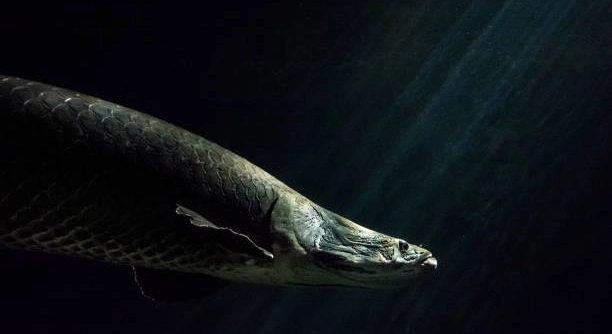
Many people love keeping arowanas and enjoy their vibrant colors and elegant swimming. Over time, certain beliefs about caring for these fish have become common. Some of these ideas, however, can actually be harmful to your fish.
Several widely held myths about arowana care, including feeding habits, tank size, and social behavior, can negatively affect their health. Correcting these misconceptions ensures better fish longevity, proper growth, and overall well-being, based on careful observation and expert guidance.
Learning the truth behind these myths can protect your fish and improve your aquarium experience. Being informed helps you provide safer, healthier conditions for your arowana every day.
Myth 1: Arowanas Can Live in Small Tanks
Many people believe that arowanas can survive in smaller tanks if they are young or small. In reality, these fish grow quickly and need ample space to swim comfortably. Restricting their space can cause stress, slow growth, and even deformities. Arowanas are active swimmers that require long, wide tanks to thrive. Limiting their environment can also increase aggression and cause injuries. Tank size should always consider the adult size of the fish. Filtration and water quality are equally important, as small tanks cannot properly dilute waste. Even with regular maintenance, a small tank can create unstable water parameters. Providing proper space from the start reduces health issues later. It allows your arowana to display natural behaviors without restriction. Always plan your aquarium with growth in mind. This simple step prevents many common problems that arise from overcrowded living conditions.
Small tanks restrict movement, causing stress and health issues that can shorten your arowana’s lifespan.
Proper tank planning ensures your arowana grows healthily, maintains strong immune function, and avoids behavioral problems like aggression or fin damage. Observing their swimming patterns can indicate if the tank is adequate. Arowanas need long and wide tanks with at least 250 liters for a young fish and much more as they grow. The extra space allows them to exercise, reducing stress and preventing skeletal problems. Filtration systems also perform better in larger volumes of water, stabilizing water parameters and making maintenance easier. Choosing a spacious tank is one of the most important steps in responsible care. While some people may try to save space or costs with smaller tanks, it can compromise the fish’s health and lifespan. Investing in the right tank ensures arowanas have the room to flourish physically and mentally, creating a more enjoyable and manageable aquarium environment.
Myth 2: Arowanas Eat Only Live Food
It is often said that arowanas will only eat live prey and refuse anything else. This is not entirely true. Many arowanas can adapt to frozen, prepared, or pellet foods.
Relying solely on live food can introduce diseases and parasites, which harm the fish’s health over time.
Feeding only live prey like small fish or insects can create nutritional imbalances. While live food is natural, it often lacks essential vitamins and minerals unless carefully supplemented. Introducing a variety of foods helps maintain arowana health and reduces the risk of disease. Many fish will learn to accept high-quality pellets or frozen food if introduced gradually. Offering diverse options supports growth and strengthens the immune system. Transitioning arowana to prepared diets also makes daily care more convenient. Frozen foods, like shrimp or silversides, can be safer than live prey because they are easier to control and store. Proper feeding practices prevent digestive issues, malnutrition, and stress caused by hunting for live food exclusively. By gradually mixing food types and observing preferences, most arowanas adapt and thrive on a balanced diet that includes live, frozen, and prepared options, ensuring better overall health and longevity.
Myth 3: Arowanas Are Always Aggressive
Arowanas are often labeled aggressive toward all tank mates. While they can be territorial, their behavior depends on size, tank space, and personality. Many can coexist peacefully with compatible species if properly introduced and monitored.
Aggression is usually exaggerated by overcrowding or improper tank setup. Arowanas need enough room to swim without constant competition. Sudden movements or frequent tapping on the glass can also trigger defensive behavior. Careful selection of tank mates, such as robust mid-sized fish, can reduce conflicts. Introducing new fish slowly allows the arowana to adjust. Observation during feeding and interaction times is key to identifying signs of real aggression versus curiosity. Avoiding small, delicate fish prevents accidental harm and stress to both the arowana and other fish.
Understanding their temperament helps prevent unnecessary stress for both the fish and the owner. Proper tank design, compatible species, and gradual introductions make aggressive behavior manageable and less frequent. Arowanas are capable of forming predictable patterns, and providing hiding spaces and visual barriers further reduces confrontations. Adjusting feeding schedules and minimizing sudden changes can calm otherwise tense environments. Over time, most arowanas display periods of calm, especially when given sufficient room and enrichment. Recognizing triggers, such as competition for food or encroachment on territory, allows for preventive measures. Stress reduction supports immune function and reduces susceptibility to illness. With attention and patience, arowanas can live with other fish without constant fighting, making the aquarium more stable and less stressful.
Myth 4: Arowanas Can Survive Poor Water Conditions
Some owners think arowanas are hardy and can tolerate low water quality. In truth, poor water conditions cause stress, disease, and reduced lifespan. Proper maintenance is essential.
Arowanas require clean, well-filtered water with stable parameters. Ammonia, nitrite, and nitrate levels should be closely monitored. Frequent water changes prevent harmful buildup, and maintaining proper pH and temperature ensures comfort and growth. Neglecting these factors increases the risk of fin rot, infections, and stunted growth. Strong filtration and regular tank checks are necessary to avoid fluctuations that stress the fish. Even a short period of poor water quality can cause long-term health issues. Testing water weekly and observing fish behavior helps catch early signs of problems. Using dechlorinated water and avoiding overcrowding also reduces risk. Attention to these details keeps arowanas healthy, active, and more resistant to disease, creating a thriving aquarium environment.
Myth 5: Arowanas Don’t Need Hiding Spots
Many believe arowanas only need open swimming space and no shelter. In reality, hiding spots reduce stress and provide security.
Even large, confident fish benefit from visual barriers and shaded areas. Rocks, driftwood, or plants help them feel safe and encourage natural behavior.
Myth 6: Arowanas Can Eat Anything
Arowanas are often fed anything available, but improper diets can cause health issues. Feeding high-fat or low-quality foods may lead to obesity, digestive problems, or vitamin deficiencies. Balanced nutrition is essential to support growth, immune function, and overall vitality.
Myth 7: Jumping Is Always a Sign of Illness
Arowanas jump for several reasons, including excitement, exploration, or chasing prey. It does not always indicate poor health. Proper tank covers prevent injury, keeping them safe while allowing natural behavior.
FAQ
What size tank does an arowana need?
Arowanas grow quickly and require spacious tanks to thrive. A young arowana should start in at least 250 liters, but adult fish need tanks exceeding 500 liters. Length and width matter more than height because these fish swim horizontally. Proper space reduces stress, encourages natural swimming, and prevents deformities.
Can arowanas live with other fish?
Yes, but only with careful selection. Choose robust mid-sized fish that are not small enough to be eaten. Avoid overcrowding and provide enough space. Gradually introduce tank mates and observe behavior to prevent aggression. Visual barriers like driftwood or plants help reduce confrontations and make coexistence more manageable.
Do arowanas need live food?
Not always. Arowanas can adapt to frozen or prepared foods like shrimp, silversides, and high-quality pellets. Live food is optional and should be supplemented carefully. Relying solely on live prey can introduce parasites and diseases, while a varied diet supports growth and overall health.
How often should I change the water?
Frequent water changes are essential for arowanas. Typically, replace 20–30% of the water weekly. Monitor ammonia, nitrite, and nitrate levels, along with pH and temperature. Consistent water quality prevents stress, infections, and stunted growth. Dechlorinate tap water before adding it to the tank.
Why does my arowana jump?
Jumping is natural behavior. It can occur due to excitement, exploring the environment, or hunting prey. A secure tank cover is necessary to prevent injuries. Frequent jumping may indicate the need for a larger tank or improved water conditions, but it is not always a sign of illness.
What should I feed an arowana?
Provide a balanced diet of high-quality pellets, frozen shrimp, silversides, and occasional live food if desired. Avoid low-quality or fatty foods, which can cause digestive problems or obesity. Introduce new foods gradually to prevent refusal and stress, ensuring proper growth and strong immune function.
How do I reduce aggression in my arowana?
Aggression is often caused by territorial stress or overcrowding. Ensure the tank is large enough and choose compatible species. Use hiding spots, visual barriers, and gradual introductions. Avoid sudden movements and provide sufficient feeding space. Monitoring behavior and adjusting tank conditions reduces conflicts and maintains a stable environment.
Are arowanas hardy fish?
They are hardy only if given proper care. They do not tolerate poor water quality. Stable parameters, strong filtration, and regular maintenance are essential. Stress from dirty or overcrowded tanks can lead to disease, reduced immunity, and shorter lifespan. Attention to tank setup ensures arowanas remain healthy and active.
How do I know if my arowana is healthy?
Healthy arowanas are active, have bright scales, clear eyes, and smooth fins. Watch for consistent swimming patterns and normal appetite. Dull coloration, lethargy, abnormal swimming, or fin damage indicates stress, poor diet, or illness. Observing these signs early allows for corrective measures and prevents serious health issues.
Do arowanas need hiding spots?
Yes, even confident arowanas benefit from shelter. Hiding spots reduce stress and mimic natural environments. Driftwood, rocks, and plants provide security and comfort. This helps them feel safe, encourages natural behavior, and reduces stress-related aggression or health issues in the tank.
Can improper diet harm my arowana?
Absolutely. Low-quality, fatty, or imbalanced diets can lead to obesity, malnutrition, digestive issues, and reduced immunity. A varied, balanced diet ensures proper growth and vitality. Avoid feeding only live prey or random foods, and provide nutritional supplements if necessary to maintain overall health.
What is the best water temperature for arowanas?
Arowanas thrive in 24–28°C (75–82°F). Sudden fluctuations can cause stress or illness. Consistent temperature, combined with proper filtration and water quality, helps maintain metabolism, feeding behavior, and immune function. Use a heater and thermometer to monitor conditions accurately.
How can I prevent diseases in my arowana?
Maintain clean water, balanced nutrition, and proper tank conditions. Quarantine new fish and avoid overcrowding. Observe behavior and appearance regularly. Preventing stress is crucial, as stressed arowanas are more susceptible to infections. Early detection and consistent care reduce the risk of illness significantly.
Are tank decorations necessary for arowanas?
Decorations are helpful but not essential for swimming space. Use driftwood, rocks, or plants to create visual barriers and hiding spots. These additions reduce stress, encourage natural behavior, and make the environment more secure, even for large, dominant fish.
How often should I feed my arowana?
Feed young arowanas once or twice daily, providing small portions they can finish quickly. Adult arowanas usually require feeding every other day. Avoid overfeeding, which can pollute the water, cause obesity, or lead to digestive problems. Consistent feeding schedules support health and growth.
What signs indicate poor water quality?
Watch for lethargy, gasping at the surface, clamped fins, or unusual swimming. Cloudy water, strong odor, or algae blooms also indicate imbalance. Regular testing of ammonia, nitrite, nitrate, pH, and temperature helps catch problems early, allowing immediate corrective action to protect your fish.
Can arowanas adapt to different water types?
Arowanas can tolerate slight variations in pH and hardness, but sudden changes stress them. Gradual adjustments are key if switching water sources. Stable, well-filtered water ensures consistent health, encourages natural behavior, and reduces susceptibility to disease, making adaptation smoother.
Do arowanas need supplements?
Supplements are sometimes necessary if their diet lacks vitamins or minerals. High-quality pellets often provide sufficient nutrition, but occasional vitamin-enriched foods can support growth and immunity. Avoid over-supplementing, which can harm digestion or water quality. A balanced approach keeps your arowana healthy.
How can I make my arowana more comfortable in its tank?
Provide ample swimming space, stable water conditions, hiding spots, and a balanced diet. Reduce sudden disturbances and monitor behavior for signs of stress. Gradual introductions of new tank mates or decorations help create a secure, low-stress environment that encourages healthy, natural behavior and long-term well-being.
This FAQ covers common concerns and helps ensure arowanas receive proper care, avoiding myths and practices that could harm their health.
Word count: 508
Final Thoughts
Caring for arowanas requires attention, patience, and understanding. These fish are often surrounded by myths that can mislead even experienced owners. Believing that small tanks are enough, that live food is mandatory, or that aggression is always uncontrollable can result in serious health issues for your fish. Each decision, from tank size to diet, affects their well-being. Observing your arowana closely, learning their behavior, and providing proper care are essential steps to prevent stress, disease, and injuries. By replacing myths with facts, you give your fish a healthier, more comfortable life. Arowanas are resilient when cared for correctly, but they cannot compensate for poor living conditions or improper nutrition.
Water quality is one of the most critical aspects of arowana care. Many people underestimate how sensitive these fish are to changes in their environment. Stable water parameters, regular filtration, and frequent partial water changes are necessary to maintain health. Neglecting these factors can quickly lead to illness, reduced appetite, and even long-term damage to their growth and immune system. Temperature, pH, and cleanliness all influence their behavior and overall well-being. Providing a balanced diet with varied foods, including pellets, frozen options, and occasional live prey, supports growth and strengthens the immune system. Paying attention to tank conditions and food quality ensures that your arowana remains active, vibrant, and strong for many years.
Understanding their behavior also makes care easier and more rewarding. Not all jumping, chasing, or solitary swimming is a sign of illness or aggression. These are often natural responses to their environment. Adding hiding spots, visual barriers, and proper tank companions reduces stress and creates a more stable environment. Gradually introducing changes, monitoring reactions, and avoiding overcrowding prevent conflicts and behavioral problems. Arowanas thrive when given sufficient space, proper nutrition, and a clean, well-maintained environment. By approaching care thoughtfully and relying on proven practices rather than myths, you can create a safe and healthy habitat. This attention to detail ensures your arowana lives a long, healthy life while allowing you to enjoy observing their elegance and unique personality.
Word count: 412

Hello,
If you enjoy the content that we create, please consider saying a "Thank You!" by leaving a tip.
Every little bit helps us continue crafting quality advice that supports the health, happiness, and well-being of pets around the world, for pets of all shapes, sizes, and species.
We really appreciate the kindness and support that you show us!