
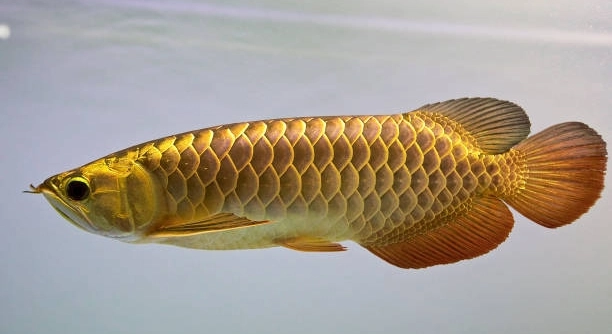
Have you ever noticed how arowanas swim differently when new objects or foods are added to their tank? These elegant fish seem sensitive to subtle changes in their surroundings, reacting in ways that can be surprising to observe.
Arowanas can respond to changes in scent in their environment. Research shows that these fish use olfactory cues to detect food, recognize other fish, and sense potential threats, allowing them to adjust their behavior accordingly in both natural and captive settings.
Observing how scent affects your arowana can reveal much about its natural instincts and help improve care routines for a healthier, more engaged fish.
How Arowanas Detect Scents
Arowanas have a strong sense of smell that helps them interact with their environment. They use specialized sensory organs to pick up chemical signals in the water. These signals help them find food, avoid danger, and even identify other fish in the tank. In my experience, introducing new foods or plants can quickly change how my arowana moves or searches for items. Observing these reactions shows how alert they are to subtle changes. They can sense minute differences in water chemistry that humans cannot detect. Even small shifts in the type of food or the presence of another fish can alter their swimming patterns. This sensitivity is part of their natural hunting behavior. They rely on scent as much as sight when exploring their habitat. Providing a clean and consistent environment helps them use these senses effectively, promoting better feeding and healthier interactions with other fish in the tank.
Scent detection influences feeding habits and social behaviors. Arowanas respond quickly to new odors in the water.
Understanding how scent affects their actions can improve tank management. Consistently monitoring water quality and introducing new scents gradually helps maintain their comfort and natural instincts, keeping them active and responsive.
Behavioral Changes Linked to Scent
Even slight changes in the water can alter arowana behavior.
Arowanas may become more alert or hesitant when detecting unfamiliar smells. Observing these reactions provides insight into their comfort and stress levels. For instance, adding a new type of food may make them swim differently or inspect the tank more thoroughly. Similarly, introducing a new fish or rearranging tank decorations can trigger cautious exploration. Over time, these behavioral shifts reveal patterns in how they respond to their environment. Tracking these responses can guide feeding schedules, social introductions, and tank maintenance. In my experience, paying attention to these changes helps anticipate stress before it becomes a problem. It also allows for better planning when changing water treatments or adding supplements. Overall, understanding scent-related behaviors creates a more harmonious and stimulating environment. This approach ensures the arowana stays healthy, active, and engaged, showing more natural behaviors that reflect its instincts in the wild.
Scent and Feeding Responses
Arowanas often react to food scents before seeing it. Strong or familiar smells can make them more active, while unfamiliar scents may cause hesitation. Observing these reactions helps adjust feeding routines effectively.
In my tank, I noticed that changing the type of pellets immediately shifted my arowana’s behavior. When a new scent entered the water, it would circle the tank more and investigate corners more thoroughly. This reaction shows their reliance on smell for identifying food. Some scents trigger excitement, making feeding times more engaging, while others create caution, slowing their approach. Monitoring these responses helps determine preferred foods and feeding schedules, which improves their nutrition and overall activity.
Scent also influences how quickly arowanas eat. When the odor is strong, they tend to strike faster and show more focus on the food. This makes feeding both predictable and efficient, reducing wasted pellets in the tank.
Environmental Scents and Stress
Unfamiliar odors in the water can stress arowanas, leading to cautious or erratic swimming. Stress signals are visible in posture and movement.
Changes like cleaning products, new plants, or additives can affect their behavior for hours or days. I once added a small water conditioner, and my arowana avoided a section of the tank for a while, showing clear discomfort. Even scents from other fish introduced in separate containers caused visible reactions. Understanding these responses is key for maintaining a calm tank. Gradual introduction of changes helps them adjust without stress, keeping activity normal.
Managing environmental scents is critical for arowanas’ well-being. Regular observation allows timely adjustments, preventing prolonged stress. Consistent water conditions, careful handling, and measured additions of supplements or decor create a stable habitat. Arowanas become more confident when scents remain predictable, reducing fear responses and encouraging natural behavior. Maintaining this balance also supports appetite, growth, and social interactions, ensuring the fish thrives in both small and larger tanks. Recognizing stress caused by scent allows proactive care that enhances both health and longevity.
Scent and Social Behavior
Arowanas can detect scents from other fish, which affects their interactions. They may become curious, cautious, or even territorial depending on the odor. Monitoring these responses helps manage tank introductions smoothly.
In my experience, adding a new fish in a separate container initially caused my arowana to stay near that area, observing and reacting to the unfamiliar scent.
Scent Influence on Breeding
Scent plays a role in breeding readiness. Mature arowanas can detect chemical signals indicating mating behavior or readiness. This affects courtship displays, aggression levels, and proximity between potential partners. Careful observation of these responses can guide breeding practices in captivity, helping create a suitable environment for reproduction.
Tips for Managing Scents
Keeping the tank clean and consistent reduces sudden scent changes. Regular water checks and slow introduction of new items help arowanas stay comfortable and responsive.
FAQ
How sensitive are arowanas to changes in scent?
Arowanas are highly sensitive to changes in scent. They use chemical signals in the water to detect food, other fish, and potential threats. Even small shifts in water chemistry or the introduction of new items can trigger noticeable changes in behavior. In my tank, switching the type of food instantly made my arowana more active and alert, circling areas where the new scent was strongest. Their reliance on olfactory cues is part of their natural instincts, and understanding this helps provide a stable environment that supports feeding, social interaction, and stress management.
Can unfamiliar scents cause stress in arowanas?
Yes, unfamiliar scents can create stress. Introducing new plants, cleaning agents, or water additives may result in cautious or erratic swimming. I noticed that after adding a small water conditioner, my arowana avoided certain areas for hours. They may also reduce their feeding or hide temporarily. Gradual introductions and monitoring behavior help reduce stress and ensure arowanas stay comfortable in their tank.
Do arowanas respond differently to food scents?
Arowanas respond quickly to food scents, often before seeing the food. Strong, familiar odors stimulate activity and prompt fast feeding, while unfamiliar smells can cause hesitation. I found that some new pellets made my arowana circle the tank and investigate corners before eating. Observing these responses helps identify preferred foods and adjust feeding routines, keeping them healthy and engaged.
Can scent affect social interactions?
Yes, scent influences interactions with other fish. Arowanas may show curiosity, caution, or territorial behavior depending on the odor from tankmates. When I introduced a new fish in a separate container, my arowana stayed near that area for hours, reacting to the unfamiliar scent. Understanding these cues is important for managing introductions and preventing conflicts.
How do scent changes impact breeding behavior?
Scent can indicate readiness to breed. Mature arowanas detect chemical signals related to courtship or reproductive status. These scents influence displays, aggression, and proximity between potential mates. Observing these responses helps create suitable conditions for breeding and ensures the fish remain comfortable while encouraging natural reproductive behaviors.
What steps help manage scent in the tank?
Maintaining consistent water quality is key. Regular water changes, slow introduction of new foods, plants, or fish, and careful monitoring of additives reduce sudden scent changes. In my experience, predictable conditions keep arowanas confident, active, and less stressed. Consistency also supports feeding, growth, and natural behavior patterns, creating a healthier tank environment.
Can scent signals indicate health issues?
Changes in behavior linked to scent can sometimes reveal health problems. If a normally responsive arowana stops reacting to familiar food scents or tankmates, it may indicate illness or discomfort. Watching for these subtle cues allows early intervention, helping maintain the fish’s health and preventing minor issues from becoming serious.
How can I introduce new scents safely?
Introduce new scents gradually. Adding small amounts of new food, plants, or tankmates while observing behavior prevents stress. In my experience, splitting introductions over several hours or days lets the arowana acclimate, reducing cautious or erratic swimming. This approach promotes comfort and ensures their natural behaviors continue uninterrupted.
Do different arowana species react differently to scent?
Yes, species variations exist. Some are more territorial, while others are more exploratory. In my tank, a silver arowana reacted faster to new food scents than an albino arowana I observed in another setup. Understanding species-specific tendencies helps tailor feeding and tank management to suit their behavior and instincts.
Can scent cues replace visual cues in feeding or interaction?
Scent cues are sometimes more important than visual cues. Arowanas may detect and react to food or other fish before seeing them. I’ve noticed my arowana approach the area where new pellets were dropped, guided entirely by smell. Combining predictable scents with visual observations ensures effective feeding and interaction management, supporting their natural habits.
Arowanas are remarkable fish that rely heavily on their senses to interact with their environment, and scent plays a particularly important role. Throughout my experience caring for them, I’ve seen how sensitive they are to changes in the water. Even minor adjustments, like adding a new type of food or a small decoration, can trigger noticeable shifts in behavior. They often respond to scents before they respond visually, which highlights the importance of maintaining a stable environment. This sensitivity is part of their natural instincts, helping them locate food, recognize other fish, and stay alert to potential threats. Paying attention to these subtle cues can make a significant difference in how well they thrive in a tank setting.
Managing the scents in arowanas’ environment requires consistency and careful observation. Gradually introducing new foods, plants, or tankmates allows them to adjust without stress. I’ve noticed that sudden changes can lead to hesitation, cautious swimming, or even temporary hiding. Consistent water quality and predictable conditions help them remain confident and active. Watching their reactions closely can reveal preferences for certain foods or their comfort level around other fish. By maintaining these small routines, it’s possible to encourage natural behaviors, such as feeding, exploration, and social interaction, while minimizing stress. Over time, this creates a healthier and more engaging environment, allowing arowanas to show their full range of natural instincts.
Understanding how scent affects arowanas also provides insights into their overall well-being. Subtle changes in behavior, such as avoiding certain areas of the tank or reacting differently to familiar food, can signal stress or health issues. Paying attention to these signs allows for timely intervention, whether that means adjusting feeding practices, checking water quality, or slowly introducing new elements. Observing how arowanas respond to different scents can also improve breeding practices by helping to identify readiness and social compatibility. Ultimately, managing scent carefully creates a balanced environment where arowanas can thrive, remain active, and display their natural behaviors consistently. It’s a straightforward way to support their health and comfort, and it demonstrates the important role scent plays in their daily lives.

Hello,
If you enjoy the content that we create, please consider saying a "Thank You!" by leaving a tip.
Every little bit helps us continue crafting quality advice that supports the health, happiness, and well-being of pets around the world, for pets of all shapes, sizes, and species.
We really appreciate the kindness and support that you show us!