
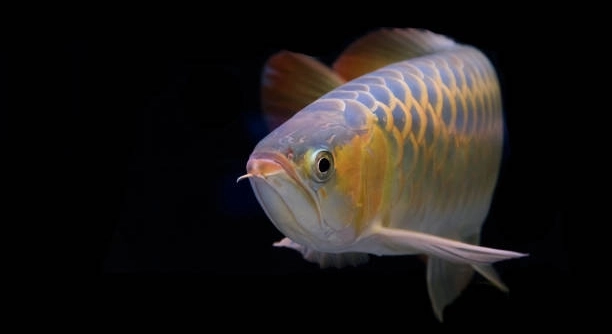
Are your arowanas acting restless or showing unusual aggression in the tank? Many fish owners notice subtle changes in behavior that can affect both the fish and the overall harmony of their aquarium environment.
Adjusting tank setups can significantly improve arowana behavior. Properly configuring water flow, hiding spaces, lighting, and tank size creates a more natural environment. These adjustments reduce stress, enhance activity, and encourage healthier interactions among the fish.
Understanding these simple tweaks can make your aquarium a calmer and more engaging space for your arowanas to thrive. Exploring these adjustments can transform both behavior and tank dynamics effectively.
Adjust Water Flow for Comfort
Arowanas are sensitive to water currents, and too strong a flow can make them stressed and lethargic. I noticed my own fish would constantly struggle near the filter, avoiding parts of the tank. By adjusting the flow, they began swimming more naturally. Gentle, even water movement allows arowanas to glide effortlessly, reducing anxiety and improving overall health. Using a sponge filter or redirecting pump output can make a noticeable difference. Placement of decorations and plants can also help break up strong currents, giving the fish calmer areas. This change often results in more visible activity and better appetite. Over time, the tank becomes a more balanced environment, encouraging normal behavior and social interactions. Watching them explore corners calmly shows that subtle adjustments can have a major impact on their comfort. It’s rewarding to see them move without constant resistance from the water, signaling a healthier habitat.
Adjusting water flow helps arowanas feel safer and encourages natural swimming patterns. Proper flow reduces stress and improves tank activity.
When the water moves gently, arowanas can explore more freely and interact calmly. Strong currents can tire them quickly, causing hiding or unusual aggression. Small adjustments to pump speed or filter direction are simple but effective. Adding floating plants or ornaments to redirect currents creates calmer zones. Over time, fish become more active and confident, showing their natural grace. Maintaining consistent water parameters alongside proper flow keeps stress levels low and supports long-term health. Observing the difference in behavior after these changes highlights how environmental tweaks can positively influence arowanas’ daily life. The tank becomes easier to manage, and fish owners can enjoy a peaceful, lively aquarium.
Add Hiding Spots and Decorations
Providing hiding places in the tank gives arowanas a sense of security. Even a few carefully placed rocks or driftwood can make them feel less exposed.
Hiding spots reduce stress and prevent territorial disputes, especially in tanks with multiple fish.
Arowanas naturally seek shelter when they feel threatened, so having varied hiding areas mimics their natural environment. Driftwood, large plants, or rock caves allow fish to rest and retreat as needed. This setup decreases aggression and promotes exploration in open areas without fear. I arranged corners with smooth stones and floating plants, and the fish began using them regularly. They also seemed more confident during feeding times, approaching food without hesitation. Decorations serve a dual purpose—they improve aesthetics and provide functional space for natural behavior. Over time, fish become calmer and display more consistent activity. This subtle change can also help with health, as less stressed fish are more resistant to disease. By observing their use of hiding spots, it becomes clear that simple adjustments significantly improve comfort and overall well-being.
Maintain Proper Tank Size
Arowanas need ample space to swim freely. A cramped tank can increase stress, trigger aggression, and reduce overall activity. Proper sizing supports natural behavior and health.
Arowanas are large, active fish that require room to glide, turn, and explore. A tank that is too small restricts movement, causing restlessness and potential injuries from collisions with walls or decorations. I upgraded my tank after noticing constant darting and occasional fin damage. Once the arowanas had more space, their swimming became smoother, and they showed less aggression toward each other. Proper tank size also makes water maintenance easier and keeps environmental conditions more stable. Spacing allows for organized placement of decorations, hiding spots, and filtration systems, which further enhances comfort.
Providing a tank with sufficient length and width is critical. Depth matters less but can affect swimming comfort. Larger tanks reduce territorial stress, giving each fish its own area to explore. Open space encourages natural hunting and feeding behavior, while allowing them to establish personal zones without constant confrontation. Proper tank size contributes to overall mental well-being and physical fitness, ensuring your arowanas remain active, healthy, and less prone to stress-related illnesses. Watching them glide smoothly in a spacious tank reinforces how essential this adjustment is.
Optimize Lighting Conditions
Balanced lighting supports normal behavior and helps regulate day-night cycles. Overly bright or dim lighting can stress arowanas and affect activity levels.
I adjusted my tank lights gradually, providing softer illumination during the day and a gentle dimming at night. Initially, the fish would hide when lights were too harsh, showing hesitation in open areas. Once the lighting became consistent and natural, activity levels improved. The fish began exploring all areas of the tank without retreating unnecessarily. Lighting that mimics natural conditions helps regulate sleep patterns and feeding behavior. Avoiding sudden, intense light changes prevents shock, while strategically placed plants and ornaments diffuse brightness, creating comfortable zones. Over time, proper lighting contributed to calmer, more confident arowanas that interacted naturally and fed consistently.
Control Water Temperature
Consistent water temperature is crucial for arowana comfort and behavior. Sudden changes can stress fish, leading to reduced activity and appetite.
I monitor my tank daily with a reliable thermometer. Keeping the water stable around 78–82°F helps the fish remain active and calm, minimizing erratic movements and hiding.
Monitor Water Quality
Regular water checks prevent harmful ammonia, nitrite, or nitrate levels. Poor water conditions can trigger aggression, lethargy, or illness. Maintaining clean water is key for healthy behavior and longevity in arowanas.
Feed a Balanced Diet
Providing varied and nutritious food supports energy levels, reduces aggression, and encourages natural hunting behavior. Consistent feeding routines help maintain stable behavior patterns.
Minimize External Stress
Limiting sudden noises, vibrations, or excessive activity near the tank reduces arowana stress. Calm surroundings promote relaxed and natural behavior, making fish more approachable and confident.
How often should I change my arowana’s water?
Water changes are essential for keeping your arowanas healthy. I usually replace 20–30% of the water every week, which helps remove excess waste and maintain stable water parameters. Skipping changes can lead to poor water quality, stressing the fish and triggering aggressive behavior.
What is the ideal tank temperature for arowanas?
Arowanas thrive in water temperatures between 78–82°F (25–28°C). I keep a reliable heater and thermometer in the tank to monitor temperature consistently. Sudden drops or spikes can cause stress, reduce appetite, and affect their swimming patterns. Stability is more important than the exact number.
Can arowanas live with other fish?
Yes, but carefully. I’ve kept arowanas with larger, peaceful species that don’t compete for territory or food. Smaller or aggressive fish may trigger attacks or stress. Providing ample space and hiding spots helps maintain harmony in a mixed tank environment.
How much space does an arowana need?
Arowanas are large, active fish. I recommend a tank at least 6 feet long for adults. Adequate space prevents collisions, reduces stress, and supports normal swimming. Crowding can lead to aggression and health problems, so bigger is always better when possible.
What should I feed my arowana?
I provide a mix of live, frozen, and pellet foods. Protein-rich options like shrimp, small fish, and specially formulated pellets keep them healthy. Avoid overfeeding; too much food can pollute the water and cause digestive issues. Variety also encourages natural hunting behaviors.
Why does my arowana jump out of the tank?
Arowanas are natural jumpers. I cover my tank with a secure lid and keep water levels slightly lower to prevent accidents. Stress, poor water quality, or excitement during feeding can increase jumping. A safe environment reduces the risk of injury.
How do I reduce aggression between arowanas?
Proper tank size, hiding spots, and consistent feeding routines are key. I’ve noticed aggression decreases when each fish has its own space and territory. Avoid overcrowding and maintain clean water to minimize stress-induced fights. Gradual introductions help when adding new fish.
What lighting conditions work best for arowanas?
I use moderate lighting that mimics natural day and night cycles. Bright or fluctuating lights can stress fish, while dim, steady lighting encourages natural swimming and resting behavior. Floating plants can diffuse light, creating calmer zones in the tank.
How do I know if my arowana is stressed?
Signs include hiding excessively, erratic swimming, loss of appetite, or aggression. I watch behavior daily to catch issues early. Identifying stress allows me to adjust water conditions, tank setup, or diet to restore calm and normal activity.
Can arowanas live long in captivity?
Yes, with proper care, arowanas can live 10–15 years or more. Consistent water quality, proper tank size, balanced diet, and low-stress conditions all contribute to longevity. I’ve seen fish thrive for over a decade when their environment is carefully maintained.
How do I maintain water quality consistently?
Regular testing of ammonia, nitrites, and nitrates is essential. I also clean filters, perform partial water changes, and avoid overfeeding. These steps prevent toxic buildup and create a stable environment that supports natural behavior and reduces health risks.
Is it okay to use decorations in the tank?
Yes, decorations like driftwood, rocks, and plants provide hiding spots and reduce stress. I arrange them to create open swimming areas and calmer zones. Properly placed decorations help establish territories and encourage exploration without overwhelming the tank space.
What do I do if my arowana refuses food?
I check water quality, temperature, and tank conditions first. Occasionally, switching food type or offering live prey stimulates appetite. Stress or illness can also cause refusal, so observing behavior and maintaining a calm environment is important to restore normal feeding.
How often should I clean the filter?
Cleaning frequency depends on tank size and fish load. I rinse filter media in old tank water every 2–3 weeks, avoiding harsh cleaning that removes beneficial bacteria. Consistent filter maintenance keeps water quality high and reduces stress for the arowanas.
Can arowanas recognize their owner?
Yes, they can associate you with feeding and routine care. I’ve noticed my fish swim to the front when I approach. Recognition doesn’t mean affection like a pet mammal, but it shows learning and adaptation to daily interaction.
What is the best way to introduce new arowanas?
I use a separate quarantine tank for at least two weeks to prevent disease transfer. Gradual introductions to the main tank, with plenty of hiding spots, reduce aggression. Observing interactions during the first days helps prevent serious fights.
How can I tell if my arowana is healthy?
Healthy arowanas swim smoothly, have clear eyes, intact fins, and a steady appetite. I watch for color vibrancy and normal activity levels. Early detection of unusual behavior or physical signs allows for quick intervention before serious issues arise.
What should I avoid in arowana care?
I avoid sudden water changes, overfeeding, overcrowding, and overly aggressive tank mates. Extreme temperature fluctuations and harsh lighting are also harmful. Consistency, monitoring, and thoughtful tank design prevent most common behavioral and health problems.
How long does it take for arowanas to adjust to a new tank?
Adjustment varies, typically one to three weeks. I noticed my fish explore slowly at first, hiding frequently. Gradually, they become comfortable, swimming openly and showing normal feeding behavior once the environment feels safe and familiar.
Can arowanas be kept alone?
Yes, they can thrive individually. I keep a single arowana when tank space or aggression issues are a concern. A lone fish often shows less stress and more natural behavior without the risk of territorial disputes.
How important is water pH for arowanas?
Maintaining pH between 6.5 and 7.5 supports normal behavior and health. I test weekly and adjust gradually if needed. Sudden shifts can stress fish and affect appetite, swimming, and immune function. Consistency is more critical than exact values.
What is the best way to handle an arowana?
Handling should be minimal. I only move fish for tank maintenance or medical care, using a soft net. Rough handling or frequent disturbances cause stress, injuries, and behavioral issues. Safe practices protect both the fish and the caretaker.
Are supplements necessary for arowanas?
Occasional vitamin or mineral supplements can help, especially if live or frozen foods are limited. I use them sparingly, focusing on a varied diet first. Supplements support immune health and overall vitality when used appropriately.
How can I encourage natural behavior in my arowana?
I provide space, hiding spots, varied food, and stable water conditions. Simulating natural conditions encourages swimming, hunting, and exploration. Regular monitoring ensures the fish remain active, healthy, and confident in their environment.
What are signs of disease in arowanas?
Loss of appetite, discoloration, frayed fins, unusual swimming, or labored breathing can indicate illness. I watch closely for subtle changes and take prompt action with water adjustments or treatment to prevent worsening conditions.
How do I maintain a calm environment for arowanas?
I minimize sudden movements, loud noises, and vibrations near the tank. Stable lighting, gentle water flow, and clear territories reduce stress. Calm surroundings encourage natural behavior and help the fish feel safe and secure.
What is the recommended tank cover for arowanas?
A secure, tight-fitting lid is necessary. I ensure it covers the entire tank to prevent jumping accidents. Lightweight, ventilated covers work well, providing safety without restricting airflow or tank maintenance.
How do I know if my arowana is bored?
Signs include repetitive swimming, constant hiding, or lack of interest in food. I noticed my fish exploring more when adding decorations and varying feeding routines. Mental stimulation keeps them active and encourages natural behaviors.
Can arowanas be trained?
Yes, to some extent. I’ve trained mine to recognize feeding times and respond to certain cues. Repetition, patience, and positive reinforcement work best. Training helps build routine and reduces stress during interactions.
How do seasonal changes affect arowanas?
Temperature fluctuations and daylight changes can stress fish. I monitor heating and lighting closely during seasonal shifts. Maintaining consistent conditions helps prevent behavioral changes, feeding issues, and susceptibility to illness.
What should I do if my arowana shows aggression during feeding?
I feed in separate zones or use feeding tongs to reduce competition. Consistent portioning and spacing help prevent fights. Ensuring adequate hiding spots also allows more timid fish to feed without confrontation.
How can I prevent fin damage in arowanas?
Avoid sharp decorations, overcrowding, and strong currents. I observed less fin damage after providing smooth hiding spots and sufficient swimming space. Regular inspection ensures early detection and care if fins are frayed or torn.
Is it normal for arowanas to bump into the tank walls?
Occasional contact can happen, especially in smaller tanks. I noticed reduced collisions after providing more space and gentle water flow. Consistent monitoring helps identify potential causes and prevent injuries.
How do I transition arowanas to a new diet?
I introduce new foods gradually alongside familiar options. Sudden changes can cause stress or refusal. Mixing pellets with live or frozen foods over several days encourages acceptance while maintaining nutrition and feeding consistency.
Can arowanas recognize reflections?
Yes, they may react to their reflection, sometimes displaying aggression. I’ve seen my fish circle reflective surfaces. Using tank backgrounds or minimizing reflective areas reduces unnecessary stress and helps maintain calm behavior.
How important is routine for arowanas?
Routine stabilizes feeding, activity, and rest. I maintain consistent schedules for feeding, lighting, and maintenance. Predictable patterns reduce stress and help fish adapt quickly to environmental changes, promoting long-term health and natural behavior.
What should I do if my arowana stops swimming actively?
Check water quality, temperature, and lighting first. Stress or illness often causes inactivity. I isolate the fish if needed, monitor for symptoms, and adjust tank conditions. Prompt action restores energy levels and prevents further health decline.
Can arowanas recognize tank mates?
Yes, they learn to identify familiar fish and establish hierarchies. I observed my fish interacting differently with new versus long-term tank mates. Recognition helps reduce unnecessary aggression once territories are established.
How do I prevent algae overgrowth in the tank?
Regular cleaning, proper lighting, and controlling nutrients limit algae growth. I also add decorations or floating plants that shade areas, discouraging excessive algae while maintaining natural conditions for the fish.
Are live plants safe for arowanas?
Yes, most sturdy live plants are safe. I use plants with strong roots to prevent uprooting. Live plants improve water quality, provide hiding spots, and create a more natural environment without harming the fish.
How can I tell if my arowana is happy?
Active swimming, consistent feeding, exploration, and calm interactions indicate well-being. I watch for these behaviors daily. Happiness is reflected in natural, confident movements and reduced stress-related signs.
Can arowanas adapt to small tanks temporarily?
Short-term confinement is possible, but I avoid long-term restriction. Stress, aggression, and stunted growth can occur in cramped spaces. Ensuring adequate hiding spots and monitoring behavior is essential during temporary housing.
What is the best way to acclimate a new arowana?
I float the bag in the tank to equalize temperature, gradually mix tank water, and monitor stress. Slow acclimation reduces shock and helps the fish adjust to new conditions safely.
Do arowanas need a filtration system?
Yes, a strong, efficient filter maintains water quality, reduces toxins, and supports stable conditions. I combine mechanical and biological filtration to keep the tank clean and ensure healthy, stress-free behavior.
How do I prevent disease in arowanas?
Consistent water quality, proper diet, adequate space, and quarantine procedures prevent most illnesses. I monitor daily, catch early signs, and maintain a clean tank to reduce risk. Proactive care supports long-term health and well-being.
Is it normal for arowanas to chase each other?
Mild chasing can be territorial or playful. I watch for excessive aggression or injury. Providing enough space, hiding spots, and consistent feeding reduces conflicts while allowing natural social interactions.
How do I reduce stress during tank maintenance?
I perform tasks calmly, avoid sudden movements, and minimize disruption to hiding areas. Consistency in maintenance routines helps the fish remain relaxed and reduces behavioral changes caused by environmental disturbance.
Can arowanas recognize feeding times?
Yes, they learn routine schedules and respond to cues. I noticed my fish approaching the front at predictable times. Recognition helps maintain feeding efficiency and reduces stress during daily interactions.
How important is water hardness for arowanas?
Moderate hardness supports gill function and overall health. I aim for slightly soft to moderately hard water and monitor regularly. Extreme variations can stress fish, affecting behavior and immune function.
Can arowanas survive in tap water?
Tap water can be used if treated to remove chlorine and chloramines. I always condition water before adding it to the tank. Proper cycling and monitoring prevent harmful effects on fish health.
What is the ideal pH range for arowanas?
Maintaining pH between 6.5 and 7.5 is ideal. I test weekly and adjust gradually if needed. Stable pH prevents stress, supports metabolic function, and encourages normal behavior.
How do I handle aggression in small tanks?
I separate aggressive individuals temporarily, provide hiding spots, and monitor feeding routines. Reducing competition and maintaining proper space helps prevent ongoing conflicts in limited environments.
Are arowanas nocturnal or diurnal?
Arowanas are primarily diurnal. I maintain a consistent light-dark cycle to support natural activity and rest periods. Proper timing encourages feeding, swimming, and normal behavioral rhythms.
Can arowanas recognize shapes or objects?
Yes, they respond to objects and familiar tank features. I rearranged decorations carefully, noticing the fish quickly adapted. Recognition helps reduce stress and encourages exploration while maintaining natural behavior.
What should I do if my arowana shows unusual swimming patterns?
Check water quality, temperature, and tank setup. Abnormal swimming often signals stress, injury, or illness. I adjust conditions promptly and isolate the fish if necessary, supporting recovery and normal activity.
How do I maintain a calm feeding environment?
I feed in designated areas, avoid overcrowding, and keep a consistent schedule. Calm surroundings reduce competition and stress, encouraging all fish to eat and behave naturally.
Can arowanas recognize people outside the tank?
Yes, they can associate movement and presence with feeding. I observed mine approaching the tank when I came near, showing learning and adaptation to routine interactions.
What is the best way to observe arowana behavior?
Regular, quiet observation allows me to notice changes in activity, appetite, and social interactions. Monitoring daily helps detect stress, illness, or aggression early, enabling quick adjustments to maintain well-being.
How do I prevent aggression during breeding?
I provide separate breeding tanks, hiding spots, and proper space. Observing interactions closely and maintaining optimal conditions reduces territorial disputes, supporting safe breeding and natural behavior.
Can arowanas live in brackish water?
They prefer freshwater, but some species tolerate slight salinity. I keep my arowanas in freshwater with stable parameters to avoid stress and maintain optimal behavior.
How often should I test tank water?
Weekly testing of ammonia, nitrites, nitrates, pH, and temperature is ideal. I monitor more frequently after changes or additions. Regular testing ensures a safe, stable environment for healthy behavior.
What is the best substrate for arowanas?
I use smooth gravel or sand to prevent injuries. Sharp or rough substrates can damage fins or scales. Substrate also supports plant growth and natural foraging behaviors without causing harm.
How can I prevent jumping injuries?
Secure lids, calm lighting, and consistent water levels reduce jumping risk. I noticed fewer incidents after covering the tank and providing enough space for free movement. Safety measures protect both fish and the tank.
Can arowanas recognize other species?
Yes, they can identify tank mates and adjust behavior accordingly. I observed my fish show curiosity toward some species and avoid others, indicating recognition and adaptation to the environment.
Is it normal for arowanas to be territorial?
Yes, territorial behavior is common. I provide ample space, hiding spots, and feeding areas to reduce disputes. Proper setup allows natural hierarchy without excessive aggression.
How do I reduce stress when adding decorations?
I introduce items gradually, arranging them to avoid sudden changes. Watching fish reactions helps adjust placement, ensuring they remain calm while exploring new features.
Can arowanas recognize feeding tools?
Yes, they learn to associate nets, tongs, or other tools with food. I noticed my fish respond quickly to feeding cues, making mealtime more predictable and less stressful.
What should I do if my arowana refuses certain foods?
I rotate options, mixing familiar with new foods. Patience and gradual introduction encourage acceptance. Observing preferences helps provide a balanced diet that supports health and natural behavior.
Are reflective surfaces stressful for arowanas?
Yes, reflections can trigger aggression or anxiety. I minimize reflective areas and use backgrounds to reduce unnecessary stress and support calmer behavior in the tank.
How can I make feeding more engaging?
Offering live prey, varying food types, and using feeding tongs stimulates natural hunting behavior. I’ve noticed my fish become more active and attentive during feeding when routines include variety.
Do arowanas need a quarantine period?
Yes, quarantine helps prevent disease transfer. I isolate new fish for at least two weeks, observing health and behavior before adding them to the main tank.
Can water changes affect behavior?
Yes, sudden or large water changes can stress fish. I perform partial, gradual changes to maintain stable conditions, reducing behavioral disruptions and promoting long-term well-being.
What is the ideal tank shape for arowanas?
Long and wide tanks are best. I avoid tall, narrow setups. Horizontal space supports swimming, reduces collisions, and allows natural exploration, keeping fish active and calm.
How do I handle sick arowanas?
I isolate the fish in a hospital tank, monitor symptoms, and adjust water quality or administer treatments. Prompt action prevents disease spread and supports recovery.
Can arowanas coexist with bottom-dwelling fish?
Yes, if the species are non-aggressive and occupy different levels. I add peaceful bottom dwellers to reduce conflicts, ensuring both species can thrive without stress or competition.
How often should I check filter performance?
I inspect weekly for clogs, flow consistency
Keeping arowanas healthy and happy requires attention to their environment, diet, and behavior. Over time, I’ve learned that small adjustments in tank setup can make a big difference. Proper water quality, adequate space, and consistent temperature all contribute to a calmer and more active fish. I’ve seen firsthand how arowanas become less aggressive and more confident when their tank conditions are stable and predictable. Even small details, like adding hiding spots or adjusting water flow, can change their daily behavior. These changes do not happen overnight, but with patience, the fish begin to settle into a routine and display natural swimming patterns. Observing them glide smoothly through the water and use the tank fully is a clear sign that they are comfortable and well-adjusted.
Diet also plays an important role in arowana behavior. Providing a balanced mix of live, frozen, and pellet foods keeps them energetic and healthy. I have noticed that when feeding is inconsistent or overly repetitive, fish become restless or sometimes even aggressive during mealtime. Offering variety encourages natural hunting instincts and keeps the fish mentally stimulated. Along with nutrition, regular monitoring of feeding habits helps identify potential issues early, whether it is stress, illness, or environmental discomfort. Watching arowanas eat with interest and confidence is not only reassuring but also an indicator of their overall well-being. Feeding routines, when paired with clean water and proper tank conditions, create a stable environment that supports both mental and physical health for the fish.
Creating a peaceful, well-maintained tank is equally important. Reducing stress factors such as loud noises, sudden movements, or rapid lighting changes helps fish feel secure. I have observed a significant difference in behavior when the tank environment is calm and consistent. Overcrowding and aggressive tank mates can lead to fights, so giving each arowana sufficient space and hiding areas encourages more natural interactions. Regular maintenance, including partial water changes, filter cleaning, and monitoring water parameters, keeps conditions steady and predictable. By focusing on these fundamentals—space, water quality, diet, and a calm environment—arowanas can thrive in captivity. They are more active, display normal social behaviors, and generally appear healthier. Over time, careful observation and consistent care become routine, and it is rewarding to see the fish respond positively to these efforts. Well-cared-for arowanas are not only visually impressive but also exhibit calmer, more balanced behavior, making the tank more enjoyable for both the fish and the caretaker.

Hello,
If you enjoy the content that we create, please consider saying a "Thank You!" by leaving a tip.
Every little bit helps us continue crafting quality advice that supports the health, happiness, and well-being of pets around the world, for pets of all shapes, sizes, and species.
We really appreciate the kindness and support that you show us!