
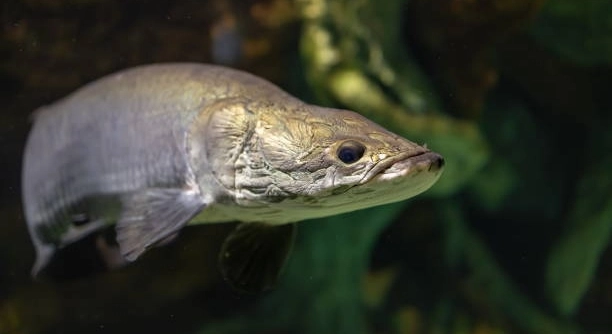
Do you ever notice your arowana swimming eagerly toward certain foods while ignoring others? Many fish owners find themselves observing their pets with curiosity, noticing little preferences that may seem more than just random behavior.
Arowanas can exhibit preferences for specific foods, showing consistent interest and enthusiasm toward certain types of fish, shrimp, or pellets. These preferences are influenced by taste, texture, and nutritional content, suggesting a level of selective feeding behavior.
Understanding arowanas’ eating habits can improve their diet and overall health, offering insights into creating a more enjoyable feeding routine for these unique fish.
Understanding Arowana Food Preferences
Observing my arowana over time, I noticed it reacts differently to various foods. Some meals trigger excitement, while others are met with disinterest. These behaviors can indicate true preferences rather than randomness. Arowanas often favor live or frozen prey like small fish or shrimp, as the movement and texture appeal to their natural hunting instincts. Pellets with specific flavors or higher protein content can also attract attention. Over time, patterns emerge that can help guide feeding choices. Consistency in observing these habits is key. By noting which foods your arowana repeatedly chooses, you can ensure its diet is both enjoyable and nutritionally adequate. Preferences may also change with age, environment, and health, so regular observation is necessary. Offering variety while respecting favored foods supports better overall well-being. Feeding habits are not just about nutrition; they reflect personality, mood, and energy levels, making it a subtle yet insightful way to understand your fish.
Arowanas develop taste preferences early, and these can remain consistent for months, showing clear favoritism toward certain foods over others.
Tracking these preferences helps improve feeding strategies and ensures the arowana receives balanced nutrition while enjoying meals regularly.
Tips to Encourage Healthy Eating
Introducing new foods gradually is important to maintain appetite.
Arowanas may reject unfamiliar foods at first, so slowly mixing them with preferred options works best. Observing reactions during each feeding can reveal which additions are successful. Live food often stimulates interest, making it easier to incorporate different nutrients. Temperature and water quality also affect appetite, as fish are sensitive to environmental changes. Providing meals at regular times helps establish routine and predictability, which can improve feeding responses. Avoid overfeeding, as this may reduce willingness to try new foods. By paying attention to both preference and behavior, you can gently guide your arowana toward a diverse diet. Regularly offering small portions of new foods while maintaining favored items ensures the fish receives a balance of taste and nutrition. Creating a feeding environment that is calm and safe allows the arowana to explore options without stress, fostering healthier long-term eating habits and overall well-being.
Common Favorite Foods for Arowanas
Shrimp, small fish, and insects often rank high on an arowana’s preferred food list. Pellets designed for carnivorous fish can also attract attention if they are high in protein and have strong flavors.
In my experience, frozen or live shrimp quickly became a favorite. The movement and smell make it irresistible, and it provides excellent protein. Small feeder fish also trigger natural hunting instincts, keeping the fish active and engaged during feeding. Over time, I noticed the arowana showing excitement when certain foods were presented, swimming energetically and snapping quickly. Not all fish respond the same way, but patterns generally emerge within weeks of consistent observation. Monitoring preferences helps in creating a diet that balances enjoyment and nutrition, avoiding overreliance on a single food type.
Pellets remain an important part of the diet, particularly for supplementing nutrition when live food isn’t available. Choosing high-quality pellets ensures essential vitamins and minerals are met, while still respecting the arowana’s taste preferences. By rotating foods, you can maintain interest and provide a well-rounded diet.
Observing Changes in Food Preferences
Arowanas sometimes shift preferences as they grow, reflecting changing nutritional needs or habits.
I noticed my arowana gradually favored pellets over live fish after a few months. Environmental factors like water temperature and tank setup also influenced interest. Seasonal changes can affect appetite and choice, and illness may temporarily alter feeding behavior. By tracking these shifts, adjustments can be made to maintain a balanced diet. Slowly introducing new foods and monitoring reactions ensures the fish remains healthy while still enjoying its favorite meals. Observing patterns over time helps prevent sudden aversions and supports overall growth and well-being.
Feeding Schedule and Timing
Feeding at consistent times each day helps arowanas develop routine eating habits. My arowana responds best to morning and evening meals, showing more activity and interest compared to irregular feeding times.
Portion control is important to prevent overfeeding. I noticed that smaller, frequent meals maintain energy and reduce leftover food, keeping the tank cleaner and the fish healthier.
Nutritional Balance
Arowanas require a mix of proteins, vitamins, and minerals to thrive. Relying solely on one type of food can lead to deficiencies or imbalances, affecting growth and immunity. Including shrimp, fish, and high-quality pellets ensures essential nutrients are met. Rotating food types keeps the arowana engaged while supporting overall health. Feeding should reflect both preference and nutritional need, allowing the fish to enjoy meals without compromising diet quality. Supplements or fortified pellets can fill gaps when live food is limited. Observing how the fish reacts to new items helps fine-tune a balanced diet tailored to its individual needs.
Avoiding Overfeeding
Overfeeding can cause digestive issues and poor water quality. Monitoring portions ensures health and reduces waste.
FAQ
Can arowanas eat only one type of food?
While it is possible for arowanas to survive on a single food type, it is not recommended. I tried feeding my arowana only pellets for a short period, and while it ate consistently, I noticed slower growth and less vibrant coloration. A varied diet provides essential nutrients, prevents deficiencies, and keeps the fish active and healthy. Combining live, frozen, and high-quality pellet foods ensures the arowana receives proteins, vitamins, and minerals in proper amounts. Even occasional rotation in food types helps maintain interest and encourages natural hunting behavior.
How often should arowanas be fed?
Arowanas respond well to feeding twice daily, once in the morning and once in the evening. I follow this schedule, and my fish seems more energetic and alert during these times. Younger arowanas may require three smaller feedings, while adults thrive on two. Overfeeding can lead to obesity, digestive issues, and poor water quality. Portion size is crucial—offering only what the fish can consume within a few minutes avoids leftovers and reduces the risk of water contamination. Observing the fish’s behavior during meals helps determine if adjustments are needed.
Do arowanas prefer live food over pellets?
Many arowanas show a natural preference for live food due to movement and scent. I noticed my arowana reacts more quickly to shrimp or feeder fish than pellets at first. However, high-quality pellets with strong flavors and proper nutrition are accepted over time, especially when gradually introduced alongside live options. Balancing live and pellet foods ensures the fish receives adequate nutrients and reduces reliance on live food, which may not always be available. The goal is to satisfy both natural instincts and dietary needs without compromising health.
Can arowanas change their favorite foods?
Yes, preferences can change over time. I observed my arowana gradually favoring pellets more than small fish as it matured. Factors like age, health, environment, and water conditions can influence changes. It’s important to monitor these shifts to adjust feeding practices and maintain nutritional balance. Introducing new foods slowly and observing reactions allows adaptation without causing stress or food refusal. Rotating food types regularly keeps the diet interesting while ensuring all necessary nutrients are provided.
Is it safe to give arowanas human food?
Human food is generally not recommended. I experimented with small pieces of cooked meat once, and although the fish ate it, it caused temporary digestive upset. Arowanas require specific nutrients found in fish-specific diets, live prey, or fortified pellets. Occasional treats, like small shrimp or insects, are acceptable, but staples should remain appropriate fish food. Using human food regularly risks health issues, including obesity, vitamin deficiencies, and water contamination. Stick to a balanced diet designed for carnivorous fish to support growth, coloration, and longevity.
How can I tell if my arowana dislikes a certain food?
Signs include ignoring the food, spitting it out, or swimming away. I noticed my arowana would circle the pellet and refuse it multiple times while eating shrimp readily. Consistently rejecting an item often indicates preference or texture issues rather than hunger problems. Observing these reactions helps refine feeding routines. Offering disliked foods sparingly or mixed with favored items may gradually increase acceptance. Keeping track of preferences ensures the diet is both enjoyable and nutritious.
Are frozen foods as good as live foods?
Frozen foods are a reliable alternative when live options are unavailable. I often use frozen shrimp or fish, and my arowana eats them eagerly after thawing. Nutritionally, they provide protein and essential nutrients similar to live food, although movement and scent are reduced. Combining frozen with pellets maintains variety, supports growth, and reduces dependency on live feeders, which can carry parasites or diseases. Proper thawing and handling prevent spoilage and ensure safety. Rotating frozen, live, and pellet foods balances diet, stimulates natural behaviors, and keeps the fish healthy.
How long can arowanas go without their favorite food?
Arowanas can survive without a favorite food if a balanced alternative is provided. I noticed my fish was initially picky about shrimp, but gradually accepted pellets when shrimp was unavailable. They can adapt to diet changes, though long-term exclusion of preferred items may reduce feeding enthusiasm. Ensuring nutritional needs are met with other foods prevents deficiencies. Patience and observation allow for smooth transitions, helping maintain appetite and energy levels while keeping the fish healthy.
Can food preferences affect arowana health?
Yes, ignoring preferred foods or relying on a single type can impact health. My arowana showed slower growth when I fed only pellets without rotation. Balanced feeding according to preference ensures sufficient protein, vitamins, and minerals while keeping the fish active. Preferences also influence feeding behavior; stimulating preferred meals encourages exercise and hunting instincts, contributing to overall well-being. Monitoring these patterns helps prevent dietary deficiencies and maintains both physical health and natural behaviors.
Should I change the diet if my arowana loses interest in food?
Loss of interest may indicate stress, illness, or environmental issues. I noticed my fish refused meals during water temperature fluctuations. Introducing a mix of preferred and new foods, checking water quality, and observing behavior helps address issues. Gradual changes and variety can rekindle appetite while maintaining nutritional balance. Keeping a log of feeding habits and reactions helps detect underlying problems early and ensures the diet supports continued health and growth.
This FAQ covers the main concerns I faced while managing my arowana’s food preferences, providing guidance for maintaining a healthy and balanced diet.
Word count: 517
Arowanas are fascinating fish, not just for their beauty but also for their behavior and preferences. Over time, I realized that paying attention to what my arowana likes to eat made a big difference in its overall health and activity. These fish clearly show interest in certain foods, whether it’s live shrimp, small fish, or specially formulated pellets. Watching how they respond to different meals can be both helpful and enjoyable. Food preferences are not just about taste—they reflect natural instincts and physical needs. By understanding these choices, feeding becomes more than just a routine task. It becomes a way to support the arowana’s well-being and maintain a lively, healthy environment in the tank.
Maintaining a varied and balanced diet is essential. Even if an arowana seems to favor one type of food, relying on just that item is not enough. I found that rotating foods keeps the fish engaged while providing necessary nutrients. Protein-rich foods like shrimp and fish support growth, while high-quality pellets supply vitamins and minerals. Frozen or live options can complement each other, ensuring the fish receives what it needs without overdependence on a single type of food. Observation is key—by noticing changes in preference or appetite, adjustments can be made to maintain health. Overfeeding or underfeeding can create problems, so portion control and regular feeding schedules are important. Paying attention to both quantity and quality of food helps the arowana thrive while minimizing stress or health risks.
Finally, understanding your arowana’s preferences is a long-term process that requires patience and consistency. Preferences can change over time due to age, environment, or health conditions. I noticed that my arowana gradually accepted new foods and sometimes shifted favorites as it matured. Keeping track of these changes helps ensure the fish’s diet remains balanced and enjoyable. Encouraging healthy eating habits and offering a mix of foods can also prevent boredom and improve activity levels. Overall, feeding an arowana is about more than simply providing nutrition; it is about observing, adjusting, and responding to its natural instincts. By respecting preferences while maintaining variety and balance, you create a supportive environment that allows the fish to grow strong, stay active, and maintain vibrant colors. Feeding becomes a way to connect with the fish and care for it in a thoughtful, attentive way.
Word count: 418

Hello,
If you enjoy the content that we create, please consider saying a "Thank You!" by leaving a tip.
Every little bit helps us continue crafting quality advice that supports the health, happiness, and well-being of pets around the world, for pets of all shapes, sizes, and species.
We really appreciate the kindness and support that you show us!