
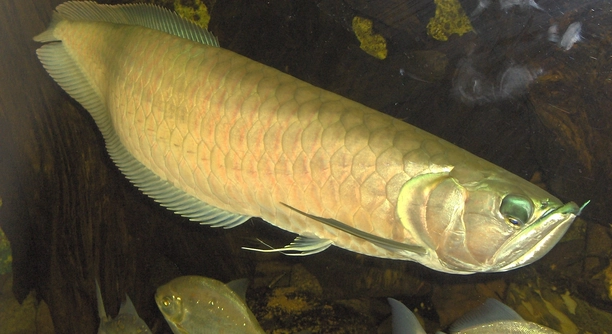
Caring for an arowana is rewarding, but building a true connection can take time and patience. Many owners find themselves unsure how to strengthen the bond with their majestic, intelligent fish in daily interactions.
Bonding with an arowana requires consistent interaction, gentle handling, and understanding its natural behaviors. Providing a stable environment, regular feeding routines, and positive reinforcement encourages trust and recognition, ultimately fostering a stronger connection between owner and fish.
Following these practical strategies will help you create a harmonious and enjoyable relationship with your arowana, enhancing both its well-being and your experience as an owner.
Understanding Your Arowana’s Behavior
Arowanas are intelligent and sensitive fish that respond to their environment and daily routines. Observing their movements, reactions to feeding, and swimming patterns helps you understand their mood and comfort level. Some arowanas are naturally cautious and may take longer to approach, while others are more curious and interactive. Changes in water conditions, lighting, or tank placement can affect their behavior, sometimes making them more reserved or stressed. Spending time near the tank quietly, without sudden movements, allows your arowana to notice you without feeling threatened. Over time, this consistent observation builds a foundation for recognition, trust, and bonding. Watching your fish’s responses and adapting to its comfort level ensures a healthier, more interactive experience. Small daily interactions, like feeding at the same time and speaking softly near the tank, can make your arowana more comfortable and responsive to your presence, strengthening the bond naturally and effectively.
Watching these behaviors consistently helps identify your arowana’s preferences and needs, building a smoother interaction.
Regular observation allows you to tailor care routines, adjust feeding methods, and maintain a calm environment, which encourages trust and positive responses from your fish. Understanding its reactions also prevents stress and fosters a reliable routine, ultimately making your arowana more approachable and engaged with daily interactions.
Feeding and Positive Reinforcement
Offering meals at consistent times helps your arowana recognize and anticipate your presence.
Providing favorite foods, using tongs or controlled feeding techniques, can turn feeding into a bonding opportunity. Associating your presence with food encourages your arowana to approach and interact.
Feeding is one of the simplest ways to strengthen your connection. By offering treats in a controlled manner, you establish trust and teach your fish to associate your presence with positive experiences. Start by feeding in small amounts, giving it time to notice your actions. Gradually, it will begin to respond more actively when you approach. Using hand-feeding techniques or gently dropping food close to the surface can improve recognition and engagement. Over time, your arowana will anticipate your presence, swim closer during feeding, and display more curiosity. This method not only provides nourishment but also enhances communication and familiarity, making interactions more enjoyable for both owner and fish. Maintaining consistency in feeding times and techniques is key to forming a reliable routine that supports trust and responsiveness.
Gentle Interaction Techniques
Spending quiet time near the tank without sudden movements helps your arowana become accustomed to your presence. Slow, deliberate actions reduce stress and encourage the fish to approach naturally, forming trust over repeated exposure.
Gradually placing your hand near the water surface without touching it allows your arowana to notice your movements. Over time, it will associate your presence with calm and safety. Simple gestures, such as tapping lightly on the tank or moving slowly, let your fish understand that you are not a threat. These interactions create familiarity and reduce fear. Consistency in these gentle techniques ensures that the arowana begins to respond to your presence with curiosity rather than avoidance, making further bonding easier.
Introducing hand-feeding or using feeding tools carefully strengthens this trust. Your arowana starts to recognize your approach, swim closer, and even display interest in following your movements. These techniques, applied regularly, create a pattern of positive interaction, reinforcing recognition and allowing your fish to feel comfortable and confident in its environment.
Environmental Enrichment
Adding variety to the tank, such as plants, floating objects, and hiding spots, keeps your arowana mentally stimulated and reduces stress.
Rotating or occasionally changing decorations encourages exploration. This enrichment provides mental challenges and helps the fish associate the environment with activity and engagement. Observing the fish explore these new elements gives insight into its preferences and reactions.
Arowanas thrive in tanks that balance open swimming areas with places to retreat. Strategic placement of objects allows them to exercise natural hunting instincts, explore safely, and feel secure. Simple items like driftwood, large rocks, or floating plants can mimic natural conditions, promoting a sense of comfort and curiosity. Regularly observing how your fish interacts with these objects helps you adapt the environment for continued stimulation. This interaction enhances overall well-being and provides opportunities for bonding, as your presence during exploration becomes associated with positive experiences. By maintaining a dynamic and enriched habitat, you ensure that your arowana remains active, healthy, and responsive to your interactions.
Consistent Routine
Maintaining a steady schedule for feeding, tank cleaning, and lighting helps your arowana feel secure. Predictable routines reduce stress and allow the fish to anticipate daily events, which encourages interaction and familiarity over time.
Consistency in observation and gentle interaction also reinforces trust. Approaching the tank at regular times each day helps your fish recognize your presence as safe and non-threatening, strengthening the bond gradually.
Controlled Tank Cleaning
Cleaning the tank carefully without sudden changes preserves water quality and minimizes stress. Use gentle movements and avoid startling the arowana while removing debris or changing water, ensuring the environment remains stable and comfortable.
Interactive Play
Using floating objects or feeding tools engages your arowana’s curiosity. This controlled stimulation encourages active responses and helps the fish recognize your involvement in its environment.
FAQ
How long does it take to bond with an arowana?
Bonding time varies depending on the fish’s temperament and past experiences. Some arowanas respond quickly to gentle interaction, while others need weeks or months to feel comfortable. Consistency in feeding, observation, and calm presence helps accelerate recognition. Avoid rushing interactions, as sudden or aggressive movements can cause stress and set back progress. Regular, predictable routines, combined with positive reinforcement during feeding and play, make the fish gradually associate you with safety and comfort. Patience is essential, and over time, your arowana will begin to show curiosity and familiarity with your presence.
Can I touch my arowana?
Direct touching is not recommended for most arowanas, as it can cause stress or injury. Some experienced owners use hand-feeding tools or very slow movements near the water surface to interact safely. Touching should be avoided unless absolutely necessary for health or tank maintenance. Observing your fish and using feeding or enrichment techniques to encourage approach is safer and strengthens trust without risking harm. Over time, arowanas may follow your hand or respond to gestures without ever being physically touched, which is a natural and stress-free way to bond.
What is the best feeding method for bonding?
Hand-feeding with tongs or using floating feeding devices encourages recognition and engagement. Offer small, controlled portions consistently at the same time each day. Avoid overfeeding, as it can lead to health issues and reduce responsiveness. Watching your arowana approach during feeding and rewarding calm behavior reinforces trust. Using favorite foods sparingly, such as live or frozen treats, increases interest and interaction. Feeding should always be paired with a calm presence near the tank to ensure the fish associates you with positive experiences. Gradual, repeated exposure strengthens the bond without causing stress.
How can I tell if my arowana trusts me?
Signs of trust include swimming closer when you approach, following your movements, and responding calmly to feeding. A relaxed arowana that explores the tank while you are nearby is demonstrating comfort. Sudden darting or hiding indicates stress or fear, meaning more gradual interaction is needed. Tracking these behaviors consistently helps you adjust routines and interaction techniques to foster recognition. Trust develops over time with patience, gentle movements, and a stable environment. Each small sign of curiosity or engagement is a step toward a stronger, more confident bond between you and your arowana.
Does tank environment affect bonding?
Yes, water quality, temperature, lighting, and hiding spaces directly impact your arowana’s willingness to interact. A stable, enriched environment reduces stress and encourages natural behavior. Sudden changes in water conditions or tank placement can create fear, making bonding more difficult. Providing consistent, comfortable surroundings lets your fish associate its environment—and your presence—with safety. Observing reactions to new decorations, lighting adjustments, or water changes helps identify preferences and stress triggers. By maintaining a predictable and stimulating environment, you allow your arowana to focus on exploration and interaction rather than coping with discomfort or fear, which strengthens overall bonding.
Is it safe to have more than one arowana?
Keeping multiple arowanas in one tank can be challenging, as they are territorial and may become aggressive. Overcrowding increases stress and reduces opportunities for individual bonding. If housing more than one, ensure ample space, hiding areas, and separate feeding zones. Observing interactions closely is crucial to prevent conflicts. Bonding with each fish individually may require separate sessions or dedicated tank sections. In some cases, a single arowana allows for stronger, more predictable connections. Understanding the social tendencies of your fish helps you create an environment where trust and positive interaction are possible without compromising safety or health.
Can I use toys or objects to bond?
Yes, using floating objects or feeding tools encourages curiosity and interactive behavior. Introducing safe, simple items in the tank allows your arowana to explore and associate your presence with enrichment. Rotate objects occasionally to maintain interest. Avoid sharp or small objects that could cause injury. Observing how your fish reacts helps guide future enrichment strategies and interaction techniques. These tools turn bonding into an engaging activity without forcing direct contact. Over time, your arowana will recognize patterns of movement and play, responding to your actions and creating opportunities for trust and engagement that strengthen the overall connection.
How do I prevent stress during bonding?
Maintain consistent routines, gentle interaction, and a stable environment to minimize stress. Avoid sudden movements, loud noises, or abrupt changes in tank conditions. Gradual exposure to your presence and positive reinforcement during feeding reduces fear. Monitoring water quality, temperature, and cleanliness ensures a comfortable environment. Stress can interfere with bonding, so patience and attentiveness are crucial. Recognizing signs of discomfort, such as hiding, rapid swimming, or loss of appetite, allows you to adjust techniques before stress escalates. By prioritizing calm, predictable interactions, your arowana learns to associate your presence with safety, laying the foundation for a stronger bond.
Final Thoughts
Building a strong bond with your arowana takes time, patience, and consistent care. These fish are intelligent and sensitive, responding to both the environment and your presence. By observing their behavior, you can learn when they feel comfortable, curious, or stressed. Small, gentle interactions make a difference. Approaching the tank calmly, maintaining a steady routine, and offering meals at regular times gradually help the fish recognize and trust you. Over time, your arowana will begin to respond more actively to your presence, swim closer during feeding, and explore its environment with less fear. This consistent approach lays the foundation for a healthy and positive relationship between you and your fish, where trust and familiarity develop naturally. Every small step counts, and recognizing progress, no matter how minor, helps reinforce your patience and understanding of their needs.
Providing an enriched and stable environment plays a significant role in bonding. Objects like driftwood, rocks, or floating plants encourage exploration and natural behavior, which reduces stress and stimulates curiosity. By rotating or occasionally changing tank decorations, you give your arowana opportunities to engage and interact while still feeling secure. Observing how the fish reacts to these objects allows you to tailor the environment to its preferences. Clean water, proper temperature, and a consistent lighting schedule are equally important for maintaining comfort and health. When the fish feels safe and mentally engaged, it is more likely to interact positively with you. Combining environmental enrichment with calm, regular interactions encourages trust and recognition, making your presence a part of the fish’s routine rather than a source of stress. Over time, these strategies create a balance between mental stimulation, safety, and daily interaction, all of which are essential for forming a lasting connection.
Consistency and patience are key in every aspect of bonding with an arowana. Hand-feeding, gentle observation, and controlled play all contribute to familiarity and trust. Avoid rushing interactions or making sudden changes, as these can cause stress and delay progress. Pay attention to your fish’s responses and adapt accordingly, offering comfort and positive reinforcement through calm presence and proper care. Bonding is not an instant process, but repeated positive experiences help your arowana associate you with safety, nourishment, and mental stimulation. By prioritizing gentle interaction, environmental stability, and predictable routines, you can foster a meaningful relationship over time. This bond enhances the overall well-being of your arowana and makes the experience of caring for it more rewarding. Each day spent observing, feeding, and interacting patiently strengthens trust, ensuring that your arowana feels secure, engaged, and connected to its environment and caretaker.

Hello,
If you enjoy the content that we create, please consider saying a "Thank You!" by leaving a tip.
Every little bit helps us continue crafting quality advice that supports the health, happiness, and well-being of pets around the world, for pets of all shapes, sizes, and species.
We really appreciate the kindness and support that you show us!