
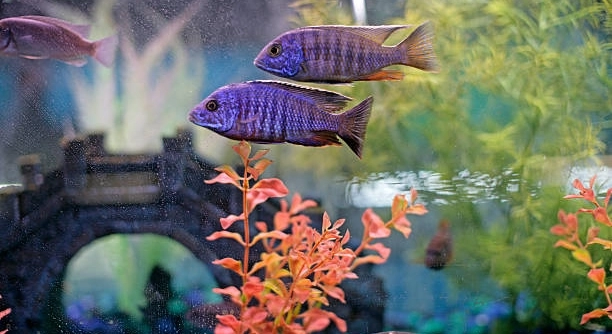
Cichlids are popular freshwater fish known for their bright colors and interesting behaviors. Many aquarium owners enjoy watching how these fish interact with their environment. Training cichlids to do tricks has become a topic of interest for fish enthusiasts.
Cichlids can be trained to perform simple tricks, such as following a target or recognizing feeding cues. Their intelligence and social nature make basic training possible, but the complexity of tricks is limited compared to mammals or birds.
Learning about cichlid training offers insight into their behavior and care. Exploring these abilities can make fishkeeping more engaging and rewarding for hobbyists.
How Cichlids Learn and Respond
Cichlids have good memories compared to many other fish species. They can recognize people and remember feeding times. These fish use their senses, especially sight and smell, to understand their surroundings. When trained, they learn to associate certain signals, like hand movements or sounds, with food rewards. Consistency is key, so repeating the same cue helps them link the action to the treat. Training sessions should be short to keep their attention and avoid stress. Patience is important because learning takes time. Positive reinforcement, such as giving food immediately after the fish responds, encourages them to repeat the behavior. Unlike dogs or cats, fish do not understand commands but react to patterns and habits. This means that while cichlids can learn simple tricks, they need clear, repeated signals and a safe environment to perform well. Observing their reactions carefully helps improve training methods for each individual fish.
Training cichlids is easier when the fish feels comfortable and safe. Stress can reduce their willingness to learn.
Understanding how cichlids learn shows how you can improve interaction with your fish. This knowledge also helps in creating a stimulating tank environment that supports their natural behaviors and mental health.
Common Tricks Cichlids Can Learn
Most trained cichlids respond to simple behaviors, like swimming through hoops or following a finger. These tricks usually involve food rewards to motivate the fish. Another common behavior is target training, where a fish learns to touch or follow a small object. This can help with tank maintenance, as the fish may swim to certain spots on command. The tricks are limited by the fish’s cognitive abilities and natural instincts. Cichlids rarely perform complicated routines, but even simple responses can be fun to watch. Training also strengthens the bond between the owner and the fish by creating moments of interaction beyond feeding. It can also keep the fish mentally active, preventing boredom in a confined environment. Regular practice is necessary to maintain the tricks, as fish can forget if training stops for a long time.
Some cichlids may learn faster, depending on their species and personality.
Trying different tricks can keep training enjoyable for both you and your fish.
Tips for Successful Cichlid Training
Consistency is essential when training cichlids. Use the same signals and reward timing every time. Short sessions work best to keep your fish engaged and reduce stress.
Starting with simple behaviors helps build a foundation for more advanced tricks. Patience is key, as progress can be slow. Observe your fish’s responses and adjust your approach as needed. Avoid sudden movements or loud noises that might frighten them. Using a clear target, like a small stick or pointer, can guide the fish effectively. Feeding the fish immediately after a correct response reinforces learning. Repeating the training daily strengthens memory. Remember, every cichlid is different—some may learn quickly while others need more time.
Maintaining a calm environment around the tank helps your cichlids focus. A well-lit tank also supports their ability to see signals clearly. Avoid distractions during training sessions. Using positive reinforcement keeps the experience enjoyable for your fish, encouraging them to participate. Keeping sessions brief but frequent provides steady progress and prevents burnout for both you and the fish.
Challenges in Training Cichlids
Not all cichlids respond well to training. Some may be shy or uninterested, making it hard to motivate them. Their natural behaviors and instincts sometimes limit what they can learn.
Environmental factors also impact training success. Poor water quality or overcrowded tanks cause stress and reduce the fish’s willingness to engage. Fish that are ill or unhappy will not respond well to cues. Time of day can affect attention spans, as cichlids tend to be more active at certain hours. Consistency in feeding schedules also plays a role in their motivation. Some species have different temperaments, with more aggressive or territorial types less inclined to train. Understanding your fish’s needs and adjusting your expectations accordingly will improve results. Patience and careful observation help overcome these challenges.
Choosing the Right Cichlid Species
Some cichlid species are easier to train than others. Smaller, more social types tend to respond better to training. Picking a species known for curiosity and intelligence will improve your chances.
Aggressive or very shy cichlids may not be good candidates for training. Knowing your fish’s natural behavior helps set realistic expectations.
Tools to Aid Training
Using simple tools can make training clearer for your cichlid. A small target stick or colored object helps guide the fish’s movement. Feeding tongs or pipettes allow you to deliver food precisely as a reward. These tools reduce confusion and improve timing during sessions. Consistent use of the same tools helps the fish associate them with training, speeding up the learning process.
Timing and Patience
Training works best in short, regular sessions. Long or infrequent training can stress your fish or cause loss of interest. A few minutes daily is ideal to keep your cichlid focused without overwhelming it.
Signs Your Cichlid is Learning
Look for behaviors like following the target or approaching the feeding spot quickly. These are good signs your fish is starting to understand cues.
FAQ
Can all cichlids be trained to do tricks?
Not all cichlids respond well to training. Some species are naturally more curious and social, making them easier to train. Others, especially very shy or aggressive types, may not show much interest. It depends on the individual fish’s temperament and environment. Training success varies based on these factors.
How long does it take to train a cichlid?
Training time differs from fish to fish. Some cichlids may learn simple tricks within a few days, while others take weeks or longer. Short, consistent sessions of about 5 to 10 minutes daily help speed up learning. Patience is important because progress can be slow and gradual.
What types of tricks can cichlids learn?
Cichlids can learn simple behaviors like following a target, swimming through hoops, or coming to a specific spot for food. These tricks rely on positive reinforcement with food rewards. Complex tricks are rare because fish have limited cognitive abilities compared to mammals or birds.
Is training stressful for cichlids?
Training can be stressful if done incorrectly. Keeping sessions short, consistent, and calm helps reduce stress. A quiet environment and gentle handling are important. Watching your fish’s behavior helps you know when to pause or stop. Training should be fun and rewarding for the fish, not a source of anxiety.
Do cichlids need special equipment for training?
Special equipment is not necessary but can help. Small tools like target sticks or colored objects guide the fish and improve clarity. Feeding tongs or pipettes allow precise food delivery. Using the same tools consistently helps fish associate them with training and speeds learning.
Can training improve a cichlid’s well-being?
Yes, training provides mental stimulation that prevents boredom in tank environments. It encourages natural behaviors like exploration and problem-solving. This keeps fish active and engaged, which can improve overall health. However, training should complement proper care, not replace it.
What are common mistakes to avoid during training?
Inconsistent cues, long sessions, and sudden movements can confuse or stress the fish. Using too much food as a reward may cause water quality problems. It’s also important not to force the fish to perform tricks. Recognizing your fish’s limits and moods improves training results.
How often should I train my cichlid?
Daily sessions of 5 to 10 minutes work best. Frequent practice reinforces learning and keeps the fish’s attention. Skipping too many days can cause the fish to forget what it has learned. Consistency helps build a strong response to cues.
Can a cichlid unlearn tricks?
Yes, if training stops for a long time, fish may lose what they have learned. Like many animals, repetition is needed to maintain skills. Regular practice keeps the tricks fresh and reliable.
Is it safe to train cichlids in community tanks?
Training in community tanks is possible but more challenging. Other fish can distract or stress your cichlid. Isolating the fish during training sessions or using a smaller separate tank can improve focus. Patience and careful observation are key.
Training cichlids to do tricks is an interesting way to interact with your fish. While these fish are not as easy to train as some pets, their intelligence and curiosity make simple training possible. Small tricks like following a target or swimming through a hoop can be taught with patience and consistent practice. This kind of training helps keep cichlids mentally active, which is important for their overall well-being. It also adds an enjoyable aspect to caring for them beyond just feeding and tank maintenance.
It is important to remember that not every cichlid will respond to training in the same way. Some species are more social and curious, which makes them easier to train. Others may be shy or aggressive, making training more difficult or even stressful for the fish. Paying close attention to your fish’s behavior and comfort level will help you decide how to proceed. Short training sessions, repeated regularly, work best. Avoid forcing your fish to perform or pushing too hard, as this can cause stress and harm your relationship with your pet.
Overall, training cichlids takes time, patience, and understanding of their nature. It is not about teaching complicated tricks but about encouraging natural behaviors in a positive way. When done carefully, it can enhance the bond between you and your fish and improve their quality of life. Remember that proper tank care, good water conditions, and a healthy diet are just as important as training for keeping your cichlids happy. Combining all these efforts creates a better environment for your fish and makes your experience as a fish keeper more rewarding.

Hello,
If you enjoy the content that we create, please consider saying a "Thank You!" by leaving a tip.
Every little bit helps us continue crafting quality advice that supports the health, happiness, and well-being of pets around the world, for pets of all shapes, sizes, and species.
We really appreciate the kindness and support that you show us!