
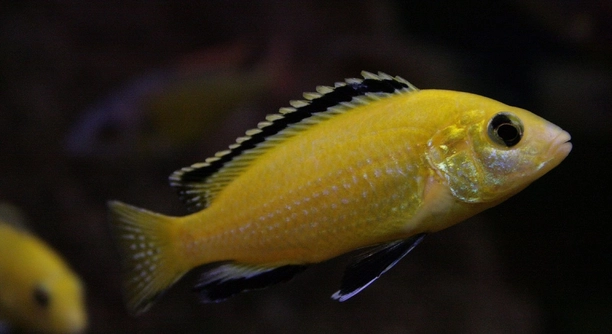
African cichlids are popular aquarium fish known for their bright colors and active behavior. Many hobbyists notice these fish biting or nibbling on decorations inside their tanks. This behavior often puzzles those who care for them.
African cichlids bite decorations mainly due to territorial instincts, stress, or curiosity. They may also use biting to explore their environment or to establish dominance. This behavior can vary depending on the species and tank conditions.
Understanding why these fish interact with their surroundings can help improve their care and habitat. The following information explains their behavior in more detail.
Reasons Behind Biting Decorations
African cichlids often bite decorations because they are naturally territorial fish. In the wild, they defend their space against other fish, and biting helps them mark their territory. Decorations in tanks become their focus, especially if the space is limited or crowded. Stress can also cause this behavior. If the tank conditions are not ideal—such as poor water quality or lack of hiding spots—cichlids may become restless and start biting objects. Another reason is curiosity. These fish explore their environment by mouthing objects, which can look like biting. Some species have stronger jaw muscles and more aggressive behaviors, making them more prone to damaging decorations. Providing enough space and suitable tank mates helps reduce this behavior.
Biting is a natural way for African cichlids to interact with their environment and communicate with other fish.
Maintaining a balanced tank setup that mimics their natural habitat can minimize biting. Including plenty of rocks and caves gives them places to explore and hide. Using durable decorations made of safe materials also helps prevent damage. Regular tank maintenance and proper feeding reduce stress and improve their overall behavior. Understanding their needs makes caring for African cichlids more rewarding and keeps the tank peaceful.
How to Manage Biting Behavior
Biting behavior can be managed by adjusting the tank environment.
Adding more hiding spots and increasing tank size often reduces biting. Ensuring the water is clean and stable keeps the fish comfortable. Feeding a varied diet helps satisfy their nutritional needs, which can reduce stress-driven biting. Selecting less aggressive species or keeping similar temperaments together also lowers conflict. Removing fragile decorations and replacing them with sturdy ones can prevent damage. Monitoring their behavior regularly allows for early intervention if biting worsens. Proper management creates a healthier tank environment and happier fish.
Signs That Your Cichlids Are Biting Decorations
When cichlids bite decorations, you may notice chips, scratches, or broken pieces. Some decorations may look worn or have teeth marks. The fish might also hover near certain objects, repeatedly mouthing or nipping them. This behavior can become more frequent if the fish are stressed or bored. Observing these signs helps you identify when biting is a problem in your tank.
Repeated biting can indicate underlying issues like stress or territorial disputes. It often results in damaged decorations, which might affect the tank’s appearance. If ignored, the behavior may lead to injury if fish bite sharp or harmful edges. Monitoring your fish’s interaction with tank items is important to keep the environment safe and enjoyable. Adjusting tank conditions or decoration types often reduces the biting and helps maintain a healthy aquarium.
Watching for specific behaviors like persistent biting or chasing near decorations can help catch problems early. Keeping decorations clean and regularly checking for damage prevents surprises. When signs are noticed, changing the tank layout or adding more hiding spots can calm the fish. Feeding schedules also matter, as hungry cichlids tend to be more aggressive. Taking these steps creates a better living space for your fish and keeps your tank looking good.
Choosing Safe Decorations for African Cichlids
Choose decorations made from durable, non-toxic materials like ceramic, resin, or certain plastics. Avoid items that can easily break or have sharp edges. Natural rocks and stones, especially those similar to the fish’s natural environment, are ideal. Decorations should be heavy or stable enough so fish cannot easily move or tip them over. Smooth surfaces reduce the chance of injury if fish bite or rub against them.
Proper decoration selection protects both the fish and the tank. It reduces stress caused by frequent rearranging or damage. Decorations that resemble natural habitats encourage natural behavior and comfort. This helps minimize biting as fish feel more secure. Researching the needs of your specific cichlid species ensures the decorations you choose support their well-being. Investing in good quality items saves time and money on replacements and keeps your aquarium safe and attractive.
Impact of Biting on Decorations
Biting can cause significant wear and tear on decorations over time. This may lead to broken or unsafe pieces inside the tank. Replacing damaged items regularly helps maintain a safe environment for the fish.
Damaged decorations can also reduce the aesthetic appeal of the aquarium. It may make the tank look untidy or neglected. Choosing durable materials helps avoid frequent replacements and keeps the tank looking good.
Preventing Biting Through Tank Setup
A well-planned tank setup can reduce biting behavior. Providing enough space and hiding spots helps lower territorial aggression. Stable decorations that are hard to move discourage repeated biting.
Feeding and Biting Behavior
Poor diet or irregular feeding can increase biting. Ensuring your cichlids get a balanced and consistent diet reduces stress and aggressive behavior.
Monitoring Fish Behavior
Regular observation allows early detection of increased biting or stress signs. Addressing issues quickly helps maintain a peaceful tank environment.
FAQ
Why do African cichlids bite decorations more than other fish?
African cichlids are naturally territorial and aggressive compared to many other fish species. They use biting as a way to establish dominance and explore their environment. Their strong jaws and active behavior make them more likely to damage decorations when marking territory or relieving boredom.
Can biting decorations harm my cichlids?
Yes, biting sharp or broken decorations can injure their mouths or cause stress. If decorations are damaged, they may have rough edges or small pieces that pose risks. It’s important to choose safe materials and inspect decorations regularly to prevent harm.
How can I stop my cichlids from biting decorations?
Provide plenty of hiding spots and enough space to reduce territorial disputes. Use durable, smooth decorations and ensure the tank environment is clean and stable. Feeding a balanced diet and keeping a consistent schedule also lowers stress, reducing biting behavior.
Is biting a sign that my cichlids are unhappy?
Biting can indicate stress, boredom, or territorial behavior. While it’s a natural action, excessive biting often signals that something in their environment needs adjustment, such as tank size, tank mates, or hiding places.
What kind of decorations are best for African cichlids?
Choose heavy, stable decorations made from ceramic, resin, or smooth natural rocks. Avoid fragile or sharp-edged items. Decorations should mimic the fish’s natural habitat, providing caves, rocks, and hiding spaces that make them feel secure.
Will adding more fish reduce biting on decorations?
Adding more fish might increase competition for space and resources, which can worsen biting. It’s better to focus on proper tank size and compatible species to keep aggression low and reduce biting incidents.
Can changing the tank layout help with biting behavior?
Yes, rearranging decorations can break up established territories and reduce aggression. Offering new hiding spots and more open swimming areas helps decrease biting by distracting the fish and lowering stress.
How often should I replace decorations damaged by biting?
Replace decorations when they show significant wear, sharp edges, or cracks. Regular inspections, at least monthly, help prevent injuries and maintain a safe environment.
Does the species of cichlid affect how much they bite decorations?
Yes, some species are more aggressive and territorial, such as mbuna cichlids. Others may be calmer and less likely to bite. Understanding the specific species helps tailor tank setup and decoration choices.
Can biting be a sign of illness or nutritional deficiency?
Sometimes biting increases if fish are stressed due to poor health or lack of nutrients. Ensuring a balanced diet and monitoring fish for signs of illness helps prevent biting caused by these issues.
Are there any decorations that encourage biting less?
Smooth, sturdy rocks and caves made from natural materials tend to attract less biting. Avoid brightly colored or reflective objects that might provoke curiosity or aggression.
How does tank size influence biting behavior?
Small tanks increase competition and stress, leading to more biting. Larger tanks with plenty of territory space help fish establish their own areas peacefully, reducing biting incidents.
Can providing toys or enrichment reduce biting?
Enrichment items like rocks, caves, or PVC pipes give fish places to explore and hide, which can distract them from biting decorations. However, they must be safe and durable to avoid injury.
Is biting a permanent behavior in African cichlids?
Biting is a natural behavior but can be managed with proper care. Adjusting tank conditions, diet, and decorations helps reduce it. Complete elimination is unlikely, but control is possible for a healthier aquarium.
How do I know if biting is causing stress to my fish?
Signs of stress include torn fins, aggressive chasing, hiding excessively, or loss of appetite. If biting leads to injuries or increased aggression, it’s a sign the environment needs improvement.
African cichlids are known for their lively personalities and territorial behavior, which often leads to biting decorations in their tanks. This biting is a natural way for them to interact with their surroundings, establish territory, and reduce boredom. While it can be frustrating to see decorations damaged, understanding why this happens helps in creating a better environment for the fish. By recognizing the reasons behind biting, such as stress, territorial instincts, or curiosity, fish owners can take steps to manage and reduce this behavior. It’s important to remember that biting is part of how these fish express themselves and cope with their environment.
Creating a tank setup that suits African cichlids’ needs is key to minimizing biting on decorations. Providing enough space, hiding spots, and sturdy decorations can make a significant difference. Using materials that are safe and durable prevents injuries and helps maintain a clean tank appearance. Regular maintenance, proper feeding, and choosing compatible tank mates also contribute to a peaceful environment where biting is less likely to become destructive. Paying attention to these details allows fish owners to enjoy the beauty and activity of their cichlids without constant worry about damaged decorations.
Ultimately, managing biting behavior requires patience and observation. Each tank and group of cichlids may behave differently, so adjusting the environment based on what works best is essential. This includes monitoring fish behavior regularly and making changes when needed. While biting cannot be completely eliminated, thoughtful care and a well-planned tank setup help reduce its impact. Focusing on the fish’s natural habits and needs ensures they remain healthy and active, while the tank stays safe and attractive. With proper attention, the biting behavior becomes easier to handle, leading to a better experience for both the fish and their caretakers.

Hello,
If you enjoy the content that we create, please consider saying a "Thank You!" by leaving a tip.
Every little bit helps us continue crafting quality advice that supports the health, happiness, and well-being of pets around the world, for pets of all shapes, sizes, and species.
We really appreciate the kindness and support that you show us!