
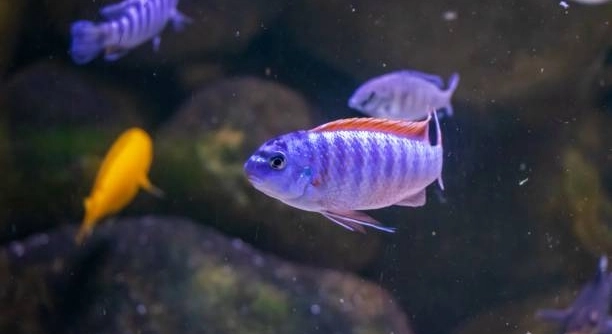
African cichlids are popular freshwater fish known for their vibrant colors and active behavior. Many aquarium enthusiasts wonder about their intelligence and if these fish can recognize or respond to their names. This curiosity often leads to discussions about fish learning and interaction.
Research shows that African cichlids can learn to associate certain sounds, including their names, with feeding or other positive experiences. This form of recognition is based on conditioning rather than true understanding of language, highlighting their capacity for simple learning.
Exploring how cichlids respond to names reveals interesting insights into fish behavior and their interactions with humans in home aquariums.
How African Cichlids Learn
African cichlids learn mainly through conditioning, where they link a sound or signal with a reward, usually food. Over time, these fish begin to recognize the sound as something positive and respond to it. This learning process relies on repetition and consistency. For example, when a specific name or call is repeated before feeding, cichlids start to associate the sound with mealtime. Their brains are wired to notice patterns that improve their chances of survival, like food availability. While they don’t understand names like humans do, the reaction shows a form of memory and learning. This ability varies depending on the individual fish and its environment. A calm and steady approach helps cichlids recognize signals faster. Their natural curiosity also plays a role, as they observe and react to changes around them, making simple recognition possible through daily interactions.
This form of learning is a common trait in many fish species, not just cichlids.
Learning signals helps cichlids adjust well to their environment and improves interaction with caretakers. It also reduces stress by creating predictable routines they can trust.
Recognizing Names in Practice
African cichlids often respond to repeated calls by coming to the front of the tank or showing excitement when they hear their “name.” This reaction shows they have linked the sound with something rewarding. While not understanding language, their conditioned response is clear. It takes patience to train them, and not every fish will respond the same way.
Consistent training using the same tone and timing strengthens recognition. Rewarding behavior immediately after calling the name makes learning more effective. Over time, cichlids may even recognize subtle differences in sounds. This process builds a stronger bond between caretaker and fish through predictable communication. However, distractions or stress can affect their response, so a calm environment is essential during training sessions. Observing how your cichlids react will help adjust methods for the best results.
Recognizing their “name” is more about pattern learning than actual naming.
Training Tips for African Cichlids
Start by choosing a simple, consistent sound or name to use every time before feeding. Use a calm voice to avoid startling the fish. Timing is important—say the name just before offering food. Repeating this daily helps cichlids form the connection between the sound and a positive reward.
Patience is key when training African cichlids. They may take several days or even weeks to start responding reliably. Keep training sessions short to prevent stress and maintain their interest. Observe their behavior carefully; some fish may respond more quickly, while others need extra time. Avoid sudden changes in tone or volume, which can confuse them. Consistency builds trust and improves learning.
It’s important to create a quiet, calm environment during training to help cichlids focus. Avoid distractions and keep feeding times regular. Using the same location for feeding can also reinforce recognition. Over time, your cichlids will learn to associate the sound with food, showing excitement when they hear their name.
Benefits of Name Recognition
Recognizing a name or sound can make daily care easier and more enjoyable. Cichlids that respond to their name are often calmer and less stressed during feeding. This interaction also helps monitor their health and behavior more closely.
Regular interaction through name recognition strengthens the connection between you and your fish. It creates a routine that the cichlids can anticipate, reducing anxiety. This kind of engagement encourages natural behaviors and keeps the fish mentally stimulated. A responsive cichlid tank feels more lively and rewarding to maintain, improving overall fish welfare and your experience as a caretaker.
Common Challenges When Training
Not all cichlids respond quickly to training. Some may ignore the sound or seem uninterested. This can be due to stress, tank conditions, or individual temperament.
Consistency and patience are needed. If the fish do not respond, try adjusting feeding times or reducing distractions in the tank.
Environmental Factors Affecting Learning
A stable environment helps cichlids focus and learn. Factors like water quality, temperature, and tank size impact their behavior. Stressful conditions reduce their willingness to engage or respond to training. Providing hiding spots and maintaining clean water supports their comfort and mental clarity. This improves their ability to recognize sounds and respond reliably over time.
Recognizing Limitations
It is important to remember that cichlids do not truly understand names. Their response is a conditioned behavior, not language comprehension.
FAQ
Can African cichlids really learn their name?
African cichlids do not learn their name the way humans do. Instead, they recognize a repeated sound or tone connected to feeding or positive experiences. This type of learning is called conditioning. Over time, they respond to the sound by coming closer or showing excitement, which looks like they know their name.
How long does it take for cichlids to recognize a name?
The time varies depending on the fish and training consistency. Some cichlids may start responding within a few days, while others take weeks. Regular, short training sessions and using the same tone help speed up recognition. Patience is essential because each fish learns at its own pace.
What is the best way to train African cichlids to respond?
Use a simple sound or name consistently before feeding. Speak calmly and clearly just before offering food. Repeat this daily with minimal distractions. Keep training sessions brief to avoid stressing the fish. Over time, the cichlids learn to associate the sound with a positive outcome, such as food.
Can all types of African cichlids be trained this way?
Most African cichlid species can learn through conditioning, but their responses vary. Some are more active and curious, making training easier. Others might be shy or stressed and respond slower. Tank conditions and individual personality affect how well they respond to training efforts.
Why do some cichlids not respond to their name?
Stress, poor water quality, or changes in the environment can reduce their interest. Sometimes, the fish might not connect the sound with a reward if training is inconsistent. Individual temperament also plays a role—some fish are simply less reactive or slower to learn.
Can training reduce stress for African cichlids?
Yes. Predictable routines like responding to a sound before feeding create a sense of security. This reduces anxiety and helps the fish feel more comfortable in their environment. Regular interaction through training also keeps them mentally engaged, preventing boredom.
Is it harmful to try training cichlids?
Training done with patience and care is safe. Avoid loud or sudden noises that could frighten the fish. Keep sessions short and use positive reinforcement like feeding. Never use punishment or stressful methods. The goal is to build trust and improve interaction.
Do cichlids recognize different sounds or only their name?
Cichlids can learn to respond to various sounds if they are linked to rewards. It’s the repetition and consistency that matters, not the sound itself. They do not understand words but recognize patterns associated with positive outcomes.
What should I avoid when training my cichlids?
Avoid inconsistent training or changing the sound frequently. Don’t train in a noisy or stressful environment. Sudden movements or loud voices can scare the fish and slow learning. Also, avoid overfeeding during training, which can harm their health.
Can training improve my relationship with my fish?
Yes. Training encourages regular interaction and makes your fish more responsive. This strengthens the connection and makes tank care more enjoyable. Watching cichlids respond to their name or sound creates a rewarding experience and helps you understand their behavior better.
Final Thoughts
African cichlids show an impressive ability to learn through conditioning. While they do not truly understand names as humans do, they can associate specific sounds with feeding or other positive events. This learning happens slowly and requires consistent effort. Repeating a sound or name before offering food helps the fish make the connection. Over time, many cichlids will respond by coming closer or showing excitement when they hear that sound. This behavior demonstrates their capacity for simple learning and memory.
Training African cichlids to respond to a name or sound takes patience and care. Not all fish will respond in the same way, and some may take longer than others. It is important to keep training sessions short and calm to avoid stressing the fish. A stable environment with clean water and minimal distractions also supports their learning. Avoid sudden noises or changes in tone, which can confuse or scare them. The best results come from consistent, gentle interaction. This approach benefits both the fish and the caretaker, creating a more enjoyable experience.
Understanding that cichlids learn through conditioning helps set realistic expectations. Their response to a name is based on pattern recognition rather than language comprehension. This distinction is important for keeping training goals clear and achievable. Recognizing sounds linked to feeding times can reduce fish stress and improve care routines. It also encourages mental stimulation for the fish, which contributes to their overall well-being. While cichlids may never truly “know” their names, the interaction built through training can enhance the connection between caretaker and fish, making aquarium care more rewarding.

Hello,
If you enjoy the content that we create, please consider saying a "Thank You!" by leaving a tip.
Every little bit helps us continue crafting quality advice that supports the health, happiness, and well-being of pets around the world, for pets of all shapes, sizes, and species.
We really appreciate the kindness and support that you show us!