
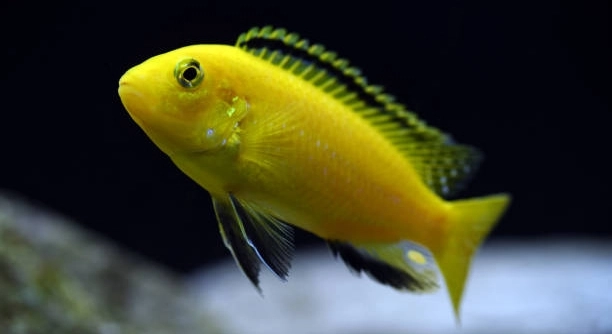
Is your cichlid spending a lot of time staring at the glass of its tank? This behavior can seem strange or even concerning for fish owners. Understanding why your fish acts this way helps in creating a better environment for it.
Obsessive glass-watching in cichlids is often caused by territorial instincts, reflections in the glass mistaken for rival fish, or boredom due to lack of stimulation. These behaviors indicate the fish is reacting to perceived threats or environmental factors.
Recognizing these reasons allows you to improve your cichlid’s tank setup and reduce stress for a healthier, happier fish.
Reasons Behind Your Cichlid’s Glass Watching
Cichlids are naturally territorial fish. When they see their reflection in the glass, they often mistake it for another fish invading their space. This can trigger aggressive or defensive behavior, causing them to stare and even try to attack the glass. In addition, cichlids need mental stimulation. Without enough hiding spots or decorations, they can get bored and focus on the glass simply because there is nothing else to capture their attention. Some cichlids also watch the glass out of curiosity or stress. Changes in lighting, sudden movements outside the tank, or frequent tapping on the glass can cause them to be more alert. To reduce this behavior, providing plenty of plants, rocks, and places to hide is important. Regular tank maintenance and avoiding disturbances around the aquarium will help your cichlid feel more secure.
Providing hiding spots and reducing external disturbances can help your cichlid feel safer and less likely to obsessively watch the glass.
Understanding these triggers is key to creating a calm environment for your cichlid. They thrive in well-structured tanks where their territorial needs are met without constant stress. Adding decorations not only breaks reflections but also enriches their environment. Adjusting lighting and limiting sudden outside movements can prevent unnecessary stress. When your cichlid feels secure, it will spend less time focused on the glass and more time exploring its surroundings, leading to a healthier and more balanced fish.
How to Reduce Glass Watching Behavior
Removing reflections and distractions is the first step in calming your cichlid’s behavior.
Adding plants, rocks, or backgrounds can reduce reflections and create a more natural setting for your cichlid. These elements provide visual barriers that limit the fish’s view of itself. Rearranging the tank decorations regularly can keep your fish mentally engaged. Avoid tapping or banging on the glass as this increases stress and keeps the fish alert. Consider adjusting the tank lighting to reduce glare, which can contribute to the glass-watching habit. In some cases, placing a darker background behind the tank helps minimize reflections and distractions. Ensuring the tank is large enough for your cichlid to establish territory also reduces aggressive behavior towards reflections. Finally, introducing compatible tank mates carefully may shift their focus away from the glass and toward social interaction, as long as the tank is not overcrowded. These simple changes improve your cichlid’s overall well-being and decrease obsessive behaviors.
Signs Your Cichlid Is Stressed
Stress in cichlids can show in several ways besides watching the glass. Changes in color, loss of appetite, and hiding more often are common signs. Rapid breathing and erratic swimming can also indicate stress.
When cichlids feel threatened or uncomfortable, their behavior changes noticeably. They might become aggressive or unusually passive. Constant glass-watching is often a sign they are stressed by reflections or external disturbances. Stress can weaken their immune system, making them prone to illness. Observing these signs early helps prevent health problems. Making adjustments in tank conditions, like improving water quality and reducing noise, can calm your fish. It’s important to address stress quickly to maintain your cichlid’s health.
Sometimes stress comes from poor water conditions or overcrowding. Regular water testing and proper filtration reduce stress factors. Ensuring your cichlid has enough space and hiding places will also help it feel secure. Reducing sudden movements around the tank and limiting tapping on the glass create a calmer environment. Keeping a consistent feeding routine can help reduce stress as well. Your cichlid will respond positively when its needs are met with care.
The Role of Tank Environment in Behavior
A well-arranged tank supports your cichlid’s natural habits and reduces unwanted behavior.
Cichlids need environments that reflect their natural habitats to feel safe. Rocks, caves, and plants offer places to explore and hide. Proper tank size is essential to allow territorial behavior without overcrowding. Water quality also plays a critical role—clean water and stable conditions keep stress low. A poorly maintained tank can increase anxiety, leading to excessive glass-watching. Creating a balanced environment supports your cichlid’s mental and physical health.
Adjusting the tank environment isn’t just about aesthetics; it directly impacts your fish’s behavior. Using natural décor breaks up reflections and keeps your cichlid occupied. Ensuring water parameters like temperature, pH, and hardness match the species’ needs will prevent stress. Providing variety in the tank reduces boredom, which is another cause of glass fixation. Your cichlid will be more relaxed and active in a habitat that meets these needs. Regular maintenance and thoughtful decoration changes keep the tank interesting and stress-free.
Understanding Reflection Effects
Reflections in the tank glass can confuse cichlids, making them think another fish is nearby. This often causes them to watch or attack the glass.
Using a tank background or repositioning the aquarium reduces reflections. This simple change helps lower stress and obsessive behavior in your cichlid.
Providing Mental Stimulation
Cichlids need mental activity to stay healthy. Offering toys, rearranging tank décor, or adding new hiding spots keeps their environment interesting. This reduces boredom and prevents repetitive glass-watching behavior.
Watching for Signs of Illness
Changes in behavior, such as excessive glass-watching, can also indicate illness. Monitor your cichlid closely and act quickly if other symptoms appear.
Tank Placement Matters
Position your tank away from busy areas or direct sunlight to minimize external distractions that can stress your cichlid.
FAQ
Why does my cichlid stare at its reflection for hours?
Cichlids are territorial by nature and often mistake their reflection for a rival fish. This causes them to watch or attack the glass repeatedly. Without enough hiding spots or distractions, the fish has little else to focus on. This behavior is more common in smaller tanks where reflections are clearer.
How can I stop my cichlid from watching the glass?
Adding plants, rocks, or backgrounds helps break up reflections and creates a more natural environment. Rearranging tank decorations regularly can keep your cichlid mentally engaged. Avoid tapping on the glass and reduce sudden movements around the tank. Adjusting lighting to minimize glare also helps calm the fish.
Is obsessive glass watching harmful to my cichlid?
While watching the glass itself is not directly harmful, it often signals stress or boredom. Prolonged stress weakens the immune system and can lead to illness. It’s important to address the causes behind this behavior to keep your cichlid healthy and happy.
Can reflections cause aggressive behavior in cichlids?
Yes. Seeing their own reflection can trigger territorial aggression. Your cichlid may repeatedly attack or flare fins at the glass, believing another fish is invading its space. This aggression can lead to exhaustion or injury if it continues for too long.
Are certain types of cichlids more prone to this behavior?
Some species, especially African cichlids, are more territorial and likely to react to reflections. Others may be less affected but still show some interest in their own image. Knowing your cichlid’s natural behavior helps tailor the tank setup to reduce glass-watching.
Does tank size affect this behavior?
Smaller tanks increase the chances of seeing reflections clearly, which can trigger obsessive glass watching. Larger tanks with more space and decorations reduce reflections and offer more stimulation, lowering the behavior’s frequency.
Can tank mates help reduce glass watching?
Introducing compatible tank mates may divert your cichlid’s attention from its reflection. However, overcrowding can increase stress, so it’s important to choose species carefully and provide enough space for all fish.
What environmental changes improve my cichlid’s behavior?
Consistent water quality, proper tank size, and natural décor are crucial. Regularly testing water parameters and keeping the tank clean reduce stress. Providing hiding places and mental stimulation helps your cichlid feel secure and entertained.
How important is lighting in managing this behavior?
Lighting affects reflections and glare on the glass. Too much light or poor placement causes more visible reflections, encouraging obsessive watching. Using softer lighting or adjusting the tank’s position reduces glare and stress.
Could glass watching indicate illness?
Yes. While often linked to territorial behavior, increased glass watching can also signal discomfort or sickness. Look for other signs like color changes, lethargy, or loss of appetite. If these occur, consult a vet or fish care expert promptly.
How often should I rearrange the tank décor?
Changing decorations every few weeks keeps the environment fresh and stimulating. This prevents boredom, which is a common cause of glass watching. Avoid too frequent changes to reduce stress from constant disturbances.
Is tapping on the glass harmful?
Tapping or banging on the glass stresses cichlids and increases their alertness to reflections. This makes them more likely to watch or attack the glass. Avoid touching the glass unnecessarily to keep your fish calm.
What role does diet play in my cichlid’s behavior?
A balanced diet supports overall health and reduces stress. Hungry or poorly fed cichlids may become more restless and fixated on reflections. Feeding on schedule with appropriate food types helps maintain calm behavior.
How do I know if my cichlid is stressed?
Stress signs include hiding, rapid breathing, color fading, and erratic swimming. Excessive glass watching often accompanies these symptoms. Early recognition allows you to make tank adjustments before health declines.
Can reflection films or decals help?
Yes. Applying decals or films to tank glass reduces reflections by diffusing light. This simple fix decreases the chance your cichlid will see its own reflection and obsess over it, improving its comfort.
Understanding why your cichlid obsessively watches the glass is important for its well-being. This behavior often stems from natural instincts, such as territoriality and curiosity. When a fish sees its own reflection, it may believe another fish is nearby and react defensively. This can lead to repeated glass-watching or even aggressive behavior. Additionally, boredom and stress caused by an unstimulating environment can encourage this habit. By recognizing these causes, you can take steps to improve your cichlid’s environment and reduce unnecessary stress.
Creating a well-balanced tank environment plays a key role in calming your cichlid. Adding decorations such as plants, rocks, and caves offers hiding places and breaks up reflections. This helps reduce aggressive reactions toward the glass and keeps your fish mentally engaged. Adjusting lighting to minimize glare and avoiding sudden movements or tapping on the glass can also lower stress. Clean, stable water conditions are crucial for maintaining your cichlid’s health and behavior. When your fish feels safe and comfortable, it will be less likely to fixate on the glass and more likely to explore its surroundings.
Patience and observation are essential when caring for your cichlid. Changes in behavior can be subtle, so it’s important to monitor your fish regularly. If glass-watching continues despite environmental improvements, consider other possible causes such as illness or overcrowding. Consulting with a professional or experienced hobbyist can provide helpful guidance. Remember that every cichlid is unique, and finding the right balance in its care may take time. By understanding its needs and responding thoughtfully, you create a healthier and happier home for your fish.

Hello,
If you enjoy the content that we create, please consider saying a "Thank You!" by leaving a tip.
Every little bit helps us continue crafting quality advice that supports the health, happiness, and well-being of pets around the world, for pets of all shapes, sizes, and species.
We really appreciate the kindness and support that you show us!