
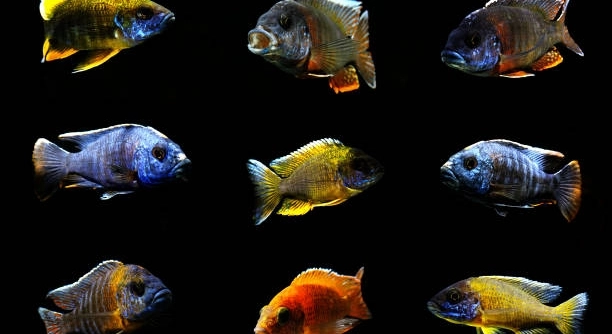
Keeping cichlids healthy requires regular water changes, but many aquarists unknowingly make mistakes that harm their fish. Water changes are a vital part of maintaining a stable environment for cichlids to thrive. Understanding common errors can improve their care and prevent stress or illness.
Mistakes during water changes, such as using untreated water, changing too much or too little at once, or disturbing the tank environment, can severely affect cichlids’ health. Proper water change techniques are essential for maintaining water quality and fish wellbeing.
Knowing these mistakes will help you create a safer and more comfortable home for your cichlids, making their care easier and more effective over time.
Using Untreated Tap Water
Using untreated tap water during water changes is a common mistake that harms cichlids. Tap water often contains chlorine, chloramine, and heavy metals, which are toxic to fish. Many people assume that tap water is safe, but these chemicals can damage the delicate gills of cichlids, causing stress or even death. It’s important to always treat water with a dechlorinator before adding it to the tank. This removes harmful chemicals and makes the water safe for your fish. Besides chemicals, untreated water can also have drastic pH differences compared to the tank water, which can shock your fish. Testing the water before and after treatment helps keep conditions stable. Treating water might seem like an extra step, but it protects your cichlids and keeps them healthy in the long run. Skipping this step can lead to unexpected problems in your aquarium that are hard to fix.
Treating tap water before use prevents toxins from harming your fish and maintains a stable, healthy environment for your cichlids.
Regularly checking and treating water improves fish health and reduces stress, making your aquarium safer and more balanced overall.
Changing Too Much Water at Once
Changing too much water in a single water change can shock cichlids and disrupt the tank’s balance. Removing a large volume of water suddenly changes important factors like temperature, pH, and beneficial bacteria levels. This sudden shift stresses the fish and weakens their immune system, making them prone to disease. It also disturbs the nitrogen cycle that keeps ammonia and nitrites in check. Experts recommend changing about 20-30% of the water at one time to avoid these problems. Smaller, regular water changes are more effective than occasional large ones. This gradual approach keeps the water parameters steady and prevents harmful spikes. Additionally, adjusting the new water to match the tank’s temperature and chemistry helps reduce shock. Patience and consistency with water changes are key to maintaining a healthy tank environment for cichlids. Avoid rushing the process to ensure your fish stay comfortable and safe.
Ignoring Water Temperature Differences
Water temperature plays a big role in cichlid health during water changes. Adding water that is too cold or too warm stresses the fish and can cause shock. Matching the new water temperature closely to the tank’s existing water is essential for smooth changes.
Sudden temperature shifts can weaken your cichlids’ immune systems, making them more vulnerable to diseases. Fish rely on stable water temperatures for proper metabolism and behavior. Even a few degrees of difference can cause discomfort or stress. Use a reliable thermometer to check both the tank water and the new water before adding it. If needed, warm or cool the new water gradually until it matches the tank temperature. This extra care prevents unnecessary harm and keeps your fish comfortable during changes.
Avoid rapid temperature swings by preparing replacement water ahead of time. Slowly adjusting its temperature to the tank’s conditions reduces stress and supports fish health.
Not Cleaning the Substrate During Water Changes
Skipping substrate cleaning during water changes can cause waste buildup that harms water quality. Uneaten food, fish waste, and debris settle in the substrate, leading to increased ammonia and nitrate levels if left unchecked. Regular substrate cleaning helps remove this buildup and supports a healthier tank environment.
Using a gravel vacuum during water changes is an effective way to clean the substrate without disturbing beneficial bacteria. This process removes organic matter trapped in the gravel or sand, reducing toxins in the water. While cleaning, be careful not to remove too much beneficial bacteria, which live in the substrate and help maintain the nitrogen cycle. A gentle, partial vacuuming during each water change keeps waste levels down and prevents harmful spikes in water chemistry. Maintaining a clean substrate is key to supporting your cichlids’ health and keeping the aquarium balanced and stable.
Using Soap or Chemicals to Clean the Tank
Cleaning the tank with soap or harsh chemicals is dangerous for cichlids. Residue from these substances can poison the water and harm your fish, even in small amounts.
Always use aquarium-safe tools and rinsing methods. Avoid household cleaners entirely to keep your tank safe and healthy.
Changing Water Too Infrequently
Infrequent water changes allow waste and toxins to build up, creating a harmful environment for cichlids. Regular water changes are essential to maintain water quality and prevent health issues.
Skipping or delaying water changes stresses fish and disrupts water chemistry. Establish a consistent schedule to keep your tank balanced and your cichlids thriving.
Disturbing the Fish During Water Changes
Disturbing your cichlids too much during water changes increases stress and can cause aggressive behavior or illness. Moving decorations or stirring up the substrate excessively unsettles the fish.
Handle water changes calmly and gently to keep fish comfortable and reduce risk of harm.
Using Soap or Chemicals to Clean the Tank
Cleaning the tank with soap or harsh chemicals is dangerous for cichlids. Residue from these substances can poison the water and harm your fish, even in small amounts.
Always use aquarium-safe tools and rinsing methods. Avoid household cleaners entirely to keep your tank safe and healthy.
Changing Water Too Infrequently
Infrequent water changes allow waste and toxins to build up, creating a harmful environment for cichlids. Regular water changes are essential to maintain water quality and prevent health issues.
Skipping or delaying water changes stresses fish and disrupts water chemistry. Establish a consistent schedule to keep your tank balanced and your cichlids thriving.
Disturbing the Fish During Water Changes
Disturbing your cichlids too much during water changes increases stress and can cause aggressive behavior or illness. Moving decorations or stirring up the substrate excessively unsettles the fish.
Handle water changes calmly and gently to keep fish comfortable and reduce risk of harm.
Water changes are an important part of caring for cichlids, but they need to be done carefully. Many common mistakes can harm your fish without you realizing it. Knowing what to avoid helps create a healthier environment for your cichlids to live in. From using untreated water to sudden large water changes, these errors affect the delicate balance of the aquarium. Being aware of these problems is the first step toward better fish care.
Proper water changes protect cichlids from stress and illness. Using treated water that matches the tank’s temperature keeps your fish safe from harmful chemicals and sudden shocks. Small, regular water changes work better than infrequent large ones because they keep water conditions steady. Cleaning the substrate during water changes helps remove waste that can build up and affect water quality. Avoiding soap and other chemicals during cleaning prevents dangerous toxins from entering the tank. Each careful step you take during water changes supports the health of your fish and the stability of the aquarium environment.
Taking time to do water changes properly shows respect for your cichlids’ needs. It can feel like extra work, but the benefits are worth it. Healthy fish are more active, colorful, and less likely to get sick. A stable tank also means fewer surprises and problems for you to handle. Remembering these tips makes a big difference in how your cichlids grow and thrive. With patience and care, you can enjoy a beautiful and balanced aquarium that your fish will love for years.

Hello,
If you enjoy the content that we create, please consider saying a "Thank You!" by leaving a tip.
Every little bit helps us continue crafting quality advice that supports the health, happiness, and well-being of pets around the world, for pets of all shapes, sizes, and species.
We really appreciate the kindness and support that you show us!