
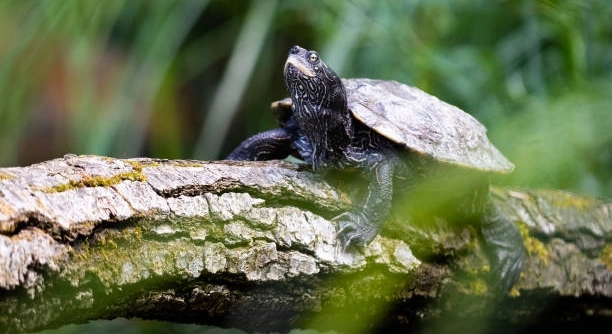
Map turtles are fascinating creatures that thrive in a well-maintained environment. One of the key components of their habitat is choosing the right substrate. This guide will help you make an informed decision on the best options for your pet.
The ideal substrate for map turtles should promote a clean, safe, and comfortable environment. Natural materials like river rocks, fine sand, or reptile-safe gravel are recommended. These substrates help maintain water quality and support the turtles’ overall health.
Selecting the right substrate involves more than just aesthetics. Understanding the factors that contribute to the health and comfort of your turtle will make a difference in their well-being.
Why Choosing the Right Substrate Matters for Map Turtles
Selecting the best substrate for map turtles is an important step in creating a healthy environment. The wrong type of substrate can lead to a number of issues, from poor water quality to stress for your turtle. By providing a proper surface, you help maintain your turtle’s well-being and make it easier for them to live comfortably. A good substrate mimics natural conditions and encourages natural behaviors like digging, basking, and foraging.
Choosing the right material also helps you maintain the cleanliness of the tank. Some substrates trap waste and debris, making it easier for you to clean. Others help regulate the water’s pH, which can improve the turtle’s health in the long run. Make sure to choose a substrate that is non-toxic and safe for your turtle.
A common mistake many turtle owners make is selecting substrates that are too fine or too large. Fine gravel or sand can easily be ingested by turtles, leading to digestive issues. On the other hand, large rocks or pebbles may create hiding spots that are difficult to clean. A balance of size and texture is essential. By keeping the environment simple and manageable, you can focus more on ensuring the overall health of your map turtle.
Types of Substrates for Map Turtles
Different types of substrates offer various benefits for map turtles. These include gravel, sand, and aquatic plant material.
Gravel is a popular choice for many owners because it provides a stable surface for turtles to walk on while also offering good drainage. It is also easy to clean and maintain. However, it is important to choose the right size gravel. Too small, and it can be ingested, causing potential health risks. Too large, and it may be difficult for your turtle to move around comfortably.
Aquatic plants are another option. They help create a more natural look while giving your turtle something to interact with. Keep in mind that some plants may require more maintenance, and you need to ensure they don’t outgrow the tank.
Factors to Consider When Choosing a Substrate
When selecting a substrate for map turtles, consider factors like ease of cleaning, water filtration, and safety. You should always choose a substrate that can help maintain proper water quality, which is crucial for the turtle’s health. The wrong substrate can cause water to become polluted quickly, leading to bacteria and algae growth.
Another key factor is the texture of the substrate. If the surface is too rough, it can cause injury to your turtle’s feet or shell. On the other hand, too soft a surface may make it difficult for the turtle to move or forage. It’s essential to find a good balance. Moreover, substrate should not leach harmful chemicals into the water. Some synthetic materials can release toxins that can harm your turtle over time.
Additionally, ease of cleaning is a top priority. Some substrates are easier to clean and maintain, while others require more frequent changes. It’s also a good idea to make sure your turtle has enough space to move freely on the substrate. Regular cleaning and substrate changes will keep your tank hygienic and free from contaminants.
Best Substrates for Map Turtles
River rocks are one of the best choices for map turtles. They are non-toxic, easy to clean, and help maintain good water quality. The smooth texture allows turtles to move comfortably, and they can even bask on them. This option provides a natural look and serves as a sturdy base in the tank.
Using river rocks also prevents the substrate from being easily ingested, which can happen with finer materials like sand or gravel. The natural appearance is pleasing to the eye, and turtles enjoy walking on them. They won’t harm your turtle’s feet or shell, which can be a concern with sharper materials. River rocks are easy to clean by using a vacuum or simply rinsing them.
Additionally, river rocks help to promote natural behaviors, as your turtle can use them to climb and explore. They also provide a great hiding spot for any small fish or invertebrates you may want to include in the habitat. For owners looking for a safe and low-maintenance option, river rocks are a top contender.
How to Maintain Substrate Cleanliness
Keeping the substrate clean is essential for your turtle’s health. This involves regular maintenance, including removing waste and uneaten food. It’s important to have a vacuum or siphon to clean the bottom of the tank. Make sure to do this often to avoid build-up.
In addition to regular cleaning, you should replace the substrate when it begins to show signs of wear or contamination. A good rule of thumb is to clean the tank at least once a week, but this can vary depending on the number of turtles and size of the tank. In larger tanks, cleaning can be less frequent, but it’s still essential to remove debris.
Proper water filtration also plays a significant role in keeping the substrate clean. A good filter will help reduce waste and toxins, making cleaning easier. Always monitor water conditions to ensure your map turtle’s health and the cleanliness of the tank.
Gravel as a Substrate Option
Gravel is a common choice for many turtle owners. It’s easy to clean, helps with water filtration, and provides a stable base. However, it’s important to choose the right size. Too small, and your turtle might ingest it; too large, and it could be difficult to maintain.
When using gravel, make sure it’s large enough to avoid accidental ingestion. Some small gravel pieces can pose a choking hazard or cause digestive problems. Also, gravel doesn’t hold moisture well, so it’s important to monitor the humidity and water levels in the tank regularly.
Gravel can also help maintain water clarity by allowing debris to settle at the bottom, making it easier to remove waste. It’s also visually appealing, giving the tank a natural look. However, it might not provide as many hiding spots or opportunities for interaction as other substrates like river rocks.
Sand as a Substrate Option
Sand is another common substrate, but it needs to be used with caution. Fine sand can get ingested by turtles, leading to potential health problems like impaction. Coarser sands are less likely to cause these issues, but they can be harder to clean.
Choosing sand with larger grains can reduce the risk of accidental ingestion. If you opt for sand, make sure to monitor your turtle closely to ensure they don’t ingest too much. Regular cleaning is also necessary to prevent the build-up of waste, which can lead to water quality issues.
Safe Substrate Alternatives
If you’re looking for something different, there are safe alternatives like reptile-safe mats or coconut husk. These materials are designed to be safe for turtles and easy to clean. They can also provide a comfortable surface for your turtle to move around.
FAQ
What is the best substrate for map turtles?
The best substrate for map turtles is one that is safe, easy to clean, and promotes a natural environment. River rocks are a great option, as they offer a stable surface and help maintain water quality. You can also use aquarium-safe gravel, though it’s important to select the right size to prevent accidental ingestion. Avoid fine sand or small gravel, as these can be ingested, leading to health issues. The right substrate allows your turtle to feel comfortable and promotes natural behaviors.
Can I use sand for map turtles?
Yes, you can use sand for map turtles, but it comes with some risks. Fine sand can be ingested, which might cause digestive issues like impaction. Coarser sand is less likely to be swallowed, but it’s harder to clean compared to other substrates. If you decide to use sand, always choose a coarser variety and monitor your turtle closely to make sure it doesn’t consume too much. Regular cleaning is also important to prevent waste build-up in the sand.
How do I keep the substrate clean?
To keep the substrate clean, you should regularly remove any waste, uneaten food, or debris from the tank. A vacuum or siphon works well for gravel or river rock substrates, as it can help remove dirt without disturbing the surface too much. Sand may require more frequent cleaning with a gentle siphon, as waste can settle deep into it. In addition to cleaning the substrate, ensure that you are regularly changing the water, using a filter to keep it clear and fresh.
Can I mix different types of substrates in the same tank?
It’s possible to mix different substrates, but it’s important to consider how they will interact. For example, combining sand and gravel may result in uneven surfaces that could be difficult for your turtle to move across. Additionally, it may complicate cleaning efforts, as some types of substrate are harder to clean than others. If you choose to mix substrates, make sure they serve a functional purpose, such as offering different textures for your turtle to explore, and are safe for the tank environment.
Is gravel safe for map turtles?
Gravel can be a safe option for map turtles as long as it is large enough that it can’t be ingested. Small gravel pieces pose a risk of being swallowed, leading to digestive problems. To avoid this, choose medium to large gravel stones that are too big for your turtle to swallow. Gravel is also good for water filtration and allows waste to settle at the bottom of the tank, making it easier to clean. However, regular maintenance is necessary to ensure it doesn’t affect water quality.
How often should I change the substrate in my turtle tank?
Substrate in a map turtle tank doesn’t need to be changed as often as the water, but it should be replaced every 6 to 12 months, depending on how quickly it accumulates waste. If you notice that the substrate is smelling or if it’s becoming difficult to clean, it’s a sign that a replacement is needed. Regular cleaning and maintenance can extend the life of the substrate and keep your tank healthy. However, be sure to check it regularly for any signs of wear or contamination.
Can I use bark or wood as a substrate?
Bark or wood can be used as a substrate in certain situations, but it is not the best option for map turtles. These materials can retain moisture, which may lead to mold or bacteria growth if not properly maintained. Additionally, they can be difficult to clean, as waste tends to get trapped in the fibers. If you want to use natural materials, it’s better to stick with river rocks or safe aquatic plants that are easier to maintain.
What happens if my turtle eats the substrate?
If your turtle eats the substrate, it could lead to serious health issues. Ingesting sand, small rocks, or gravel can cause impaction in the digestive system, which might require medical treatment. Some turtles will eat small stones or sand out of curiosity or due to hunger. If you suspect your turtle has ingested substrate, observe its behavior and look for signs of distress like lethargy or difficulty moving. If you notice any unusual symptoms, consult a veterinarian immediately to prevent further complications.
How do I know if the substrate is affecting my turtle’s health?
If the substrate is affecting your turtle’s health, you may notice symptoms like lethargy, poor appetite, or unusual behavior. Digestive issues can arise from ingesting the wrong kind of substrate, leading to impaction. Your turtle’s shell may also show signs of irritation if the surface is too rough. If your turtle seems to be struggling or acting out of character, it’s a good idea to re-evaluate the substrate and consider switching to a safer option. Regular tank maintenance and water quality checks will also help you keep an eye on your turtle’s health.
Is it necessary to have a substrate for map turtles?
A substrate is not absolutely necessary for map turtles, but it is beneficial. A substrate helps create a more natural environment, giving turtles a place to explore and promoting natural behaviors. It also aids in water filtration, keeping the tank cleaner. Without a substrate, your turtle’s tank will be much easier to clean, but you will miss out on providing them with a more stimulating and comfortable habitat. Ultimately, it’s up to you whether you want to add a substrate, but it can be a valuable addition to the tank.
Final Thoughts
Choosing the right substrate for your map turtle is essential for creating a healthy and comfortable environment. It’s important to focus on materials that are non-toxic, easy to clean, and safe for your turtle to interact with. Substrates like river rocks, medium-sized gravel, or coarser sand are great options that provide a natural look while supporting the turtle’s needs. Each type of substrate has its pros and cons, so it’s worth considering factors like ease of maintenance, water quality, and your turtle’s behavior before making a decision.
Proper care of the substrate will help keep the tank clean and your turtle healthy. Regular cleaning is key to maintaining good water quality and preventing bacteria or algae growth. Using a filter to help with waste removal and monitoring the tank frequently will ensure that the substrate doesn’t affect your turtle’s well-being. If you notice that the substrate is making the water dirty or difficult to maintain, it may be time to replace it. By paying attention to these details, you can create a stable environment where your map turtle can thrive.
While the right substrate is an important factor in your turtle’s habitat, it’s only one part of the puzzle. Regular water changes, proper lighting, and a balanced diet are also essential for keeping your map turtle happy and healthy. Ultimately, providing a safe and clean environment will help your turtle live a long and comfortable life. By taking the time to choose the best substrate and maintaining it properly, you’ll be giving your turtle the best possible home.

Hello,
If you enjoy the content that we create, please consider saying a "Thank You!" by leaving a tip.
Every little bit helps us continue crafting quality advice that supports the health, happiness, and well-being of pets around the world, for pets of all shapes, sizes, and species.
We really appreciate the kindness and support that you show us!