
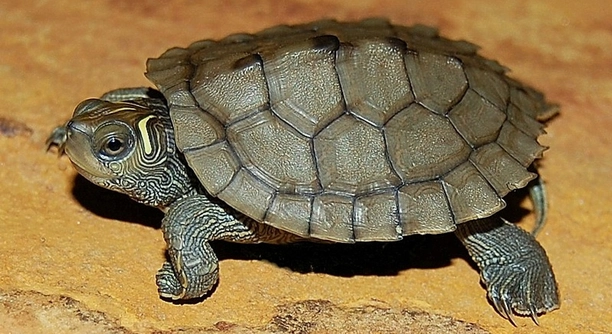
Map turtles, particularly males, can sometimes exhibit aggressive behaviors that may puzzle pet owners. Understanding and managing these behaviors is crucial for maintaining harmony in their habitat and ensuring their well-being.
Handling aggression in male map turtles requires a nuanced approach. Observing their interactions, providing adequate space, and ensuring a balanced environment are key. Establishing a hierarchy and offering enrichment activities can also mitigate aggression.
Exploring these strategies can foster a safer and more enjoyable environment for both your turtles and yourself. Understanding their natural behaviors helps in creating a thriving aquatic home.
Understanding Aggression in Male Map Turtles
Male map turtles often show aggression, especially during mating seasons or when they feel threatened by other turtles. It’s important to note that this behavior is not necessarily a sign of illness or distress. They are simply displaying their natural instincts. Males are more territorial than females, and when they are placed in the same space with other males, they may fight to establish dominance. While this behavior may seem alarming at first, it’s often temporary and can be managed with proper care.
Providing enough space for each turtle is essential to prevent aggression. Crowded tanks or enclosures often lead to territorial disputes. When multiple males are housed together, ensure that each turtle has enough room to retreat when needed. Overcrowding in small tanks can cause stress and trigger aggressive interactions.
Aggression is also linked to environmental factors, such as lack of hiding spots or insufficient basking areas. These stressors can heighten a turtle’s territorial instincts. Ensuring that your map turtles have adequate shelter, access to basking areas, and a well-maintained tank can significantly reduce these behaviors.
Dealing with Aggression
To help reduce aggression, you can also try creating visual barriers or separate areas within the tank. This allows each turtle to feel more secure in its space.
It’s important to monitor the turtles regularly. If aggression persists, separating the males into different enclosures may be necessary. Providing plenty of enrichment, like rocks or plants for hiding, can make a big difference in calming their behavior.
Recognizing Aggressive Behaviors
Male map turtles can display aggression in several ways. Common signs include biting, chasing, or even pushing other turtles out of basking spots. They may also exhibit aggressive postures, such as inflating their necks or biting the air. Understanding these behaviors helps in identifying when intervention is necessary.
You’ll also notice males may become more aggressive when placed near females during mating season. The presence of other males can intensify this aggression as they compete for attention. These behaviors are natural, but managing them is important to avoid injury or stress. If aggression becomes frequent, it’s a good idea to evaluate the tank’s environment and the number of turtles it houses.
Aggression can also be more pronounced if a turtle feels its territory is being invaded. A well-defined space and enough hiding spots for each turtle can help reduce these territorial behaviors. In some cases, simply rearranging the tank can help ease tensions by breaking up established territories.
Creating a Peaceful Environment
To help reduce aggression, start by ensuring your tank is large enough for multiple turtles. A crowded space will lead to stress and competition. Provide plenty of hiding places and basking spots, so turtles feel secure and have a place to retreat. This will give them room to roam and reduce territorial conflicts.
Additionally, introducing objects like rocks, plants, or driftwood can create barriers and break up the space, which can ease territorial disputes. Consider adding multiple basking areas and areas with different water temperatures to encourage natural behavior. The more diverse the environment, the less likely your turtles are to become fixated on each other.
Proper Tank Setup
A well-maintained tank is essential for minimizing aggression. The size of the tank should accommodate all your turtles comfortably. A cramped tank can cause tension and provoke fights. Water quality, temperature, and cleanliness are also important factors in ensuring a peaceful environment for your turtles.
The tank should have areas where turtles can retreat from one another. These hiding spots help reduce stress and limit confrontations. Adding plants, rocks, or even aquarium decorations can create natural barriers, giving each turtle its own space. Be sure to clean the tank regularly to avoid any build-up of waste, which can add to stress.
Observation and Intervention
Keep a close eye on your turtles. If aggression is persistent, consider separating them. It might be necessary to temporarily house males in separate tanks, especially if their fights cause injury or excessive stress. Separating them ensures that they can recover and helps avoid further issues.
If you notice one turtle consistently being targeted, assess the dynamics between them. Some turtles are naturally more dominant than others, and understanding the hierarchy can make a difference in preventing future fights.
FAQ
What causes aggression in male map turtles?
Aggression in male map turtles is mainly caused by territorial instincts, especially when they feel their space is being invaded. Males are naturally more territorial than females, and during mating season, they can become more competitive. They may also show aggression due to overcrowding or insufficient resources, such as basking spots and hiding places. Environmental factors like water temperature or poor tank conditions can increase stress and lead to more frequent aggressive behaviors.
How can I tell if my turtle is being aggressive?
Aggressive turtles display certain behaviors like biting, chasing, and trying to dominate other turtles. They may puff up their necks and exhibit a defensive posture. Aggression can also show in the form of pushing or trying to force other turtles out of basking areas. If you see these signs, it’s a clear indication that the turtles are fighting for space or resources.
Is it normal for male map turtles to fight?
Yes, it is normal for male map turtles to fight, especially when they feel the need to establish dominance or compete for a mate. During the breeding season, males become more aggressive toward each other. This behavior is typical, but when fights become frequent or violent, it’s essential to intervene and manage the situation to avoid harm.
How can I prevent aggression between my male turtles?
Preventing aggression starts with providing plenty of space. The tank should be large enough for each turtle to establish its own area. Add plenty of hiding spots, rocks, plants, and basking areas. These features create visual barriers and allow turtles to avoid confrontations. Keeping a good balance of resources and ensuring a clean tank will also reduce stress and aggression.
Can aggression cause injury to my turtles?
Yes, aggression can lead to injury, especially if the turtles engage in biting or pushing each other around. In severe cases, turtles may lose pieces of their shells or develop wounds that could lead to infections. It’s crucial to monitor aggressive behavior and intervene when necessary to prevent any harm.
When should I separate my male map turtles?
You should separate male map turtles if their aggressive behavior becomes frequent or if it leads to injury. If one turtle is constantly being bullied or attacked, it’s a good idea to move that turtle to a different tank. Separating them allows the turtles to recover and reduces the stress that can be caused by constant aggression.
What type of tank setup is best for male map turtles?
For male map turtles, a spacious tank with separate hiding areas is essential. Ensure there are multiple basking spots, and the tank has enough depth for swimming. Include plants, rocks, or decorations that create visual barriers and help the turtles establish their own territories. The water temperature should be consistent, and the tank should be cleaned regularly to maintain a healthy environment.
Are male map turtles more aggressive than females?
Yes, male map turtles tend to be more aggressive than females. Males are naturally more territorial and will often fight with other males, especially during the breeding season. Females usually do not exhibit the same level of aggression and are often more passive in their interactions with other turtles.
Can I house multiple male map turtles together?
It’s possible to house multiple male map turtles together, but it’s important to provide a large tank with enough space for each turtle to have its own territory. If you notice signs of aggression, consider separating them to prevent stress and injury. Keeping their environment enriched with hiding spots and different basking areas can help reduce fights.
What should I do if one of my turtles is being bullied?
If one of your turtles is being bullied, separate it from the aggressive one immediately. Set up a separate tank for the bullied turtle, where it can recover and feel safe. In some cases, the dominant turtle may need to be separated as well. Afterward, assess your tank setup to ensure there are enough resources for each turtle to coexist peacefully.
Can the water temperature affect aggression in male map turtles?
Yes, water temperature can influence aggression in male map turtles. If the water is too warm or too cold, it can cause stress and increase aggressive behaviors. Keeping the water temperature stable and within the recommended range (around 75-80°F) helps maintain a calm environment for the turtles.
Final Thoughts
Managing aggression in male map turtles requires understanding their natural behaviors and providing an environment that reduces stress. It’s essential to recognize that aggression, especially among males, is a normal part of their social interactions. However, when aggression becomes too frequent or violent, it can cause harm, not only to the turtles but also to the overall environment of the tank. By identifying the signs early and taking steps to adjust their surroundings, you can prevent ongoing aggression and ensure the well-being of your turtles.
Creating a suitable environment is key to minimizing aggression. Male map turtles, like many other reptiles, thrive in tanks that offer ample space, multiple basking areas, and hiding spots. These features help them feel secure and reduce territorial disputes. Keeping their environment clean, maintaining proper water temperatures, and providing a variety of enrichment items like rocks or plants also contribute to a less stressful atmosphere. When the turtles have everything they need, they’re less likely to engage in aggressive behaviors. Regularly observing your turtles can help you spot any signs of tension and allow for quick intervention if necessary.
Finally, it’s important to remember that each turtle is unique. Some may naturally be more dominant, while others might prefer solitude. If aggression persists, consider separating the males into different tanks. This may be a temporary solution, but it can give the turtles time to recover from stress and prevent further harm. While aggression in male map turtles is natural, with the right care and environment, you can ensure that they live in peace and health, enjoying their aquatic homes.

Hello,
If you enjoy the content that we create, please consider saying a "Thank You!" by leaving a tip.
Every little bit helps us continue crafting quality advice that supports the health, happiness, and well-being of pets around the world, for pets of all shapes, sizes, and species.
We really appreciate the kindness and support that you show us!