7 Ways to Reduce Aggression in Yellow-Bellied Slider Tanks
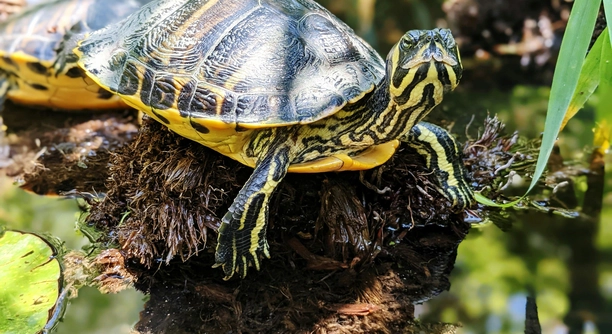
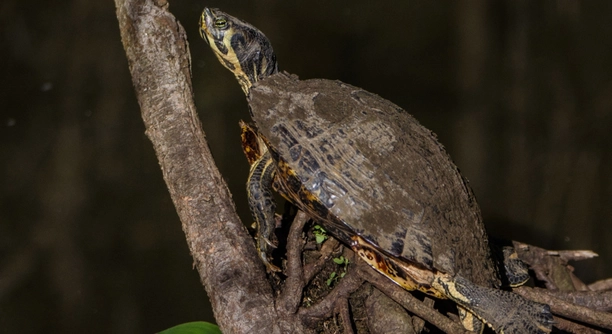
Aggression in yellow-bellied slider tanks can lead to stressful environments for your turtles. Understanding the causes of this aggression and learning effective solutions can help ensure a peaceful, happy habitat for your pets. Managing aggression in yellow-bellied slider tanks involves creating a balanced environment with proper space, diet, and socialization. By addressing territorial issues, providing … Read more
Can Yellow-Bellied Sliders Eat Pumpkin Seeds?

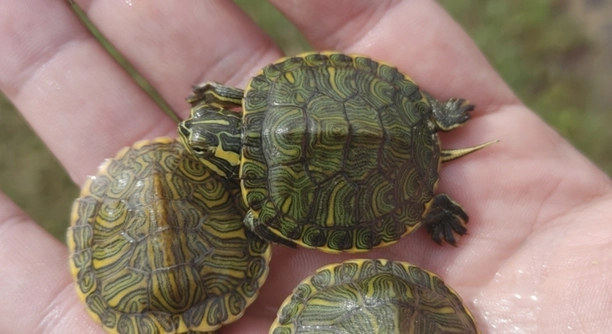
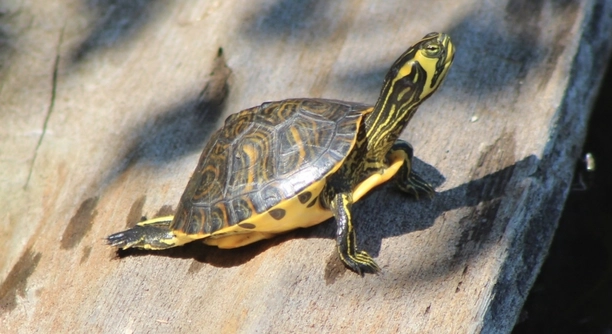
Yellow-bellied sliders are popular pets due to their friendly nature and easy care. As owners, we want to make sure we feed them properly to ensure their health and happiness. It’s important to know what foods are safe for them. Yellow-bellied sliders can safely eat pumpkin seeds in moderation. However, these seeds should not be … Read more

How to Properly Quarantine a New Yellow-Bellied Slider (7 Steps)

When you bring home a new yellow-bellied slider, it’s essential to take the proper steps to ensure its health and comfort. A successful quarantine period can prevent any potential illness and help your turtle adjust to its new home. To properly quarantine a new yellow-bellied slider, you should follow seven key steps: creating a separate … Read more

7 Signs Your Yellow-Bellied Slider Is Happy

Are you noticing certain behaviors in your yellow-bellied slider and wondering if they’re happy? Understanding your pet’s happiness can help ensure they thrive and live a healthy life. The simplest way to know if your yellow-bellied slider is happy is by observing their active behavior, eating habits, and physical appearance. Happy turtles are generally alert, … Read more

Why Do Yellow-Bellied Sliders Sleep So Much?

Yellow-bellied sliders are often seen basking or swimming around in their habitats, but have you ever noticed how much they sleep? This behavior is common, and understanding it can help provide a better environment for them. The main reason yellow-bellied sliders sleep so much is due to their natural need for energy conservation. As reptiles, … Read more

How to Spot Parasites in Yellow-Bellied Sliders (7 Signs)

Yellow-bellied sliders are popular pets, but like any animal, they can sometimes develop health issues. One common concern is parasites, which can affect their overall well-being. Learning to spot the signs of parasites is important. Parasites in yellow-bellied sliders can be detected through several signs. These signs include changes in behavior, appetite, and physical appearance. … Read more

7 Foods to Avoid Feeding Your Yellow-Bellied Slider

Yellow-bellied sliders are popular pet turtles known for their vibrant colors and fun personalities. However, like all pets, they have specific dietary needs. Knowing what to feed them is essential to keeping them healthy and happy. There are certain foods you should avoid feeding your yellow-bellied slider, as they can negatively affect their health. These … Read more

Why Is My Yellow-Bellied Slider Not Growing?

If your yellow-bellied slider isn’t growing as expected, it can be concerning. These turtles should grow steadily if their environment is right. However, there could be several reasons behind the slow growth that you may not have noticed. There are multiple factors that could affect the growth of your yellow-bellied slider, including improper diet, inadequate … Read more

7 Best Basking Platforms for Yellow-Bellied Sliders

Do your yellow-bellied sliders spend hours basking, but their platform just doesn’t seem comfortable or suitable for them? The best basking platforms for yellow-bellied sliders provide a stable, non-slip surface, ample space, and easy access for climbing. These features ensure optimal sun exposure and a safe, natural environment for your turtles. Discover what makes these … Read more

How to Keep Your Yellow-Bellied Slider Safe During Winter (7 Tips)

Is your yellow-bellied slider ready for the chilly months ahead? Keeping them safe during winter requires special attention and care. The best way to protect your yellow-bellied slider during winter is by maintaining a stable and warm environment. Ensure the water temperature stays between 75–80°F, and provide a basking area heated to 85–90°F. From monitoring … Read more