
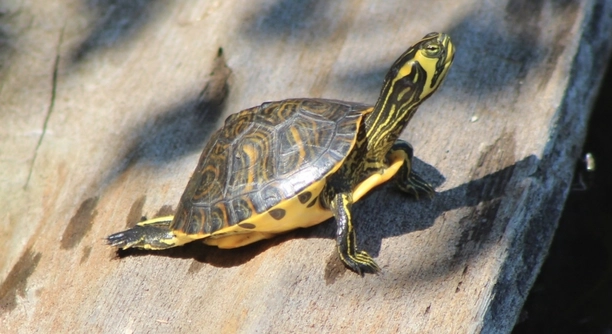
If your yellow-bellied slider isn’t growing as expected, it can be concerning. These turtles should grow steadily if their environment is right. However, there could be several reasons behind the slow growth that you may not have noticed.
There are multiple factors that could affect the growth of your yellow-bellied slider, including improper diet, inadequate lighting, temperature issues, and stress. Ensuring a proper diet rich in vitamins and minerals, along with optimal living conditions, can promote healthy growth.
Understanding what might be stunting your slider’s growth will help you make informed decisions for its care. A few adjustments to its diet and environment can set your turtle on a healthier growth path.
Diet and Nutrition
A proper diet is essential for your yellow-bellied slider to grow. These turtles need a balanced mix of protein, vegetables, and occasional fruits. If your turtle’s diet lacks key nutrients, growth may slow down. It’s important to feed them a variety of foods, including commercial turtle pellets, live or frozen fish, and leafy greens. Over time, poor nutrition will show in your turtle’s health, so ensuring a proper diet can make a significant difference in its growth rate.
You should offer a combination of high-quality turtle pellets, occasional protein sources like fish or worms, and fresh veggies like dandelion greens.
While a balanced diet is crucial, overfeeding can be just as harmful. Feeding too much can lead to obesity, which can affect the turtle’s mobility and overall health. Stick to proper portion sizes and avoid overfeeding, as excess food may also lead to poor water quality in the tank.
Water Temperature and Habitat
The temperature in your turtle’s habitat can impact its growth. Yellow-bellied sliders are cold-blooded, which means they rely on their surroundings to regulate their body temperature. If the water is too cold, your turtle will become sluggish and may not eat or grow properly. Maintaining the right temperature is crucial for digestion, metabolism, and overall well-being. Aim for a water temperature of 75-80°F (24-27°C), with a basking area around 90°F (32°C).
A temperature-controlled environment is essential. Without it, your slider may struggle to absorb the nutrients from its food, stunting growth. Proper heating and a UVB light are important for the turtle’s growth and shell development. UVB light helps them process calcium and maintain strong bones. The right conditions in the tank can encourage better growth and overall health for your turtle.
Stress and Tank Mates
Stress can significantly affect your yellow-bellied slider’s growth. Turtles can become stressed due to poor tank conditions, overcrowding, or aggressive tank mates. Stress impacts their immune system and growth rate, making it essential to provide a calm, peaceful environment.
Monitor your turtle’s behavior closely. If it’s hiding more than usual or showing signs of aggression, this could indicate stress. Avoid housing multiple turtles in a small space. Ensure there is enough room for each turtle to move freely. Stressful conditions not only hinder growth but can also lead to health problems. Creating a stress-free environment will allow your turtle to grow at a healthy rate.
Aggressive tank mates can also contribute to stress. If you have fish or other reptiles sharing the space, they might harass your turtle, making it anxious. Always choose non-aggressive species for tank mates and ensure they are not competing for space, food, or attention.
Lighting and UVB Exposure
Proper lighting is another key factor for healthy growth in yellow-bellied sliders. UVB light helps them absorb calcium, which is vital for strong bones and shell development. Without it, your turtle may suffer from metabolic bone disease, which can stunt growth and cause deformities.
Make sure the tank has a UVB light source that is on for 10-12 hours a day. Position the light to cover the basking area where your turtle spends time out of the water. Inadequate UVB exposure leads to poor calcium metabolism and can slow your turtle’s development. Consistent access to UVB light is necessary for long-term health.
In addition to UVB light, a basking light is needed to maintain proper warmth in the tank. Your turtle needs the heat to digest food and stay active. The basking area should be around 90°F, while the water temperature should stay between 75-80°F. This combination of light and heat will help promote growth and overall well-being.
Overfeeding or Underfeeding
Feeding your yellow-bellied slider the wrong amount of food can impact its growth. Overfeeding can cause obesity, while underfeeding leads to malnutrition. Either way, the turtle won’t reach its full growth potential. Proper portion control is key to healthy growth.
A balanced feeding routine ensures your turtle gets enough nutrients without overindulging. Overfeeding also negatively impacts water quality, leading to poor tank conditions. To avoid these issues, feed your turtle based on its size and age, and remove uneaten food to keep the tank clean.
Shell Health
Your turtle’s shell is an important indicator of its overall health and growth. A healthy, firm shell reflects a well-nourished, properly cared-for turtle. If your turtle’s shell is soft or deformed, it may be due to a calcium deficiency, often caused by improper lighting or diet.
Calcium plays a significant role in shell development, so be sure your turtle has access to a high-quality calcium supplement or cuttlebone. Combine this with a proper UVB light source, which helps your turtle absorb calcium, ensuring its shell remains strong and grows properly. A healthy shell is an indicator of overall good health.
Water Quality
Maintaining clean water is essential for your yellow-bellied slider’s health and growth. Dirty water can cause a variety of health issues, including skin and shell infections, which may stunt growth. Regular water changes are necessary to keep the tank environment safe and healthy.
Investing in a high-quality filtration system will make it easier to maintain good water quality. Make sure to check the water parameters regularly, including pH, ammonia, and nitrate levels. Proper filtration prevents harmful toxins from building up, ensuring your turtle stays healthy and grows at a steady rate.
FAQ
Why isn’t my yellow-bellied slider growing?
The growth of your yellow-bellied slider can be slowed down by several factors, including an improper diet, incorrect water temperature, inadequate lighting, and stress. A lack of UVB light, insufficient calcium intake, or poor tank conditions may also contribute. Ensure your turtle is getting the right food, has a properly heated and lit environment, and is not stressed by overcrowding or aggressive tank mates. Once you address these areas, you should see improved growth.
How do I know if I’m feeding my turtle the right amount?
Yellow-bellied sliders should be fed an amount that is appropriate for their size and age. Overfeeding leads to obesity, while underfeeding can stunt growth. A good guideline is to feed your turtle pellets or fresh food that is about the size of its head, once or twice a day. Remove uneaten food after 15-20 minutes to avoid contamination. For younger turtles, you can feed them more frequently, but be mindful of the portion sizes.
What should I feed my yellow-bellied slider?
A yellow-bellied slider’s diet should include a mix of protein and plant-based foods. Offer a variety of high-quality commercial turtle pellets as the base of their diet, supplemented by live or frozen foods like small fish, worms, or crickets. Fresh leafy greens, such as dandelion greens, collard greens, and kale, should also be offered. Occasional fruits, like strawberries or apples, can be given as treats but should not make up the majority of their diet.
Is my turtle’s water temperature too low?
Water temperature plays a crucial role in the growth and health of your turtle. Yellow-bellied sliders thrive in water temperatures between 75-80°F (24-27°C). If the water is too cold, your turtle may become sluggish, refuse food, or fail to grow properly. You can use a submersible water heater to maintain the right temperature and ensure your turtle stays active and healthy. The basking area should be slightly warmer, around 90°F (32°C), for optimal digestion and health.
What kind of lighting does my turtle need?
UVB lighting is essential for your turtle to absorb calcium and maintain a healthy shell. Without it, they can develop metabolic bone disease, which can stunt growth. A UVB light should be on for 10-12 hours a day, simulating a natural day-night cycle. Additionally, you’ll need a basking light to provide heat, which helps your turtle digest food properly. The basking light should be positioned to create a warm area around 90°F (32°C) for your turtle to enjoy while it rests out of the water.
How often should I change my turtle’s water?
Changing the water regularly is necessary to maintain good water quality. Depending on the size of the tank and the number of turtles, aim to change about 25-50% of the water once a week. If your turtle’s tank is heavily stocked or the water is visibly dirty, more frequent changes may be needed. Be sure to use a high-quality filter to help remove waste and toxins, and always check the water’s temperature and chemical balance before adding it back into the tank.
How can I reduce stress for my turtle?
Stress can hinder your turtle’s growth and overall well-being. To reduce stress, make sure your turtle’s environment is calm and comfortable. Avoid overcrowding the tank with too many turtles or aggressive tank mates. If your turtle is hiding or acting defensively, check the water quality, temperature, and lighting. Ensure that the tank is large enough to allow plenty of space for your turtle to swim and bask. A peaceful environment will promote healthy growth.
Can I house multiple turtles together?
While yellow-bellied sliders can live with other turtles, it’s important to consider the size of the tank and the personalities of the turtles. Overcrowding or placing aggressive turtles together can lead to stress, fighting, and stunted growth. Make sure each turtle has enough space to swim, bask, and eat without interference from others. If you notice signs of aggression, it may be necessary to separate the turtles into different tanks.
How do I know if my turtle is sick?
Signs of illness in a turtle may include lack of appetite, lethargy, swollen eyes, abnormal swimming behavior, or a soft or deformed shell. If you notice any of these symptoms, it’s best to take your turtle to a reptile veterinarian for a check-up. Keeping a clean, well-maintained tank and providing proper care can help prevent many illnesses, but it’s always important to be proactive if you suspect a health issue.
Why is my turtle not eating?
There are several reasons why a yellow-bellied slider might stop eating. It could be due to stress, illness, incorrect water temperature, or a lack of UVB light. If your turtle isn’t eating, check the tank environment and make sure everything is within the proper range. If the problem persists for more than a few days, it’s a good idea to consult a veterinarian to rule out any health concerns.
Taking care of a yellow-bellied slider requires attention to detail, but with the right approach, your turtle can grow healthy and strong. A balanced diet, proper lighting, and a stable tank environment are essential for ensuring your turtle has everything it needs to thrive. The growth process might take time, but by providing the right care, you’ll see your turtle reach its full potential. Understanding the needs of your slider can help you identify and address any problems that may arise along the way.
In addition to the basic needs like diet and water temperature, stress management plays an important role in your turtle’s growth. If your turtle is stressed, it may not eat properly or may become sluggish. Overcrowded tanks, aggressive tank mates, or a lack of proper space can lead to stress, so it’s important to create a peaceful environment. A well-maintained tank with clean water and the right lighting conditions can help your turtle feel comfortable and promote healthy growth. If you notice signs of stress, try adjusting the tank or making changes to improve its environment.
Lastly, don’t forget about regular check-ups. If your turtle is not growing as expected, it’s important to monitor its health closely. You should also keep an eye on its shell for signs of calcium deficiency, which could point to issues with lighting or diet. Regular water changes and proper filtration can prevent diseases that could affect growth. With patience, care, and attention to detail, your yellow-bellied slider will have the best chance to grow at a healthy rate. Taking the time to understand what might be causing slow growth will allow you to provide the best care possible.

Hello,
If you enjoy the content that we create, please consider saying a "Thank You!" by leaving a tip.
Every little bit helps us continue crafting quality advice that supports the health, happiness, and well-being of pets around the world, for pets of all shapes, sizes, and species.
We really appreciate the kindness and support that you show us!