
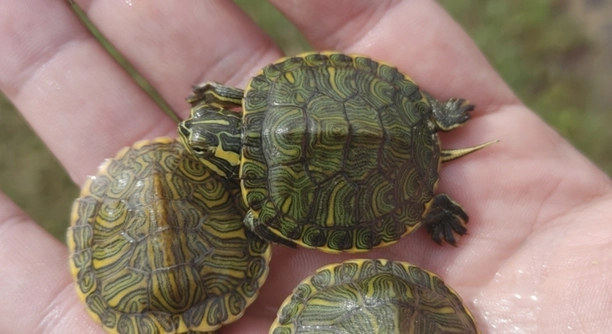
Is your yellow-bellied slider ready for the chilly months ahead? Keeping them safe during winter requires special attention and care.
The best way to protect your yellow-bellied slider during winter is by maintaining a stable and warm environment. Ensure the water temperature stays between 75–80°F, and provide a basking area heated to 85–90°F.
From monitoring water temperatures to creating the ideal basking spot, these simple tips will help keep your yellow-bellied slider healthy and comfortable all winter long.
Maintain Optimal Water Temperature
Yellow-bellied sliders are sensitive to cold water. During winter, it’s crucial to maintain their tank temperature between 75–80°F. Use a reliable aquarium heater to ensure consistent warmth, as fluctuations can cause stress or illness.
Make sure to monitor the water temperature daily with an accurate thermometer. A small drop in temperature can significantly impact your turtle’s health, especially if they’re kept indoors during colder months.
For outdoor sliders, consider bringing them inside if the temperature drops below 50°F. If that’s not an option, insulate their habitat with heat lamps and protective coverings. Remember, your turtle relies on you to maintain a safe and warm environment.
Provide Proper Lighting and Basking Area
Good lighting is vital for your slider’s health. Use UVB bulbs to replicate sunlight, supporting shell and bone health even in winter.
Set up a basking area in their habitat, ensuring it reaches 85–90°F. Use heat lamps or ceramic heaters to maintain this temperature. The basking area should be dry, easily accessible, and large enough for your slider to stretch out comfortably.
Without proper lighting and basking, your turtle may develop health issues, like metabolic bone disease. Keeping these factors in check will help your yellow-bellied slider thrive through the colder months.
Keep the Tank Clean
A clean tank is essential for your turtle’s health, especially in winter. Regularly remove debris, leftover food, and waste to prevent harmful bacteria growth.
Perform partial water changes weekly to maintain water quality. Replace 25% of the tank water with dechlorinated, warm water to avoid shocking your turtle. Clean the tank walls, filters, and any accessories monthly. Overcleaning can disrupt beneficial bacteria, so avoid sterilizing everything completely. A clean environment helps your slider stay healthy and reduces stress.
Install a strong filtration system to keep the water fresh between cleanings. Consider a canister filter, which works well for aquatic turtles. Keep an eye on the filter’s performance and replace media as needed. Your turtle’s health depends on maintaining a clean, balanced habitat throughout the season.
Ensure Proper Nutrition
Winter can reduce your turtle’s appetite, but providing nutritious food remains essential. Offer leafy greens, pellets, and occasional protein sources.
Supplement their diet with calcium and vitamin D3, especially if natural sunlight is limited. Dust their food with powdered supplements a few times a week. Avoid overfeeding, as turtles are less active in colder months and may gain unnecessary weight. A balanced diet helps keep their immune system strong.
Monitor feeding habits closely and adjust portions if necessary. Offer food at consistent times to maintain their routine. Healthy eating ensures your slider stays active and resilient during winter.
Monitor Humidity Levels
Keep humidity levels in the tank between 50–70%. Low humidity can cause respiratory problems, while excessive humidity may lead to fungal growth. Use a hygrometer to check levels daily.
If the air is too dry, mist the habitat lightly or add a humidifier nearby. For excess humidity, improve ventilation or reduce misting frequency.
Check for Signs of Illness
Watch for symptoms like lethargy, loss of appetite, or unusual shell discoloration. These could indicate illness and require immediate attention.
If you notice wheezing, swollen eyes, or shell softening, consult a reptile veterinarian. Acting quickly ensures your turtle receives proper care before issues worsen.
Avoid Hibernation in Captivity
Hibernation isn’t necessary for yellow-bellied sliders in captivity. Maintain consistent warmth and lighting to keep them active and healthy throughout winter.
FAQ
How do I know if my turtle is too cold?
If your yellow-bellied slider is too cold, you may notice lethargy, lack of appetite, or inactivity. Their shell might feel cooler than usual, and they may avoid the water. Use a thermometer to ensure the habitat is kept within the recommended temperature range.
Can yellow-bellied sliders survive outside during winter?
Yellow-bellied sliders can survive outdoors only in regions with mild winters, where temperatures don’t fall below 50°F. Even then, you’ll need to insulate their habitat with heat lamps and covers. In colder climates, indoor care is a safer option.
Do yellow-bellied sliders hibernate in winter?
In the wild, yellow-bellied sliders may brumate during winter. However, in captivity, hibernation isn’t necessary. Maintaining proper temperatures and lighting prevents them from entering this state, keeping them healthy and active year-round.
How often should I feed my turtle during winter?
Feed adult yellow-bellied sliders every 2–3 days during winter, as their activity levels are lower. Juveniles need food daily to support growth. Adjust portions based on their appetite, offering a mix of pellets, greens, and protein.
What should I do if my turtle stops eating?
A decrease in appetite can happen during winter due to slower metabolism. Ensure the tank temperature and lighting are appropriate. If your turtle completely stops eating for over a week, consult a reptile veterinarian to rule out health issues.
What kind of heater is best for my turtle tank?
A submersible aquarium heater with adjustable settings is ideal for maintaining water temperatures. Choose one suitable for your tank’s size and include a heater guard to protect your turtle from accidental burns.
Can I use regular light bulbs for basking?
Regular light bulbs may provide heat but lack UVB rays, which are essential for your turtle’s health. Use specialized reptile UVB bulbs to support shell and bone strength, along with a heat lamp for warmth.
How do I keep the tank warm if the power goes out?
Wrap the tank with blankets or insulation to retain heat during power outages. Use hot water bottles placed outside the tank to provide temporary warmth. Monitor the temperature closely and restore power as soon as possible.
How can I tell if my turtle is stressed?
Stress signs include frequent hiding, frantic swimming, or avoiding food. Check the habitat for issues like improper temperatures, poor water quality, or lack of basking areas. Addressing these factors helps reduce stress and keeps your turtle comfortable.
Should I handle my turtle during winter?
Limit handling during winter unless necessary. Turtles can become stressed when handled too often, especially if they’re already adjusting to seasonal changes. Always wash your hands before and after handling to prevent the spread of germs.
Final Thoughts
Caring for your yellow-bellied slider during winter may seem challenging, but it becomes manageable with the right preparation. By maintaining the correct temperatures, providing proper lighting, and keeping their habitat clean, you can ensure their comfort and health through the colder months. These steps are essential, as turtles are sensitive to environmental changes and depend on consistent care to thrive.
Pay attention to your turtle’s behavior and physical condition during winter. Signs like reduced activity, appetite loss, or changes in appearance could indicate a problem. Monitoring these details allows you to address any issues promptly. Regular checkups with a reptile veterinarian can also provide peace of mind, ensuring your slider is in optimal health. Prevention is key when it comes to keeping them safe and happy.
Remember, winter care is about creating a stable and supportive environment for your turtle. Following simple tips, like using reliable heating equipment and offering a nutritious diet, can make a big difference. With consistent effort and attention, your yellow-bellied slider can remain healthy, active, and ready to enjoy warmer seasons ahead. Providing this level of care strengthens your bond and helps your turtle live a long and fulfilling life.

Hello,
If you enjoy the content that we create, please consider saying a "Thank You!" by leaving a tip.
Every little bit helps us continue crafting quality advice that supports the health, happiness, and well-being of pets around the world, for pets of all shapes, sizes, and species.
We really appreciate the kindness and support that you show us!