
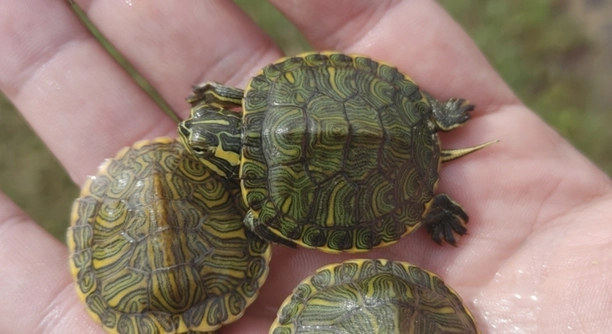
Yellow-bellied sliders are a popular pet, but understanding their diet and feeding habits can be tricky. One common question many pet owners ask is about feeding them live fish. This article will explore that topic.
Yellow-bellied sliders can eat live fish, but it’s important to ensure the fish are the right size and safe for the turtle’s health. Live fish can provide essential nutrients, but overfeeding or the wrong fish could cause health issues.
There are several factors to consider before offering live fish to your turtle, including their dietary needs and potential risks. We’ll break down the essential details to help you make the best choices for your pet’s diet.
What to Consider Before Feeding Live Fish to Yellow-Bellied Sliders
Before deciding to feed live fish to your yellow-bellied slider, it’s important to understand their nutritional needs. Live fish can provide a source of protein and other essential nutrients, but it’s crucial to balance their diet. A turtle’s health can be affected by overfeeding live prey or offering inappropriate species. You’ll need to ensure that the fish you provide are not too large, as they could lead to choking or digestion problems. Additionally, live fish should come from a safe environment to avoid exposing your turtle to harmful parasites or toxins. Keeping your turtle’s overall diet varied is also key to maintaining their health. A mix of vegetables, pellets, and occasional live prey should make up a well-rounded meal plan. Offering only live fish or too many may lead to an imbalanced diet.
The size and species of fish are important factors to keep in mind when feeding your turtle live fish. You should choose small, safe fish to avoid any risks to your slider’s health.
Overfeeding live fish can be tempting, but moderation is essential. The right amount of live fish will contribute to a balanced diet and keep your turtle’s health in check. Live fish should be offered as a treat, not a daily food source. If the fish are too large, they could lead to digestive issues or physical harm. It’s best to choose small species of fish that are easy for your turtle to consume. Fish like guppies, minnows, and small goldfish are usually safe options. Be mindful of where you get these fish to ensure they are free from diseases or contaminants that could harm your turtle. Additionally, some fish species may carry parasites, which could be harmful to both your turtle and other pets.
Potential Health Risks of Live Fish
There are several potential health risks when offering live fish to yellow-bellied sliders. If the fish are not handled properly, they can introduce harmful bacteria or parasites to your turtle. Diseases such as salmonella or tuberculosis can be spread through infected fish, so always make sure they are properly quarantined before being introduced to your turtle’s tank. Another risk comes from overfeeding live fish. While they provide protein, they should not become a primary food source. Overfeeding live fish can result in an imbalance of nutrients and excess fat, leading to health issues like obesity or poor shell condition. Furthermore, live fish can have sharp spines or bones, which could injure your turtle. Always monitor your slider while they eat, and remove any uneaten fish to avoid contamination in the tank.
Choosing the right type of live fish is essential for your turtle’s health. Avoid offering large fish or species that may be harmful. Make sure the fish are clean and free from diseases.
Types of Live Fish Safe for Yellow-Bellied Sliders
Not all fish are suitable for yellow-bellied sliders, so it’s essential to choose the right species. Safe options include small minnows, guppies, and goldfish. These fish are generally easy to digest and pose little risk when given in moderation.
Minnows are often a good choice for live fish feeding. They are small, affordable, and easy to find. They also provide a healthy source of protein and other nutrients for your turtle. Guppies are another common option that is both small and rich in nutrients. However, be mindful of their size, as they should never be too large for your turtle to swallow. Goldfish are widely available, but it’s important to avoid feeding them too often, as they are high in fat, which can lead to weight gain in your slider.
Remember that variety is key when feeding your turtle. Mixing different types of small fish ensures your slider gets a balanced diet and prevents them from becoming too reliant on one type of food. It’s also important to monitor your turtle’s health and adjust the diet if needed.
Preparing Live Fish for Your Turtle
Before offering live fish to your turtle, it’s essential to ensure they are healthy and safe. Make sure the fish are free from parasites or diseases by quarantining them for a few days before introducing them to your slider’s tank. You should also avoid wild-caught fish, as they can carry diseases or toxins from the environment. Store-bought fish are typically safer, but they still need to be inspected for any signs of illness. Clean the fish before offering them to your turtle to remove any potential harmful bacteria from the water or the fish itself.
Proper care in preparing the fish helps ensure your turtle stays healthy. Always check that the fish are appropriately sized and free from sharp spines or bones. You don’t want to risk injuring your slider while they eat. Also, don’t forget to remove any uneaten fish after feeding to avoid water contamination.
How Often Should Yellow-Bellied Sliders Eat Live Fish?
Live fish should be given to yellow-bellied sliders as an occasional treat, not as a daily food source. Overfeeding can lead to an unbalanced diet and health problems. Once or twice a week is usually enough to offer a live fish meal.
Feeding your turtle live fish too frequently can result in an overabundance of protein and fat, which is not ideal for their overall health. A varied diet consisting of vegetables, pellets, and occasional live fish ensures your slider gets the nutrients they need without overindulging in one type of food. Balance is key.
How Live Fish Affect the Turtle’s Behavior
Offering live fish can engage your turtle’s natural hunting instincts. This behavior can help keep them active and mentally stimulated. Watching your turtle chase and catch their food can be a fun and enriching experience for both of you. However, it’s important to observe their behavior carefully to ensure that the feeding process does not stress them out.
Excessive stress can affect their health, causing them to become withdrawn or agitated. It’s crucial to ensure that your turtle feels comfortable while hunting. Never force the interaction, and always monitor their responses to the live fish.
Possible Alternatives to Live Fish
If you’re hesitant to feed your slider live fish, there are alternatives. You can try offering frozen fish or feeder fish from reputable sources. Another option is using high-quality pellets that contain fish or other proteins. These can provide the same nutrients without the risks associated with live fish feeding.
FAQ
Can yellow-bellied sliders eat goldfish?
Yes, yellow-bellied sliders can eat goldfish, but they should only be fed occasionally. Goldfish are high in fat, and feeding them too often can lead to obesity and other health problems in your turtle. It’s best to offer goldfish as a treat and mix them with other types of fish for variety.
Are there any risks to feeding yellow-bellied sliders live fish?
Feeding live fish to yellow-bellied sliders can pose some risks. If the fish are not from a safe, clean source, they could carry diseases or parasites that could harm your turtle. Additionally, larger fish or fish with sharp spines could cause injury to your slider. It’s important to quarantine the fish and ensure they are appropriately sized and free from diseases.
How often should I feed my yellow-bellied slider live fish?
Live fish should be fed to your yellow-bellied slider only once or twice a week. Overfeeding live fish can lead to an imbalanced diet, with too much fat and protein. A variety of foods, including vegetables and pellets, should make up the bulk of their diet to ensure balanced nutrition.
What types of fish are best for yellow-bellied sliders?
The best types of fish for yellow-bellied sliders are small, clean fish like guppies, minnows, or small goldfish. These fish are easy to digest and provide necessary nutrients. Always ensure that the fish you feed are free from parasites and toxins and are small enough for your turtle to handle safely.
Can yellow-bellied sliders eat fish every day?
No, it’s not advisable to feed yellow-bellied sliders live fish every day. While live fish can be a great source of protein, feeding them daily may lead to an overconsumption of fat, which could affect your turtle’s health. A varied diet of vegetables, pellets, and occasional live fish is better for their long-term well-being.
Is it safe to feed yellow-bellied sliders wild-caught fish?
Feeding wild-caught fish to yellow-bellied sliders is not recommended. Wild fish can carry parasites, diseases, or environmental toxins that can be harmful to your turtle. It’s safer to buy feeder fish from a reputable source to ensure they are healthy and free from contaminants.
How do I prepare live fish for my turtle?
To prepare live fish for your yellow-bellied slider, make sure the fish are healthy and free from disease. You can quarantine the fish for a few days before offering them to ensure they are safe. Always remove any uneaten fish after feeding to avoid water contamination. Check that the fish are appropriately sized and free of sharp spines or bones to prevent injury to your turtle.
What happens if my yellow-bellied slider doesn’t eat the live fish?
If your yellow-bellied slider doesn’t eat the live fish, remove them from the tank to prevent contamination. It’s important to note that not all turtles are interested in hunting live prey, and some may prefer other foods like pellets or vegetables. If your turtle consistently refuses live fish, try offering other types of food to ensure they are eating a balanced diet.
Can yellow-bellied sliders eat fish bones?
Yellow-bellied sliders can eat fish bones, but they should be small enough to not pose a choking risk. Some fish bones can be sharp, so it’s important to monitor your turtle during feeding. Fish like minnows or guppies are small enough for your turtle to handle without issue, but larger fish with hard bones should be avoided.
What are the signs that my yellow-bellied slider is overfed with live fish?
If your yellow-bellied slider is overfed with live fish, you may notice weight gain, sluggishness, or a lack of interest in other foods. Obesity in turtles can lead to shell deformities and other health problems. To avoid overfeeding, provide a balanced diet with a variety of foods and limit live fish to occasional treats.
Can I feed my yellow-bellied slider only live fish?
It’s not advisable to feed your yellow-bellied slider only live fish. A diet consisting solely of live fish can lead to nutritional imbalances and health problems. Yellow-bellied sliders need a variety of foods, including vegetables, pellets, and occasional live fish, to ensure they get the right balance of nutrients.
How can I tell if the live fish I’m feeding are healthy?
Healthy live fish should be active, have clear eyes, and display natural coloring. Avoid fish that appear lethargic, have cloudy eyes, or show signs of lesions or abnormal growths. It’s also important to ensure that the water where the fish are kept is clean and well-maintained to prevent contamination.
Can yellow-bellied sliders eat frozen fish instead of live fish?
Yes, frozen fish can be a safer alternative to live fish. Frozen fish can provide the same nutrients without the risk of parasites or diseases. Make sure to thaw the fish before feeding them to your turtle. Frozen fish should be offered in moderation, just like live fish, to maintain a balanced diet.
Is it necessary to feed yellow-bellied sliders live fish for their diet?
No, live fish are not necessary for the diet of a yellow-bellied slider. While they can be a good source of protein and other nutrients, turtles can thrive on a diet of high-quality pellets, vegetables, and occasional treats like frozen fish or insects. Live fish are not a critical part of their diet and should be offered sparingly.
How do I prevent my turtle from eating too much live fish?
To prevent your yellow-bellied slider from eating too much live fish, control the portion sizes and offer them infrequently. You can feed live fish as a treat once or twice a week, and provide other food sources like pellets and vegetables to keep their diet balanced. Remove any uneaten fish after feeding to avoid overfeeding.
When it comes to feeding yellow-bellied sliders, live fish can be a healthy treat when offered occasionally. They provide a natural source of protein, which is beneficial for your turtle’s growth and overall well-being. However, it’s important to remember that live fish should not be the main part of their diet. Too much live fish can lead to an imbalance in nutrients and contribute to health problems like obesity or digestive issues. A healthy diet for a yellow-bellied slider should consist of a variety of foods, including vegetables, high-quality pellets, and occasional live fish or other protein sources. This balance ensures that your turtle gets all the essential nutrients it needs to stay healthy and active.
The size of the live fish is also an important factor to consider. Larger fish can pose a choking hazard, or they might be difficult for your turtle to digest. It’s essential to feed small fish that your slider can easily catch and eat without difficulty. If the fish are too large, you might need to cut them into smaller pieces. Additionally, be cautious about the source of the fish. Wild-caught fish can carry parasites, toxins, or diseases, which could harm your turtle. It’s safer to buy feeder fish from reputable stores that offer clean, healthy fish that have been properly quarantined and tested for illness. This extra precaution helps to minimize the risk of introducing harmful bacteria or parasites into your turtle’s environment.
Feeding live fish also has the potential to engage your yellow-bellied slider’s natural instincts, encouraging them to hunt and chase their food. This can be mentally stimulating and provide a form of enrichment for your turtle. However, it’s crucial to avoid making live fish the only form of entertainment or food for your turtle. The goal is to offer variety and provide a well-rounded diet that contributes to your turtle’s long-term health. So, while feeding live fish is fine in moderation, it’s essential to always prioritize a balanced and diverse feeding routine. Monitoring your turtle’s health and behavior will help ensure that they stay healthy and happy.

Hello,
If you enjoy the content that we create, please consider saying a "Thank You!" by leaving a tip.
Every little bit helps us continue crafting quality advice that supports the health, happiness, and well-being of pets around the world, for pets of all shapes, sizes, and species.
We really appreciate the kindness and support that you show us!