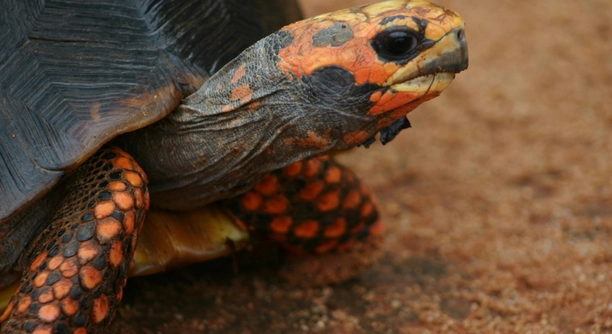
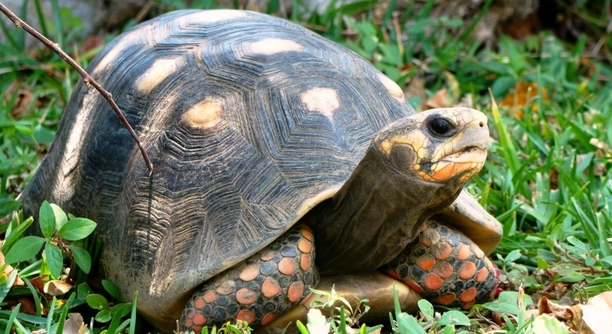
Can Red-Footed Tortoises Eat Avocado? (+Why It’s Dangerous)
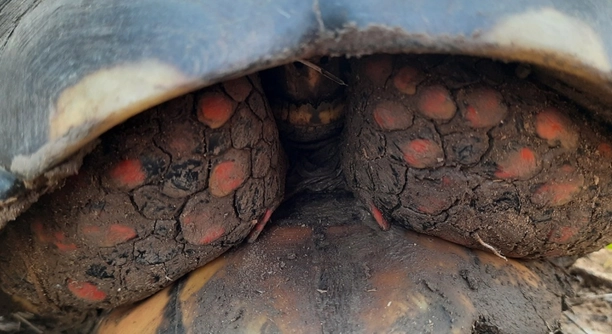
Red-footed tortoises are known for their diverse diet, but some foods can pose health risks. One such food is avocado, which contains compounds that can be harmful to them. Understanding these dangers is key to their well-being. Red-footed tortoises should not eat avocado. Avocado contains a substance called persin, which can be toxic to them. … Read more
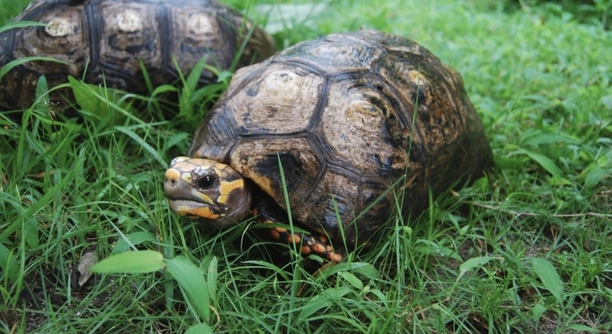
7 Ways to Make a Red-Footed Tortoise’s Shell Shinier

A red-footed tortoise’s shell is an important feature, both for its protection and appearance. Keeping it shiny can improve the tortoise’s overall health and help maintain its natural beauty. Several methods can help achieve this goal. To make a red-footed tortoise’s shell shinier, proper care and maintenance are essential. Regular cleaning, providing a healthy diet, … Read more

Why Is My Red-Footed Tortoise Always Rubbing Its Eyes?

Is your red-footed tortoise constantly rubbing its eyes, leaving you concerned about its health? Eye irritation in tortoises can stem from various factors, including environmental conditions, dietary imbalances, or potential infections that require attention. The most common reason your red-footed tortoise is rubbing its eyes is due to dryness or irritation from improper humidity levels. … Read more

7 Best Calcium Sources for Red-Footed Tortoises (+How to Use Them)

Are your red-footed tortoises getting the right amount of calcium in their diet? Proper calcium intake is essential for their bone health, shell development, and overall well-being. Without it, they may face serious health issues, including metabolic bone disease. The best calcium sources for red-footed tortoises include cuttlebone, calcium powder, eggshells, and natural foods like … Read more

How to Tell If Your Red-Footed Tortoise Is Too Fat

Red-footed tortoises are known for their unique and colorful shells, but caring for them means paying attention to their health. Maintaining a healthy weight is important for their overall well-being, and it’s crucial to spot any signs of obesity. A red-footed tortoise is considered overweight when its body shows signs of excess fat, such as … Read more

Why Does My Red-Footed Tortoise Keep Nudging Things?

Red-footed tortoises are known for their gentle personalities and unique behaviors. One common action you might notice is your tortoise nudging objects in its environment. Understanding the reasons behind this behavior can provide valuable insights into your pet’s needs and instincts. The most common reason a red-footed tortoise nudges things is due to curiosity or … Read more

7 Reasons Red-Footed Tortoises Should Have a Large Enclosure

Red-footed tortoises are unique and fascinating pets, but to keep them healthy and happy, they need a spacious environment. Their natural habitat is large, and they require a proper enclosure to thrive. A large enclosure is essential for red-footed tortoises to support their growth, natural behaviors, and well-being. Inadequate space can lead to stress, poor … Read more

7 Ways to Tell If Your Red-Footed Tortoise Is Dehydrated

Is your red-footed tortoise showing signs of sluggishness or unusual behavior? Dehydration can be a serious issue for these reptiles, affecting their health and well-being. Recognizing the signs early is essential to keeping your pet happy and thriving. The most common signs of dehydration in red-footed tortoises include sunken eyes, loss of appetite, lethargy, and … Read more