
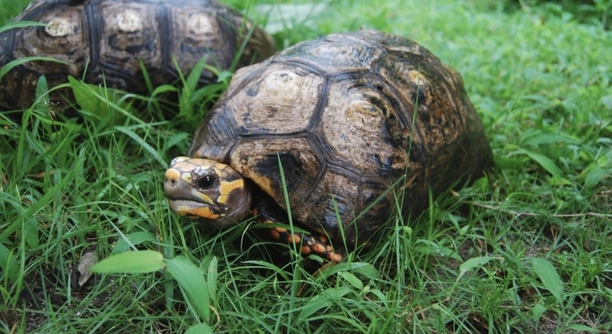
Red-footed tortoises are unique and fascinating pets, but to keep them healthy and happy, they need a spacious environment. Their natural habitat is large, and they require a proper enclosure to thrive.
A large enclosure is essential for red-footed tortoises to support their growth, natural behaviors, and well-being. Inadequate space can lead to stress, poor health, and hinder their ability to roam, bask, and explore their surroundings.
Providing the right amount of space will help create a healthy environment for your tortoise. Understanding how much room they truly need can make all the difference for their quality of life.
Space for Natural Movement
Red-footed tortoises are active creatures. In the wild, they roam large areas to search for food, bask in the sun, and interact with their surroundings. Providing a spacious enclosure allows them to move freely, just like they would in nature. When they have room to explore, they can stretch their legs, climb over logs, or burrow into the substrate. These activities are essential for their physical and mental health. Without enough space, your tortoise may feel confined and stressed, which can lead to health issues.
Even though red-footed tortoises are not fast movers, they still need ample space to exercise. Without enough room, they might become lethargic, which could contribute to poor digestion or weight gain. The larger the space, the more opportunities your tortoise will have to keep active. A small enclosure restricts natural movements, and this can directly affect their overall well-being.
A spacious environment allows red-footed tortoises to engage in activities that mimic their natural behaviors. These movements help them stay physically fit and mentally stimulated, preventing common health issues like shell deformities or stress-induced illnesses.
Temperature and Lighting Needs
The enclosure size also plays a key role in maintaining proper temperatures and light for your tortoise. A larger space allows you to create distinct zones, like warm and cool areas, to meet their temperature requirements.
Red-footed tortoises need access to both a warm basking spot and a cooler, shaded area. Inadequate space can make it challenging to maintain these temperature gradients, putting the tortoise at risk of overheating or becoming too cold. With a larger enclosure, you have the flexibility to place heat sources and UVB lights in a way that supports their natural habitat. Proper lighting and heat are crucial for their metabolism, digestion, and overall health.
Encouraging Natural Behaviors
A large enclosure allows red-footed tortoises to display natural behaviors, such as foraging and exploring. These activities are essential for their mental stimulation. When confined to a small space, these behaviors are limited, and it can lead to boredom and stress.
With plenty of room, tortoises can forage for food like they would in the wild. They are naturally curious, so they will spend their time searching for new items to investigate. A spacious enclosure can also give them areas to dig, hide, or climb, helping them feel safe and secure. These natural actions keep them active and content.
Offering a large enclosure enables your tortoise to engage in more behaviors that make them feel like they are in a natural environment. The ability to forage, bask in different areas, and find shelter can significantly improve their overall quality of life. A cramped space simply won’t allow for these essential behaviors.
Proper Diet and Space for Food
A larger enclosure makes it easier to provide a variety of food items. Red-footed tortoises thrive on a mixed diet that includes fruits, vegetables, and some protein. Having ample space means you can place food in different areas to encourage natural foraging.
When tortoises are confined to a small enclosure, their food is often placed in one spot, limiting the opportunities for natural foraging. With more space, you can place food in various areas, helping your tortoise exercise its instincts. This can prevent boredom and ensure your tortoise is eating a balanced diet. Allowing them to forage promotes physical activity, which benefits their digestion and metabolism.
A larger enclosure also helps in managing the food’s cleanliness. With extra space, you can avoid overcrowding, reducing the chances of uneaten food spoiling quickly. It’s easier to maintain food hygiene and ensure your tortoise’s meals remain fresh and healthy. This creates a better environment for proper nourishment.
Reduces Stress and Aggression
A larger enclosure can help reduce stress by providing space for your tortoise to retreat when feeling overwhelmed. Stress can lead to aggressive behavior or even health issues, so a bigger environment helps maintain calmness and balance.
When red-footed tortoises are in tight spaces, they may feel trapped, increasing their stress levels. This can lead to biting, aggressive behaviors, or even self-harm. A larger habitat gives them room to move around, find a hiding spot, and escape from any potential stressors, keeping them calm.
Healthier Shell Development
Space is important for the proper development of a red-footed tortoise’s shell. When a tortoise has room to move freely, it helps avoid pressure on its shell and prevents deformities. A cramped environment can hinder this natural growth process.
A large, open space allows your tortoise to get the exercise it needs, promoting healthier shell development. Movement ensures that their shell grows evenly and naturally, avoiding issues such as soft spots or abnormal growth patterns. Regular activity keeps the tortoise’s shell strong and prevents any future complications that might arise from lack of space.
Safe Exploration
Larger enclosures allow for safer exploration. With a spacious area, your tortoise can roam and investigate without the risk of harm. In a smaller setup, objects or obstacles may cause injury, as there is less room to move.
A large enclosure creates a safer environment for your tortoise by reducing risks like falling or bumping into sharp objects. By giving them the space they need, they can explore their surroundings more naturally, which keeps them engaged and active while reducing the chances of injury or discomfort.
FAQ
How much space does a red-footed tortoise need?
Red-footed tortoises require at least 10-20 square feet of space per tortoise, but the larger the enclosure, the better. For a single tortoise, a 4×6-foot enclosure is a good starting point. If you plan to keep more than one tortoise, you’ll need to increase the space accordingly to avoid territorial disputes. The more room they have to roam and explore, the healthier and happier they’ll be.
Can I keep a red-footed tortoise in a small aquarium or tank?
No, a small aquarium or tank is not suitable for a red-footed tortoise. These tortoises need room to roam, explore, and engage in natural behaviors. An aquarium or tank will quickly become cramped and uncomfortable, leading to stress. Enclosures that are specifically designed for tortoises, like outdoor pens or large indoor enclosures, are ideal.
What kind of bedding should I use for my tortoise’s enclosure?
For bedding, you can use materials like coconut coir, soil, or shredded paper. The key is to choose bedding that retains moisture but also dries out enough to prevent mold growth. Coconut coir is popular because it’s absorbent and safe for tortoises. Avoid using cedar or pine shavings as they can be harmful. You can also include some leaves, grass, and other natural materials to mimic the tortoise’s natural environment.
How do I set up the temperature gradient in a large enclosure?
To set up a proper temperature gradient, you should provide both a warm basking area and a cooler side in the enclosure. The warm spot should reach about 85-90°F, while the cooler area should stay around 70°F. You can use heat lamps or ceramic heat emitters for the basking area and place a UVB light for essential vitamin D3 synthesis. Use a thermometer to monitor the temperature to ensure your tortoise is comfortable in both zones.
Is it okay to keep red-footed tortoises indoors?
Yes, red-footed tortoises can live indoors as long as you provide the correct conditions. An indoor enclosure should be large enough to allow for movement and include both a warm basking area and a cooler zone. Make sure to provide UVB light, a heat source, and a suitable substrate. Indoor tortoises may also need extra humidity, especially in drier climates.
Do red-footed tortoises need UVB light?
Yes, red-footed tortoises require UVB light for their health. UVB light helps them produce vitamin D3, which is necessary for calcium absorption. Without proper UVB exposure, tortoises can suffer from metabolic bone disease and other health issues. Make sure to have a UVB light source in the enclosure, either natural sunlight or artificial UVB bulbs. The light should be replaced every 6 months as its effectiveness decreases over time.
Can I let my red-footed tortoise roam outside?
Yes, but you should only allow your red-footed tortoise to roam outside in a secure, enclosed area. They can enjoy basking in the sun and foraging for food. However, make sure the space is predator-proof and free from toxic plants or other hazards. Avoid letting your tortoise roam unsupervised as they can easily escape or get hurt.
What kind of food should I provide for my red-footed tortoise?
Red-footed tortoises are omnivores and should be fed a variety of foods. Their diet consists of leafy greens, fruits, flowers, and some protein like insects. Foods such as collard greens, dandelion leaves, and hibiscus flowers are great choices. Avoid feeding them too much high-fat food, such as avocados, and ensure their diet is varied to meet their nutritional needs.
How often should I feed my red-footed tortoise?
Young tortoises should be fed every day, while adults can be fed every other day. A good rule of thumb is to offer food once or twice a day, depending on their size and activity level. Ensure that you provide a fresh selection of food, and remove any uneaten items to maintain cleanliness in the enclosure.
Do red-footed tortoises need water in their enclosure?
Yes, red-footed tortoises need fresh water available at all times. They typically drink by soaking in a shallow dish. You should provide a large, shallow water dish that allows your tortoise to soak and drink easily. Keep the water clean and change it regularly to avoid bacterial growth. Some tortoises may enjoy soaking in the water, especially after eating, as it helps with digestion.
How can I prevent my red-footed tortoise from getting bored in a large enclosure?
To prevent boredom, provide plenty of enrichment in the enclosure. Include hiding spots, climbing areas, and different textures, such as rocks, logs, or branches. You can also place food in different areas of the enclosure to encourage foraging. Changing the setup occasionally or introducing new objects will help keep your tortoise stimulated.
What should I do if my red-footed tortoise is showing signs of stress?
If your tortoise is showing signs of stress, such as refusing food, pacing, or hiding constantly, it’s essential to evaluate its environment. Make sure the enclosure is large enough, and the temperature, humidity, and lighting are correct. Stress can also be caused by overcrowding or lack of enrichment. If the issue persists, consult with a vet who specializes in reptiles.
Final Thoughts
Providing a large enclosure for your red-footed tortoise is essential for its well-being. These tortoises are naturally active and curious, needing ample space to move around, explore, and exhibit natural behaviors. A cramped space can lead to stress, health issues, and even behavioral problems, making it crucial to give them the room they need. A larger enclosure allows for proper basking, foraging, and safe exploration. When they have enough space, they’re more likely to remain healthy, active, and content.
Not only does a large enclosure improve the tortoise’s quality of life, but it also makes it easier for you to maintain the correct temperature and humidity levels. Red-footed tortoises require a well-regulated environment, with a warm basking area and a cooler zone. A larger space gives you the flexibility to set up these areas properly, ensuring the tortoise has access to both warmth and shade. With the right setup, you can also ensure they get proper UVB lighting, which is vital for their health.
Taking care of a red-footed tortoise is a responsibility, and offering a large, well-maintained enclosure is a crucial part of it. While it may require more effort and space, the benefits for your tortoise will be worth it. A larger environment will reduce stress, prevent health problems, and allow your tortoise to thrive. By investing in a spacious and enriched habitat, you’re providing your tortoise with the best chance for a long, healthy, and happy life.

Hello,
If you enjoy the content that we create, please consider saying a "Thank You!" by leaving a tip.
Every little bit helps us continue crafting quality advice that supports the health, happiness, and well-being of pets around the world, for pets of all shapes, sizes, and species.
We really appreciate the kindness and support that you show us!