
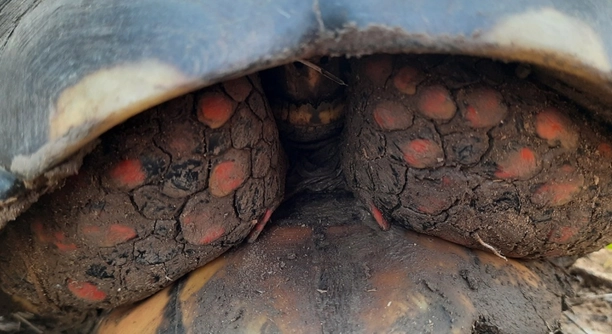
Is your red-footed tortoise constantly rubbing its eyes, leaving you concerned about its health? Eye irritation in tortoises can stem from various factors, including environmental conditions, dietary imbalances, or potential infections that require attention.
The most common reason your red-footed tortoise is rubbing its eyes is due to dryness or irritation from improper humidity levels. Other causes include substrate dust, vitamin A deficiency, or infections that can lead to discomfort and frequent eye rubbing.
Understanding these causes will help you identify the issue and take the right steps to keep your tortoise comfortable and healthy.
Common Reasons for Eye Rubbing
Red-footed tortoises often rub their eyes due to environmental factors. Low humidity can cause dryness, leading to irritation. Dusty substrates or bedding materials may also contribute to discomfort. Additionally, debris from food or enclosure elements can get into their eyes, triggering a rubbing response. Addressing these factors can help prevent further irritation.
Vitamin A deficiency is another common issue. Without enough vitamin A, a tortoise’s eyes may become swollen or produce excess mucus. This condition can make rubbing more frequent. A balanced diet with leafy greens and vegetables can help maintain proper eye health and prevent deficiencies.
Infections or respiratory issues may also lead to eye problems. If rubbing is persistent, look for other symptoms like swelling, discharge, or difficulty breathing. Bacterial or fungal infections may require veterinary care. Identifying the root cause early can prevent complications and keep your tortoise comfortable.
How to Prevent Eye Irritation
Maintaining proper humidity is essential. Red-footed tortoises need humidity levels around 70–80% to keep their eyes moist. Use a hygrometer to monitor humidity and mist the enclosure as needed.
A clean habitat also plays a role in preventing irritation. Choose a dust-free substrate, such as coconut coir or cypress mulch, to reduce airborne particles. Avoid materials that can dry out the eyes, like sand or wood shavings. Regular cleaning helps minimize irritants and keeps the enclosure safe.
A well-balanced diet supports overall health. Offer dark leafy greens, carrots, and squash to provide essential nutrients. Ensure fresh water is available at all times. If symptoms persist despite environmental adjustments, consult a veterinarian. Prompt care can prevent minor issues from becoming serious concerns.
Signs That Indicate a Serious Issue
If your tortoise’s eyes appear swollen, red, or produce discharge, the issue may be more than just irritation. Excessive blinking, lethargy, and loss of appetite can also signal an underlying health problem. Observing these symptoms early can help prevent further complications.
Infections are a common cause of persistent eye issues. Bacterial and fungal infections can develop from unclean environments or poor humidity control. If your tortoise’s eyes remain closed for long periods, or if there is a thick discharge, medical intervention may be necessary. A vet may prescribe antibiotic or antifungal treatments to clear the infection. Keeping the enclosure clean and at proper humidity levels helps prevent these issues.
Respiratory infections can also cause eye problems. If your tortoise is wheezing, has nasal discharge, or struggles to breathe, a respiratory issue may be present. These infections can spread quickly and worsen without treatment. Providing warmth and veterinary care can improve recovery.
When to See a Veterinarian
If your tortoise’s eye rubbing continues despite improving humidity and cleanliness, a vet visit is necessary. Symptoms like swelling, cloudiness, or persistent discharge require professional evaluation. Early treatment can prevent long-term damage and discomfort. Catching infections or deficiencies early improves recovery chances.
A veterinarian will examine the eyes, check for infections, and assess overall health. They may recommend eye drops, antibiotics, or dietary changes. Diagnostic tests, such as swabs or blood work, help identify underlying causes. Following the vet’s recommendations ensures effective treatment. Proper hydration, nutrition, and enclosure conditions support recovery.
Regular check-ups help prevent recurring eye issues. Monitoring behavior, adjusting humidity, and maintaining a clean habitat reduce the risk of future problems. Consistent care keeps your tortoise healthy and comfortable.
Adjusting the Enclosure for Better Eye Health
Humidity should stay between 70–80% to prevent dryness and irritation. Use a hygrometer to monitor levels and mist the enclosure if needed. A shallow water dish allows natural soaking, keeping the eyes hydrated. Proper moisture control supports overall health and reduces the risk of recurring eye problems.
Lighting and temperature also play a role in eye health. UVB lighting helps with vitamin absorption, preventing deficiencies that can lead to eye issues. The basking area should stay around 90°F, while the cooler side should be closer to 75°F. A stable, well-lit environment promotes eye and immune system health.
Choosing the Right Substrate
The right substrate prevents dust-related irritation. Coconut coir and cypress mulch help maintain humidity while minimizing airborne particles. Avoid sand, wood shavings, or dusty materials that can dry out the eyes. A soft, clean surface creates a comfortable and safe environment for your tortoise.
Final Considerations
Regular enclosure maintenance prevents eye irritation. Cleaning water bowls, removing waste, and refreshing substrate keep bacteria and debris under control. A clean, well-maintained habitat supports eye health and overall well-being.
FAQ
Why does my red-footed tortoise rub its eyes?
Eye rubbing in red-footed tortoises often results from environmental factors like low humidity or dusty substrates. It may also indicate eye irritation from debris or food particles. Eye rubbing could also point to an infection, vitamin A deficiency, or respiratory problems. Observing your tortoise for other signs of discomfort, such as lethargy or appetite loss, will help pinpoint the issue.
How do I treat eye irritation in my tortoise?
If your tortoise’s eyes are irritated, first ensure the humidity in its enclosure is within the optimal range of 70–80%. You can mist the enclosure or place a shallow water dish for soaking. If the irritation continues, clean the enclosure to remove any dust or particles. For more serious issues like swelling, discharge, or difficulty opening eyes, a veterinarian’s guidance may be needed. They may recommend eye drops or antibiotics depending on the cause.
Can a vitamin A deficiency cause eye problems?
Yes, a vitamin A deficiency is a common cause of eye issues in tortoises. Without enough vitamin A, the eyes may become swollen, dry, or produce excess mucus. To prevent this, provide your tortoise with leafy greens like collard greens, dandelion greens, and vegetables like carrots and squash. These foods are rich in vitamin A and can help maintain proper eye health.
Is it normal for my tortoise to have discharge from its eyes?
Clear discharge is normal occasionally, especially if the tortoise is shedding or has mild irritation. However, thick, yellow, or green discharge may indicate an infection. If the discharge persists, it is essential to consult a veterinarian for proper diagnosis and treatment. An untreated infection can lead to more severe health problems.
How do I know if my tortoise has an eye infection?
If your tortoise’s eyes are swollen, red, or producing thick discharge, it may have an infection. A change in behavior, such as lethargy or difficulty opening the eyes, is also a sign. An infection may be bacterial or fungal and requires veterinary attention. Early treatment ensures a quicker recovery.
Can respiratory infections affect my tortoise’s eyes?
Yes, respiratory infections can cause eye problems. Tortoises with respiratory issues may have nasal discharge, wheezing, or labored breathing. These infections can lead to swollen, watery eyes as well. A veterinarian can prescribe antibiotics or other treatments to address both the respiratory and eye problems. Keeping the enclosure clean and well-ventilated helps prevent respiratory issues.
What is the best humidity level for my tortoise’s enclosure?
For red-footed tortoises, the humidity should remain between 70–80%. This helps prevent dry eyes and promotes overall health. You can use a hygrometer to monitor the humidity level. Misting the enclosure regularly or adding a shallow water dish can help maintain these levels. Humidity is crucial to prevent eye irritation and other health problems.
How can I tell if my tortoise is dehydrated?
Dehydration in tortoises can cause dry eyes, lethargy, and reduced appetite. If your tortoise’s skin appears shriveled or its eyes are sunken, these are signs of dehydration. Ensure fresh water is always available, and consider soaking your tortoise in warm water to help hydrate it. Hydration is essential for its overall well-being.
What type of substrate is best for a red-footed tortoise?
Coconut coir and cypress mulch are ideal substrates for red-footed tortoises because they help maintain humidity and are soft on their feet. Avoid sand or dusty materials, as they can dry out the eyes and cause irritation. A clean substrate also helps prevent the buildup of bacteria and parasites.
Can eye irritation be caused by the food my tortoise eats?
While the food itself is unlikely to directly cause eye irritation, food debris or dust from dried vegetables can irritate the eyes. Ensure you clean any uneaten food from the enclosure promptly. Avoid feeding your tortoise foods that are too hard or sharp, as these can also cause physical irritation to the eyes.
How often should I clean my tortoise’s enclosure?
You should clean your tortoise’s enclosure regularly to prevent the buildup of waste and bacteria that can contribute to eye and health problems. A deep cleaning should be done every couple of weeks, with spot cleaning of feces and uneaten food daily. Regular cleaning helps keep the environment safe and healthy.
Can a dirty water bowl cause eye irritation?
Yes, a dirty water bowl can introduce bacteria and contaminants, leading to potential eye irritation or infections. Always ensure your tortoise has access to clean water. Regularly change the water and clean the bowl to avoid bacterial growth. Clean water is essential for maintaining your tortoise’s health and preventing eye problems.
Is it safe to use eye drops on my tortoise?
If your tortoise is experiencing mild eye irritation, a veterinarian may recommend eye drops specifically designed for reptiles. Never use human eye drops, as they may contain harmful ingredients. Always consult a vet before applying any medication to ensure it is safe and appropriate for your tortoise’s condition.
What should I do if my tortoise’s eyes are closed?
If your tortoise’s eyes are closed for an extended period, it could indicate an infection or significant irritation. Gently check the eyes for any discharge or swelling. If the eyes remain shut, seek veterinary care. The vet may recommend cleaning the eyes or administering medications to address the issue.
Can stress cause eye rubbing in tortoises?
Stress can contribute to eye rubbing in tortoises, especially if their environment is too noisy, overcrowded, or lacks hiding spots. Stress may also result from sudden changes in temperature or humidity. Ensure your tortoise has a calm and secure environment to reduce stress and prevent eye issues.
How can I prevent eye problems in my tortoise?
To prevent eye problems, maintain proper humidity, provide a clean and safe environment, and ensure a balanced diet. Regularly monitor your tortoise’s behavior and look for early signs of discomfort. Clean its enclosure frequently and ensure proper hydration. Regular check-ups with a veterinarian can also help catch any potential issues early.
Final Thoughts
Eye problems in red-footed tortoises are often the result of environmental factors, poor diet, or underlying health issues. It’s essential to keep their habitat clean, well-maintained, and properly humidified to reduce the risk of eye irritation and infections. A consistent routine of cleaning the enclosure and providing fresh water will go a long way in preventing many common eye-related issues. Additionally, a diet rich in vitamin A is vital for maintaining healthy eyes. Offering a variety of leafy greens and vegetables, along with proper supplementation if needed, can help support your tortoise’s overall health.
If you notice persistent symptoms like eye rubbing, discharge, or swelling, it’s crucial to address the issue promptly. A quick response can help prevent minor problems from escalating into more serious health concerns. Whether it’s adjusting the humidity in the enclosure, changing the diet, or seeking professional veterinary care, early intervention is key. Regular observation of your tortoise’s behavior and appearance can help you spot signs of trouble early on, allowing for a quicker resolution and a healthier tortoise.
In summary, keeping your red-footed tortoise’s environment stable and offering a balanced diet are fundamental steps in preventing eye problems. Should symptoms appear, addressing them quickly can save your tortoise from further discomfort. With proper care, attention, and regular check-ups, your tortoise can enjoy a long, healthy life free from eye-related concerns. Taking simple precautions and staying proactive will make all the difference in maintaining your tortoise’s overall well-being.

Hello,
If you enjoy the content that we create, please consider saying a "Thank You!" by leaving a tip.
Every little bit helps us continue crafting quality advice that supports the health, happiness, and well-being of pets around the world, for pets of all shapes, sizes, and species.
We really appreciate the kindness and support that you show us!