Can Red-Footed Tortoises Eat Bell Peppers? (+Which Colors Are Best)

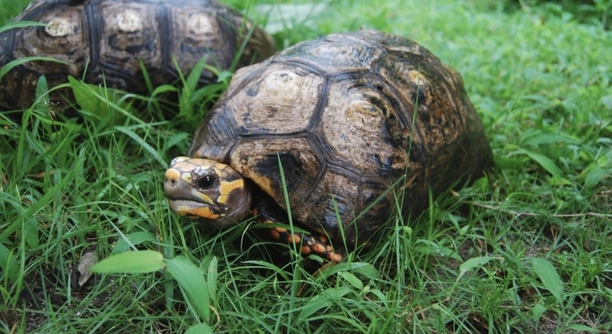
Red-footed tortoises enjoy a varied diet, and bell peppers are among the many vegetables they can safely eat. These vibrant peppers offer essential nutrients for your pet, making them a healthy snack option. Red-footed tortoises can eat bell peppers, including red, orange, and yellow varieties. These peppers are rich in vitamins, especially vitamin C, which … Read more

7 Signs Your Red-Footed Tortoise Might Be Overweight

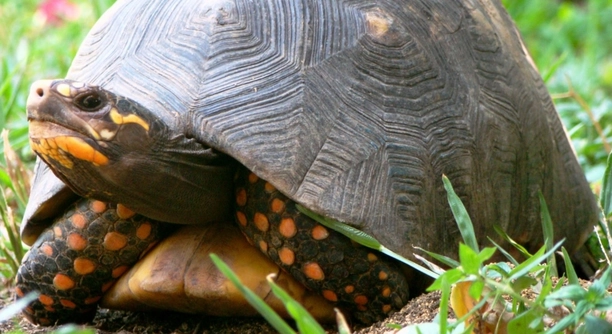
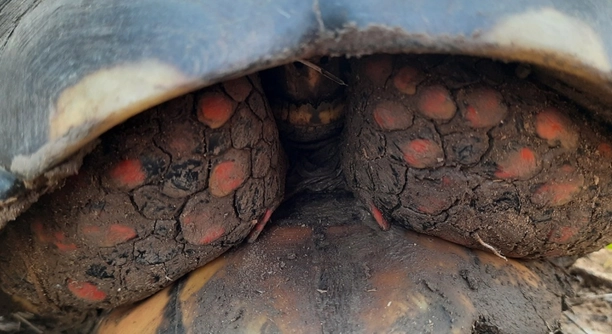
Red-footed tortoises are popular pets known for their gentle nature and unique appearance. Like all pets, maintaining a healthy weight is crucial for their overall well-being. It’s important to monitor their diet and activity levels regularly. Overweight red-footed tortoises often exhibit certain signs, such as sluggishness, difficulty moving, and an enlarged body. Their shell may … Read more

Why Is My Red-Footed Tortoise Ignoring Its Food?

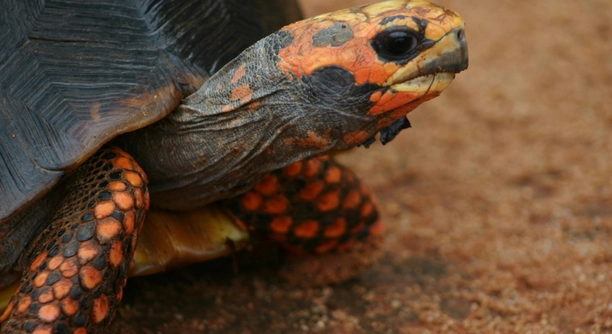
A red-footed tortoise may occasionally ignore its food, which can be concerning for owners. Understanding the reasons behind this behavior is key to helping your tortoise regain its appetite and stay healthy. Several factors can lead to a red-footed tortoise ignoring its food. These include environmental changes, improper temperature, stress, or dietary imbalances. Ensuring proper … Read more

7 Ways to Tell If Your Red-Footed Tortoise Is Bored

Red-footed tortoises are social and active creatures that thrive on stimulation and care. When they feel neglected or bored, their behavior may change, and this can affect their overall well-being. Recognizing the signs of boredom is important. The key indicators of boredom in red-footed tortoises include reduced movement, lack of interest in food, and increased … Read more

7 Best Ways to Reduce Humidity in a Red-Footed Tortoise Enclosure

Maintaining the right humidity level in a red-footed tortoise enclosure can be tricky. Proper humidity is essential for their health, and knowing how to balance it can make a significant difference in their overall well-being. The best ways to reduce humidity in a red-footed tortoise enclosure involve adjusting the enclosure’s ventilation, substrate, and water sources. … Read more

Why Does My Red-Footed Tortoise Keep Sitting in Its Water Dish?

Red-footed tortoises are fascinating creatures, and their behaviors can sometimes leave us wondering. If your tortoise seems to be spending an unusual amount of time in its water dish, you might be curious about what’s going on. A red-footed tortoise sitting in its water dish is typically a sign of needing hydration, thermoregulation, or relief … Read more

7 Signs Your Red-Footed Tortoise Is Too Cold

Red-footed tortoises are unique creatures, requiring specific care to stay healthy and happy. One crucial factor in their well-being is maintaining the right temperature. When the environment gets too cold, it can affect their health and behavior. Cold temperatures can lead to lethargy, loss of appetite, and even health issues in red-footed tortoises. These signs … Read more

Can Red-Footed Tortoises Eat Garlic? (+Why It’s Harmful)

Red-footed tortoises are known for their unique dietary habits, but not all foods are safe for them. It’s important to know which foods are harmful to their health and which ones promote well-being. Red-footed tortoises should not eat garlic. Garlic contains compounds that can be toxic to tortoises, potentially causing digestive issues, organ damage, and … Read more

7 Best Hiding Spots to Include in a Red-Footed Tortoise Habitat

Red-footed tortoises are fascinating creatures that need a safe, comfortable habitat to thrive. One of the most important elements of their home is having various hiding spots to make them feel secure. These spots provide shelter and allow them to retreat when needed. The best hiding spots for red-footed tortoises should offer both protection and … Read more