
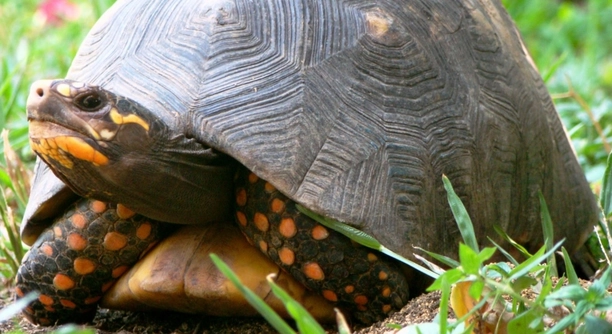
Red-footed tortoises are fascinating creatures with unique dietary needs. As a pet owner, you might wonder which foods are safe for them to enjoy. Knowing the right foods can ensure your tortoise stays healthy and happy.
Red-footed tortoises can eat tomatoes in moderation. Tomatoes are not toxic, but they should be given sparingly due to their acidity and high water content. Overfeeding tomatoes can cause digestive issues or an imbalance in their diet.
While tomatoes are safe in small amounts, it’s important to understand how much and how often to offer them. Keep reading to learn about feeding your tortoise safely and the right balance of foods to keep them thriving.
Why Tomatoes Should Only Be Given in Moderation
Tomatoes can be a tasty treat for red-footed tortoises, but they shouldn’t make up a large part of their diet. The fruit contains high amounts of acid, which, in excess, can cause digestive problems. Feeding your tortoise too many tomatoes can lead to soft stools or even diarrhea. Additionally, the high water content may affect their overall hydration and gut balance.
While tomatoes are not toxic to red-footed tortoises, they should be offered as a small part of a larger, balanced diet. Moderation is key when it comes to feeding them fruits like tomatoes.
Tomatoes can be a fun addition to your tortoise’s meals, but they shouldn’t be the focus. Your tortoise thrives best with a variety of foods such as leafy greens, vegetables, and other fruits. This will ensure they get the full range of nutrients necessary for good health. Always remove any uneaten tomatoes to prevent spoilage, and keep their meals fresh and balanced.
Other Fruits Safe for Red-Footed Tortoises
Fruits like strawberries, mangoes, and papayas can be a better option than tomatoes. These fruits offer nutrients and vitamins that help your tortoise stay healthy, without the high acidity that tomatoes bring.
Red-footed tortoises do well with a variety of fruits in their diet. While some fruits, such as apples and bananas, can be enjoyed occasionally, it’s essential to remember that fruits should only complement their main diet, which should include leafy greens and vegetables. Always wash the fruits thoroughly before feeding them to your tortoise to remove pesticides or chemicals.
Providing your red-footed tortoise with a mix of fruits, vegetables, and high-fiber foods ensures that they stay healthy and active. You should focus on giving your pet a balanced, nutrient-dense diet. By doing so, you’re giving your tortoise everything they need to thrive. Keep in mind that while fruits are delicious, they are high in sugar and should not be overfed.
Risks of Overfeeding Tomatoes
Feeding red-footed tortoises too many tomatoes can cause stomach upset and diarrhea. The high acidity can irritate their digestive system. Over time, excessive amounts of acidic food can lead to an imbalance in their diet, affecting their overall health.
The excess water in tomatoes can also interfere with the tortoise’s digestion. When given too much, the fruit can dilute the necessary nutrients from other foods, leaving your tortoise lacking essential vitamins and minerals. This can negatively impact their immune system and lead to long-term health issues. It’s crucial to maintain balance in their diet, offering tomatoes sparingly.
While tomatoes might be tempting to offer frequently, it’s important to consider the potential risks. Incorporating too many acidic foods can affect your tortoise’s health, especially their gut and hydration balance. Stick to a variety of appropriate fruits and vegetables to provide essential nutrients. Your tortoise’s diet should focus on consistency and balance.
How to Properly Feed Tomatoes to Your Tortoise
If you choose to give your tortoise tomatoes, remove the skin and seeds. This will help reduce the acidity and avoid digestive issues. Cut the fruit into small, manageable pieces to make it easier for your tortoise to eat.
When feeding tomatoes, always give them in moderation. One or two small pieces once in a while should be enough. It’s important to offer other foods alongside tomatoes, such as leafy greens, squash, and bell peppers, to ensure a well-rounded diet. Always keep a close eye on your tortoise’s reaction after eating tomatoes. If you notice any digestive upset, discontinue the fruit and adjust the diet.
Make sure tomatoes are a treat and not a staple of your red-footed tortoise’s diet. Their main meals should consist of high-fiber foods that support their digestive health. This will ensure your tortoise gets the nutrients they need to stay active and healthy. Regularly change up the diet to prevent them from getting too accustomed to any one food item.
Signs of Digestive Issues in Tortoises
If your red-footed tortoise begins to experience soft stools or diarrhea after eating tomatoes, it’s a sign that they may have had too much. A healthy tortoise should have firm, well-formed stools, and any change should be monitored closely.
Excessive consumption of tomatoes can irritate the digestive system, leading to discomfort. If you notice your tortoise becoming lethargic or having trouble passing waste, it could be due to an imbalance in their diet. Monitor their food intake and ensure they are eating a variety of appropriate, safe foods. If symptoms persist, consult with a veterinarian.
Best Vegetables for Red-Footed Tortoises
Leafy greens like kale, collard greens, and dandelion greens should be included in your tortoise’s daily meals. These provide essential fiber and vitamins, supporting their overall health. Avoid giving them too much lettuce, especially iceberg lettuce, as it has little nutritional value.
Vegetables like zucchini, bell peppers, and squash are also safe and healthy options for red-footed tortoises. These vegetables are hydrating and packed with nutrients. Offer them in combination with leafy greens for variety and to ensure a balanced diet. Rotate vegetables frequently to keep things interesting for your tortoise.
How to Avoid Overfeeding
To avoid overfeeding tomatoes or any other food, keep portions small. You can measure out the food in small amounts and observe your tortoise’s appetite. Removing any uneaten food after a couple of hours helps prevent overconsumption and ensures freshness.
FAQ
Can red-footed tortoises eat tomatoes every day?
No, red-footed tortoises should not eat tomatoes every day. Tomatoes are acidic, and eating them too frequently can upset their stomach and cause digestive issues like diarrhea. They should be given as an occasional treat rather than a regular part of their diet. A small portion once or twice a week is usually fine.
Are tomatoes safe for baby red-footed tortoises?
Tomatoes can be safe for baby red-footed tortoises, but they should be introduced with caution. Baby tortoises are more sensitive to their food, and their digestive systems are still developing. Offer tomatoes in moderation, and ensure they are part of a varied diet with plenty of leafy greens and vegetables.
How often can I feed tomatoes to my red-footed tortoise?
Tomatoes should only be given to red-footed tortoises once or twice a week, no more than that. This helps ensure your tortoise gets a balanced diet without overloading their system with too much acidity or sugar. Stick to small portions and always offer other foods that provide more nutrients.
Can tomatoes cause kidney problems in red-footed tortoises?
Tomatoes are not directly linked to kidney problems in red-footed tortoises, but feeding them in excess may lead to dehydration due to their high water content. Dehydration can stress the kidneys, so it’s important to avoid overfeeding tomatoes and maintain a balanced diet with proper hydration from fresh greens and vegetables.
What other fruits can red-footed tortoises eat?
Red-footed tortoises can eat a variety of fruits, such as mangoes, papayas, strawberries, and bananas. These fruits are safe in moderation and offer a range of vitamins and nutrients. Always remove any seeds or pits that could be harmful. Stick to low-acid fruits to prevent digestive upset.
Are there any fruits red-footed tortoises should avoid?
Yes, there are some fruits red-footed tortoises should avoid. Citrus fruits, such as oranges and lemons, are too acidic and can cause stomach issues. Grapes, while safe, should only be given occasionally due to their high sugar content. Also, avoid offering fruits with pits or seeds that can be toxic, like cherries.
Can I feed my tortoise tomatoes with the skin and seeds?
It’s better to avoid feeding red-footed tortoises tomatoes with the skin and seeds. The skin can be difficult to digest and may cause discomfort, while the seeds could be a choking hazard. To make tomatoes safer, remove the skin and seeds before offering them to your tortoise.
How do I know if my tortoise is overfed with tomatoes?
Signs that your tortoise has been overfed with tomatoes include loose stools, diarrhea, or a general lack of appetite. If your tortoise seems lethargic or shows signs of discomfort, such as straining to pass waste, it’s a sign that their diet may need adjustment. If symptoms persist, consult a veterinarian.
Can feeding tomatoes to my tortoise make it sick?
Feeding tomatoes in moderation generally won’t make your tortoise sick, but giving them too many can lead to digestive upset. Tomatoes contain high levels of acidity and water, which, in large quantities, may lead to diarrhea, dehydration, or stomach discomfort. Always give tomatoes sparingly and monitor your tortoise’s health closely.
What’s the best way to feed tomatoes to my red-footed tortoise?
The best way to feed tomatoes to your red-footed tortoise is to cut them into small pieces, remove the seeds, and serve them as an occasional treat. Always ensure that tomatoes are part of a well-rounded diet, primarily consisting of leafy greens, vegetables, and other fruits that are safer for regular consumption.
Should I stop feeding my tortoise tomatoes if it has diarrhea?
If your tortoise has diarrhea after eating tomatoes, it’s a sign that it may have been overfed. It’s best to stop feeding tomatoes temporarily and offer other easily digestible foods like leafy greens and squash. If diarrhea persists, a visit to the vet is recommended to rule out any other underlying issues.
Final Thoughts
Feeding your red-footed tortoise tomatoes can be a fun and tasty treat for them, but it’s important to be cautious. While tomatoes are not toxic to tortoises, they are high in acidity and water, which can cause digestive issues if given too often. Offering tomatoes in small amounts, once or twice a week, is the best approach to ensure they enjoy this fruit safely. Remember, a balanced diet made up of mainly leafy greens, vegetables, and other appropriate fruits is key to your tortoise’s health.
Tomatoes should never make up a large portion of your tortoise’s diet. Overfeeding can lead to upset stomachs and other health issues, such as diarrhea. It’s important to monitor your tortoise’s reaction after feeding them tomatoes and adjust accordingly. If your tortoise seems to have trouble digesting them or develops any signs of discomfort, it’s best to limit or stop feeding them tomatoes altogether. Additionally, always remove any uneaten food promptly to prevent spoilage, which could harm your tortoise’s health.
Ultimately, providing your red-footed tortoise with a variety of foods will help keep them healthy and happy. While tomatoes can be part of their diet in moderation, focusing on leafy greens, vegetables, and other safe fruits will give them the nutrients they need for a long and thriving life. Always ensure that their diet is balanced, and consult with a veterinarian if you’re unsure about any food choices. A well-rounded diet will support your tortoise’s overall well-being and keep them active and vibrant.

Hello,
If you enjoy the content that we create, please consider saying a "Thank You!" by leaving a tip.
Every little bit helps us continue crafting quality advice that supports the health, happiness, and well-being of pets around the world, for pets of all shapes, sizes, and species.
We really appreciate the kindness and support that you show us!