
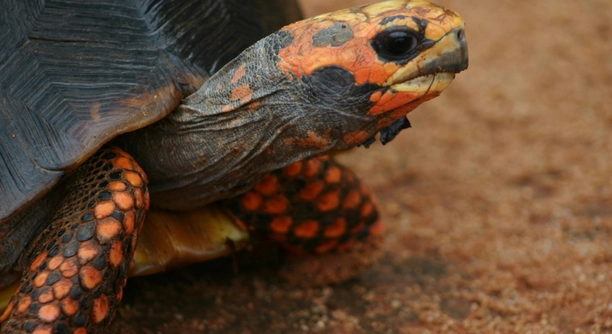
Maintaining the right humidity level in a red-footed tortoise enclosure can be tricky. Proper humidity is essential for their health, and knowing how to balance it can make a significant difference in their overall well-being.
The best ways to reduce humidity in a red-footed tortoise enclosure involve adjusting the enclosure’s ventilation, substrate, and water sources. Ensuring proper airflow, reducing water retention, and controlling misting systems can help maintain a balanced environment.
By understanding these steps, you can create a comfortable environment for your tortoise, ensuring it thrives. We’ll guide you through simple and effective methods to help you manage the humidity in their habitat.
1. Adjust Ventilation to Control Humidity
One of the simplest ways to manage humidity is by ensuring your tortoise enclosure has good ventilation. Poor airflow can lead to excessive moisture buildup, causing the humidity to rise. A well-ventilated enclosure prevents moisture from lingering in the air and helps regulate the temperature. Proper air circulation is essential to avoid stagnant air that can make the environment too humid.
Increasing the ventilation can be as easy as adding more mesh areas or increasing the size of ventilation holes in the enclosure. This allows air to flow freely and reduces moisture retention.
Remember, red-footed tortoises need a balance between humidity and airflow. If you notice the enclosure feeling too damp, open up ventilation or add a small fan to promote airflow. Just be careful not to make the enclosure too dry. Finding the right balance ensures the tortoise remains comfortable and healthy.
2. Use the Right Substrate
The substrate in your tortoise’s enclosure plays a big role in moisture control. Some materials, like coconut coir or sphagnum moss, tend to hold moisture longer. While this can help maintain humidity, it can also lead to problems if it’s not monitored.
Choosing a substrate that doesn’t retain too much moisture is crucial for reducing humidity. Look for dry, absorbent materials that can manage the right level of moisture. Adding a layer of dry substrate to the bottom helps avoid excess humidity buildup.
For best results, change the substrate regularly to avoid mold growth and keep the humidity levels in check. You don’t want to make the enclosure too damp, so ensure the substrate is moist but not wet.
3. Limit Misting and Water Sources
Excess water sources and frequent misting can raise the humidity in your tortoise’s enclosure. While red-footed tortoises require a bit of humidity, too much can lead to problems such as respiratory issues or skin irritation.
Water bowls should be kept small and monitored. Excess water can quickly cause humidity levels to rise uncontrollably, especially if the enclosure isn’t well-ventilated. Instead of misting often, consider using a humidity gauge to check the moisture levels before adjusting them.
If you need to increase humidity, do so gradually and only when necessary. Mist lightly once in a while, but avoid overdoing it. Maintaining a consistent moisture level prevents spikes in humidity that could stress your tortoise.
4. Control the Temperature
Temperature and humidity go hand in hand. A high temperature can increase the humidity levels, making the environment uncomfortable for your red-footed tortoise. To reduce excess moisture, ensure the enclosure maintains a steady, appropriate temperature.
A reliable way to control both temperature and humidity is by using a thermostat or heating element. Setting a comfortable temperature between 75°F to 85°F is ideal for red-footed tortoises. This temperature range helps prevent the environment from becoming too humid.
By carefully adjusting both the temperature and humidity, you create an optimal living space for your tortoise. Balancing these elements ensures a healthy, comfortable habitat where your tortoise can thrive.
5. Remove Excess Water from the Enclosure
Excess water can contribute to high humidity levels in the enclosure. It’s important to remove any standing water regularly, whether it’s from a water bowl, misting, or leftover moisture in the substrate.
Ensure that water bowls are emptied and cleaned daily. If you notice any damp spots on the floor or substrate, dry them off promptly to keep the humidity under control. Allowing water to accumulate, especially if the enclosure isn’t well-ventilated, can quickly cause humidity to spike. A dry environment is just as essential as a humid one for your tortoise’s health.
By taking simple steps like drying off excess water, you can keep humidity at a comfortable level. This also prevents the growth of mold and bacteria, which could harm your tortoise. Keep the water to a minimum and clean up spills immediately.
6. Add Dehumidifying Materials
Adding dehumidifying materials can help reduce humidity in your red-footed tortoise enclosure. Certain materials, like silica gel or activated charcoal, can help absorb moisture and lower humidity levels. These materials are non-toxic and safe to use, making them ideal for tortoise enclosures.
Dehumidifying products work by pulling excess moisture from the air and keeping the environment more stable. Use them strategically in areas where humidity tends to be higher, such as near the water bowl or in corners where moisture accumulates. These materials are easy to replace when they become saturated.
It’s important not to overdo it. Dehumidifying materials should be used as a supplement, not the sole solution. Balance them with ventilation and substrate choices to maintain the right level of humidity. Make sure the tortoise has access to a humid area if needed, especially for soaking.
7. Use a Hygrometer to Monitor Humidity
A hygrometer is essential for keeping track of humidity levels in your tortoise’s enclosure. It helps you measure how much moisture is in the air and gives you an accurate reading so you can make necessary adjustments.
By regularly checking the humidity levels with a hygrometer, you’ll know exactly when to make changes, like adjusting ventilation or removing excess water. This prevents the environment from becoming too humid or dry, ensuring that your red-footed tortoise remains comfortable.
Investing in a good hygrometer helps maintain a stable habitat, preventing both stress and health problems in your tortoise.
8. Limit Frequent Watering
Watering too often can raise the humidity in the enclosure, especially if the substrate or ventilation system can’t handle the moisture. Stick to a schedule for watering your tortoise’s plants or adding water to the enclosure.
Overwatering can cause the air to feel muggy and can lead to mold growth. Be mindful of how much water is added at any given time. Allow the moisture to naturally absorb into the substrate rather than saturating it with water. Too much water can make it difficult to control humidity.
FAQ
What is the ideal humidity level for a red-footed tortoise enclosure?
The ideal humidity level for a red-footed tortoise enclosure is between 70% and 80%. This range mimics their natural environment, which is humid but not overly damp. Humidity that is too high can lead to respiratory issues or skin problems, while too little humidity can cause dehydration and other health concerns. It’s essential to monitor and adjust humidity regularly to keep it within the safe range.
How do I know if the humidity is too high for my tortoise?
You can tell the humidity is too high if you notice condensation forming inside the enclosure or if the substrate remains constantly wet. Excess moisture can also cause mold growth, which could harm your tortoise. In extreme cases, you might observe your tortoise breathing heavily or showing signs of skin irritation. A hygrometer will help keep track of humidity, and it’s always a good idea to adjust ventilation or reduce water sources if the levels are too high.
Can I use a misting system to control humidity?
Yes, misting systems can be used, but they should be carefully monitored. If you over-mist the enclosure, the humidity can quickly rise to unsafe levels. It’s best to mist lightly once a day or every couple of days, depending on the humidity levels already in the enclosure. Using a hygrometer to check moisture levels after misting can help prevent over-humidification.
How can I reduce humidity without reducing humidity in the entire enclosure?
To reduce humidity in specific areas, increase ventilation in those parts of the enclosure. Adding a small fan or opening ventilation holes near the moist areas can help. Another option is adjusting the water source, such as using smaller water bowls or making sure the substrate near the water stays dry. It’s all about balance: you can reduce excess humidity in one part while still maintaining the necessary levels in the rest of the enclosure.
Should I remove the water bowl to reduce humidity?
Removing the water bowl is not a good idea, as your tortoise needs access to clean water at all times. Instead, focus on controlling the humidity by managing the amount of water used in the enclosure. Use smaller, shallow water dishes and clean them regularly. If you find that humidity is consistently too high, you can try adding a dehumidifying material around the water dish to absorb excess moisture.
How can I maintain humidity without over-watering the substrate?
Maintaining humidity without over-watering the substrate requires finding a balance. Instead of soaking the entire substrate, try lightly spraying it or using a humidifier in the enclosure. Choose substrates that can hold moisture without staying constantly wet, such as coconut coir or a mixture of soil and sand. This will help maintain a stable environment without over-saturating the area.
Can I use a heat mat to control humidity?
Heat mats can help regulate the overall temperature of the enclosure but should not be relied upon solely for humidity control. They can encourage the air to dry out if not used correctly. For proper humidity, it’s better to focus on proper ventilation, moisture levels, and substrate management. Use a heat mat to maintain the right temperature range, but ensure humidity is kept stable with other methods.
Is a fan necessary for reducing humidity in the enclosure?
A fan is not always necessary but can be useful in larger enclosures or in areas with poor ventilation. A small, low-speed fan can help circulate the air, preventing stagnant moisture buildup. However, fans should be used carefully as too much airflow can dry out the environment, making it difficult to maintain the proper humidity. Use a hygrometer to monitor the effect of the fan and adjust accordingly.
Can I keep live plants in the enclosure without increasing humidity too much?
Yes, you can keep live plants in the enclosure as long as you monitor their impact on humidity. Some plants naturally help maintain humidity levels without causing excess moisture. However, if you notice the plants causing too much humidity, you can trim them down or adjust their placement. It’s important to ensure the plants are well-drained and that excess water doesn’t collect in the substrate.
How often should I check humidity levels in the enclosure?
You should check the humidity levels at least once a day, especially if you’re adjusting ventilation or misting. Frequent checks help ensure that the environment remains stable and that your tortoise stays comfortable. A hygrometer makes this task much easier by providing a constant reading. During seasonal changes or after significant changes to the enclosure, check humidity levels more often.
How do I know if my tortoise is stressed due to humidity levels?
If your red-footed tortoise is stressed from improper humidity, you might see signs like heavy breathing, lethargy, or skin shedding problems. Excess humidity may cause respiratory issues, and dehydration from low humidity can make your tortoise seem sluggish. If you notice these signs, it’s important to adjust the humidity and give your tortoise a more comfortable environment.
What are the risks of maintaining too high humidity in the enclosure?
Maintaining too high humidity can cause mold growth, respiratory infections, and skin problems like shell rot. It also creates a breeding ground for bacteria, which can harm your tortoise’s health. If humidity is not reduced in time, it may lead to long-term health issues that are difficult to fix. Proper ventilation and moisture control can help avoid these problems.
Can I use a dehumidifier in the room where the enclosure is kept?
A dehumidifier in the room can be helpful, but it’s essential to keep it far from the tortoise’s enclosure. If you use one in the same room, be careful not to dry out the air too much in the vicinity of the enclosure. It’s best to monitor humidity levels closely and adjust accordingly, as excessive dryness can be harmful to your tortoise’s health.
Are there any natural ways to reduce humidity in the enclosure?
Natural ways to reduce humidity include increasing airflow and using absorbent materials like dry leaves or hay in the substrate. You can also introduce dry rocks or stones, which will absorb moisture. These natural methods work best when paired with good ventilation and careful water management to maintain stable humidity.
Final Thoughts
Maintaining the right humidity in your red-footed tortoise enclosure is crucial for their health and comfort. While these tortoises do require a certain level of humidity, it’s important to keep it within a safe range. Too much moisture can lead to respiratory issues, skin infections, and even shell rot, while too little can cause dehydration and other health problems. Regularly monitoring and adjusting the humidity will help ensure your tortoise remains happy and healthy.
There are several simple and effective ways to manage humidity, like adjusting ventilation, using a hygrometer, and controlling water sources. Proper airflow is key to reducing excess moisture, as stagnant air can cause humidity to rise quickly. Choosing the right substrate and keeping water bowls small and clean will also help keep the humidity at an optimal level. Additionally, dehumidifying materials and careful misting can provide extra control, but they should be used in moderation.
Overall, keeping humidity levels balanced requires a little attention but is well worth the effort. By observing your tortoise and maintaining a steady environment, you create a safe, comfortable space for it to thrive. Don’t be afraid to make adjustments as needed, and remember that consistency is key. Your red-footed tortoise will thank you with a healthier and more comfortable living space.

Hello,
If you enjoy the content that we create, please consider saying a "Thank You!" by leaving a tip.
Every little bit helps us continue crafting quality advice that supports the health, happiness, and well-being of pets around the world, for pets of all shapes, sizes, and species.
We really appreciate the kindness and support that you show us!