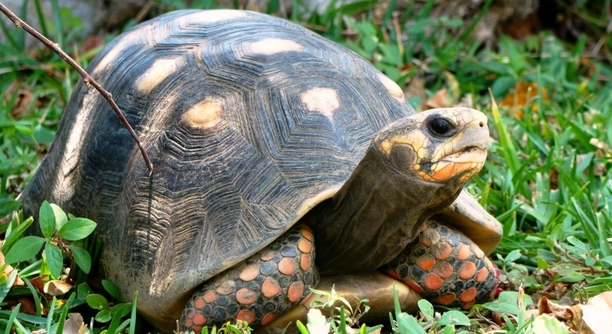
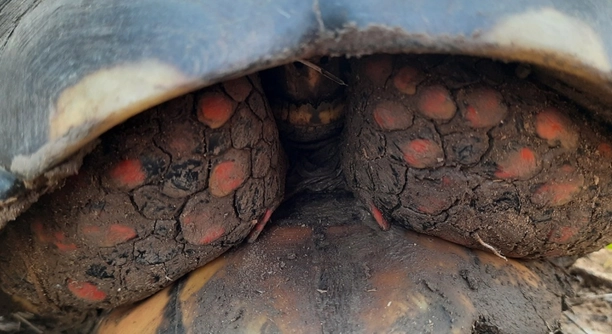
7 Common Red-Footed Tortoise Illnesses (+Prevention Tips)

Taking care of a Red-Footed Tortoise can be an incredibly rewarding experience. These slow-moving creatures have unique needs, and understanding how to keep them healthy is key to their well-being. Knowing what illnesses to watch for can help prevent problems before they arise. Red-Footed Tortoises are prone to several health issues, including respiratory infections, shell … Read more
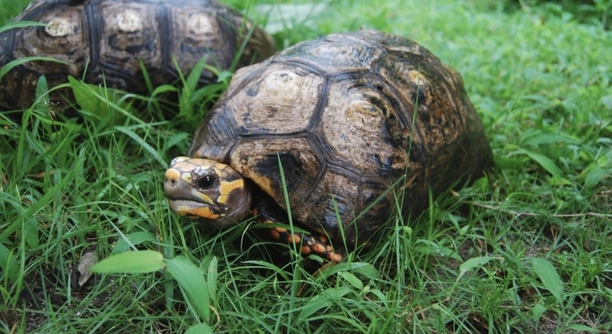
Why Is My Red-Footed Tortoise Not Moving Much?

Red-footed tortoises are known for their slow, calm nature, but when they aren’t moving much, it can be concerning. Understanding why this might happen can help ensure their health and comfort. A red-footed tortoise may not be moving much due to various factors, such as temperature changes, inadequate diet, stress, or illness. It’s important to … Read more

Can Red-Footed Tortoises Eat Cherries? (+Are They Toxic?)

Do you ever find yourself wondering if red-footed tortoises can safely enjoy cherries as a treat? These vibrant fruits may seem like a tempting snack, but understanding their effects on your tortoise’s health is essential before adding them to its diet. Red-footed tortoises can eat cherries in moderation, but the pits must be removed. Cherry … Read more

7 Best Plants to Grow in a Red-Footed Tortoise Habitat

Many people enjoy having red-footed tortoises as pets. Providing the right habitat with appropriate plants is essential to their health and well-being. The right plants offer food, shelter, and enrichment for these fascinating creatures. The best plants to grow in a red-footed tortoise habitat should be safe, nutritious, and hardy. Some of the ideal options … Read more

Why Does My Red-Footed Tortoise Keep Bobbing Its Head?

Red-footed tortoises are known for their gentle nature and unique behaviors. If you notice your tortoise bobbing its head frequently, it’s natural to wonder about the cause. Understanding this behavior can provide insights into their health and habits. Head bobbing in red-footed tortoises is often a sign of communication, stress, or a health issue. Tortoises … Read more

7 Signs Your Red-Footed Tortoise Needs a Bigger Enclosure

A red-footed tortoise requires a spacious enclosure to thrive. If your tortoise seems restless or exhibits certain behaviors, it may indicate the need for a larger living space. Observing these signs will help ensure your pet’s well-being. A red-footed tortoise’s enclosure should accommodate its growth and activity level. Key signs that your tortoise needs more … Read more

Can Red-Footed Tortoises Eat Celery? (+Is It Nutritious?)

Red-footed tortoises are known for their varied diet, but when it comes to celery, it’s important to understand if this vegetable is suitable for them. Providing the right nutrients is key to their health and well-being. Red-footed tortoises can eat celery in moderation. While celery is not harmful, it offers limited nutritional value. It lacks … Read more

7 Best Ways to Keep a Red-Footed Tortoise Warm in Winter

As winter approaches, keeping a red-footed tortoise warm becomes essential. These reptiles are sensitive to temperature changes, and understanding how to create a warm, comfortable environment will help them thrive throughout the colder months. Maintaining warmth for a red-footed tortoise in winter involves providing a stable heat source, such as a heat lamp or ceramic … Read more

Why Is My Red-Footed Tortoise Burying Itself?

Is your red-footed tortoise burying itself more often than usual? This behavior can be puzzling, especially for new owners. Understanding why your tortoise buries itself can help you provide the best care for its health and comfort. Red-footed tortoises bury themselves primarily for temperature regulation, humidity control, and security. They instinctively burrow to stay cool … Read more