
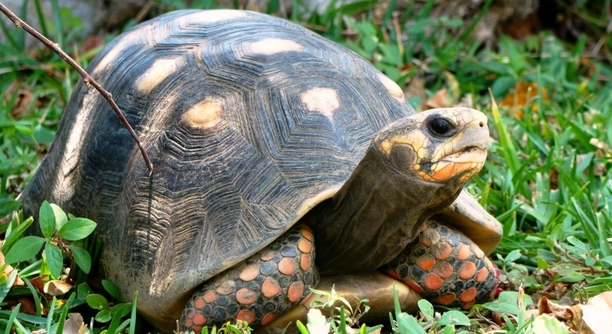
Many people enjoy having red-footed tortoises as pets. Providing the right habitat with appropriate plants is essential to their health and well-being. The right plants offer food, shelter, and enrichment for these fascinating creatures.
The best plants to grow in a red-footed tortoise habitat should be safe, nutritious, and hardy. Some of the ideal options include grasses, edible flowers, and low-growing shrubs. These plants create a comfortable environment and offer essential nutrients.
Including the right plants can help enhance your tortoise’s living space. Choosing the best options will promote their health and happiness in the habitat.
Best Edible Plants for Red-Footed Tortoises
Red-footed tortoises benefit from a variety of edible plants in their habitat. These plants provide essential nutrients, offering tortoises a natural and balanced diet. Some of the best options include dandelion greens, clover, and hibiscus. Dandelions are rich in calcium and vitamin A, which are important for shell and bone health. Clover offers protein and fiber, while hibiscus provides a tasty flower to keep your tortoise entertained. All of these plants can be grown easily and thrive in a tortoise’s habitat, offering an excellent food source.
Edible plants help stimulate natural foraging behaviors in tortoises. Providing them with a wide selection of plants promotes overall well-being and aids in their digestion.
Incorporating a mix of edible plants into their habitat is essential. You can grow these plants directly in the enclosure or provide them as part of a varied diet. Offering a wide range of options ensures your tortoise receives necessary vitamins and minerals. Regularly changing the plant options will also keep your tortoise engaged, ensuring a healthier and happier pet.
Non-Edible Plants for Shelter and Enrichment
While non-edible plants are not for eating, they serve other important purposes. These plants provide hiding spots, climbing opportunities, and visual enrichment for your tortoise. Spider plants and succulents are popular options for red-footed tortoises. Succulents, in particular, offer a great addition for their aesthetic appeal and low-maintenance care.
Adding non-edible plants creates a naturalistic environment. Plants like these give your tortoise a chance to explore, rest, and feel secure in their habitat. They make the space more interesting, both for the tortoise and for you.
It’s important to avoid plants that are toxic to red-footed tortoises. Many popular ornamental plants can cause harm if ingested. Do your research before introducing new plants to ensure they’re safe. Providing a balanced mix of both edible and non-edible plants is crucial for a healthy, stimulating environment.
Choosing the Right Soil for Tortoise Plants
The right soil is essential for healthy plant growth in your tortoise’s habitat. Well-draining soil ensures that plants do not become waterlogged, which could lead to root rot. A mix of organic soil and sand provides a good balance, allowing plants to establish strong roots while preventing excess moisture.
When selecting soil, look for options specifically designed for outdoor plants. Avoid soils with added fertilizers, as these can harm your tortoise if ingested. Ensure that the soil is deep enough for plant roots to grow freely, allowing for healthy growth. You want to create a stable environment for both your tortoise and the plants.
Regularly check the soil’s moisture level to avoid overwatering. Too much water can drown the plants, while too little can cause them to dry out. Maintaining proper soil conditions is key for keeping both your plants and tortoise healthy. Adjust the soil type as necessary to maintain optimal growth.
Watering Tips for Plant Growth
Proper watering is crucial for plant health in a red-footed tortoise habitat. While tortoises can thrive in dry conditions, their plants require a consistent watering schedule. Use a gentle spray or watering can to avoid disturbing the soil and ensure even moisture distribution.
Watering frequency depends on the plant species and the climate. For tropical plants, like hibiscus, regular watering is necessary to keep the soil moist. On the other hand, desert plants like succulents need far less water. Always check the soil’s moisture level before adding more water. Over-watering can lead to root rot and other plant issues.
Be mindful of drainage in your tortoise’s habitat. Ensure the water doesn’t pool in one area, as this can create harmful conditions for both your plants and tortoise. Proper watering encourages healthy, vibrant plants that will provide both food and enrichment.
Avoiding Toxic Plants for Tortoises
Certain plants can be harmful or toxic to red-footed tortoises. Before adding new plants to the habitat, always research their safety. Some common ornamental plants, like oleander, can be deadly if ingested. Always err on the side of caution.
Even plants that seem harmless can cause serious health problems if eaten by your tortoise. Monitor your tortoise closely to ensure they don’t nibble on toxic plants. Removing unsafe plants from the habitat can prevent potential harm.
Creating a Balanced Habitat for Your Tortoise
A balanced habitat involves more than just food and water. It includes the right combination of plants, proper humidity levels, and space for your tortoise to roam. A variety of plants encourages natural foraging and offers enrichment.
To support your tortoise’s health, create a space that mimics their natural environment. Make sure there are areas with shade, hiding spots, and open space for movement. A mix of plant types, from edible greens to non-toxic decorative options, helps create an environment that caters to all of your tortoise’s needs.
Benefits of Growing Your Own Plants
Growing your own plants offers multiple benefits for both you and your tortoise. Not only does it ensure your tortoise has access to safe, fresh food, but it also gives you control over the quality of the plants. Growing your own also allows you to choose plant varieties that best suit your tortoise’s specific dietary needs.
FAQ
What plants are safe for red-footed tortoises to eat?
Red-footed tortoises can eat a variety of plants. Some of the best options include dandelion greens, clover, hibiscus, and collard greens. You can also offer them edible flowers like marigolds, pansies, and nasturtiums. These plants are safe and provide essential vitamins and minerals. Always ensure the plants are free from pesticides before offering them to your tortoise.
Are there any plants that are toxic to red-footed tortoises?
Yes, several plants are toxic to red-footed tortoises. Avoid plants like oleander, azaleas, and certain types of ivy. These plants can cause serious harm if ingested. Before introducing any new plants to your tortoise’s habitat, research their safety thoroughly. Even plants that are not typically harmful may cause digestive issues or other health problems if your tortoise eats them.
Can I grow plants directly in my tortoise’s habitat?
Yes, you can grow plants directly in your tortoise’s habitat, as long as the plants are safe and appropriate for the environment. Make sure the soil is suitable for plant growth and that the plants won’t be uprooted easily by your tortoise. It’s also important to maintain proper watering and sunlight conditions for the plants to thrive.
How do I choose the right soil for plants in my tortoise’s habitat?
The right soil for your tortoise’s habitat should be well-draining. A mix of organic soil and sand is ideal, as it allows plants to grow without becoming waterlogged. This also prevents root rot, which can harm plants and create unhealthy conditions for your tortoise. Avoid using soil with added fertilizers, as they can be harmful if ingested.
How often should I water the plants in my tortoise’s habitat?
Watering frequency depends on the type of plants in your tortoise’s habitat. Tropical plants may need to be watered more frequently, while desert plants like succulents require much less water. Always check the moisture level of the soil before watering to avoid over-watering, which can lead to root rot.
Can my tortoise eat plants from outside?
You can feed your tortoise plants from outside, but only if you are certain they are safe and free of pesticides or chemicals. Many wild plants can be harmful, so it’s important to research before offering them. Some safe wild plants include dandelions, clover, and certain types of grass.
How do I protect plants from being eaten by my tortoise?
If you want to grow plants in your tortoise’s habitat but not have them eaten, consider planting them in raised beds or using protective barriers like wire mesh. This will allow the plants to grow while keeping them safe from your tortoise’s natural foraging behavior. You can also plant non-edible plants for visual enrichment and shelter.
What is the best way to remove dead plants from my tortoise’s habitat?
Dead plants should be removed as soon as possible to prevent them from attracting pests or causing mold growth. Simply pull up the dead plant and dispose of it. Regularly check your tortoise’s habitat for dead plant material and replace it with fresh, healthy plants to maintain a clean and safe environment.
How can I ensure my tortoise’s habitat has the right amount of sunlight for plants?
Make sure your tortoise’s habitat receives enough natural sunlight or use artificial lighting to mimic sunlight. Most plants need a certain amount of light to thrive, so placing them in a spot that receives direct or indirect sunlight is important. If using artificial light, make sure it’s suitable for plant growth.
Can I grow plants in my tortoise’s habitat year-round?
Yes, you can grow plants year-round, but you may need to adjust depending on the climate. In cooler months, you may need to supplement with grow lights or move the plants indoors if they cannot tolerate the cold. During warmer months, outdoor plants may thrive, but make sure the environment remains stable for your tortoise.
Do I need to fertilize the plants in my tortoise’s habitat?
Fertilizing plants in your tortoise’s habitat is not always necessary. If you are using rich, organic soil, the plants may get enough nutrients naturally. However, if you notice poor growth or yellowing leaves, you can use a mild, organic fertilizer. Be careful to avoid over-fertilizing, as it can lead to toxic conditions for both plants and your tortoise.
Final Thoughts
Creating the right environment for your red-footed tortoise is essential for their health and well-being. Incorporating safe plants into their habitat not only provides them with natural food but also helps mimic their natural surroundings. This enriches their environment, allowing them to forage, hide, and explore in a way that closely resembles their native habitat. With a little research and planning, you can ensure your tortoise’s habitat is both safe and beneficial to them.
The plants you choose can make a significant difference in the overall health of your tortoise. Safe, non-toxic plants like hibiscus, clover, and dandelion greens will not only offer a natural food source but also encourage healthy foraging habits. This is crucial for their mental and physical stimulation, which can prevent boredom and associated behavioral issues. Planting a variety of edible plants provides your tortoise with essential nutrients while maintaining a more natural environment in their enclosure.
Ultimately, it’s important to maintain a balance between plant safety and tortoise care. Regularly inspect the plants in your tortoise’s habitat, remove any dead foliage, and ensure that your tortoise isn’t consuming anything harmful. By creating a well-planted and properly managed habitat, you can provide your tortoise with a healthy, engaging space to thrive. This proactive care not only benefits your tortoise but also enhances the joy of caring for them.

Hello,
If you enjoy the content that we create, please consider saying a "Thank You!" by leaving a tip.
Every little bit helps us continue crafting quality advice that supports the health, happiness, and well-being of pets around the world, for pets of all shapes, sizes, and species.
We really appreciate the kindness and support that you show us!